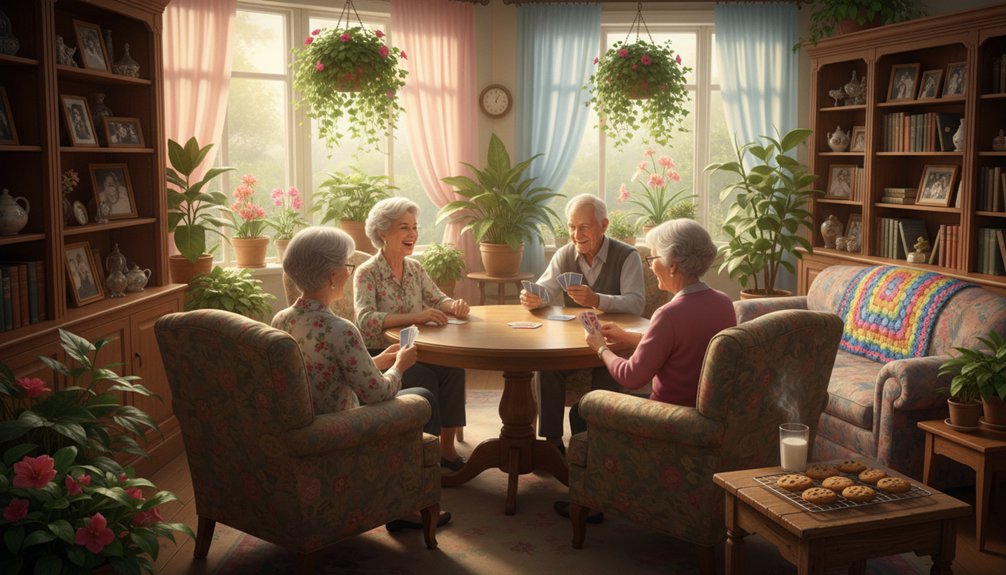
When considering senior living communities, comfort, safety, and routine are important factors to keep in mind. These homes are designed to provide a supportive environment that emphasizes the well-being of older adults. With private living spaces and essential safety features, residents can feel secure and at ease in their surroundings.
Beyond physical comfort, many communities focus on fostering a sense of community and purpose. Engaging with others can significantly enhance daily life. Here are some aspects to consider when researching senior living options:
- Safety Features: Look for communities that prioritize safety, such as emergency call systems, secure entry points, and well-lit common areas.
- Private Spaces: Consider the availability of private living quarters that allow for personal space while still offering access to communal areas for social interaction.
- Community Engagement: Investigate the types of social activities and programs offered to residents. Engaging in hobbies and group activities can improve overall well-being.
- Daily Routine: Understand how the community supports daily routines, including meal plans, housekeeping, and assistance with personal care, if needed.
- Healthcare Services: Depending on the community, there may be on-site healthcare providers or assistance with coordinating medical appointments and transportation.
- Personalized Care Options: Not all communities provide the same level of care. It’s essential to inquire about the specific services available and how they can cater to individual needs.
- Staffing Levels and Training: Ask about the staff-to-resident ratio and the training staff members receive to ensure quality care and support.
Each senior living community can vary significantly in the services and amenities they offer, so it is important to explore multiple options and ask pertinent questions. This approach will help ensure that you or your loved one find a living arrangement that best meets your needs.
Key Takeaways
Retirement homes typically offer private bedrooms and bathrooms, which can enhance comfort, individuality, and dignity for residents. The thoughtful design of these communities often includes features such as natural light and soft fabrics, creating a welcoming atmosphere that promotes well-being.
Safety is a critical consideration in senior living communities. Many facilities implement safety measures like slip-resistant flooring, handrails, and established emergency plans to ensure residents’ security and provide quick assistance when necessary.
A structured routine, which often includes consistent mealtimes and engaging activities, can foster stability and social interaction among residents. This routine can enhance daily living experiences and support overall quality of life.
Individualized care plans are another important aspect of retirement homes. These plans typically prioritize residents’ preferences and health needs, ensuring that they receive personalized support for daily personal care and nutrition. It’s essential to inquire about the specific services and care options available in different communities, as they can vary significantly from one provider to another.
Comfort-Focused Living Spaces
When exploring retirement homes focused on comfort, it’s important to understand how various living spaces can enhance a sense of belonging and tranquility for older adults. Many communities offer private bedrooms, which serve as personal sanctuaries where residents can display their individuality through photographs and cherished possessions. Approximately 73% of assisted-living units are private, indicating that privacy is a significant factor in promoting well-being.
Consider the design and atmosphere of the interiors. Thoughtful use of soft fabrics, warm colors, and ample natural light can contribute to a homelike environment. Additionally, accessible room layouts are essential for ensuring unobstructed pathways for mobility aids, which can be crucial for residents’ safety and independence. The benefits of all-private room long-term care units provide increased safety, privacy, and autonomy for residents.
Thoughtful design with soft fabrics, warm colors, and natural light creates a comforting, homelike atmosphere for residents.
Private bathrooms are also a key consideration, as they offer both comfort and dignity.
It’s beneficial to compare different retirement homes based on these aspects, as they can greatly influence the daily living experience. Prioritizing comfort and privacy not only enhances individual well-being but also fosters a sense of community and personal connection among residents.
As you research care options, keep these elements in mind to help ensure that the chosen environment supports a thriving and supportive lifestyle.
Daily Personal Care and Mobility
Daily personal care and mobility support are important aspects of life for older adults in senior living communities, helping them maintain their independence and dignity. Many residents require assistance with personal hygiene tasks, such as bathing and grooming. Research indicates that approximately 77% of residents may need help with bathing, while 62% typically require support with dressing and 49% may need assistance with toileting. Participation rates among older adults in essential daily activities highlight the importance of these supports. Mobility is another key consideration, as around 69% of residents benefit from help with walking or using wheelchairs. Providing individualized care plans that prioritize residents’ privacy and preferences is essential. This approach not only helps seniors manage their daily routines effectively but also fosters a sense of confidence and belonging, ultimately enhancing their overall quality of life. Additionally, trained caregivers play a vital role in ensuring compassionate support, allowing residents to feel secure in their daily activities.
When researching care options, consider asking the following questions to ensure the community meets the necessary support needs:
- What personal care services are offered, and how are they tailored to individual residents?
- How is mobility assistance provided, and what resources are available for residents who need it?
- Are staff trained to deliver personal care in a respectful and dignified manner?
- How does the community ensure the privacy and preferences of residents are upheld?
Understanding these aspects can empower you or your loved one to make informed decisions about senior living options that align with personal needs and values.
Fall Prevention and Physical Safety
Falls present significant risks for older adults, making fall prevention and physical safety crucial in senior living communities. To foster a safer environment, it’s important to consider the following measures:
- Eliminate Tripping Hazards: Regularly check for and remove loose rugs, clutter, and other obstacles that could cause tripping.
- Install Slip-Resistant Flooring: This can help reduce the likelihood of slips and falls in common areas as well as in individual living spaces. Additionally, selecting shoes with non-slip soles can enhance safety during movement.
- Maintain Clear Pathways: Ensure that pathways are clear for walkers and wheelchairs, allowing residents to move freely and safely.
- Enhance Lighting: Adequate lighting, especially in hallways and stairways, is essential for helping residents navigate their surroundings.
- Add Handrails and Grab Bars: Installing these in bathrooms and along staircases can provide extra support for residents when needed.
- Utilize Personal Alarm Systems: These systems allow residents to call for assistance quickly in case of a fall or other emergencies.
- Conduct Regular Safety Checks: Routine inspections can help identify and address new hazards, supporting a proactive approach to safety.
- Implement Evidence-Based Exercise Programs: Programs focusing on strength and balance can empower residents, helping them maintain their independence while minimizing fall risks. Additionally, understanding that falls are the leading cause of injuries in older adults can further emphasize the importance of these safety measures.
Nutrition, Hydration, and Health Monitoring
Nutrition, hydration, and health monitoring are crucial elements of daily life in senior living communities. These components help ensure residents maintain their well-being and independence.
Malnutrition is a significant concern for many older adults, with nearly half at risk. Personalized meal planning is vital, as it considers individual dietary needs, including cultural preferences and specific health conditions. When researching care options, inquire about how the community develops meal plans and whether they involve registered dietitians who can adjust meals based on residents’ changing health needs.
Regular weight monitoring is another important practice. It can help identify any changes in a resident’s health early, allowing for timely interventions. Ask about the frequency of weight checks and how staff respond to significant changes. Nutritional screening and monitoring begins within 24 hours of patient admission, ensuring that residents are assessed promptly.
Hydration support is equally important in preventing dehydration, which can lead to serious health issues. Look for communities that provide easy access to beverages and hydration prompts, ensuring residents have the support they need to stay hydrated.
Ongoing health monitoring is essential for tracking vital signs and dietary intake. This can help ensure each resident receives the individualized care necessary to thrive. When evaluating senior living options, consider how health monitoring is integrated into daily routines and the types of assessments conducted.
Staffing, Supervision, and Emergency Readiness
When researching senior living communities, it’s important to understand the aspects of staffing, supervision, and emergency readiness, as these factors directly impact residents’ safety and well-being. Here are some key points to consider:
- Staffing Levels: Ensure that the community meets the 2024 CMS requirements, which include 24-hour registered-nurse coverage and a sufficient number of nursing hours per resident. These standards are designed to promote adequate care and support for older adults.
- Continuous Supervision: Look for communities that prioritize trained staff who can quickly identify and respond to situations such as falls, wandering, or potential environmental hazards. This level of supervision can significantly enhance residents’ safety.
- Emergency Preparedness: Inquire about the community’s emergency plans. Effective strategies should address various risks and clearly outline responsibilities for all staff members. This preparation is crucial for ensuring that residents can be moved safely and efficiently in case of an emergency.
- Training and Drills: Regular training sessions and emergency drills for staff can help ensure that they’re equipped to respond competently in crisis situations. This ongoing education is vital for maintaining a safe environment for residents.
- Integration of Care Levels: It is also beneficial to understand how transitioning between care levels is handled, as this affects residents’ access to necessary support as their needs change.
Predictable Routines
A well-structured environment significantly contributes to the daily comfort of residents in senior living communities. Establishing predictable routines, such as consistent mealtimes, can create a sense of security and help reduce anxiety, particularly for those living with dementia. When residents know what to expect regarding meal times, it can help them feel more oriented throughout the day and minimize confusion.
Stable sleep-wake patterns are also essential. Regular bedtime routines can lead to improved rest and a healthier activity cycle. Incorporating natural light during the day supports the development of healthy sleep patterns, further enhancing overall well-being. Additionally, creating a supportive physical dining environment can enhance residents’ eating performance and overall quality of life. Engaging in cognitive stimulation activities can also support mental sharpness and add to the daily structure.
Familiar daily sequences can assist residents in navigating their day, making transitions smoother and fostering a stronger connection with their surroundings. Ultimately, these predictable routines can create a nurturing atmosphere that enables residents to thrive in their community.
When researching care options for yourself or a loved one, consider asking about how the community implements daily routines and their approach to creating a structured environment. Understanding these elements can help you make a more informed decision about the right care setting.
Engagement Through Structured Activities
Engaging in structured activities can significantly enhance the emotional well-being of residents in senior living communities while fostering social connections. Participation in group activities offers regular opportunities for conversation and collaboration, which are vital for reducing feelings of loneliness and promoting mental health. Community engagement technologies foster social connectivity and combat loneliness among seniors.
Structured exercise programs, such as yoga and walking groups, can support mobility and independence, contributing to a higher quality of life for older adults. These programs are designed to accommodate varying levels of physical ability, allowing all residents to participate based on their comfort and capability.
Cognitive activities, including puzzles and arts and crafts, play a crucial role in stimulating the mind and helping maintain cognitive function. Offering a diverse range of activities ensures that residents can engage according to their interests and abilities, promoting inclusivity within the community. Recent studies indicate that recreational activities have a positive impact on the well-being of older adults, highlighting their importance in care settings.
When considering care options for yourself or a loved one, it may be helpful to ask about the types of structured activities available and how they’re tailored to meet the needs of residents. Activities can vary widely by community, so understanding what’s offered can help ensure a fulfilling daily routine that enhances overall well-being.
Person-Centred Care Approaches
Structured activities can significantly enhance the emotional well-being of residents in senior living communities. However, it’s crucial to also focus on person-centred care approaches to ensure that every resident receives personalized attention that reflects their unique health, emotional needs, and personal goals.
Structured activities improve emotional well-being, but personalized, person-centred care is essential for addressing individual health and emotional needs.
When researching care options for yourself or a loved one, consider the following aspects of person-centred care:
- Individualized Assessments: Look for communities that conduct thorough assessments to understand each resident’s specific needs and preferences. This process is essential in tailoring care and support effectively.
- Shared Decision-Making: Empowering residents through involvement in decision-making helps them feel in control of their care and daily routines. Ask potential communities how they facilitate this process.
- Respect and Dignity: Clear communication and active listening are vital. Communities should prioritize maintaining dignity and respecting residents’ choices. Inquire about how staff members engage with residents to uphold these values.
- Fostering Autonomy: Assess how communities support residents’ independence by offering choices in daily activities, such as meal options and personal routines. Flexibility in these areas can enhance quality of life. Additionally, a focus on integrated care approaches can lead to improved health outcomes for older populations. Research has shown that nutritional support plays a significant role in promoting overall well-being among residents.
- Family Involvement: Collaboration with family members can enrich the care experience. Ask about policies regarding family involvement and how the community encourages family engagement in care planning.
By focusing on these person-centred care approaches, communities can promote independence, improve health outcomes, and create a comfortable living environment for residents.
Remember that services and practices can vary by provider, so it’s important to ask specific questions and gather detailed information during your research.
Enhancing Quality of Life for Residents
Living in a senior community can offer numerous benefits that may enhance your quality of life in meaningful ways. Here are some key aspects to consider:
- Safety and Accessibility: Many senior communities provide accessible layouts and supportive environments designed to promote safety. These features can help reduce the risk of falls and enable easier movement throughout the space, especially given that older adults face a significantly higher risk of death or injury from falls. On-site healthcare services can further ensure that residents receive prompt assistance if needed.
- Social Interaction: Communal areas are typically designed to encourage social engagement. Regular opportunities to connect with fellow residents can help foster friendships and enhance emotional well-being, which is vital for overall health. Engaging in group activities and events can significantly reduce feelings of isolation among seniors.
- Structured Routines: A predictable daily routine can help maintain health and provide structure, making everyday life simpler and more enjoyable for older adults. This stability may be beneficial for both residents and their families. Moreover, participation in structured activities can promote a sense of belonging and purpose, which is essential for emotional health.
- Engagement in Activities: Many communities offer a variety of group activities that not only spark joy but also provide a sense of purpose. Participating in these activities can contribute positively to residents’ mental and emotional health. Shared interests and hobbies can enhance experiences and open doors to new friendships within the community.
When researching senior living options, it’s important to recognize that services and amenities can vary by provider. Here are some considerations to keep in mind:
- Assess Safety Features: Inquire about safety measures in place, such as emergency response systems, handrails, and well-lit pathways.
- Explore Social Programs: Look into the types of social activities and events offered to ensure they align with your or your loved one’s interests.
- Evaluate Daily Structure: Consider how the community supports daily routines and what services are available to help maintain health and well-being.
- Check for Variety of Activities: Find out what recreational, educational, and therapeutic activities are available to engage residents.
Frequently Asked Questions
What Types of Activities Are Offered to Residents?
A senior living community typically offers a variety of activities aimed at enhancing residents’ quality of life and promoting overall well-being. Here are some common types of activities you may find:
- Physical Wellness Activities: Many communities provide chair exercises, yoga, and walking groups to help residents maintain physical health and mobility.
- Creative Outlets: Opportunities for creativity, such as painting, gardening, and cooking classes, can be available. Engaging in such activities can stimulate the mind and foster a sense of achievement.
- Cognitive Stimulation: Game nights, book clubs, and discussion groups are often organized to encourage mental engagement and social interaction among residents.
- Social Events: Social gatherings, including happy hours and movie nights, can help residents connect with one another, fostering friendships and community spirit.
- Exploratory Outings: Organized outings and volunteer opportunities may be part of the community’s offerings, allowing residents to explore their surroundings and participate in meaningful activities.
When considering a senior living community, it’s essential to inquire about the specific activities they offer, as options can vary significantly between providers.
Engaging in a variety of activities can contribute to a fulfilling and vibrant lifestyle for older adults.
How Are Residents’ Individual Preferences Considered in Care Plans?
Residents’ individual preferences play a crucial role in the development of care plans, as they highlight each person’s unique needs and values.
To create an effective care plan, staff typically conduct comprehensive assessments that delve into medical history, cultural background, and lifestyle choices.
In most senior living communities, residents are encouraged to actively engage in the care planning process. This involvement ensures that the care plan aligns closely with personal goals and daily routines.
Regular meetings are often scheduled to review and update the care plan, allowing for adjustments as residents’ needs evolve.
This personalized approach not only enhances comfort but also promotes a sense of belonging and respect within the community.
When considering care options, it’s important to inquire about how the community incorporates individual preferences into care plans and what processes are in place for ongoing adjustments.
This information can help you make a more informed decision about the best living arrangement for yourself or a loved one.
Are Pets Allowed in Retirement Homes?
Yes, many senior living communities do allow pets, but specific policies can vary greatly from one community to another. Typically, you’ll find that small to medium-sized dogs, cats, birds, and fish are the most commonly accepted pets.
If you’re considering moving into a retirement home with a pet, it’s important to keep the following points in mind:
- Documentation: Be prepared to provide necessary documentation, such as vaccination records and pet licensing, as many communities require this information.
- Size and breed restrictions: Some communities may have restrictions regarding larger or aggressive breeds, so it’s crucial to check the specific guidelines of any community you’re considering.
- Comfort and well-being: Consider how the presence of a pet will affect both you and your pet’s comfort in the new living environment.
- Community culture: Some communities may have amenities or activities that cater to pet owners, which can enhance the experience for both residents and their furry companions.
Before making a decision, it’s advisable to contact the community directly to understand their pet policy and ensure that your beloved companion can comfortably join you in your new home.
How Are Family Members Involved in the Care Process?
Family members play a crucial role in the care process for older adults. Their involvement can significantly influence the well-being and quality of life of residents in a senior living community.
Here are some key ways family members can participate:
- Care Planning and Decision-Making: Family members can help develop care plans tailored to the resident’s needs. This includes setting achievable goals and adjusting plans based on any changes in the resident’s health or preferences.
- Communication: Regular communication with care teams is vital. Family members can share observations about the resident’s condition and advocate for their loved one’s needs and routines.
- Emotional Support: Consistent visits and emotional engagement are essential for maintaining a resident’s mental and emotional well-being. Family presence can provide comfort and reassurance.
- Care Team Engagement: By working closely with the care team, family members can ensure that the resident’s preferences and routines are respected. This collaborative approach can lead to better outcomes for the resident.
When considering a senior living community, it’s important for families to ask about how they can be involved in the care process and what support systems are in place for family engagement.
This can help ensure that the transition to a care setting is as smooth as possible for everyone involved.
What Security Measures Are in Place for Resident Safety?
To ensure the safety of residents, senior living communities implement various security measures. These measures may include:
- Controlled Entrances and Locked Doors: These features help limit unauthorized access, providing an added layer of security for residents.
- Monitored Exits: This helps to prevent wandering, ensuring that residents who may be prone to disorientation are kept safe.
- Emergency Call Systems: Residents can quickly request help in case of an emergency, promoting a sense of security and reassurance.
- Trained Staff: Staff members are trained to handle emergency situations, and regular drills are conducted to ensure preparedness.
- Fall Prevention Programs: Many communities focus on environmental safety through measures such as adequate lighting and the installation of handrails, which can minimize the risk of falls.
These security measures contribute to a secure environment that prioritizes the well-being and peace of mind of residents.
When researching senior living options, it’s helpful to inquire about the specific safety protocols in place at each community, as these can vary by provider.