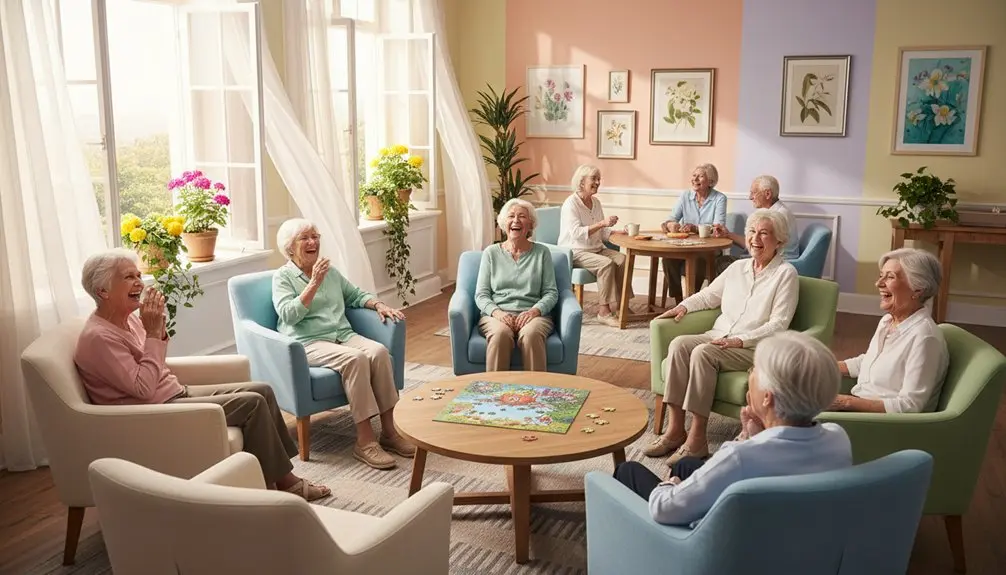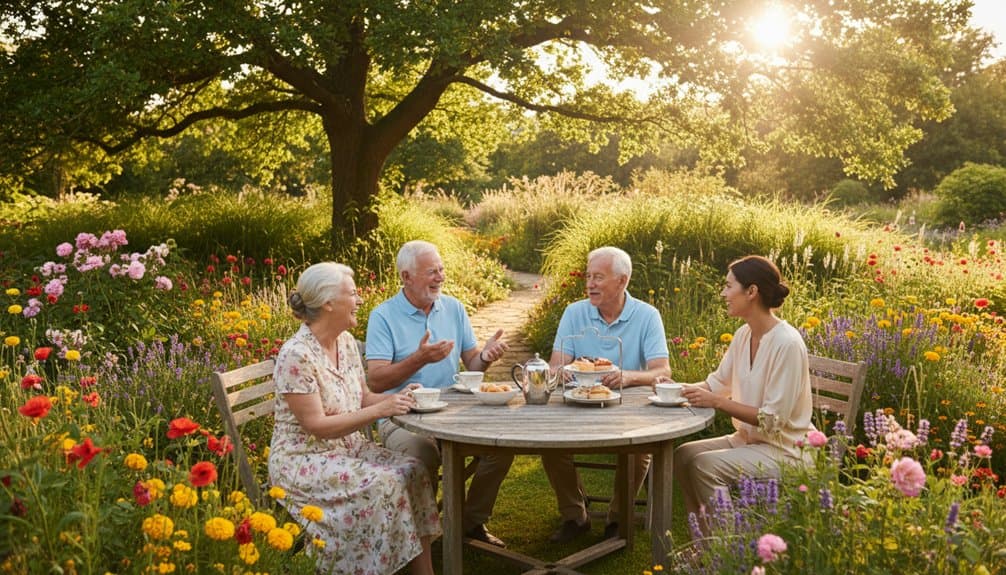
When evaluating what makes a senior living community feel welcoming and personal, it’s important to consider both the environment and the interpersonal dynamics present. A warm atmosphere extends beyond aesthetics; it is about how well the community reflects the individual lives and preferences of its residents.
The interactions between staff and residents significantly contribute to this sense of belonging. Here are some key elements to consider when researching a senior living home:
- Personalized Spaces: Look for communities that allow residents to personalize their living areas. This can help create a sense of ownership and comfort.
- Staff Engagement: Observe how staff members interact with residents. Genuine, respectful, and attentive communication fosters a supportive environment.
- Community Activities: A variety of activities that cater to different interests can enhance social engagement and help residents feel more connected.
- Diversity of Services: Understand that services may vary by community. Inquire about the availability of medical support, transportation options, and recreational activities to ensure they align with your needs or those of your loved one.
- Cultural Sensitivity: Consider how the community respects and incorporates the cultural backgrounds of its residents, which can enhance the feeling of belonging.
When visiting potential communities, it’s helpful to ask specific questions about these elements. Focus on how the environment and staff interactions align with the preferences and needs of the older adults who will reside there. This thorough evaluation can help ensure a welcoming and personal atmosphere in the chosen senior living community.
Key Takeaways
- Personalization in care plans and daily routines can enhance residents’ autonomy, leading to greater satisfaction and a stronger connection to their living environment. It is important to consider how care plans can be tailored to meet individual preferences and needs.
- A homelike atmosphere is crucial in a senior living community. Look for warm décor, comfortable furnishings, and private spaces that foster a sense of safety and belonging. These elements can greatly impact residents’ overall comfort and well-being.
- Engaging activities and inclusive programs are essential for encouraging social interactions among residents. When researching options, consider how communities facilitate friendships and combat loneliness through various social activities.
- Building consistent staff relationships can create an environment of trust and understanding. This consistency is important for ensuring individualized care and enhancing the overall living experience for residents.
- Thoughtfully designed communal areas and flexible routines can help facilitate meaningful connections. When evaluating a senior living community, consider how these spaces are utilized and how they allow residents to feel valued and involved in their community.
The Importance of Personalization in Senior Living
Personalization in senior living is a crucial aspect that significantly impacts the satisfaction and quality of life for residents. When communities prioritize individual preferences, including routines, meal choices, and social interactions, they help foster a sense of autonomy among older adults. Research indicates that having perceived choices can enhance satisfaction, underscoring the importance of understanding each resident’s unique desires. Implementing personalized care plans that reflect residents’ values and life histories goes beyond merely providing care; it helps in building meaningful connections. Engaging residents in collaborative decision-making ensures they feel heard and valued, which can greatly enhance their overall experience. Additionally, person-centered care is recognized as the preferred model of dementia care, emphasizing the need to support the remaining abilities of residents. Assisted living communities also provide personalized care plans that adapt over time to meet evolving needs.
To ensure care remains relevant and responsive, regular updates to these plans are essential. This practice accommodates any changes in health and interests, contributing to a more enriched and fulfilling living experience.
When considering senior living options, it may be beneficial to ask potential communities about their approach to personalization and how they involve residents in decision-making processes. Understanding these aspects can help you make a more informed choice for yourself or a loved one.
Creating a Homelike Atmosphere
A personalized approach to senior living goes beyond just tailored care plans; it involves creating a homelike atmosphere that enhances the everyday experiences of residents. Smaller residential designs with household-style layouts can foster a sense of community and make spaces feel more inviting and less institutional.
When evaluating senior living options, consider the following elements that contribute to a comfortable environment:
- Warm Finishes and Décor: Look for communities that incorporate warm colors and home-like decorations. These elements can help reduce anxiety and promote a sense of well-being among residents, enhancing their social connections.
- Residential Furniture: Spaces furnished with comfortable, residential-style furniture can make a significant difference in how a community feels. This can help residents feel more at home and less like they’re in a clinical setting.
- Private Bedrooms: Providing private bedrooms allows residents to enjoy personal space and control over their daily routines, which can be important for their comfort and independence.
- Natural Light and Acoustics: Prioritize communities that emphasize sensory comfort, including abundant natural light and soothing acoustics. These features can create inviting and calming spaces.
- Familiar Layouts: Communities designed with familiar layouts can help residents navigate their environment more easily, promoting confidence and independence. Additionally, environmental design plays a critical role in enhancing long-term care quality, with innovative models leading to better experiences for residents and staff compared to traditional institutional models.
These elements collectively contribute to a welcoming atmosphere in senior living communities, helping older adults feel truly at home. When researching options, it’s important to ask about the specific features and services offered, as these can vary by provider.
Fostering Social Connections and Belonging
While many seniors thrive in environments that feel like home, fostering social connections and a sense of belonging is equally essential to their well-being.
Creating inclusive activities can help combat loneliness and promote friendships among residents. Consider the following options when evaluating senior living communities:
- Varied Programs: Look for communities that offer a range of activities catering to different interests and abilities, such as seated crafts or intergenerational games. This diversity can engage more residents and encourage participation.
- Shared Meals: Regular communal meals, like potlucks, can provide natural settings for conversations and relationship building. Shared dining experiences often help residents connect over food and foster a sense of community.
- Resident-Led Clubs: Some communities may establish clubs led by residents, which can nurture autonomy and shared purpose. These clubs often allow friendships to blossom and provide opportunities for residents to engage with each other based on common interests.
- Buddy Systems: Support for new residents can be enhanced through buddy systems or peer welcoming groups. These initiatives make it easier for newcomers to connect with others and feel more at home.
By focusing on these elements, prospective residents and their families can help cultivate a vibrant community where everyone feels valued and connected. Additionally, fostering friendships through meaningful social interactions can significantly enhance the quality of life for seniors.
When researching care options, consider how these social opportunities are integrated into the community’s offerings, as they play a vital role in enhancing the quality of life for seniors.
Building Trust Through Consistent Staff Relationships
When researching senior living communities for yourself or a loved one, it’s important to consider the role of consistent staff relationships in providing quality care. Familiar caregivers can help establish trust by understanding individual preferences, routines, and care needs, which contributes to a more personalized living experience. This continuity allows residents to adapt and thrive, enhancing their overall emotional well-being.
High staff turnover can disrupt this continuity, making it challenging for caregivers to notice subtle changes in mood or behavior that may indicate a need for adjustments in care. Consistent caregivers typically enhance person-centered care, allowing residents to make individualized choices regarding daily activities and routines.
Reliable communication between familiar staff members can reduce confusion and ensure that everyone involved in a resident’s care is informed and aligned. This predictability can foster a sense of safety and respect, making residents feel valued and understood. Additionally, the high turnover rates among direct care workers can significantly impact the quality of care provided.
When evaluating senior living options, you might consider asking about staff retention rates and the average tenure of caregivers. Understanding how a community supports staff stability can provide insights into the quality of care and the overall living experience offered.
Stable staffing not only contributes to improved care quality but also enhances the overall satisfaction of residents in the community.
Enhancing Accessibility and Comfort
Enhancing accessibility and comfort in senior living communities is essential for fostering independence and well-being among residents. When researching options for yourself or a loved one, consider the following features that contribute to a safe and inviting environment:
- Universal Design Features: Look for communities that incorporate step-free entrances, wide doorways, and grab bars. These elements help reduce mobility barriers, allowing residents to move about with greater ease and confidence. Additionally, implementing resident-led clubs can empower seniors to engage more actively in their communities.
- Adequate Lighting: Good lighting is crucial for safety and comfort. Ensure that living areas offer ambient lighting of at least 200 lux, along with task lighting for activities that require more focus, such as reading or crafting.
- Bathroom Safety: Bathrooms often require special consideration. Non-slip flooring and accessible fixtures can significantly reduce the risk of falls. Inquire about the specific safety features available in the bathrooms of potential communities.
- Comfortable Indoor Environment: Factors such as proper ventilation, temperature control, and noise management can enhance residents’ satisfaction and overall quality of life. It’s important to assess how well a community maintains these aspects. Additionally, environments designed with universal design principles can greatly improve accessibility and engagement for older adults in senior living communities.
When evaluating different senior living options, take note of how these features are implemented, as they can vary significantly from one community to another.
Prioritizing accessibility and comfort not only supports residents’ independence but also contributes to a welcoming atmosphere that can enhance their overall quality of life.
Encouraging Meaningful Daily Life
Creating a meaningful daily life for seniors is a key aspect of promoting their well-being and overall satisfaction in a senior living community. Personalizing activities based on residents’ interests and life stories can significantly enhance their quality of life.
Consider focusing on activities that not only bring joy but also instill a sense of purpose. Many seniors find fulfillment in engaging roles such as volunteering or mentoring, which can foster a strong sense of community connection and enhance intergenerational relationships.
Support for autonomy is also crucial. Flexible routines that allow residents to make choices about their day can help maintain their dignity and independence. Integrating meaningful tasks into daily routines—such as meal preparation or gardening—can further reinforce their sense of competence and accomplishment.
It’s important to remember that meaningful engagement goes beyond mere entertainment. Look for opportunities that enable residents to contribute and connect with others, ensuring that each individual feels valued and actively involved in their community.
When researching senior living options, consider asking about how the community supports meaningful activities, the types of roles available for engagement, and the flexibility of daily routines. These factors can greatly influence the quality of life for seniors in care settings.
The Role of Shared Spaces in Community Engagement
Shared spaces are essential in promoting community engagement among seniors, as they offer daily opportunities for connection and interaction. Creating inviting communal areas such as living rooms, gardens, and activity rooms can encourage residents to mingle and share experiences.
These environments play a significant role in reducing social isolation, which is particularly important for those who may feel lonely. Thoughtfully designed spaces that resemble a home can encourage longer and more frequent gatherings, contributing to overall well-being. Additionally, regular social engagement in assisted living facilities can improve mental and physical health, reducing depression and anxiety risks.
Here are some considerations when evaluating shared spaces in a senior living community:
- Accessibility: Look for layouts that are easy to navigate, ensuring all residents can participate in activities and social interactions.
- Variety of Spaces: Different communal settings, such as quiet areas for reading or lively spaces for group activities, can cater to various preferences and engagement styles.
- Inviting Atmosphere: Environments that feel welcoming and home-like can significantly enhance the sense of belonging among residents.
When researching care options, it may be helpful to ask about the types of shared spaces available and how they’re utilized to foster community engagement. Understanding these aspects can help you determine if a community will meet the social needs of yourself or your loved one.
Supporting Individual Preferences and Autonomy
Promoting community engagement in senior living environments can significantly enhance respect for individual preferences and autonomy. Allowing residents to shape their daily routines, such as waking times, meal choices, and activities, fosters a sense of control and independence. This attention to personal choices can lead to an improved quality of life. Furthermore, the growing number of older adults seeking assisted living services emphasizes the importance of tailoring these environments to meet individual needs. Communities that prioritize personalized support ensure that residents feel heard and valued, enhancing their overall experience.
To ensure that preferences are consistently met, it’s important for communities to regularly update preference assessments. This practice allows staff to adapt to changing interests and health statuses, which is essential for resident satisfaction.
Regularly updating preference assessments is vital for adapting to residents’ evolving interests and health, ensuring their satisfaction and well-being.
Additionally, creating personalized living spaces that include familiar items supports individual identity and comfort. Empowering residents to express their needs and desires cultivates a nurturing atmosphere where everyone feels valued and at home, which in turn contributes to overall community well-being.
When researching senior living options, consider the following factors related to individual preferences and autonomy:
- Daily Routines: Inquire about how much flexibility residents have in setting their own schedules.
- Personalized Living Spaces: Ask how communities support residents in personalizing their living environments.
- Preference Assessments: Find out how often communities update resident preferences and how they use this information to tailor services.
- Empowerment Opportunities: Look for programs that encourage residents to voice their needs and desires.
These considerations can provide insight into how a senior living community values and supports the autonomy of its residents.
Connecting With the Wider Community
While some senior living communities may feel isolated, engaging with the wider community can provide valuable opportunities for social interaction and enrichment. Many communities organize open-house events to invite local residents and organizations, helping to foster relationships and build connections.
Regular events such as community concerts, lectures, and seasonal celebrations can enhance the sense of belonging and provide residents with chances to engage with others. Incorporating intergenerational programs can also be beneficial, welcoming preschoolers and college students to participate and enrich the experiences of everyone involved. Community-based intergenerational programs have been shown to promote mutual learning and support across generations, further strengthening community ties. Additionally, meaningful social interactions can significantly enhance older adults’ lives, encouraging them to build relationships within their community.
Partnering with local libraries, schools, and volunteer organizations can diversify programming, enhancing the community’s role in the larger neighborhood. Involvement in civic activities, such as food drives or beautification projects, allows residents to contribute meaningfully, reinforcing their connection to the area.
When researching senior living options, consider how a community connects with its surrounding environment and the opportunities available for residents to engage with diverse groups. This connection can lead to a more vibrant and inclusive atmosphere that nurtures relationships across various generations.
Frequently Asked Questions
How Can Families Participate in the Decision-Making Process for Residents?
Families can play a vital role in the decision-making process for residents in senior living communities by actively collaborating with both residents and staff.
Here are some practical ways families can engage:
- Share Insights: Provide information about your loved one’s routines, preferences, and health history during care planning discussions. This helps staff tailor care to meet individual needs.
- Encourage Open Dialogue: Participate in care conferences and advocate for inclusive discussions where everyone’s voice is acknowledged. This ensures that the preferences and wishes of the resident are considered.
- Support Individual Goals: Be an advocate for your loved one’s choices, helping to align their care with their personal goals and preferences.
- Maintain Communication: Regularly meet with staff to address any concerns and discuss ways to enhance the quality of services. Open lines of communication can help ensure your family member feels valued and understood in their living environment.
These approaches can help families contribute meaningfully to the care experience, ensuring that the needs and desires of residents are prioritized.
What Types of Activities Are Available for Different Interests?
In a senior living community, a variety of activities are available to cater to different interests and promote engagement among residents. Here are some options to consider:
- Gentle Exercise: Chair yoga and tai chi are often offered as low-impact exercise choices, suitable for residents with varying mobility levels.
- Creative Arts: Residents can explore their artistic side through painting and ceramics, which can be a fulfilling way to express creativity and enhance well-being.
- Learning Opportunities: Many communities provide lectures or cooking classes, allowing residents to learn new skills and stay intellectually stimulated.
- Social Activities: Participation in card games or volunteer projects can foster social connections, which are vital for emotional health and community building.
- Outdoor Activities: Gardening and walking clubs are commonly available for those who enjoy spending time outside and want to stay active in a natural setting.
It’s important to note that the availability of these activities may vary by community.
When researching options for yourself or a loved one, consider visiting the communities to see what specific programs they offer and how they align with personal interests.
Engaging in meaningful activities can significantly enhance the quality of life, ensuring residents feel connected and valued in their new home.
Are Pets Allowed in Senior Living Communities?
Yes, many senior living communities allow pets, but the specific policies can vary by location. If you or your loved one are considering a pet-friendly community, here are some important factors to keep in mind:
- Types of Pets: Some communities welcome dogs, cats, and even birds. It’s essential to check which types of animals are allowed.
- Size and Breed Restrictions: Many communities have guidelines regarding the size and breed of pets. Make sure to inquire about any specific restrictions that might apply.
- Number of Pets: There may be limits on the number of pets a resident can have. Be sure to clarify this with the community.
- Responsibility for Care: Residents will be expected to care for their pets, including feeding, grooming, and ensuring they’re well-behaved. This responsibility is crucial for maintaining a harmonious living environment.
- Community Guidelines: It’s important that pets adhere to the community’s rules to ensure a peaceful atmosphere for all residents.
Before making a decision, consider visiting potential communities to discuss these policies with staff and to assess how well they align with your or your loved one’s needs and lifestyle.
How Is Staff Training Conducted for Personalized Care?
Staff training for personalized care in senior living communities typically involves a mix of classroom instruction, practical experience, and ongoing assessments.
Caregivers learn about residents’ histories, preferences, and cultural backgrounds, which is essential for creating effective care plans tailored to individual needs.
Regular evaluations ensure that staff members remain informed about each resident’s evolving requirements. Additionally, continuous feedback and role-playing scenarios are employed to enhance caregivers’ skills.
This training approach helps staff provide empathetic, individualized support, ultimately improving the quality of life for residents.
When researching care options for yourself or a loved one, consider asking about the training protocols in place for staff.
Understanding how caregivers are prepared to meet the diverse needs of residents can provide insight into the level of personalized care that a community offers.
What Safety Measures Are in Place for Residents?
Safety measures for residents in senior living communities are designed to promote a secure and supportive environment. Here are some of the key practices typically in place:
- Fall-Risk Screenings: These assessments help identify potential hazards related to medication side effects, balance issues, and other factors that may increase the risk of falls.
- Environmental Safeguards: Many communities implement features such as grab bars in bathrooms, improved lighting throughout the premises, and uncluttered walkways to enhance safety.
- Emergency Preparedness Training: Staff members receive training in emergency protocols, including procedures for evacuation and shelter-in-place situations. This ensures that they’re ready to respond effectively in case of an emergency.
- Infection Control Programs: These programs are established to protect residents from infectious diseases, helping to maintain a healthy living environment.
- Ongoing Staff Training: Regular training updates help staff stay prepared for various situations, ensuring they can respond appropriately to emergencies.