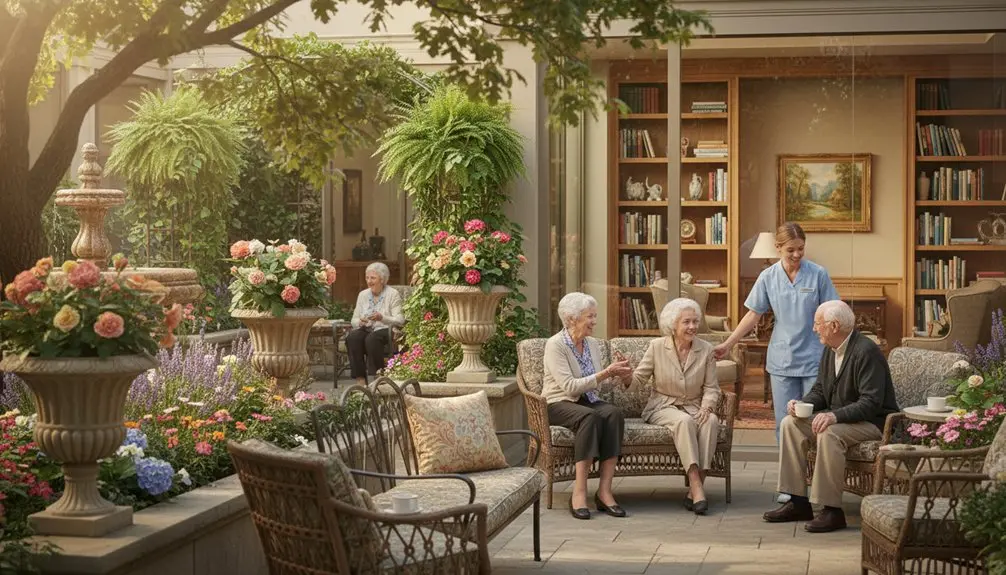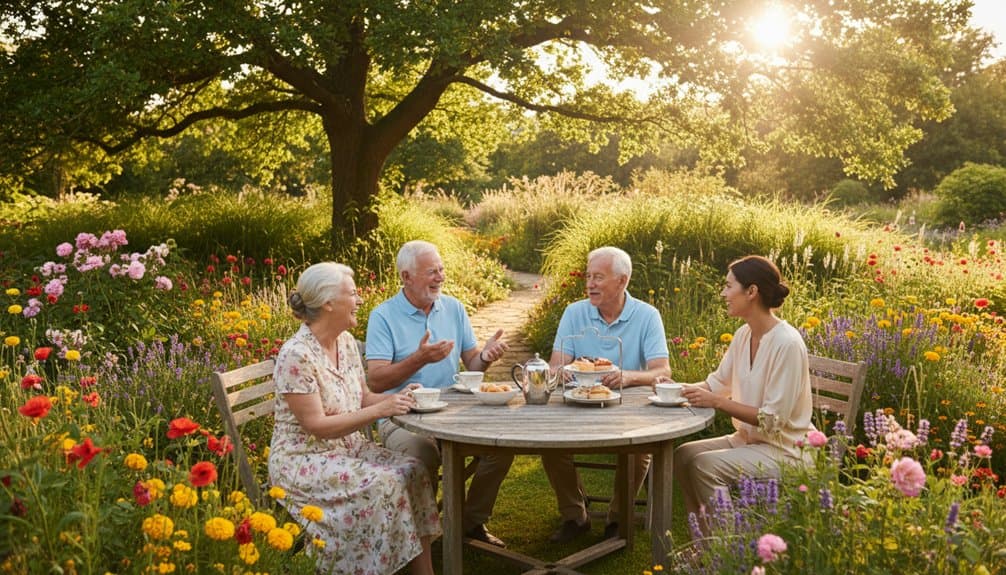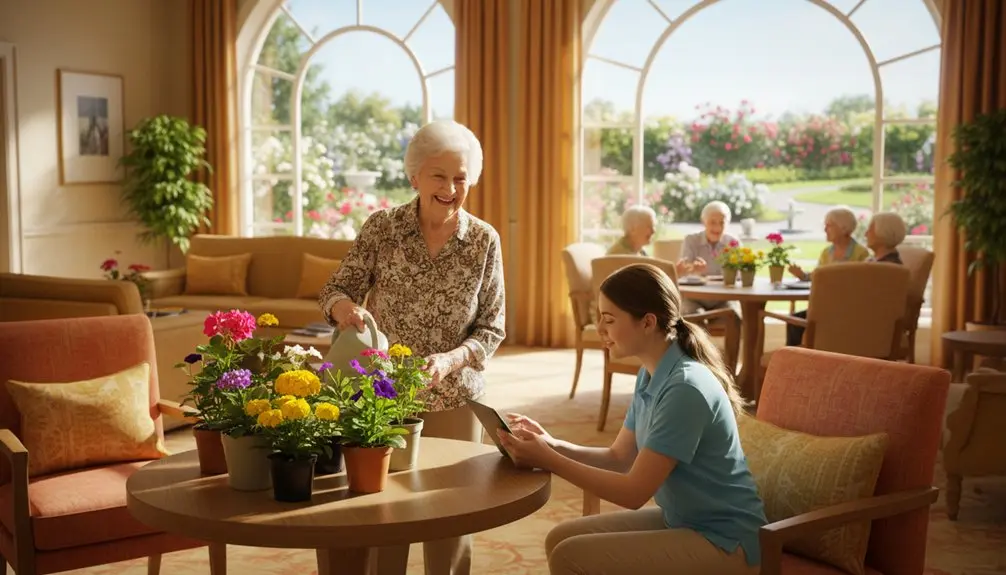
In a senior living community, the environment is intentionally designed to encourage connections among residents while allowing for personal choice regarding social interactions. Communal areas and shared mealtimes provide natural opportunities for residents to engage with one another. Additionally, a range of activities is often available, catering to various interests and preferences.
This approach respects the diverse needs of older adults, whether they seek solitude or companionship, enabling them to decide how and when to connect with others. To facilitate comfortable relationship-building, many communities implement specific strategies, such as:
- Common Areas: Designated spaces for relaxation and socialization, such as lounges or gardens, where residents can gather informally.
- Group Activities: Organized events and classes that cater to different interests, allowing residents to participate at their own comfort level.
- Meal Times: Shared dining experiences that encourage conversation and camaraderie among residents.
- Personalized Engagement: Opportunities for one-on-one interactions with staff or volunteers, which can help residents feel more connected without pressure.
When exploring different senior living options, consider how each community fosters social connections and what specific strategies they employ to ensure that all residents feel included and comfortable.
Key Takeaways
- Many senior living communities create inviting communal spaces, such as lounges and gardens, to encourage spontaneous interactions among residents. These areas can help foster a sense of community and belonging.
- Mealtimes are often structured as key social touchpoints, allowing residents to become familiar with one another and engage in relaxed conversations over shared meals.
- Communities typically establish low-pressure social norms, which enable residents to interact briefly without feeling obligated to engage in lengthy conversations. This can help reduce anxiety for those who may be shy or new to the environment.
- Staff members and resident ambassadors may provide personal outreach to enhance comfort levels and encourage voluntary participation in community activities. This personal touch can help residents feel more connected and engaged.
- Flexible scheduling of activities allows residents to participate according to their individual preferences and comfort levels. This flexibility can accommodate varying energy levels and interests, ensuring that each resident can engage at their own pace.
The Importance of Resident Choice in Social Participation
Prioritizing resident choice in social participation is vital for creating a fulfilling environment in senior living communities. When older adults are empowered to engage in activities that align with their personal preferences and needs, it fosters a sense of autonomy and dignity. This approach not only enhances their quality of life but also promotes meaningful connections among residents.
Here are some key considerations regarding resident choice in social participation:
- Voluntary Participation: Allowing residents to choose whether to join planned activities or pursue independent interests creates an atmosphere of voluntary engagement. This flexibility is especially important for seniors who may experience fatigue or cognitive changes, as it respects their diverse needs. Regular social engagement reduces depression and anxiety risks, ensuring that residents feel supported in their choices.
- Personal Preferences: It’s essential to invite residents to participate based on their individual preferences. This helps them feel valued and included in the community. Understanding how autonomy is maintained is a crucial aspect of this process.
- Enhanced Sense of Belonging: Providing options that reflect personal desires can strengthen relationships among residents, contributing to a more enriching experience within the community.
When researching senior living options, consider how each community approaches resident choice in social participation. You may want to ask questions such as:
- What types of activities are available, and how are they tailored to residents’ interests?
- How does the community ensure that participation is truly voluntary and respects residents’ autonomy?
- What measures are in place to accommodate residents with varying energy levels or cognitive abilities?
Creating Diverse and Interest-Based Activity Options
Creating diverse and interest-based activity options is important for fostering engagement and connection among residents in senior living communities. A variety of structured and unstructured activities, such as music, crafts, and gardening, can cater to different interests and abilities. Personalizing these options allows residents to explore shared passions, which can spark conversations and build friendships. The need for long-term care is expected to double over the next two decades, highlighting the importance of these connections. Additionally, incorporating interactive technology can enhance the engagement experience by allowing seniors to connect with family and participate in virtual activities from the comfort of their homes.
Diverse activity options in senior living communities foster engagement, spark friendships, and cater to varying interests and abilities.
Consider the following when researching activity options in a community:
- Low-Pressure Formats: Look for communities that offer resident-organized games or informal sing-alongs, as these can encourage participation while respecting individual comfort levels.
- Accessible Activities: Check if the community provides tech-based experiences and tailored exercise programs, ensuring that everyone can join in, regardless of mobility or cognitive ability.
- Variety of Offerings: It’s beneficial to find communities that provide a range of activities. This variety can help residents feel more engaged and valued.
By thoughtfully planning diverse activities, senior living communities can create environments where every resident feels connected and involved in their community.
When evaluating potential homes, inquire about the types of activities available, how they’re personalized, and how often they change to meet the interests of residents.
Fostering Informal Everyday Interactions
Fostering informal everyday interactions is important for building a sense of community among residents in senior living environments. Creating inviting spaces such as lounges, cafés, and gardens can encourage brief conversations and spontaneous connections. These comfortable settings allow residents to share greetings, engage in short chats, or simply enjoy each other’s presence without feeling pressured. Central lobbies and accessible walking paths can facilitate chance encounters, while mealtimes often serve as essential social touchpoints that enhance familiarity and overall well-being. The presence of staff in communal areas supports these interactions, contributing to a warm and connected atmosphere. Mealtime experiences linked to residents’ personhood further illustrate the significance of these interactions in promoting well-being. Additionally, investing in social connections fosters a supportive environment where everyone thrives.
By emphasizing low-pressure social norms, residents may feel more included and connected, making every interaction, no matter how brief, a valuable part of their day. When considering a senior living community, look for those that prioritize opportunities for social engagement and informal interactions. Ask questions about the layout of communal spaces, the types of activities offered, and how staff members encourage socialization among residents. These factors can significantly impact the quality of life for older adults in these settings.
Promoting Autonomy and Privacy in Social Engagement
Encouraging social interactions in senior living communities, such as retirement homes, involves a careful balance of respecting residents’ autonomy and privacy. Providing residents with choices in social activities can enhance their dignity and overall well-being. Understanding individual preferences is essential; activities can often be tailored to align with what residents enjoy, whether that includes music, reading, or outdoor outings. It’s also crucial to recognize that perceived autonomy correlates with increased quality of life, which can motivate the personalization of engagement opportunities. Additionally, building community through group activities fosters connections among residents and enhances their support networks.
It’s also important for communities to offer private living spaces, allowing residents to retreat when they desire solitude. This setup fosters a sense of independence and personal space. Staff members should be attentive to residents’ needs for privacy, creating opportunities for voluntary socialization when residents feel ready to engage. Balancing social interaction with the need for privacy is key to enhancing quality of life. Each resident’s engagement needs can differ greatly, so honoring their autonomy is crucial in fostering a welcoming and supportive community.
When researching different senior living options, consider asking about how they promote both social engagement and privacy for residents, and how they tailor activities to meet individual preferences.
Encouraging Flexible Attendance for Individual Needs
While many residents enjoy social activities in senior living communities, it’s important to acknowledge that their needs and preferences can differ significantly. Flexible attendance options can help accommodate each person’s unique situation, allowing them to engage at their own pace.
Here are some considerations for flexible attendance:
- Scheduling Variety: Activities can be scheduled at different times to align with residents’ energy levels, medication routines, or personal care needs. This variety can enhance social engagement by providing more opportunities for connection.
- Partial Participation: Residents may arrive late, leave early, or attend only part of an event, which helps reduce any pressure to participate fully. Accurate attendance tracking ensures that staff can make informed adjustments to care plans based on resident participation.
- Attendance Feedback: By analyzing attendance data, staff can adjust activity times based on resident preferences, ensuring that programming aligns with their interests rather than assuming disinterest. Creating a supportive environment that prioritizes individual needs helps foster genuine connections among residents while respecting their personal boundaries and choices.
This approach can significantly enhance the overall experience in a senior living community, making it a more comfortable and engaging place for all.
Low-Barrier Invitations for Inclusive Participation
Creating low-barrier invitations is important for fostering inclusive participation in senior living communities. It’s essential to ensure that participation remains voluntary, allowing residents to choose whether to accept or decline invitations without feeling pressured.
By offering a variety of options, communities empower residents to make meaningful choices that align with their interests and preferences. Engaging in intergenerational activities provides opportunities for residents to connect with younger generations, enriching their social experience.
When developing invitations, it’s helpful to use welcoming language that conveys an open invitation rather than an obligation. This approach helps make it clear that all residents are welcome to participate, regardless of their decision to engage in the activity.
Personal outreach can significantly enhance participation. Familiar faces, such as staff or resident ambassadors, can help residents feel more comfortable and connected to communal activities.
Providing accessible information in diverse formats—such as bulletin boards, one-on-one conversations, and community newsletters—ensures that all residents are informed about available options. Additionally, DSpace technology supports the dissemination of research findings, which can be useful for understanding best practices in community engagement.
Creating inviting environments with informal entry points can help newcomers engage without anxiety. This strategy encourages connection among residents and fosters a sense of inclusion within the community.
When researching care options, consider how these practices can support the social well-being of residents and promote a sense of belonging within the community.
Designing Activities for Varied Abilities and Interests
Designing activities that accommodate a range of abilities and interests is vital for promoting engagement and connection among residents in senior living communities. Person-centered programming can reflect individual preferences, past experiences, and cultural backgrounds.
To create an inclusive environment, consider offering a variety of activities, such as:
- Music: This can include sing-alongs, music appreciation sessions, or even instrument lessons.
- Gardening: Engaging residents in planting or tending to gardens can be therapeutic and foster a sense of accomplishment, as well as support physical activity that enhances overall health.
- Crafts: Providing options for different skill levels and materials can encourage creativity.
- Exercise: Tailored fitness classes, like chair yoga or gentle stretching, can be beneficial for various physical abilities.
It’s important to ensure that activities are adaptable to different physical and cognitive abilities. This can be achieved through flexible formats, such as simplified instructions and varied task complexities, which encourage participation from all residents. Moreover, engagement in social activities can significantly enhance residents’ overall well-being and quality of life.
Regularly assessing residents’ preferences is also key. As interests and needs evolve, adjusting activities accordingly can help maintain engagement and satisfaction.
Strengthening Community Cohesion to Combat Loneliness
Strengthening community cohesion in senior living communities, particularly in retirement homes, plays a crucial role in addressing loneliness among residents. Here are some key considerations to keep in mind when researching care options:
- Resident-Led Governance: Empowering residents to have a say in community priorities can enhance their sense of belonging. Look for communities that encourage resident participation in decision-making processes.
- Direct Communication with Leadership: Effective communication channels with community leaders can help ensure residents feel respected and engaged. This is an important factor to evaluate when considering different options.
- Shared Spaces for Interaction: Communities that offer inviting shared spaces, such as lounges and gardens, provide residents with informal opportunities to engage socially. These settings allow for personal choice regarding social interaction, which can help reduce feelings of isolation. Additionally, meaningful social participation creates a sense of connectedness and belonging, enhancing the quality of life associated with meaningful social involvement.
- Encouragement of Neighborly Support: Some communities foster neighbor networks that promote emotional bonds among residents. This can be beneficial in creating a supportive environment where residents collaborate and make decisions together.
- Respect for Individual Preferences: A vibrant community atmosphere that recognizes and respects individual preferences for solitude or social interaction is essential. When evaluating options, consider how each community balances these needs.
These strategies contribute to a sense of community that can significantly alleviate loneliness among older adults while honoring their autonomy and preferences.
Understanding the Health Benefits of Social Connection
While many individuals understand the significance of social connections, the substantial health benefits they offer can often be overlooked, especially when considering senior living options. Engaging with others is crucial for enhancing physical health. Research indicates that older adults with strong social ties may have a 50% higher chance of survival. Furthermore, social engagement can reduce the risk of conditions such as coronary heart disease and stroke, as isolation has been linked to greater mortality rates. Notably, loneliness and social isolation are also associated with cognitive decline, underscoring the importance of maintaining social connections. Additionally, friendships encourage active involvement through shared hobbies and volunteer work, which can further enhance well-being.
In terms of emotional health, regular social interactions can improve overall well-being and help alleviate symptoms of depression, which is an important consideration when evaluating care settings. Mentally, staying connected with others supports cognitive function and may even help lower the risk of dementia.
Additionally, social connections can lead to improved sleep quality and encourage healthier lifestyle choices, which are vital for maintaining wellness in later years. When exploring senior living communities, consider the opportunities they provide for residents to foster relationships and build a supportive network. This can significantly contribute to both physical and emotional health for everyone involved.
As you evaluate different care options, here are some factors to consider regarding social connections:
- Community Activities: Look for communities that offer various social events and group activities to encourage interaction among residents.
- Supportive Staff: Inquire about staff training and their role in facilitating social engagement among residents.
- Transportation Options: Check if the community provides transportation for outings that can help residents connect with others outside the community.
- Common Spaces: Assess the availability of communal areas where residents can gather and socialize.
Empowering Residents Through Resident-Led Initiatives
Building strong social connections is vital for the health and wellbeing of older adults and can enhance their empowerment within their communities. Participating in resident councils can provide valuable opportunities for residents to express their opinions about daily operations and policies that affect their lives. Additionally, the effectiveness of these councils is often influenced by administrative support, which can enhance residents’ ability to engage meaningfully. Resident-led clubs empower seniors to shape their social circles, fostering inclusion and respect.
Engaging in peer-led activities, such as exercise programs or discussion groups, allows residents to share their skills and interests while also fostering camaraderie. This collaborative approach can help develop a sense of belonging and encourage everyone to contribute according to their preferences and capabilities. Activities like crafting groups and game nights provide opportunities for laughter and bonding, creating supportive networks among participants.
When considering a senior living community, it’s important to understand the available supportive structures that may enable residents to influence decisions that matter to them. Look for communities that embrace resident-led initiatives, as these can cultivate a vibrant and inclusive atmosphere where residents feel valued and connected.
As you research care options, consider asking potential communities about:
- Opportunities for residents to participate in decision-making processes
- Availability of peer-led activities and social engagement programs
- Support systems in place to encourage resident involvement
Understanding these aspects can help ensure that the community aligns with the values and needs of its residents.
Frequently Asked Questions
How Can Residents Suggest New Activities or Programs?
Residents can suggest new activities or programs in their senior living community by engaging in various avenues that encourage participation and feedback. Here are some options to consider:
- Resident Councils or Committees: Many communities have resident councils or committees where residents can share their ideas in a supportive and collaborative environment. This can be an excellent platform to discuss potential activities or programs.
- Surveys and Feedback Forms: If you prefer to share your preferences anonymously, filling out surveys or feedback forms can be an effective way to voice your suggestions. Communities often use this feedback to tailor their offerings to resident interests.
- Interest Groups: Joining small interest groups can provide a space for like-minded residents to come together and propose new activities. This collaborative approach can help generate ideas that resonate with a broader group.
- Collaboration with Activity Staff: Working alongside the activity staff can facilitate the development of your ideas into actual programming. Staff members often welcome input from residents and can assist in organizing events that align with residents’ interests.
What Training Do Staff Receive to Support Social Connections?
Staff in senior living communities receive training focused on person-centered relationship skills that are essential for fostering trusting connections with residents. This training equips staff to engage in meaningful conversations that explore individual interests and life stories, allowing them to tailor their interactions based on each resident’s unique preferences and needs.
Key aspects of the training include:
- Respecting Autonomy: Staff learn to recognize and honor the autonomy and dignity of each resident, ensuring that social opportunities are offered without pressure.
- Building Trust: Techniques for establishing trust and rapport are emphasized, fostering an environment where residents feel comfortable and valued.
- Ongoing Support: Continuous coaching and mentoring are provided to staff, ensuring that these relational skills are consistently applied in daily interactions.
These training efforts aim to create an inclusive atmosphere that not only encourages genuine connections among residents but also enhances the overall quality of life within the community.
When researching senior living options, it’s important to inquire about the types of training staff receive, as this can significantly impact the level of care and connection your loved one may experience.
Are There Costs Associated With Participating in Activities?
Yes, there are costs associated with participating in activities at senior living communities.
While many social activities, such as game nights or walking groups, are typically included in your monthly fees, certain special classes or excursions may require additional payment.
It’s important to carefully review your resident agreement, as it provides details on what’s included in your fees and what might incur extra charges.
This understanding can help ensure that you’re aware of which activities you can enjoy without unexpected expenses.
Being informed about these costs allows for better planning and can enhance the overall experience within the community.
How Is Residents’ Feedback on Activities Collected and Used?
Residents’ feedback on activities in senior living communities is collected through various methods, including satisfaction surveys, suggestion boxes, and resident councils. This allows residents and their families to express opinions either directly or anonymously, ensuring that everyone has an opportunity to share their thoughts.
Activity teams typically analyze this feedback to identify trends and preferences within the community. By understanding what residents enjoy or suggest for improvement, these teams can make informed adjustments to programming.
This feedback process is crucial, as it enhances the overall experience for residents and fosters a sense of belonging and community engagement.
When researching senior living options, it’s beneficial to inquire about how feedback is collected and utilized in the community you’re considering. Understanding the responsiveness of the staff to resident input can help you determine how well the community aligns with your or your loved one’s preferences and needs.
What Role Do Family Members Play in Residents’ Social Engagement?
Family members play a crucial role in supporting residents’ social engagement in senior living communities. Their involvement can significantly enhance the emotional well-being of older adults by providing companionship through regular visits, phone calls, and shared activities. This connection helps to reduce feelings of loneliness and isolation.
Understanding the preferences and personal histories of residents allows families to engage in meaningful interactions, fostering a sense of belonging and community. It’s important for family members to facilitate choices regarding activities and social events, as this empowerment can make residents feel valued and connected.
When researching senior living options, consider the following aspects regarding family engagement:
- Visitation Policies: Check the community’s policies on family visits and events to ensure opportunities for regular interaction.
- Activity Programs: Look for communities that encourage family involvement in activities, as these can enhance socialization.
- Communication: Assess how the community supports communication between residents and their families, such as through technology or organized events.
- Personalization of Care: Inquire about how the community tailors interactions based on residents’ interests and histories, which can improve their overall experience.
Finding a community that values family involvement can be an important factor in ensuring a supportive and engaging environment for older adults.