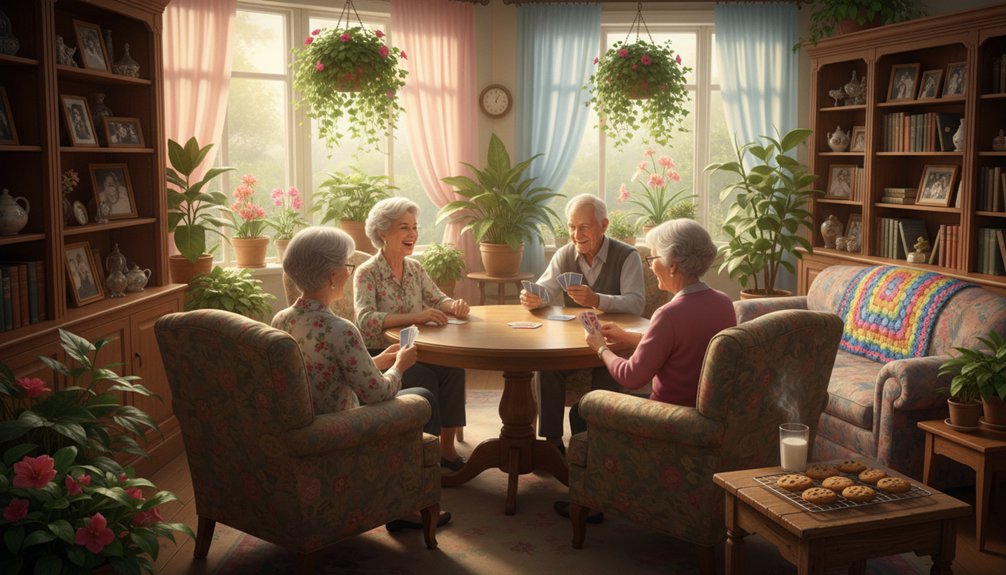
In a senior living community, respectful support plays a crucial role in promoting dignity and enhancing the well-being of residents. Prioritizing effective communication and encouraging resident autonomy can foster an environment where older adults feel valued and respected. This not only contributes to their emotional health but also supports their active participation in their own care.
When these principles are not upheld, the quality of life for residents can be significantly impacted. Here are some considerations to keep in mind while researching care options:
- Effective Communication: Look for communities that emphasize open dialogue between residents and staff. This can help ensure that residents feel heard and understood.
- Resident Autonomy: Consider how communities promote independence and support residents in making choices about their daily activities and care.
- Emotional Support: Investigate the emotional wellness programs offered. Engagement in social activities and support groups can enhance residents’ overall happiness.
- Personalized Care: Understand how care plans are developed and tailored to meet the individual needs of each resident.
- Community Culture: Visit potential communities to observe the interactions between staff and residents. A respectful and warm atmosphere can make a significant difference in the overall experience.
By focusing on these elements, you can better assess how well a community may meet the needs of yourself or your loved one, ensuring a positive living experience that values dignity and respect.
Key Takeaways
- Respectful support plays a vital role in enhancing the emotional well-being of residents in senior living communities, which can significantly improve their overall quality of life.
- Effective communication is essential in care settings, as it helps prevent feelings of alienation and promotes dignity during interactions with staff and caregivers.
- Person-centered care focuses on empowering residents to make choices about their daily lives, which can enhance their sense of autonomy and self-esteem.
- It is important for communities to provide training for staff in respectful communication. This training contributes to a safe and supportive environment, which is crucial for preventing issues such as abuse and ageism.
- Involving residents in care decisions fosters trust and enhances their emotional health, making them feel valued and respected within their home.
Understanding Person-Centered Care
Understanding person-centered care is crucial for individuals researching senior living options for themselves or loved ones. This approach emphasizes the importance of recognizing and respecting each resident’s unique needs, values, and preferences. By focusing on the whole person—physically, emotionally, socially, and spiritually—you can ensure that their individual identities are acknowledged and honored.
Understanding person-centered care is essential for honoring the unique needs and identities of residents in senior living communities.
Key aspects of person-centered care include:
- Supportive Relationships: Building connections with residents allows caregivers and staff to learn about their daily routines and what brings them comfort. This fosters a sense of belonging within the community and enhances emotional benefits through regular interactions with family.
- Cultural and Personal Considerations: Incorporating residents’ personal histories and cultural backgrounds into care practices can enhance their dignity and emotional security. Understanding these factors is essential in providing meaningful care.
- Holistic Approach: Addressing the overall well-being of residents means considering their physical health alongside their emotional and social needs. This comprehensive perspective can significantly impact their quality of life, as it aligns with the principles of person-centred care.
When researching senior living communities, it’s important to ask about how they implement person-centered care. Consider the following questions:
- How does the community ensure that care is tailored to individual preferences?
- What opportunities are available for residents to engage socially and maintain their routines?
- How does the staff incorporate residents’ cultural backgrounds and personal histories into their care plans?
The Role of Resident Autonomy
Recognizing the importance of person-centered care can lead to a deeper understanding of resident autonomy in senior living communities. Autonomy allows residents to make choices that reflect their own preferences, whether it’s related to daily activities or healthcare decisions. Valuing their rights to dignity and self-determination can significantly enhance their quality of life. Facilities must protect and promote resident rights to ensure that residents feel empowered in their decision-making processes.
Research indicates that when residents have greater autonomy, their overall wellbeing improves. Conversely, limited control may negatively impact emotional health. Encouraging residents to make decisions about everyday aspects of their lives, such as grooming, meal choices, and daily routines, promotes independence and self-esteem. Additionally, a supportive atmosphere fosters resilience and enhances overall well-being, allowing residents to thrive in their environment.
Supporting shared decision-making fosters an inclusive environment where residents feel respected and valued. While balancing autonomy with safety is crucial, allowing residents to maintain control over their lives can lead to more fulfilling experiences in the care setting.
When exploring senior living options, consider asking the following questions to better understand how a community supports resident autonomy:
- What opportunities do residents have to make choices about their daily routines?
- How does the community involve residents in healthcare decisions?
- Are there programs in place that encourage independence and personal preferences?
Understanding these aspects can help you choose a community that aligns with the needs and values of you or your loved one.
Importance of Respectful Communication
Effective communication plays a crucial role in senior living communities, particularly in creating a respectful environment for residents. Utilizing person-centered communication can significantly enhance the emotional well-being and quality of life of older adults, especially those living with dementia. Respectful interactions can help reduce feelings of agitation and anxiety, and they often promote greater participation in care activities. Research has shown that the use of Elderspeak can lead to negative health outcomes and increased distress among older adults. Personalized care plans ensure that communication strategies are tailored to individual preferences and needs.
When engaging with residents, it’s important to avoid elderspeak, which is patronizing language that may alienate them. Instead, address residents by name and provide clear, concise instructions. Incorporating personal stories or biographical elements into conversations can foster deeper connections and make interactions more meaningful.
Consider the following when researching senior living options:
- Communication Style: Look for communities that prioritize respectful and person-centered communication approaches.
- Staff Training: Inquire about the training staff receive in effective communication and person-centered care, as this can influence the quality of interactions with residents.
- Community Environment: Assess how the community fosters respectful communication among staff and residents, as well as between residents themselves.
Ultimately, understanding the importance of respectful communication can help you evaluate which senior living community will best support the needs and preferences of your loved one.
Preventing Abuse and Combating Ageism
While many seniors thrive in assisted living communities, it’s crucial to prioritize their safety and dignity by actively preventing abuse and combating ageism. Approximately 1 in 6 older adults experiences some form of abuse, while ageist attitudes impact nearly half of the global population. This situation is concerning, as 1 in 2 people globally exhibit ageist attitudes towards older individuals.
To ensure a respectful environment, consider the following:
- Understand Policies: Look for communities that have clear policies against all types of abuse, including physical, emotional, and financial. These policies should be visible and communicated to residents and their families.
- Staff Training: Inquire about the training provided to staff regarding the recognition of warning signs of abuse and ageism. Regular training can empower staff and residents alike to identify and address concerns effectively. Additionally, fostering meaningful friendships among residents can enhance their overall well-being and provide support networks.
- Reporting Channels: Ensure that there are accessible and confidential reporting channels for residents and families to voice concerns about mistreatment.
- Involve Residents: Engage seniors in discussions about their care and decisions affecting their lives. This involvement can help combat ageist attitudes and ensure that residents feel valued and heard.
By fostering a culture of respect and dignity, you can help create an environment where every resident feels safe, valued, and empowered.
When researching senior living options, consider how each community addresses these important aspects of care to ensure the well-being of your loved ones.
Supporting Health and Emotional Well-Being
Supporting health and emotional well-being in a senior living community is essential to enhancing the quality of life for older adults. Here are some key considerations for families and caregivers when exploring care options:
- Monitoring Health: Regularly observing vital signs, medication effects, and nutritional intake is important. This can help create a supportive environment that prioritizes physical wellness.
- Effective Communication: Coordinated communication among caregivers, residents, and families is vital. This ensures that everyone is informed and involved in care decisions, promoting a collaborative approach to health management.
- Encouraging Mobility: Safe exercise and fall-prevention measures can help reduce risks associated with isolation. Communities that promote mobility often foster a more active and engaged lifestyle for residents.
- Addressing Emotional Needs: Providing respectful listening and mental health support can be beneficial. Acknowledging the impact of loneliness on overall health is crucial in creating an emotionally supportive environment. Additionally, fostering social engagement through regular group activities can significantly enhance emotional well-being.
- Recognizing Changes: Observing changes in appetite, mood, or mobility can lead to timely interventions. This proactive approach helps residents feel secure and cared for.
Enhancing Quality of Life Through Choice
When older adults feel empowered to make choices about their daily routines, meals, activities, and care, their overall quality of life can improve significantly. Providing opportunities for residents to control aspects of their day, such as waking times, meal options, and leisure activities, fosters a sense of autonomy that enhances their satisfaction with life. In a senior living community, flexible routines can create a home-like atmosphere, which helps reduce the sense of institutional regimentation. For example, offering a restaurant-style dining experience where residents can choose their meals and dining companions not only promotes social interaction but also increases overall satisfaction with their dining experience. Additionally, planning activities based on individual interests and preferences can maximize engagement and participation. It is important to note that assisted living communities serve over one million people in the U.S., emphasizing the need for personalized care and choice. Furthermore, trained caregivers ensure that the support provided aligns with individual needs, fostering a more tailored approach to care. It’s beneficial to encourage feedback from residents to ensure that the community is catering to their desires, which contributes to a more person-centered approach to care. When evaluating senior living options for yourself or a loved one, consider the following aspects related to choice and autonomy:
- Daily Routines: Ask how flexible daily schedules are and what options are available for waking times and activities.
- Dining Experience: Inquire about meal selection and whether residents can choose their dining companions.
- Activity Planning: Understand how activities are tailored to individual interests and what types of programs are offered.
- Feedback Mechanisms: Find out how the community gathers input from residents to improve services and care.
Ultimately, prioritizing choice in daily life respects resident autonomy and can significantly enrich their living experience.
Ensuring Privacy and Dignity
Ensuring privacy and dignity in senior living communities is crucial for creating a respectful and supportive environment for older adults. When researching care options for yourself or a loved one, consider how privacy is prioritized in these settings.
Here are some practical aspects to look for:
- Respect for Personal Space: Staff should always knock and wait for permission before entering a resident’s room. This practice helps maintain personal boundaries and fosters a sense of respect.
- Use of Privacy Measures: During personal care tasks, the use of curtains or screens can help prevent unnecessary exposure, allowing residents to feel more secure and comfortable. Additionally, prioritizing privacy allows residents to recharge and enjoy daily lives.
- Private Living Spaces: Communities that offer private bedrooms and bathing areas often enhance residents’ dignity and overall comfort.
- Confidentiality in Communication: When discussing care needs, private locations should be utilized to safeguard residents’ personal information and confidentiality.
- Empathy and Communication: Clear communication and empathy are essential, especially during intimate care situations. Staff training in these areas can significantly impact the quality of care provided. Prioritizing adequate staffing and structural support for person-centered care is vital for ensuring dignity and respect in these environments.
As you evaluate senior living options, consider asking about these practices and how each community ensures the privacy and dignity of its residents.
Prioritizing these aspects can lead to a more trusting relationship between residents and caregivers, ultimately fostering an environment where seniors feel valued and respected.
Recognizing the Impact of Staff Training
Effective staff training is a crucial factor in improving the quality of care for residents in assisted living communities, particularly for those living with dementia. When communities invest in formal training for their caregivers, it can lead to significant enhancements in their ability to provide dementia care.
Research indicates that trained staff are more likely to have positive attitudes towards dementia care and possess greater knowledge about person-centered care. This training emphasizes the importance of communication skills and individualized support, which can lead to better interactions with residents. Additionally, high levels of training among staff have been reported, indicating a commitment to enhancing dementia care practices. By fostering self-care opportunities for caregivers, communities can further improve the overall care experience for residents.
Trained staff foster positive attitudes and enhance person-centered care, leading to improved interactions with residents.
By focusing on person-centered care, communities often see reductions in agitation and depression among residents, contributing to their overall well-being. Ongoing education for staff is vital, as it promotes safety and respect, ensuring that residents feel valued and supported in their daily lives.
When researching senior living options, consider asking about the training programs available for staff. Inquire about how the community emphasizes ongoing education and supports caregivers in their roles.
Understanding the commitment to staff training can provide insights into the quality of care that residents may receive.
The Value of Resident Feedback
While various factors contribute to the quality of life in senior living communities, resident feedback is a crucial element. It provides insights into daily experiences that standard measures may overlook, offering valuable perspectives.
For example, a survey conducted in 2025 revealed that 50% of residents felt their quality of life had declined after moving in. Conversely, a 2024 study in Texas found that 90.7% of residents reported satisfaction with their living arrangements. Encouraging and valuing feedback from residents can help address concerns about dignity, respect, and personal choice, ensuring that care aligns with their preferences. Notably, quality improvement initiatives in care homes emphasize the importance of gathering resident-level feedback to enhance care quality. Furthermore, family involvement in the care planning process significantly contributes to residents’ overall emotional and physical well-being.
Here are some effective methods for gathering feedback:
- Surveys: Regular surveys can assess resident satisfaction and identify areas for improvement.
- Focus Groups: These discussions provide a platform for residents to share their thoughts and experiences in a group setting.
Creating an environment where residents feel heard fosters respect and promotes continuous improvement within the community. Actively listening to residents can enhance the overall experience for everyone living in the community.
Organizational Accountability in Care Settings
Organizational accountability in care settings is essential for ensuring high standards of care and safety for seniors. When responsibility is clearly documented, it helps keep resident safety and care quality a priority.
Organizational accountability is crucial for maintaining high care standards and ensuring the safety of seniors.
Here are some key aspects to consider when evaluating a senior living community:
- Transparent Reporting Systems: Communities that implement clear reporting processes can learn from incidents and near misses. This focus on transparency can create a culture of continuous improvement.
- Regular Inspections and Quality Monitoring: Communities often conduct regular inspections and monitor key metrics, such as staffing levels and safety outcomes. Understanding how a community tracks these aspects can provide insight into their commitment to quality care. LTC Trend Tracker aids in monitoring progress on quality measures and performance targets, helping to identify areas for improvement.
- Defined Job Responsibilities and Training: It’s important that staff have clear job roles and receive competency training. This empowers caregivers to provide consistent, person-centered care, which is crucial for residents’ well-being.
- Addressing Complaints: A community that actively engages with resident concerns and complaints can foster trust and improve service quality. Inquiring about how a community handles feedback can be beneficial.
- External Accountability Measures: Communities that participate in external assessments or accreditation processes may provide added assurance regarding their care standards.
When researching care options, it’s helpful to ask about these elements as they can significantly impact the quality of life for older adults.
Every senior living community can offer different services and amenities, so understanding these factors can aid in making an informed decision for yourself or a loved one.
Frequently Asked Questions
How Can Families Be Involved in Resident Care Decisions?
Families can play a vital role in resident care decisions by providing important insights regarding a resident’s personal history, preferences, and needs. Engaging in service-plan meetings allows family members to ask questions, express concerns, and contribute to discussions about care plans.
When they’ve the appropriate authorization, families can help tailor care to better fit the resident’s evolving conditions and preferences. Collaboration with staff is essential in ensuring that decisions align with the resident’s goals, fostering a supportive and individualized care environment that respects their autonomy.
Here are some ways families can get involved:
- Participate in meetings: Attend service-plan meetings to discuss care options and share insights.
- Ask questions: Inquire about the care plan, services offered, and any changes that may arise.
- Suggest adjustments: Offer recommendations based on the resident’s changing needs or preferences.
- Share personal history: Provide context about the resident’s background that may influence care decisions.
What Are the Signs of Ageism in Assisted Living?
You may notice signs of ageism in senior living communities when residents are addressed with infantilizing language or when their preferences are overlooked.
Important indicators to watch for include:
- Staff making decisions without involving residents in the conversation.
- Dismissing residents’ opinions as mere confusion.
- Fixed schedules that limit personal choice and flexibility.
- Activities that don’t align with the interests of older adults.
If residents feel excluded from conversations or activities, it can indicate a disregard for their autonomy and contributions.
Recognizing these signs is crucial for ensuring that you or your loved one receives respectful and person-centered care in their new home.
How Do We Address Language Barriers With Residents?
To effectively address language barriers with residents in a senior living community, it’s important to consider their preferred language and communication needs from the outset, particularly during the intake process.
Here are some practical steps to facilitate clear communication:
- Document Preferences: Ensure that the preferred language of residents is recorded, along with any specific communication requirements they may have.
- Use Qualified Interpreters: For significant discussions, such as care planning or health-related conversations, engage qualified interpreters to assist in bridging any language gaps.
- Direct Communication: Always communicate directly with residents rather than through intermediaries. This fosters a more personal connection and helps ensure that residents feel heard.
- Simplify Language: Use clear and straightforward language. Avoid jargon or overly complex terms to make information more accessible.
- Allow Extra Response Time: Give residents additional time to respond. This consideration can be particularly important for those who may need time to process information or formulate their thoughts in a second language.
- Incorporate Teach-back Methods: Utilize teach-back techniques to confirm understanding. This involves asking residents to repeat or summarize the information in their own words to ensure clarity.
- Match Caregivers with Language Skills: When possible, pair residents with caregivers who speak their language. This can enhance comfort and improve the overall care experience.
- Seek Regular Feedback: Actively request feedback from residents regarding their communication experiences. Regular input can help improve the quality of interactions and support provided.
What Should Residents Do if They Feel Disrespected?
If you feel disrespected in your senior living community, it’s important to take steps to address the situation. Here are some practical actions you can consider:
- Document Your Experiences: Keep a record of your experiences by noting dates, times, and specific details about what occurred. This documentation can be helpful when discussing your concerns.
- Communicate Directly: Approach the staff or management to express your concerns. It’s important to ensure that your voice is heard and that you communicate how you feel disrespected.
- Seek External Support: If you don’t see any changes after addressing your concerns, consider reaching out to an ombudsman or a trusted advocate. These individuals can provide guidance on how to effectively address your issues and ensure your rights are upheld.
Are There Resources for Families to Learn About Resident Rights?
Yes, there are many resources available for families seeking to understand resident rights in senior living communities. Here are some valuable options to consider:
- Medicare’s Guide: One starting point is Medicare’s *Your Guide to Living in a Nursing Home*, which provides an overview of essential rights and protections for residents.
- State Ombudsman Offices: Each state has an ombudsman program that offers support and guidance tailored to your location. These offices can help you navigate concerns regarding resident rights and care quality.
- Family and Resident Councils: Engaging with family councils and resident councils within the community can facilitate discussions about concerns and help clarify policies that affect residents.
- Documentation: Keeping a record of interactions with staff and management can be beneficial in advocating for resident rights. This documentation can support your efforts in addressing any issues that may arise.