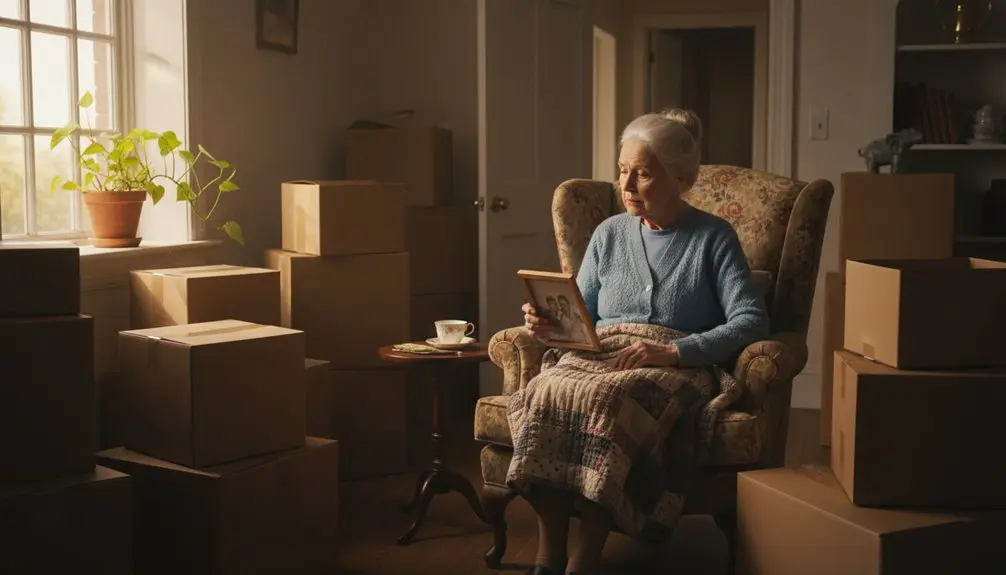
When maneuvering senior living options, you'll find several levels of care tailored to different needs. Independent living is for seniors who can live on their own, with services like housekeeping and meal preparation. Assisted living provides support with daily activities, while memory care is specialized for those with dementia, offering 24/7 monitoring and cognitive support. Skilled nursing care provides intensive medical support, including therapy and post-surgical care. Continuing Care Retirement Communities (CCRCs) allow seamless shifts between these levels, ensuring your needs are met as you age. Exploring these options further will help you make an informed decision about your care.
Key Takeaways
Independent Living: Designed for seniors who can live independently, offering maintenance-free environments with amenities like dining services and wellness facilities[BACKGROUND.).
Assisted Living: Provides support with daily activities, including meals, medication management, and personal care, while maintaining some independence[BACKGROUND].
Memory Care: Specialized care for individuals with dementia or Alzheimer's, featuring 24/7 monitoring, secure environments, and activities to support cognitive function[BACKGROUND].
Skilled Nursing Care: Offers extensive medical support, including therapy, medication management, and assistance with Activities of Daily Living (ADLs), for those with severe medical needs[BACKGROUND].
Progressive Care Transition: Life Plan Communities allow seamless transitions between care levels, ensuring continuous support and minimizing stress during changes in care needs[BACKGROUND].
Independent Living
Independent living is designed for seniors 55 and older who are mentally and physically capable of living alone without needing assistance with daily activities or 24/7 skilled nursing.
You can choose from various housing options, including apartments, cottages, condominiums, and single-family homes. This type of living offers a maintenance-free environment, with services like meal preparation, housekeeping, and laundry taken care of.
You'll have access to amenities such as dining services, transportation to appointments and errands, recreational and social spaces, fitness and wellness facilities, and even pools and spas.
Your lifestyle will be enriched with physical fitness classes, travel opportunities, and cultural events. Community events, games, and arts and crafts encourage socialization, while restaurant-style dining in a communal setting promotes health and social interaction.
With 24/7 security and emergency response systems, you'll feel safe and secure. If needed, you can also obtain third-party home health care services to support your independent lifestyle.
The cost of independent living is generally more affordable compared to other senior living options, with the average monthly cost for a one-bedroom apartment being around $2,750.
Assisted Living
Assisted living is designed for seniors who need support with daily activities but still value their independence. These communities offer a range of living spaces, from individual rooms and apartments to shared quarters, all designed to promote a home-like setting and independence.
Services are tailored to assist with daily living activities, including one to three meals a day, medication monitoring and administration, personal care like dressing and bathing, and housekeeping and laundry services.
Well-trained support staff are available 24/7 to guarantee residents' safety and well-being, and personalized care plans are created to meet each resident's unique needs. The primary goal of assisted living facilities is to offer 24-hour assistance with daily activities while maximizing residents' independence, privacy, and personal safety.
Social and recreational activities are provided to foster social interaction and engagement, along with access to communal areas, scheduled transportation, and various entertainment and wellness programs.
This balanced approach helps seniors maintain their independence while receiving the necessary support.
Levels of Care in Assisted Living
When determining the best fit for a senior's needs, understanding the various levels of care in assisted living is essential.
Level 1: Basic or Minimal Care** This level is designed for seniors who are largely independent but need some assistance. Services include help with getting dressed, bathing, grooming, medication reminders**, and transportation.
Residents often participate in social and recreational activities without extensive medical support and require little to no supervision for completing activities of daily living (ADLs). Basic housekeeping services are also provided.
Level 2: Intermediate or Moderate Care** At this level, residents require more assistance with daily activities and may have more complex health needs. Services include hands-on help with mobility**, intensive medication management, and coordination with external healthcare providers.
Residents can still feed themselves but may need help with other ADLs like dressing and grooming.
Level 3: Advanced or High Care** This level is for seniors with significant health issues or those requiring 24-hour supervision** and support. Thorough personal care, frequent health monitoring, and assistance with all daily activities are provided.
Staff are trained to handle more complex medical needs, and this level often includes specialized care for conditions such as dementia or Alzheimer's.
Level 4 and 5: High and Full Assistance** Level 4 involves help with basic activities like bathing, dressing, and meal preparation, with residents often having more health complications and memory impairments.
Level 5 requires thorough, specialized care for most tasks, including getting out of bed, taking medications, and dressing. Residents at these levels need more encouragement to participate in social activities and may have multiple caregivers for complex medical conditions.
The cost increases proportionally with the amount of care provided.
Memory Care Assisted Living
After understanding the various levels of care in assisted living, it's important to contemplate the specialized needs of seniors with memory-related conditions.
Memory care is designed for individuals with dementia, Alzheimer's disease, and other cognitive impairments. You can expect highly trained staff who receive advanced training in dementia care to address unique challenges such as wandering and aggression.
Memory care facilities provide 24/7 monitoring, secure environments with features like door alarms and motion-sensor lighting, and personalized care plans tailored to each resident's needs. These communities often have smaller living spaces, specialized amenities, and a structured layout to minimize confusion and promote safe navigation.
Activities are curated to support cognitive function through methods like music therapy and sensory stimulation. The higher cost of memory care reflects the intensive care and specialized services provided, including around-the-clock supervision and a higher staff-to-patient ratio.
Memory care residents also benefit from a more intensive level of care, which includes constant supervision to ensure their safety and well-being.
Skilled Nursing Care and Rehabilitation
Skilled nursing care and rehabilitation are essential components of senior living, offering extensive medical support for individuals who require intensive care and therapy. This level of care is provided by licensed nurses, therapists, and other medical professionals.
You can expect services such as medication management, pain management, and assistance with activities of daily living (ADLs) like dressing, bathing, and eating. Physical, occupational, and speech therapies are also available to help patients recover from surgeries, strokes, or other medical conditions.
Skilled nursing facilities offer 24/7 care, including post-surgical wound care, management of chronic diseases, and rehabilitation for orthopedic and acute medical conditions. These facilities often include specialized medical staff, laboratory testing, and imaging services to guarantee thorough care.
Patients typically stay in these facilities until they are well enough to return home, often meeting Medicare and Medicaid reimbursement criteria for their temporary medical care needs.
Continuing Care Retirement Communities (CCRCs)
Continuing Care Retirement Communities (CCRCs) are designed to provide older adults, typically over 55 or 60, with a thorough and seamless continuum of care.
These communities offer a range of housing options, including independent living apartments, assisted living units, and skilled nursing facilities. You'll pay a large upfront entrance fee and monthly service fees, which can vary widely depending on the community and amenities.
CCRCs, also known as Life Plan Communities, allow you to age in place with access to all necessary services. The levels of care include independent living with communal dining and amenities, assisted living for help with daily activities, memory care for those with dementia, and skilled nursing care for medical attention and rehabilitation.
Shifting between these levels is seamless, without the need for relocation. This model provides peace of mind, knowing your care needs will be met, and offers a range of amenities to promote social engagement and maintain independence. Additionally, these communities often include services such as housekeeping and local transportation to simplify residents' lives.
This model provides peace of mind, knowing your care needs will be met, and offers a range of amenities to promote social engagement and maintain independence.
Services and Amenities in Independent Living
When you choose an independent living option within a senior living community, you can expect a range of services and amenities designed to enhance your comfort, convenience, and overall well-being.
Housekeeping and linen services, along with dining plans and restaurant-style dining options, guarantee your living environment is well-maintained and your nutritional needs are met. Transportation services are available for doctor appointments, shopping, and other activities, while 24/7 security and support from trained staff provide peace of mind.
Amenities include fitness centers with classes like chair yoga and balance training, as well as beauty and barber salons.
You'll also find entertainment spaces, recreation rooms, and outdoor areas for socialization and relaxation. Health and wellness programs offer adapted fitness classes, balance training, and access to health seminars.
Community dining, social activities, and enrichment events foster a sense of community and social engagement, making your retirement years fulfilling and enjoyable. This lifestyle simplifies life by eliminating home and yard maintenance, allowing you to focus more on hobbies and new interests.
Activities and Social Engagement in Senior Living
Engaging in various activities and social engagements is essential for the overall well-being of seniors in living communities. Participating in activities like hiking, walking clubs, and group exercise classes helps maintain mobility, agility, and physical strength, enabling you to live independently for longer periods.
These activities contribute considerably to physical wellness and often include outdoor engagements like gardening clubs, which promote physical fitness and connection with nature. Regular physical activities, such as group exercise classes, enhance overall health and well-being.
Regular social interaction through activities such as classes, lectures, or interactive games prevents isolation, depression, and anxiety. These engagements foster connections, bring joy, and provide a sense of purpose and value, enhancing your mental and emotional well-being.
Communities offer a range of social events, volunteer opportunities, and community resources, including local parks and recreation programs, to guarantee you stay socially active and engaged.
Transitioning Between Care Levels
Shifting between care levels in senior living communities is a vital aspect of guaranteeing that residents receive the appropriate level of care as their needs evolve.
In continuum of care communities, changes are seamless, allowing you to move to different levels of care without leaving the community. A consistent team of caregivers, familiar with your history and preferences, supports you through these changes. Regular evaluations update your care plan, and your family is notified of any alterations.
Emotional support is provided to both you and your family to make the change smooth and stress-free. Day-to-day observations by the care team help identify changes in your needs, prompting necessary adjustments in your care plan, particularly in areas such as ADLs.
These communities guarantee you receive the right level of care at the right time, minimizing stress and upheaval. The consistent environment is essential for your emotional well-being, and coordinated care by a single team enhances the quality and continuity of care.
Families are supported and kept informed throughout the change process, guaranteeing everyone is involved in care plan updates.
Frequently Asked Questions
How Do I Determine if My Loved One Needs Assisted or Independent Living?
Determine if your loved one needs assisted or independent living by evaluating their ability to perform activities of daily living (ADLs) like bathing, dressing, and medication management. If they need help with these tasks, assisted living is likely the better option. If they can manage these tasks independently but want a maintenance-free lifestyle, independent living might be more suitable. Consider their medical needs, budget, and lifestyle preferences as well.
Can Pets Be Brought Into Senior Living Communities?
You can bring pets into senior living communities, but expect size and breed restrictions, limits on the number of pets, and requirements for vaccinations and good behavior. Pet fees and deposits may also apply.
What Are the Typical Payment Sources for Senior Living Communities?
You can pay for senior living communities using personal funds like savings, 401(k)s, and home equity. Public assistance options include Medicaid for certain services, Medicare for short-term medical care, and long-term care insurance. VA benefits and community-specific financial aid may also be available.
How Often Can Family Members Visit and Participate in Care Decisions?
You can visit your loved ones typically from 8:00am to 8:00pm, with no limit on visit length. Essential caregivers can visit for at least 2 hours daily, even in quarantine or isolation, with proper PPE.
Are There Any Tax Benefits Associated With Senior Living Community Costs?
You can deduct medical expenses for assisted living and memory care if they exceed 7.5% of your adjusted gross income. This includes costs for medical care, nursing services, and some meals and lodging, as long as your parent is a qualifying dependent and meets specific medical needs.