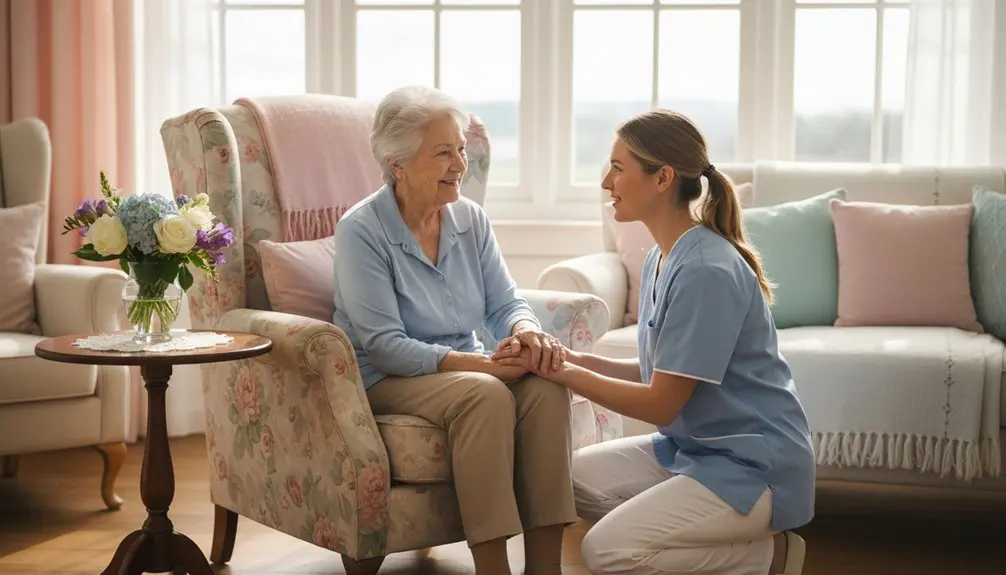
As a caregiver, it’s important to understand how daily assistance can significantly enhance a senior’s confidence. By providing help with mobility and personal care, older adults can navigate their daily routines with greater ease and security. This assistance not only reduces the risk of falls but also fosters opportunities for social interaction, which is vital for emotional well-being.
The advantages of daily support extend beyond mere safety. Here are some key considerations regarding how this assistance can promote independence and overall wellness for seniors:
- Mobility Support: Helping seniors move around safely in their homes or communities can encourage them to engage in activities they enjoy, enhancing their quality of life.
- Personal Care Assistance: Support with daily grooming and hygiene tasks can help seniors feel more dignified and capable, contributing positively to their self-esteem.
- Social Engagement: By facilitating social interactions, caregivers can help seniors maintain relationships and combat feelings of isolation, which can be common in later life.
- Sense of Independence: When older adults receive appropriate daily assistance, it can empower them to participate more actively in their own care, fostering a greater sense of autonomy.
When considering care options, it’s crucial to ask questions about the specific services offered, as these can vary widely among different senior living communities. Inquire about:
- The types of daily assistance available
- Staffing levels and caregiver experience
- Opportunities for social activities and community engagement
- Safety measures and fall prevention strategies
Understanding these factors can help families make informed decisions about the best care setting for their loved ones, ensuring that they receive the support needed to thrive.
Key Takeaways
Daily assistance with mobility and transfers can significantly enhance safety for seniors, helping to reduce the fear of falling and promoting greater confidence in their movement. This support can be vital for older adults who may feel unsteady on their feet or hesitant to engage in physical activities.
Engagement in social activities, with the help of caregivers, fosters connections among residents. When seniors feel included and valued within their community, it can strengthen their self-esteem and overall well-being. Social interaction is an important aspect of maintaining mental and emotional health.
Regular assistance with hygiene and personal care is another important factor. It promotes dignity and enhances overall appearance, which can increase confidence during social interactions. Feeling good about oneself often leads to a more positive outlook and willingness to participate in activities.
Home modifications and the use of assistive technology can create a more accessible living environment. These adaptations empower seniors to maintain their independence and feel more in control of their daily lives. This sense of autonomy can boost confidence in their ability to navigate their surroundings.
Consistent support and clear communication from caregivers are essential in building trusting relationships. When seniors feel secure in their care setting, they are more likely to engage in daily activities with confidence. It’s important for families to explore these aspects when considering care options to ensure that their loved ones receive the support they need to thrive.
Reducing Fall Risks Through Assistance
As individuals age, the risk of falling significantly increases, making daily assistance an important consideration for maintaining safety and independence in a senior living community or home environment. Statistics show that more than one in four older adults aged 65 and above experience falls each year, which can lead to serious injuries and hospital visits. To help reduce fall risks, it’s essential to focus on safe mobility and movement support. Here are some practical considerations:
As seniors age, prioritizing daily assistance is vital for ensuring their safety and preserving independence in living environments.
- Assistance with Transfers and Mobility: Offering help with transitions, such as getting in and out of chairs, navigating stairs, and moving across uneven surfaces, can significantly enhance safety.
- Addressing Physical Strength and Balance: Engaging residents in daily exercises, such as tai chi or strength training, can improve stability and reduce the likelihood of falls. Adults over 60 years of age suffer the highest number of fatal falls, highlighting the need for targeted support. Additionally, assisted living services often include structured physical activities designed to maintain and enhance mobility.
- Regular Health Checks: Encourage regular reviews of medications, as well as vision and hearing checks, since these factors can greatly influence an individual’s fall risk.
- Home Safety Modifications: Consider removing potential hazards within the living space, such as loose rugs, and improving lighting to create a safer environment for seniors.
When evaluating senior living options, families may want to inquire about the services and support available to assist with mobility and fall prevention. It’s important to understand that services can vary by community, so asking specific questions about safety measures, exercise programs, and how staff can assist with mobility is crucial for making an informed decision.
Promoting Independence at Home
Maintaining safety in the home is essential for seniors, but promoting their independence is equally important. Supporting older adults with daily tasks such as meal preparation, shopping, and medication management can help them maintain their autonomy. Approximately 37% of adults 65 and older report having a severe disability, highlighting the importance of tailored assistance strategies. Companion services are designed to enhance the quality of life for seniors by providing personalized support that fosters independence.
Here are some strategies to encourage independence while ensuring safety:
- Task Assistance: Instead of taking over tasks, consider using prompting techniques and step-by-step guidance. This approach enables seniors to complete activities on their own, fostering a sense of accomplishment.
- Home Modifications: Simple changes to the home environment can significantly enhance accessibility. Consider adjusting furniture, adding grab bars, or ensuring that frequently used items are within reach to make daily activities easier.
- Assistive Technology: Incorporating technology can help seniors manage chores and stay connected with family and friends. Devices like smart home systems, medication reminders, or communication tools can support their independence.
- Community Engagement: Providing reminders or assistance with errands allows seniors to participate in their communities, helping them feel less dependent and more connected.
When exploring care options, it’s important to consider how each community supports residents’ independence. Services can vary widely, so ask about their approach to helping seniors maintain autonomy and what specific supports they offer.
Enhancing Personal Care and Hygiene
Enhancing personal care and hygiene is important for older adults as it contributes to their health, confidence, and comfort. Regular washing of the face, hands, and body can help prevent skin issues and infections. It’s generally advisable for seniors to bathe at least twice a week, ensuring thorough drying, especially in skin folds, to minimize irritation. Additionally, bathing assistance can provide a supportive and safe environment, making the process more comfortable for seniors.
Daily tooth brushing and support with grooming tasks can improve overall appearance and dignity. Maintaining good oral health is crucial for safeguarding physical strength and supporting immune function. When considering a senior living community or care setting, it’s crucial to create a safe bathroom environment. Features such as grab bars and nonskid mats can significantly reduce the risk of falls, promoting safety and independence.
To help seniors maintain their personal hygiene routines, consider these factors:
- Familiarity with Products: Using familiar personal care products can make the process more comfortable for residents.
- Gentle Support: Providing assistance in a respectful manner enhances the experience without compromising dignity.
- Routine Maintenance: Encouraging regular routines can help older adults feel more in control of their personal care.
Combating Social Isolation
Many seniors experience social isolation, but there are practical strategies to help foster meaningful connections. Here are some ways to support older adults in maintaining social engagement:
- Regular Communication: Scheduling regular visits or phone calls can provide predictable contact, which helps seniors feel less alone and more connected. Additionally, meaningful social interactions can significantly improve emotional health and overall well-being.
- Assistance with Daily Tasks: Helping with meals or errands not only offers practical support but also creates natural opportunities for conversation, encouraging companionship.
- Accompaniment to Activities: Joining seniors for appointments or community events can help break down barriers to participation, making them feel more included.
- Shared Activities: Engaging in activities such as walks, crafts, or games in a comfortable setting can promote interaction and strengthen bonds. Strong social bonds have been shown to contribute to healthier, safer communities, which can further enhance seniors’ quality of life.
It’s important to respect seniors’ preferences and independence, as this empowers them while addressing their social needs.
Your consistent support can significantly enhance their well-being, reducing the risks associated with isolation and loneliness, and ultimately improving their quality of life.
Consistent support can greatly improve seniors’ well-being, alleviating isolation and enhancing their overall quality of life.
When exploring senior living options, consider how communities facilitate social connections and support residents in maintaining an active, engaged lifestyle.
Building Emotional Security and Trust
Building emotional security and trust is an important aspect of care for seniors receiving daily assistance. A safe and supportive environment can significantly enhance their overall well-being. Here are several key considerations for fostering this type of environment:
- Consistent Routines: Establishing predictable routines can help reduce uncertainty and promote a sense of security for older adults in their homes or care settings. When caregivers arrive on time and adhere to familiar care routines, it reinforces trust. Additionally, strong social ties can further enhance feelings of security and belonging among seniors.
- Effective Communication: Clear explanations of tasks and attentive listening to residents’ concerns are vital. This approach demonstrates respect and helps seniors feel valued. Caregivers should take the time to ensure that residents understand what’s happening and why.
- Involvement in Care Decisions: Empowering residents by involving them in their own care decisions is crucial for maintaining their independence. This practice not only fosters emotional reassurance but also enhances their sense of control over their daily lives. Studies show that home care service satisfaction significantly influences older adults’ sense of security.
- Emotional Reassurance: Offering support and encouragement during daily tasks can greatly improve the emotional well-being of seniors. Simple gestures of reassurance can make a significant difference in their comfort levels.
- Building Relationships: Developing strong, trusting relationships between caregivers and residents is essential. Demonstrating reliability and effective caregiving skills can boost residents’ confidence and create an atmosphere of genuine care.
When exploring senior living options, it’s important to observe how these elements are integrated within a community. Each community may vary in its approach to providing emotional support, so consider asking staff about their strategies for building trust and emotional security.
Frequently Asked Questions
How Can Daily Assistance Improve Mental Health for Seniors?
Daily assistance can significantly enhance the mental health of seniors by addressing feelings of loneliness and isolation. Regular check-ins and companionship can help foster meaningful connections, which may alleviate symptoms of depression and anxiety.
When evaluating senior living options, consider communities that offer support with daily tasks and routines. This assistance can reduce stress and help residents maintain a sense of competence in their daily lives.
Additionally, it’s important that the community you choose helps residents access mental health resources. This access ensures that seniors receive timely support, contributing to a more fulfilling and stable emotional life.
Here are some key factors to consider when researching daily assistance options for seniors:
- Companionship Programs: Look for communities that prioritize social interactions and activities to foster friendships among residents.
- Support with Daily Tasks: Assess how assistance with daily living activities is provided, as this can greatly influence residents’ well-being.
- Access to Resources: Inquire about the availability of mental health resources and how the community facilitates access to these services.
- Staff Training: Consider the training and experience of staff members, as well-qualified personnel can make a significant difference in the quality of care and support provided.
What Types of Activities Can Caregivers Help Seniors With?
Caregivers play a vital role in supporting seniors with a range of activities essential for their well-being and quality of life. Their assistance can encompass various tasks, including:
- Personal Care: Caregivers often help with bathing, dressing, and grooming, which are important for maintaining personal hygiene and dignity.
- Mobility Support: Ensuring seniors can move safely within their home or community is crucial. Caregivers can provide physical assistance or guidance to enhance mobility and reduce the risk of falls.
- Household Assistance: Many caregivers help with daily chores, including cleaning and laundry, as well as meal preparation, which contributes to a comfortable living environment.
- Medication Management: Caregivers can assist with organizing and reminding seniors to take their medications on schedule, which is important for managing health conditions.
- Social Engagement: Encouraging social interaction and participation in recreational activities is another essential aspect of caregiving. Caregivers may facilitate outings, walks, or hobbies that promote a sense of community and engagement.
When considering care options for yourself or a loved one, it’s important to recognize that services may vary by provider. Some caregivers may offer a broader range of support, while others may focus on specific tasks.
It can be beneficial to ask potential caregivers about their specific services, experience, and how they can cater to the unique needs of the older adult in question. Understanding these aspects can help ensure that seniors receive the appropriate care and support in a setting that feels comfortable and familiar to them.
How Do Caregivers Ensure Safety During Personal Care Routines?
Caregivers play a crucial role in ensuring safety during personal care routines for seniors by actively monitoring the environment and using appropriate supportive tools. Here are some key practices that promote safety:
- Home Modifications: Installing grab bars in bathrooms and hallways, and providing non-slip mats can help prevent falls, which are a common concern for older adults.
- Mobility Assistance: Caregivers often assist residents with mobility aids, such as walkers or canes, to enhance their stability and independence.
- Hygiene Practices: Maintaining proper hygiene is essential. Caregivers should practice effective handwashing and wear gloves as needed to protect both themselves and the seniors they care for.
- Clear Communication: Caregivers should communicate each step of the personal care routine clearly. This helps residents understand what to expect and fosters a sense of trust.
- Respect for Privacy: Respecting residents’ privacy and dignity is vital during personal care. Caregivers should ensure that individuals feel comfortable and secure throughout the process.
- Individualized Care: Routines should be adapted to meet the unique needs of each resident. This personalization can greatly enhance comfort and safety.
- Regular Monitoring: Frequent checks for any signs of discomfort or risk are important. Caregivers should be attentive to changes in a resident’s condition and respond promptly to any concerns.
By implementing these practices, caregivers can help ensure that older adults remain safe and comfortable during essential personal care activities.
When researching senior living options, it may be beneficial to inquire about how caregivers are trained to support these safety measures in different care settings.
What Qualifications Should Caregivers Have to Assist Seniors?
To effectively assist seniors, caregivers typically hold at least a high school diploma or equivalent and have undergone specialized training in key areas such as personal care, safety, and emergency response.
Depending on the state, caregivers may also be required to obtain specific certifications and undergo background checks to ensure the safety of residents.
When selecting a caregiver, it’s important to consider their qualifications and personal attributes. Strong communication skills and empathy are essential, as they help build trust and rapport with older adults.
Caregivers should also be punctual and observant, which contributes to providing attentive and respectful care, allowing seniors to feel secure and valued in their daily routines.
As you explore care options, keep in mind that the qualifications and training of caregivers may vary by community or care setting.
This variability can affect the level of care your loved one receives, so it’s beneficial to inquire about the specific qualifications and training protocols of caregivers in any potential community.
How Can Family Members Support the Role of Caregivers?
Family members can play a vital role in supporting caregivers who provide essential assistance to older adults. Here are some practical ways to offer that support:
- Share Responsibilities: Actively participate in caregiving tasks to help distribute the workload. This collaboration can significantly reduce stress and prevent caregiver burnout.
- Create a Shared Schedule: Establishing a clear plan for caregiving duties can help ensure tasks are balanced among family members. This approach can lead to a more organized and manageable care environment.
- Encourage Regular Breaks: Caregivers need time to recharge. Encourage them to take regular breaks, whether it’s a few hours away or a longer respite, to maintain their well-being.
- Check In on Well-Being: Regularly ask about the caregiver’s physical and emotional health. This simple act can help them feel supported and understood.
- Participate in Support Groups or Training: Suggest joining caregiver support groups or attending training sessions. These resources can provide valuable information and emotional support.
- Maintain Open Communication: Keeping lines of communication open among family members is crucial for effective caregiving. Discuss any changes in the care plan or the needs of the older adult to ensure everyone is on the same page.
- Recognize Their Efforts: Acknowledging the hard work and dedication of caregivers can help them feel valued. Simple gestures of appreciation can go a long way.