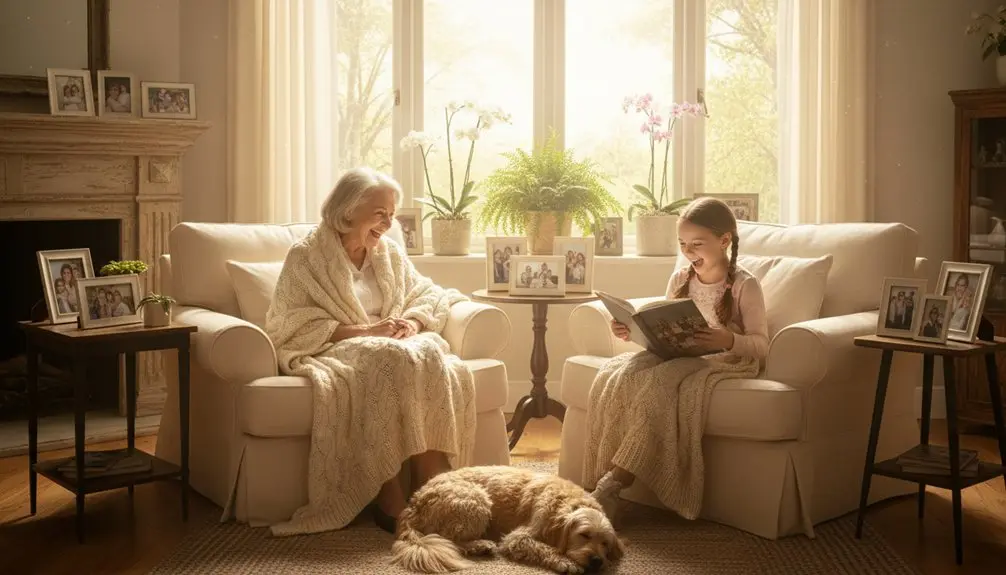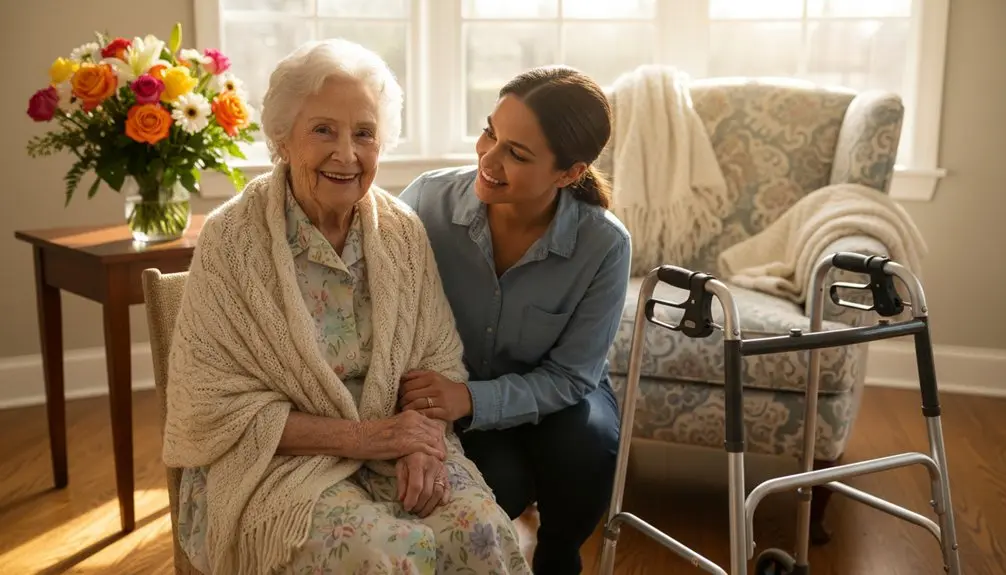
In senior care, comfort, familiarity, and kindness are vital components that significantly enhance the quality of life for residents. By prioritizing these elements, care settings can create an environment that alleviates both physical pain and emotional distress. Familiar routines and personal touches are particularly beneficial for older adults, especially those experiencing cognitive challenges, as they help to minimize confusion and anxiety.
Understanding the impact of comfort, familiarity, and kindness can transform trust and communication between caregivers and residents. Here are some key considerations for families exploring senior living options:
- Comfort: Look for communities that focus on creating a warm and inviting atmosphere. This can include comfortable living spaces, personalized care plans, and an overall environment that promotes relaxation.
- Familiarity: Consider how the community implements familiar routines. A consistent schedule can help residents feel more secure and reduce feelings of disorientation, especially for those with memory issues.
- Kindness: Observe how caregivers interact with residents. A compassionate approach fosters trust and encourages open communication, which is essential for effective care.
When researching care options, it’s important to ask the following questions:
- How does the community ensure residents feel comfortable in their surroundings?
- What types of routines are established to promote familiarity?
- Can you provide examples of how staff demonstrate kindness and compassion in their daily interactions with residents?
Keep in mind that services and amenities can vary widely among senior living communities. Therefore, it’s wise to visit potential options, engage with staff, and assess how each community aligns with your loved one’s needs and preferences.
Key Takeaways
- Comfort plays a vital role in enhancing the quality of life for older adults. By addressing pain and emotional distress, it can promote better daily functioning and overall well-being.
- Familiarity with surroundings and daily routines can significantly reduce stress and confusion, especially for seniors living with dementia. This sense of familiarity often leads to greater engagement and independence in their daily activities.
- Kindness is essential in fostering trust and improving communication between residents and caregivers. A warm, respectful approach allows for more personalized care and can strengthen the connections that enhance the care experience.
- Person-centered care that respects the autonomy of seniors empowers them to make decisions about their lives, which can significantly enhance their dignity and sense of self-worth.
- A supportive community that prioritizes comfort, familiarity, and kindness can greatly contribute to both the emotional and physical health of residents. When researching senior living options, consider how these elements are integrated into the care setting and how they align with the needs of your loved one.
The Role of Comfort in Enhancing Quality of Life
Comfort is a vital aspect of enhancing the quality of life for older adults. Understanding how to prioritize comfort can help address issues such as pain, emotional distress, and challenges in daily functioning, ultimately leading to improved well-being. Each resident may have different comfort needs based on factors like age, gender, and health status. When researching senior living options, consider the following strategies that communities may implement to promote comfort:
Comfort plays a crucial role in improving the quality of life for older adults, addressing pain and emotional distress effectively.
- Proper Positioning: Ensuring residents are positioned comfortably can alleviate discomfort and prevent strain.
- Temperature Adjustments: Maintaining a pleasant temperature in living spaces is crucial for comfort.
- Gentle Movement: Encouraging light physical activity can help ease stiffness and promote overall mobility. Regular social engagement improves mental and physical health, reducing depression and anxiety risks.
Creating a soothing environment is also important. Look for communities that make thoughtful adjustments in:
- Lighting: Soft, adjustable lighting can help create a calm atmosphere.
- Noise Levels: Minimizing excessive noise can contribute to a more peaceful living experience.
Comfort-focused care not only addresses physical symptoms but also supports emotional health. This holistic approach allows older adults to engage more fully in their lives and activities. Additionally, the integration of palliative care in long-term facilities can significantly enhance comfort and quality of life for residents facing serious illnesses. When evaluating various senior living communities, it may be helpful to ask about their specific comfort care strategies and how they tailor these to meet the individual needs of their residents. Your attention to comfort and care can significantly impact the quality of life for yourself or your loved ones.
Familiarity: A Key to Reducing Stress and Confusion
When researching senior living options, particularly for residents with dementia, it’s important to understand the role that familiarity plays in enhancing their well-being. Creating homelike environments can significantly contribute to reducing stress and confusion. Here are some key considerations to keep in mind:
- Homelike Environments: Look for communities that prioritize creating spaces that feel familiar and comfortable. A homelike setting can help residents feel safer and more at ease. Incorporating cherished photos and mementos can enhance the emotional connection to the space.
- Predictable Routines: Consistent daily routines can help limit confusion and allow residents to engage in familiar tasks. Inquire about how the community structures their daily activities.
- Consistent Caregivers: Familiar caregivers can provide reassuring cues that strengthen connections and support effective communication. It’s beneficial to ask about staff turnover and the training they receive.
- Personal Belongings: Communities that encourage residents to bring personal items such as photographs and meaningful objects can help reinforce identity and memory. This can make the transition into a new living environment smoother.
- Familiar Designs: Pay attention to the layout of the community. Familiar designs with clear landmarks can aid navigation and promote independence among residents. Incorporating homelike environments in design has been shown to enhance the well-being of residents with dementia.
By prioritizing these elements of familiarity in care settings, you can help ensure that residents thrive in an environment that supports their needs and preferences.
When evaluating different senior living options, consider how each community addresses these aspects to find a suitable fit for you or your loved one.
The Impact of Kindness on Trust and Communication
Kindness is a vital component in building trust and improving communication within senior living communities, particularly for older adults with dementia. Compassionate interactions signal safety and respect, which are essential for fostering emotional reliability.
Here are some key considerations for caregivers and family members when engaging with seniors:
- Attentive Listening: Taking the time to listen carefully and respond with patience helps to establish trust. This is particularly important in care settings, where effective communication can enhance the quality of care provided.
- Respectful Language: Using language that maintains dignity is crucial, especially during personal care routines. This approach can help reduce feelings of embarrassment and promote a sense of comfort.
- Personal Connection: Addressing residents by name and using clear, straightforward language can strengthen connections. Personalization in communication makes interactions feel more meaningful.
- Empathy: Demonstrating empathy encourages openness and allows caregivers to better understand the emotional needs of seniors. This understanding is key to providing supportive care. Patient-centered communication enhances engagement, reduces behavioral symptoms, and improves adherence to care plans. Additionally, assisted living communities often emphasize kindness in their care practices, which can significantly improve residents’ overall well-being.
- Reducing Distress: Kind and patient communication can alleviate distress for older adults, ultimately enhancing their well-being and overall quality of life.
When researching senior living options, consider how communities prioritize kindness in their care practices.
Look for environments where staff are trained to engage with residents compassionately, as this can significantly impact the experience of those receiving care.
Preserving Autonomy Through Person-Centered Care
Recognizing the role of autonomy in the lives of older adults is essential for effective person-centered care. Empowering seniors involves actively including them in daily decisions regarding their routines, personal care, and treatment options. This respect for their right to self-determination helps maintain their dignity and can significantly improve their quality of life. Additionally, it is crucial to acknowledge that falls are a significant public health concern for older adults, influencing their willingness to engage in certain activities. Facilities should also ensure compliance with fire safety regulations to protect residents while allowing them to maintain their independence.
When making decisions about care, it’s beneficial to engage in shared decision-making with healthcare professionals and family members. This approach ensures that residents feel valued and heard in their care journey. Providing meaningful choices in daily activities allows seniors to retain control over their lives, which can enhance their sense of independence.
It is also important to strike a balance between safety and independence. While residents should have the freedom to make informed choices, it’s crucial to consider any potential risks involved.
Here are some key considerations when exploring care options for older adults:
- Involvement in Decisions: Look for communities that encourage residents to participate in decisions about their care and daily activities.
- Supportive Environment: Find settings that provide a supportive atmosphere where seniors feel comfortable expressing their preferences.
- Safety Measures: Inquire about safety protocols and how the community addresses potential risks while still allowing for independence.
- Care Options: Understand the range of care services available, as these can vary by provider. This includes personal care, medical support, and assistance with daily living activities.
- Community Culture: Consider the overall culture of the senior living community and whether it aligns with the values and preferences of your loved one.
Ultimately, person-centered care focuses on nurturing autonomy and making every senior feel like an integral part of their care journey.
The Importance of Personalization in Care Environments
Personalization in care environments plays a vital role in enhancing the well-being of older adults by fostering a sense of belonging and comfort. When considering senior living options, look for communities that encourage residents to bring personal belongings, such as photographs and familiar decorations. This practice can help create a space that feels more like home, which can ease transitions into care and support a higher quality of life. Research has shown that higher perceived person-centered care is linked to increased life satisfaction among residents. Additionally, meaningful friendships formed within these communities can further enhance emotional well-being and reduce feelings of isolation.
Tailoring daily routines to individual preferences is another important aspect. Inquire whether the community offers flexibility in meal choices and activity timings, as this can reinforce a sense of continuity for residents. Additionally, it’s beneficial to consider the design of the community. Look for inclusive spaces that accommodate mobility needs and feature communal areas that promote social interaction and independence.
As you research care options, it’s essential to evaluate how each community builds care around the identity of its residents. Engaging with staff about their approach to personalization can provide insight into how they connect meaningfully with residents, which can significantly impact overall happiness and the sense of community.
When visiting potential communities, you may want to ask questions such as:
- How does the community encourage residents to personalize their living spaces?
- What options are available for customizing daily routines?
- Are communal areas accessible and designed to promote social engagement?
- How does the staff support residents in maintaining their personal identities?
Benefits of Comfort, Familiarity, and Kindness in Dementia Care
When researching care options for seniors with dementia, it’s important to consider how comfort, familiarity, and kindness can significantly impact their emotional well-being and overall quality of life. Here are some key aspects to keep in mind:
- Communication: Consistent reassurance through calm and clear communication can help alleviate fear and anxiety for residents. Look for communities where staff members are trained to communicate effectively and compassionately.
- Environment: Comfortable surroundings and familiar routines can greatly reduce confusion and agitation. Consider the physical layout of the community and whether it promotes a sense of security and ease for residents. Person-centred care emphasizes the importance of creating an environment that respects individual preferences and needs, which is crucial for supporting healthcare services in a senior living setting.
- Interaction: Engaging in compassionate interactions is vital. It not only shows respect for residents’ individuality but can also improve communication, making everyday tasks feel less intimidating. Ask about the community’s approach to building relationships with residents.
- Trust-building Techniques: Some care settings may use specialized approaches, such as the Humanitude method, which emphasizes gentle touch and eye contact to help foster trust and positive connections. Inquire if the community implements such practices.
- Emotional Support: The combination of comfort, familiarity, and kindness can significantly aid in emotional regulation, encourage social engagement, and enhance dignity among residents.
Evaluate how the community prioritizes these aspects in their care philosophy.
When assessing a senior living community, it’s essential to ensure that these elements are part of their care practices, as they contribute to a nurturing environment that promotes safety and well-being for those in their care.
The Influence of Care Environments on Resident Outcomes
The design of care environments significantly impacts the well-being and functional outcomes of seniors, particularly those living with dementia. When exploring options for senior living, consider the following aspects of the environment that can enhance residents’ quality of life:
- Home-like Settings: Environments that resemble a home often promote a sense of comfort and familiarity, which can lead to improved emotional well-being for residents.
- Small-scale Environments: These settings can provide a more personalized experience, allowing for better social interaction and support among residents.
- Open-plan Layouts: Such designs can encourage social engagement and make caregiving more manageable by fostering a community atmosphere.
- Thoughtful Features: Elements like appropriate lighting, accessibility, and green spaces can enhance residents’ comfort and create a sense of belonging.
- Clear Sightlines: Layouts that allow staff to easily see and monitor residents can lead to quicker responses to their needs, contributing to safety and security. This is particularly important as higher staffing levels are associated with better resident outcomes.
- Avoiding Clutter: Care environments that are well-organized and free of confusing layouts can support mobility and safety for residents.
- Privacy and Personal Space: Prioritizing these aspects empowers residents, helping to reduce anxiety and improve their overall experience.
When considering a senior living community, it may be helpful to ask questions about these design elements and how they align with your or your loved one’s needs.
Understanding how a care environment can influence daily life is essential in making an informed decision. Each community may offer different features and layouts, so taking the time to visit and assess these factors can be invaluable in ensuring the right fit for residents.
Overcoming Barriers to Effective Person-Centered Care
Overcoming barriers to effective person-centered care is important for improving the quality of life for seniors. Here are some key considerations to keep in mind when researching care options:
Overcoming barriers to person-centered care is vital for enhancing seniors’ quality of life.
- Communication: It’s essential that explanations about care are clear and accessible. Look for communities that prioritize open dialogue, ensuring that residents feel comfortable expressing their preferences and routines.
- Resident Preferences: A supportive environment allows older adults to share their individual needs and desires, even if they face certain limitations. Consider communities that actively encourage residents to participate in decision-making about their care.
- Staff Training: Workforce knowledge plays a significant role in person-centered care. Investigate whether the staff receives training focused on person-centered principles and how they address age-related biases. Research has shown that a lack of person-centered knowledge among healthcare providers can significantly hinder effective implementation of PCC.
- Staffing Levels: Meaningful interactions and relationship-building are fundamental to quality care. Inquire about staffing ratios and how communities ensure adequate support for residents.
- Organizational Policies: Look for communities with policies that prioritize resident autonomy and individual choice. These policies can significantly enhance the care experience, allowing for greater respect for each senior’s dignity and preferences.
The Significance of Teamwork in Implementing Care Principles
Effective teamwork plays a vital role in implementing person-centered care principles and can significantly enhance the quality of life for seniors. When exploring senior living options, it’s important to understand how collaboration among interdisciplinary teams—such as nursing, therapy, and social work—can address the diverse clinical, emotional, and personal needs of residents. A coordinated approach within these teams encourages open communication, which is essential for sharing important information about individual routines and preferences. This transparency can help ensure that residents feel respected and valued in their care setting.
Key considerations when evaluating a senior living community include:
- Caregiver Consistency: Establishing trust through consistent caregiver assignments can create a supportive environment. Inquire about how often caregivers are assigned to specific residents and how that impacts the quality of care.
- Active Listening: Understanding each resident’s goals is crucial. Check how the community fosters active listening among staff and how they incorporate resident feedback into care plans. Supportive atmospheres empower seniors to embrace change and enjoy life.
- Shared Responsibilities: A team approach means that everyone involved in a resident’s care is on the same page. Ask about how responsibilities are shared among caregivers and how that benefits residents. The integration of quality improvement processes is essential for enhancing the effectiveness of care delivery in these teams.
- Daily Practices: Consider how the principles of comfort, familiarity, and kindness are integrated into daily routines. This can include activities that promote engagement and well-being.
Frequently Asked Questions
How Can Families Contribute to Their Loved One’s Comfort in Senior Care?
Enhancing your loved one’s comfort in a senior care setting involves several thoughtful actions that can make a significant difference in their experience. Here are some practical ways families can contribute:
- Share Personal Histories and Preferences: Providing staff with insights into your loved one’s background, interests, and preferences can help create a more personalized care experience. This information allows caregivers to engage residents in meaningful conversations and activities that resonate with them.
- Maintain Regular Communication: Schedule consistent visits or phone calls to foster social connections. Regular contact not only supports emotional well-being but also allows you to stay informed about your loved one’s daily life and any changes in their health or mood.
- Engage in Shared Activities: Participating in activities together can enhance your loved one’s quality of life. Whether it’s joining them for a game, a walk, or a special event, these moments can bring joy and strengthen your bond.
- Participate in Care Planning: Be actively involved in discussions regarding care plans. Communicate any changes in your loved one’s condition or preferences to ensure that their care remains aligned with their needs and wishes.
- Offer Familiar Comforts: Bringing familiar items from home, such as photos, favorite blankets, or personal belongings, can help create a sense of security and belonging. These items can evoke pleasant memories and promote comfort.
- Practice Supportive Communication: Engaging in kind and respectful conversations can reinforce your loved one’s dignity and autonomy. Listen actively and encourage them to express their thoughts and feelings about their care.
What Are the Signs of Distress in Older Adults?
Recognizing signs of distress in older adults is crucial for ensuring their well-being. Common indicators may include:
- Persistent Sadness: A continuous feeling of sadness can signal emotional distress.
- Irritability: Increased irritability or mood swings might indicate underlying issues.
- Social Withdrawal: If a resident begins to isolate themselves from friends and family, it may be a cause for concern.
- Loss of Interest in Hobbies: A noticeable decline in interest in activities they once enjoyed can be a red flag.
- Changes in Appetite: Sudden shifts in eating habits, whether increased or decreased, can affect overall health.
- Sleep Pattern Changes: Difficulty sleeping or excessive sleeping can both be symptoms of distress.
Additionally, pay attention to:
- Abrupt Personality Changes: Significant changes in behavior or personality can indicate emotional or mental health challenges.
- Increased Conflict: More frequent disagreements or conflicts with others may suggest underlying distress.
- Concentration Issues: Struggles with focus or confusion can be signs that an older adult is facing challenges that need to be addressed.
If you observe any of these signs, it’s important to seek professional help.
Early intervention can significantly improve the quality of life for seniors and help them navigate any difficulties they may be experiencing.
How Do Cultural Backgrounds Influence Care Preferences?
Cultural backgrounds significantly influence care preferences for older adults, shaping expectations regarding support and communication. When researching senior living options, consider how these cultural factors may impact the quality of care.
Here are some key considerations:
- Family Involvement: Many individuals prioritize family engagement in their care. Assess whether the community encourages family participation and how they facilitate family visits and involvement in care decisions.
- Language Preferences: For those who feel more comfortable communicating in their native language, it’s important to find caregivers who can converse in that language. This can enhance understanding and trust.
- Culinary Traditions: Familiar foods can play a vital role in comfort and well-being. Investigate whether the community offers meal options that reflect residents’ cultural preferences and dietary needs.
Understanding these preferences is essential, as care that aligns with cultural norms can lead to increased comfort and trust in caregivers.
When evaluating different communities, consider how they accommodate diverse cultural backgrounds and how they can create an environment that respects and supports each resident’s unique identity and needs.
What Training Do Staff Receive for Person-Centered Care?
Staff in senior living communities undergo comprehensive training focused on person-centered care, which is crucial for creating a supportive and respectful environment for residents. This training typically includes:
- Individualized Care Planning: Understanding how to develop care plans that cater to the specific preferences and needs of each resident.
- Resident Choice: Emphasizing the importance of allowing residents to make choices about their daily lives and care.
- Whole-Person Assessments: Learning to evaluate residents holistically, considering their physical, emotional, and social needs.
- Active Listening and Communication: Training staff to listen attentively and communicate with respect, ensuring residents feel valued and understood.
- Dementia Awareness: Gaining knowledge about dementia and related behaviors to respond compassionately to residents facing these challenges.
- Strength-Based Support: Focusing on the strengths of residents rather than their limitations, which can enhance their autonomy and dignity.
- Teamwork: Collaborating with colleagues to create a cohesive support system that benefits all residents.
This training helps staff to foster an engaging and supportive community, making a meaningful difference in the lives of older adults.
When researching care options for yourself or a loved one, consider asking about the specific training staff receive, as this can significantly impact the quality of care provided.
How Can Technology Aid in Enhancing Comfort and Familiarity?
Technology can play a significant role in enhancing comfort and familiarity for older adults in senior living communities. Here are some ways it can be beneficial:
- Engaging Experiences: Virtual reality can be utilized to transport residents to meaningful places from their past, which may help evoke joyful memories and contribute positively to their emotional well-being.
- Communication Tools: Tablets and smartphones provide opportunities for regular video calls, allowing residents to maintain connections with loved ones, which is essential for emotional support and social interaction.
- Smart Home Devices: These devices can assist with daily routines and improve safety. For instance, smart lighting and temperature controls can be adjusted for comfort, while alert systems can enhance security.
- Personalized Interfaces: Technology can offer user-friendly interfaces tailored to individual preferences, making it easier for older adults to engage with the tools available to them.
When considering a senior living community, it may be helpful to ask about the technology options available, how they’re integrated into daily life, and whether staff are trained to assist residents in using these tools.