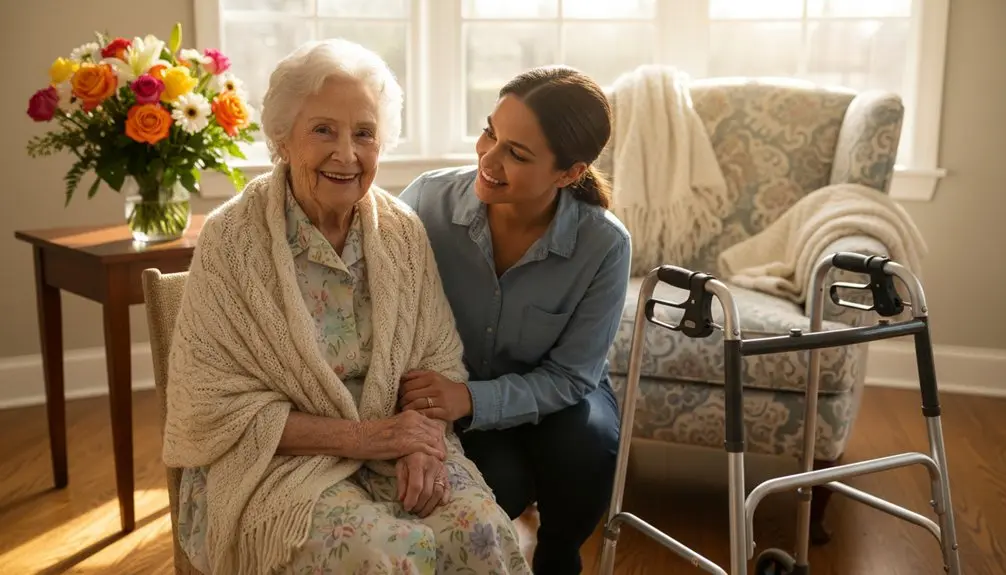
When exploring care options for seniors, the importance of a nurturing home environment cannot be overstated. Such an environment significantly contributes to the well-being of older adults, fostering their independence and enhancing emotional stability for both residents and their families. By establishing a supportive atmosphere, families can help reduce feelings of isolation and encourage meaningful connections among loved ones.
Creating this caring environment may involve thoughtful modifications to the home or the selection of a senior living community that aligns with the needs of the resident. Here are some considerations to keep in mind:
- Home Modifications: Evaluate the current living space for safety and accessibility. Simple adjustments, like installing grab bars, improving lighting, or removing tripping hazards, can make a significant difference.
- Community Environment: Research different senior living communities. Look for settings that prioritize a sense of community, where residents can engage in social activities and build relationships.
- Services and Amenities: Understand that services can vary widely between communities. Inquire about the range of services offered, such as meal plans, transportation options, recreational activities, and medical support.
- Staffing and Care Options: Investigate the staffing levels and qualifications of caregivers. It is essential to ensure that the community has adequate support for its residents, depending on their individual care needs.
- Emotional Support: Consider how a community provides emotional and social support. Programs that foster social interaction and mental wellness can greatly benefit the overall emotional health of residents.
By focusing on these aspects, families can make informed decisions that contribute to a caring and supportive environment for their loved ones. Understanding the nuances of different care options is key to finding the best fit for each individual’s needs.
Key Takeaways
- A caring home environment can significantly contribute to emotional stability for seniors, helping them maintain their independence and feel secure in their living space. When researching care options, consider how a community creates a nurturing atmosphere for its residents.
- Home modifications, such as installing grab bars or improving lighting, can enhance safety and accessibility. These changes can help reduce the risk of falls and promote autonomy among older adults. It’s important to ask potential providers about the specific modifications they offer to support residents’ safety.
- Strong family connections and regular communication within the home create a supportive atmosphere that can help combat feelings of isolation. When exploring senior living options, consider the community’s approach to fostering family engagement and support.
- Participating in shared activities and meals can strengthen family bonds and encourage meaningful interactions. Look for communities that facilitate such opportunities, as these can enhance overall happiness for residents and their families.
- Access to community resources and support networks can improve seniors’ quality of life. Understanding how a community connects families to local services can be beneficial in managing caregiving responsibilities. Be sure to inquire about available resources during your research process.
The Importance of Aging in Place
As individuals age, many express a strong desire to remain in their own homes, often due to the comfort of familiar surroundings that allow them to maintain their daily routines and relationships. Research indicates that about 75% of adults over the age of 50 prefer to stay in their current homes, which underscores the significance of aging in place. This choice can contribute to emotional stability and independence, often leading to higher life satisfaction compared to relocating to an institutional setting. Additionally, 50% of adults believe their communities won’t meet future needs as they age, highlighting the importance of proactive planning for aging in place. Personalized care options enhance the ability to age in place by providing tailored support to meet individual needs.
Aging in place can be supported through community resources that provide assistance while allowing older adults to maintain their autonomy. Family involvement can also be flexible, offering essential care and support without necessitating a move to a different living environment.
Community resources and flexible family support can empower older adults to age in place while preserving their independence.
To adapt your home for aging in place, consider the following:
- Home Modifications: Assess your home for safety and accessibility improvements, such as installing grab bars, improving lighting, or removing tripping hazards.
- Community Services: Look into local services that may include transportation, meal delivery, or in-home care assistance.
- Social Connections: Ensure that the necessary social supports are in place to maintain relationships with friends and family.
Enhancing Safety and Fall Prevention
Maintaining a safe home environment is crucial for older adults who wish to age in place. With approximately 30% of seniors over 65 experiencing falls each year, it’s important to identify and minimize potential hazards around the home.
Here are some practical suggestions to enhance safety:
- Remove Loose Rugs: These can easily cause trips and falls, so it’s best to eliminate them or secure them firmly to the floor.
- Improve Lighting: Ensure that all areas of the home, especially stairways and hallways, are well-lit to help prevent accidents.
- Secure Cords: Keep electrical cords and other potential trip hazards tucked away to create clear pathways.
- Install Stable Handrails: Handrails on stairs and in bathrooms can provide much-needed support when moving around the home. Additionally, utilizing accessible vehicles can help seniors safely navigate their surroundings when out and about.
- Maintain Stairs: Regularly check that stairs are in good condition and free of clutter.
- Keep Frequently Used Items Accessible: Store commonly used items within easy reach to avoid the need for stretching or climbing.
Additionally, consider incorporating exercise programs that focus on balance and strength. These programs can potentially reduce the risk of falls by approximately 15% and have shown moderate benefits in reducing the number of persons experiencing falls. By addressing these safety concerns proactively, you can help create a supportive environment that promotes independence and well-being for older adults.
Creating Accessible and Supportive Homes
Creating an accessible and supportive home is crucial for enhancing the quality of life for seniors and empowering them to maintain their independence. Incorporating universal design features can significantly improve daily living experiences.
Consider the following modifications:
- Wider Doorways: These can facilitate easier movement throughout the home, especially for those using mobility aids.
- Step-Free Showers: This feature reduces the risk of falls and makes bathing safer and more convenient.
- Grab Bars: Installing these in key areas, such as bathrooms, can provide seniors with stability and support.
- Lever Handles: These are easier to operate than traditional doorknobs, making it simpler for residents to open doors.
An accessible layout can minimize the need for assistance, which not only eases caregiver stress but also fosters a sense of autonomy for older adults. Furthermore, over 87% of adults aged 65 and older prefer to remain in their current home, highlighting the importance of making these modifications. Implementing sustainable living practices can also enhance the overall quality of life for seniors.
Smart technologies, such as alert systems and automated lighting, can further enhance safety and comfort within the home. By prioritizing these changes, you can create an environment that respects the dignity of seniors and supports their ability to age in place.
This thoughtful approach can enrich their lives and strengthen family connections. When exploring options for creating an accessible living space, it may also be helpful to assess the specific needs of the individual and consider how different modifications can address those needs effectively.
Fostering Social Connections and Emotional Well-Being
While many seniors value their independence, fostering social connections and emotional well-being is crucial for maintaining a fulfilling life. Creating a supportive home environment can significantly enhance a resident’s quality of life. Here are some practical ways to promote these connections:
- Encourage Regular Conversations: Engaging in regular discussions with residents can help them feel valued and connected. This can be as simple as asking about their day or sharing stories.
- Share Meals Together: Eating together can strengthen bonds and provide opportunities for meaningful interaction. Consider organizing family meals or communal dining experiences.
- Engage in Activities: Participating in activities, such as gardening or playing games, can boost self-esteem and help residents maintain their personal identity. Look for communities that offer a variety of engaging options, including those that provide volunteering opportunities to foster a sense of purpose.
- Maintain Family Ties: Keeping close family connections is important. Encourage visits and communication between residents and their loved ones to promote a sense of belonging. Additionally, supporting these connections can help mitigate the risks of social isolation, which affects about a quarter of older people.
- Promote Intergenerational Interactions: Inviting younger generations to participate in activities can create a vibrant atmosphere and foster mutual respect and understanding.
A welcoming atmosphere can nurture emotional resilience and enhance life satisfaction. Prioritizing these social connections can help protect against the health risks associated with isolation, ensuring a happier and healthier environment for older adults and their families.
When researching senior living options, consider communities that actively promote social engagement and emotional well-being through these practices.
Family Caregiving and Shared Responsibilities
As families consider options for senior living or care, sharing responsibilities among family members can significantly contribute to the well-being of everyone involved.
It’s important to recognize that you aren’t alone in this journey; many adults in the U.S. are also caring for seniors. 63 million Americans provided ongoing care for an adult or child with a complex medical condition or disability in the past year, representing nearly 1 in 4 adults and an increase of 20 million since 2015.
To ease the caregiving load, consider clearly defining tasks among family members, such as bathing, meal preparation, and medication management. Seeking help from assisted living communities can also provide additional support and alleviate some responsibilities.
Regular family meetings can help ensure that everyone is informed about care needs and safety concerns.
Creating written care plans is another practical step to ensure that essential responsibilities are addressed and that communication remains open.
This collaborative approach not only supports your loved one but also helps maintain your own health and well-being as a caregiver.
Addressing Financial and Community Considerations
Addressing financial and community considerations is crucial for families navigating the complexities of senior care. Many older adults experience housing cost burdens, with approximately 34% spending over 30% of their income on housing. Aging in place allows seniors to remain in their familiar surroundings, which can reduce anxiety and enhance their overall well-being. Home-care expenses can accumulate quickly, making it important to explore available public benefits. When considering financial assistance, review options such as Medicaid, Medicare, and local assistance programs, which may help cover costs related to home modifications that improve safety and accessibility. In-home care costs can range from home care expenses $21 to $50 per hour, emphasizing the need for financial planning. Transportation can also be a significant barrier to social engagement, potentially leading to increased feelings of loneliness among seniors. Engaging with Area Agencies on Aging can be beneficial as they provide resources and support to connect older adults with community services that enhance their quality of life.
Frequently Asked Questions
What Technologies Can Assist Seniors in a Caring Home Environment?
To support seniors in a caring home environment, various technologies can be beneficial. Here are some that you may want to consider:
- Medical Emergency Response Systems: These devices allow residents to call for help quickly in an emergency, providing peace of mind for both seniors and their families.
- Fall-Detection Sensors: These sensors can automatically alert caregivers or emergency services if a resident falls, which is crucial for timely assistance.
- Wearable Health Monitoring Devices: Wearable devices can track vital signs and health metrics, enabling caregivers to monitor residents’ health more effectively.
- Smart-Home Devices: Technologies like voice assistants, automated lighting, and security cameras can enhance both safety and comfort in the home environment.
- Telehealth Services: These services offer residents easy access to medical consultations without the need to travel, which can be particularly beneficial for those with mobility challenges.
- Communication Tools: Video calling platforms help seniors maintain social connections with family and friends, reducing feelings of isolation.
When exploring senior living options, it’s important to consider the specific technologies that a community may offer. Not all communities provide the same level of technological support, so it’s wise to inquire about the availability and functionality of these technologies when evaluating different settings.
Understanding the role of these technologies can empower seniors to live more independently while ensuring they receive the care and support they need.
How Can Neighbors Contribute to a Supportive Home Environment for Seniors?
Neighbors can play a significant role in fostering a supportive home environment for seniors. Their involvement can help enhance the quality of life for older adults and reduce feelings of isolation.
Here are some ways neighbors can contribute:
- Regular Check-ins: Simple, routine visits can provide companionship and allow seniors to express their needs or concerns.
- Assistance with Errands: Offering help with grocery shopping or picking up prescriptions can alleviate some of the burdens that seniors face.
- Transportation Support: Neighbors may assist with transportation to medical appointments, social activities, or community events, helping seniors maintain their independence.
- Organizing Community Activities: Engaging seniors in community gatherings or activities can encourage social interaction and create a sense of belonging.
- Sharing Meals: Inviting a senior to share a meal can foster connection and provide an opportunity for conversation.
Being attentive to the needs of older adults and offering practical assistance can create a safe and welcoming atmosphere.
This approach not only promotes independence but also supports overall well-being in a senior living community.
What Role Do Pets Play in Enhancing Emotional Well-Being for Older Adults?
Pets can play a significant role in enhancing the emotional well-being of older adults in various care settings. They often provide companionship, which can help reduce feelings of loneliness that some seniors may experience. The presence of a pet can create a daily structure through routines, such as feeding and walking, which may contribute positively to a resident’s overall sense of stability.
Interacting with pets can also offer affection and comfort, which is particularly beneficial during times of transition or life changes. Moreover, the responsibility of caring for a pet may encourage physical activity, as well as opportunities for social connections, both of which can foster a sense of purpose and joy in daily life.
When considering a senior living community or care option, it may be helpful to explore the following factors regarding pet policies and support:
- Pet-Friendly Policies: Check if the community allows pets and what types are permitted.
- Support Services: Inquire about available services for pet care, such as walking assistance or grooming.
- Community Activities: Look for opportunities that involve pets, such as pet therapy programs or social events centered around animals.
- Physical Activity Options: Consider how the presence of pets might encourage outdoor activities and exercise for residents.
Understanding the role that pets can play in emotional support can help families and caregivers make informed decisions about suitable living arrangements for their loved ones.
Each community may offer different levels of support regarding pets, so it’s advisable to ask specific questions and compare options based on individual needs and preferences.
How Can Home Design Encourage Intergenerational Interactions and Support?
Home design can play a significant role in fostering intergenerational interactions among residents and their families. By incorporating open communal spaces such as kitchens and living areas, communities can create environments where conversations and shared activities naturally occur.
When considering a home or care setting for older adults, it’s important to look for accessible layouts. Step-free entries and wide hallways can enhance safety and mobility for everyone, making it easier for residents, family members, and visitors to navigate the space comfortably.
Additionally, flexible private areas are essential as they allow residents to connect with family and friends while still maintaining their independence. This balance encourages a supportive atmosphere that can strengthen relationships across generations.
When researching options, consider the following aspects of home design that may impact intergenerational interactions:
- Communal Spaces: Look for homes that prioritize open areas for socializing and activities.
- Accessibility Features: Confirm that the design includes features that support mobility for older adults and visitors of all ages.
- Private Spaces: Assess how the layout allows for personal privacy while still encouraging family engagement.
What Community Resources Are Available for Seniors Needing Home Modifications?
There are several community resources available for seniors who need home modifications to enhance safety and accessibility. Understanding these options can help you or your loved one make informed decisions about necessary changes to their home environment.
- Local Area Agencies on Aging (AAAs): These agencies can provide valuable referrals and information about funding options for home modifications. They often have resources tailored to the needs of seniors in your area.
- Aging and Disability Resource Centers (ADRCs): ADRCs can assist seniors in accessing home-safety assessments and programs that identify specific modifications needed to improve safety at home.
- Eldercare Locator: This service can help you find local resources and support services for seniors, including home modification assistance.
- Federal Programs: Programs like the U.S. Department of Housing and Urban Development (HUD) offer Home Modification Programs, which may provide financial assistance for necessary home adjustments. Additionally, USDA loans are available for certain home improvements.
- Medicaid Options: Some states offer Medicaid programs that can help fund accessibility adaptations tailored to the specific needs of seniors.
When exploring these options, it can be beneficial to ask questions about eligibility, application processes, and the types of modifications that may be covered.
Each resource may have different criteria and support available, so it’s important to gather as much information as possible to ensure the best outcomes.