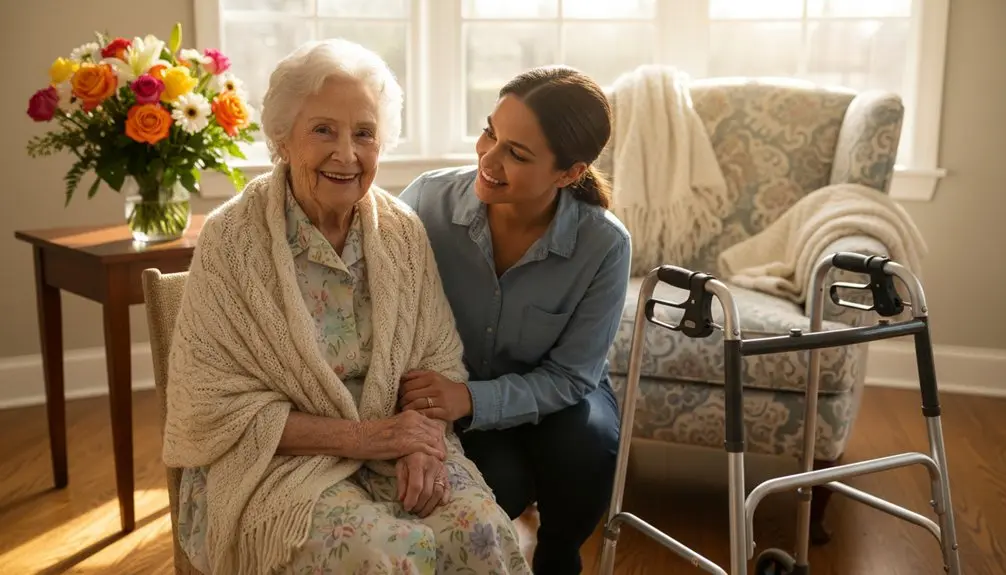
Simple daily routines can have a significant impact on the wellness of seniors. By integrating regular activities into their day, older adults can improve both their physical health and emotional well-being. These routines often provide a sense of structure, which can help reduce stress and promote greater independence.
When exploring senior living options or care settings, it’s essential to consider how flexible these routines can be in adapting to the changing needs of residents. Here are some key components that contribute to effective routines for maintaining wellness:
- Physical Activities: Regular exercise, such as walking, stretching, or participating in fitness classes, can enhance mobility and overall health.
- Social Engagement: Opportunities for social interaction, whether through group activities or communal dining, can foster connections and improve mood.
- Mental Stimulation: Activities that challenge the mind, such as puzzles, games, or educational workshops, can contribute to cognitive health.
- Routine Services: Access to services like meal preparation, housekeeping, and personal care can help residents maintain their independence and focus on their daily routines.
It’s important to ask questions when considering a senior living community, such as:
- How are daily activities structured?
- What flexibility is available to accommodate individual preferences or changing health needs?
- What types of programs and services are offered to support physical and emotional wellness?
Understanding these aspects can help families and caregivers make informed decisions about the best living arrangements for their loved ones.
Key Takeaways
Establishing simple daily routines can significantly benefit the wellness of older adults. By creating consistent schedules for meals, activities, and sleep, residents often experience reduced decision-making stress and improved memory, which contributes to their overall well-being.
In many senior living communities, routines that include regular physical activities can promote mobility, lower the risk of chronic diseases, and enhance mental health. Engaging in brain-stimulating activities as part of a daily routine can strengthen cognitive function and encourage greater independence among seniors.
Flexibility within these routines is also important. It allows residents to adapt to changing abilities, fostering self-sufficiency and encouraging ongoing participation in wellness practices. When considering care options for yourself or a loved one, it may be helpful to inquire about how daily routines are structured and how they can be personalized to meet individual needs and preferences.
Importance of Physical Activity in Daily Routines
Prioritizing physical activity in daily routines can significantly enhance the health and quality of life for older adults. Engaging in at least 150 minutes of moderate-intensity activities, such as brisk walking or gardening, can help reduce the risk of chronic diseases.
Prioritizing physical activity can greatly improve health and quality of life for older adults.
Additionally, incorporating muscle-strengthening and balance exercises at least twice a week may further support physical function and help prevent falls.
Consider introducing short bursts of activity throughout the day, such as climbing stairs or dancing, which can positively influence mood and cognitive health. These small movements can make a meaningful difference in overall well-being and can inspire a sense of community among residents. Regular physical activity (150 minutes weekly) reduces chronic disease risk and enhances overall well-being.
When exploring senior living or care options, it’s important to inquire about the physical activity opportunities available in the community. Here are a few points to consider:
- Types of Activities Offered: Ask about the variety of physical activities available, including group classes, individual programs, or outdoor options.
- Frequency and Scheduling: Understand how often these activities are scheduled and whether they fit into a resident’s daily routine.
- Support for Mobility: Inquire how the community supports residents with varying levels of mobility to ensure everyone can participate safely.
- Social Engagement: Look for options that encourage social interaction, as this can enhance the experience of physical activity.
- Access to Outdoor Spaces: Consider communities that provide access to safe outdoor areas for walking or other forms of exercise.
Establishing Healthy Sleep Patterns
Establishing healthy sleep patterns is important for older adults, as quality sleep plays a significant role in both physical and mental well-being.
It’s generally recommended that seniors aim for 7–9 hours of sleep each night. Maintaining consistent sleep-wake schedules can help support natural body rhythms. Going to bed and waking up at the same time each day can improve sleep quality and may help reduce issues like insomnia. Additionally, incorporating structured routines into daily life can lead to better overall sleep hygiene.
Creating a restful bedtime environment can also be beneficial. Consider limiting exposure to electronic screens before bedtime and ensuring that the bedroom is cool and quiet. Chronic sleep deprivation can lead to various health issues, so it’s essential for seniors to prioritize their sleep.
It’s worth noting that lighter sleep is common as people age. However, if persistent sleep issues such as insomnia or loud snoring arise, it’s advisable to discuss these concerns with a healthcare professional.
By developing healthy sleep habits, older adults can enhance their overall wellness and improve their quality of life.
For family members and caregivers researching care options, understanding the importance of sleep can help in evaluating the support and services offered in various senior living communities.
Nutrition and Hydration Strategies
Quality sleep lays a strong foundation for overall well-being, and nutrition and hydration play crucial roles in supporting the health of older adults. Here are some practical tips to help ensure your loved ones maintain proper nutrition and hydration:
- Hydration Needs: Encourage seniors to drink approximately 1.6 liters (about 54 ounces) daily for women and 2.0 liters (about 68 ounces) for men, even if they don’t feel thirsty. Staying hydrated is essential for bodily functions, as dehydration is prevalent among older adults. Regular hydration is vital for maintaining overall health and quality of life.
- Nutrient-Dense Foods: Incorporate foods rich in potassium, calcium, vitamin D, and fiber into their meals. These nutrients contribute to bone health, digestion, and overall vitality.
- Regular Protein Intake: Aim for a daily protein intake of 5–6.5 ounces, focusing on healthy sources such as fish, beans, and low-fat dairy. Protein is important for muscle maintenance and overall health.
- Hydrating Foods: Include hydrating foods in their diet, such as soups and fruits, which can help boost fluid intake.
- Monitor for Dehydration: Keep an eye out for signs of dehydration, such as dark urine or dizziness. Adjust fluid intake based on activity levels and individual health needs.
Ensuring that older adults are well-nourished and hydrated supports a vibrant and healthy lifestyle. Always consider individual preferences and dietary restrictions when planning meals and hydration strategies.
Enhancing Social Connections
Many older adults experience feelings of isolation, but enhancing social connections can significantly contribute to their overall well-being. Establishing regular phone calls or visits with family and friends can create reliable touchpoints that promote companionship and emotional support.
Simple interactions or shared activities, such as enjoying coffee together or taking walks, can help maintain vibrant relationships without requiring extensive planning. Engaging in community events or volunteering can also provide meaningful interactions while expanding one’s social network. These activities often foster a sense of purpose and belonging, which is essential for emotional health. Studies have shown that high social engagement is linked to lower mortality risk, further emphasizing the importance of these connections. Additionally, nurturing friendships boosts overall well-being and fills social calendars.
Utilizing calendar reminders can be a practical way to ensure consistent contact with loved ones, helping to create a routine that supports social engagement. It’s important to remember that these social routines not only enhance one’s social life but also encourage physical activity and accountability in health-related pursuits.
Actively seeking connections can mitigate feelings of loneliness and contribute to a healthier, happier life for older adults and those who care for them.
Supporting Cognitive Health and Independence
To support cognitive health and independence, establishing a daily routine can greatly benefit older adults. Creating a consistent schedule for wake times, meals, and activities helps reduce decision-making stress and can enhance memory. Incorporating physical activity, such as walking or gardening, is important as it can improve cardiovascular health and may help delay cognitive decline. Engaging in activities that stimulate the brain, like puzzles or learning new skills, can strengthen mental processes and keep the mind active. Additionally, regular exercise has been linked to a longer life and better quality of life, emphasizing its importance in daily routines. Practicing mind-body techniques such as Tai Chi or meditation can also promote mental well-being and resilience. Prioritizing good sleep and nutrition is essential for overall health. Maintaining regular sleep schedules and following a balanced diet—such as a Mediterranean-style diet—can potentially lower the risk of Alzheimer’s disease. It is also important to remain flexible with routines to accommodate changing abilities or preferences. These strategies not only promote cognitive wellness but also empower residents to maintain their independence in their daily lives.
Frequently Asked Questions
How Do Daily Routines Impact Emotional Wellness in Seniors?
Daily routines can significantly enhance emotional wellness for seniors. Establishing consistent patterns for activities like waking, eating, and socializing creates a comforting structure that fosters a sense of control and purpose. Engaging in regular activities, such as walking or participating in book clubs, can help reduce feelings of loneliness and improve overall mood.
In considering senior living options, it’s important to explore how various communities support daily routines. Here are a few factors to consider:
- Activity Programs: Look for communities that offer a variety of organized activities that encourage social interaction and engagement, which may include exercise classes, arts and crafts, or group outings.
- Meal Schedules: Consistent meal times can provide structure. Inquire about the dining options and whether they accommodate special dietary needs.
- Social Opportunities: Check how the community facilitates socializing among residents. Opportunities for group activities can help foster connections and reduce isolation.
- Staff Support: Understanding the level of support staff provides in maintaining daily routines can be crucial. Ask about how staff assists residents with their daily activities and promotes independence.
- Flexibility: While routines are beneficial, it’s also important that residents have the flexibility to modify their schedules based on personal preferences or health needs.
What Are Some Easy Exercises for Seniors to Start With?
To assist older adults in beginning an exercise routine, consider introducing simple activities that can be easily incorporated into their daily lives. Here are some practical exercises that may be beneficial:
- Walking: Start with short walks lasting 5 to 10 minutes. This can help improve cardiovascular health and boost mood.
- Chair Marching: This can be done while seated, making it accessible for those with limited mobility.
- Gentle Water Aerobics: Participating in water-based exercises can provide resistance while being easy on the joints.
- Slow Dancing: This enjoyable activity can enhance coordination and provide a social aspect to exercise.
- Stationary Cycling: Using a stationary bike can help build endurance and strengthen leg muscles.
For strength training, residents might consider:
- Sit-to-Stands: This exercise helps improve leg strength and balance by practicing getting up from a seated position.
- Wall Push-Ups: These are a modified version of traditional push-ups that can enhance upper body strength.
To improve balance, the following exercises may be useful:
- Supported Single-Leg Stands: Holding onto a sturdy surface while standing on one leg can enhance stability.
- Heel-to-Toe Walking: This exercise challenges balance and coordination.
It is important for seniors to engage in warm-up and cool-down routines to promote safety and minimize the risk of injuries.
These exercises can often be tailored to fit individual needs and capabilities, depending on the specific senior living community or care setting.
Always consult with a healthcare provider before starting any new exercise program to ensure it aligns with the resident’s health status and personal comfort levels.
How Can Caregivers Assist in Establishing Daily Routines?
Caregivers can play a vital role in helping seniors establish daily routines that cater to their individual needs and preferences. Here are some practical strategies to consider:
- Create a Consistent Schedule: Develop a daily routine that aligns with the resident’s natural preferences and rhythms. Consistency can foster a sense of security and familiarity.
- Utilize Reminders: Implement tools such as alarms, calendars, or reminder apps to assist in keeping track of daily activities and appointments. This can help residents stay organized and engaged.
- Introduce Changes Gradually: When modifications to the routine are necessary, introduce them slowly to minimize confusion. Sudden changes can be disorienting, so a gradual approach is often more effective.
- Ensure Flexibility: Life can be unpredictable, especially concerning health changes or appointments. It’s important to build some flexibility into the routine to accommodate such occurrences.
- Coordinate Personal Care Tasks: Organize daily personal care activities in a way that respects the resident’s dignity and preferences, ensuring they feel comfortable and supported.
- Encourage Social Interactions: Incorporate opportunities for social engagement, whether through group activities, communal dining, or visits with family and friends. Social connections are essential for enhancing overall well-being.
- Adapt Activities: Tailor daily activities to fit the abilities and interests of the resident, which can help maintain their engagement and promote a sense of accomplishment.
Are There Specific Routines to Improve Balance in Seniors?
To improve balance in seniors, consider incorporating specific routines that can be practiced regularly. Effective options may include:
- Tai Chi: This gentle form of martial arts focuses on slow, deliberate movements and can enhance balance and coordination.
- Single-leg stands: Practicing standing on one leg can help strengthen stabilizing muscles and improve overall balance.
- Heel-to-toe walking: This exercise involves walking in a straight line, placing the heel of one foot directly in front of the toes of the other, which can aid in stability.
It is generally recommended for older adults to engage in these exercises three times a week for optimal results.
Additionally, sit-to-stand exercises can be beneficial in strengthening lower-body muscles, which play a crucial role in maintaining balance.
When practicing these exercises, it’s important to ensure that seniors have support from a sturdy chair or countertop to prevent falls.
Regular, shorter sessions can help foster consistency and enhance balance over time, ultimately promoting greater confidence and mobility.
As you explore senior living options, consider how different communities may support residents in maintaining or improving their balance through structured activities and personalized care.
Always inquire about the specific programs and services offered to ensure they align with the needs of your loved one.
What Role Do Hobbies Play in Daily Wellness Routines?
Hobbies can play a significant role in the daily wellness routines of older adults. Engaging in meaningful activities may help lower the risk of depression, enhance recovery, and increase overall happiness. Activities such as gardening, reading, or engaging in crafts can reduce stress and foster social connections, contributing to a sense of purpose.
Incorporating hobbies into daily life can provide several benefits for seniors, including:
- Mental Stimulation: Engaging in hobbies stimulates the mind, which can improve cognitive function and memory.
- Physical Activity: Many hobbies encourage movement, helping to maintain physical health and independence as one ages.
- Social Connections: Participating in group activities or shared hobbies can strengthen social bonds, reducing feelings of isolation.
- Emotional Well-being: Engaging in enjoyable activities can lead to increased happiness and a greater sense of fulfillment.
When considering care options for yourself or a loved one, it’s important to explore how a senior living community may support residents in pursuing their hobbies.
Services and amenities can vary widely among communities, so it may be worthwhile to ask specific questions about:
- The types of activities offered.
- Opportunities for social engagement related to hobbies.
- Support for residents who may need assistance in participating in their chosen activities.
Understanding how daily routines, including hobbies, are integrated into care settings can help ensure that residents maintain a fulfilling and balanced lifestyle.