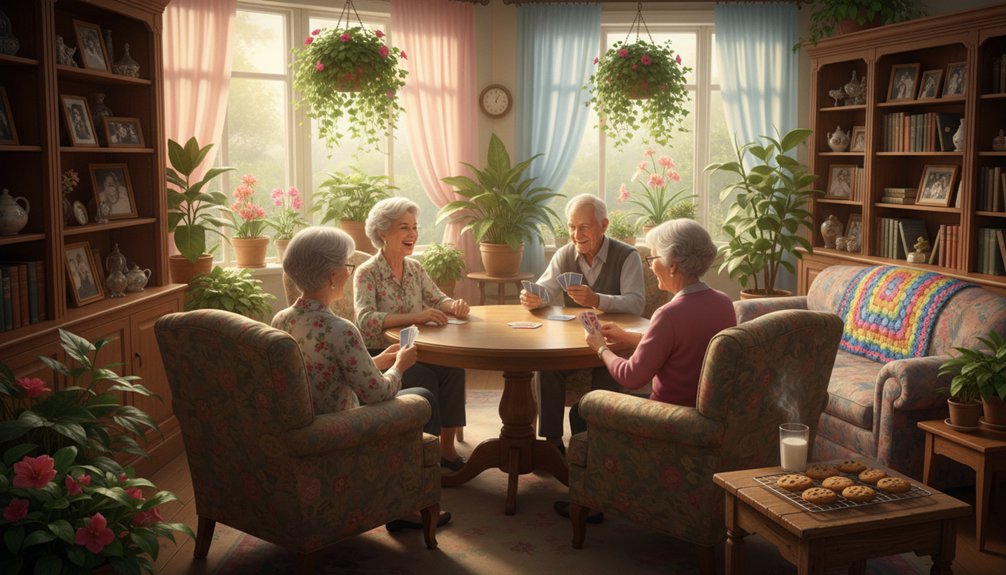
Every family needs a senior care checklist to guarantee their loved ones are safe and supported. Start by evaluating medical needs, including health conditions and daily challenges. Create a safe home environment by removing hazards and improving lighting. Don’t overlook emotional and social needs—engage them in conversations and encourage social interaction. Financial planning is essential too, along with understanding legal considerations. There’s much more to contemplate, so keep exploring how to best support your aging family members.
Key Takeaways
- Assess medical needs by gathering health information and evaluating daily challenges to identify support areas.
- Create a safe home environment by decluttering, improving lighting, and installing safety features like grab bars.
- Identify emotional and social needs by engaging seniors socially and monitoring signs of loneliness or depression.
- Plan financially by evaluating income, exploring funding options, and creating a budget for anticipated care expenses.
- Address legal considerations by establishing power of attorney, advance healthcare directives, and reviewing wills or trusts with an elder law attorney.
Evaluating Medical Needs for Aging Family Members
When you evaluate the medical needs of aging family members, it’s crucial to start by understanding their current health conditions.
Take time to gather information from their doctors, including recent diagnoses, medications, and any ongoing treatments. Ask them about their daily routines and any challenges they face, as this can help you identify areas where additional support might be needed.
Keep an eye on their mobility, nutrition, and mental health, as these factors greatly impact overall well-being. Additionally, be aware of their hydration levels, as proper hydration support is essential for maintaining energy and organ function in older adults.
Don’t hesitate to involve other family members or professionals for a well-rounded perspective.
Creating a Safe Home Environment for Seniors
Start by decluttering spaces to reduce trip hazards; remove loose rugs and make certain paths are clear. Install grab bars in bathrooms and consider non-slip mats in the shower.
Good lighting is important, so replace dim bulbs and add nightlights in hallways and bedrooms. Keep frequently used items within easy reach to minimize stretching or bending.
Confirm smoke and carbon monoxide detectors are functioning, and have a first aid kit readily available.
Regularly assess the home for potential hazards, and engage your loved one in discussions about their needs. Assisted living communities can provide additional support if the home environment becomes too challenging. A safe environment fosters independence and peace of mind.
Identifying Emotional and Social Needs for Seniors
A safe home isn’t just about physical surroundings; it’s also about emotional and social well-being. To truly support your senior loved ones, pay attention to their emotional needs. Engage them in conversations, listen actively, and validate their feelings.
Encourage social interactions by organizing visits with family and friends or exploring local community events. Look for signs of loneliness or depression, like withdrawal from activities they once enjoyed. Help them maintain hobbies or interests that spark joy; this can enhance their sense of purpose.
Additionally, consider companionship services or group activities tailored for seniors. By fostering these connections, you’ll create a nurturing environment that promotes their overall well-being and happiness. Your care can make a significant difference in their lives. Strong social ties improve mental and physical health, reducing loneliness and enhancing quality of life.
Financial Planning for Senior Care
While planning for senior care can feel overwhelming, addressing financial aspects early on can ease future stress.
Start by evaluating your loved one’s current financial situation, including income, savings, and potential assets. Explore various funding options like long-term care insurance, government programs, or personal savings to cover costs.
Create a budget that outlines anticipated expenses, including daily care, medical needs, and housing. Involve your loved one in discussions to understand their preferences and priorities.
Consider setting up a dedicated savings account for senior care expenses to keep funds organized. Open communication among family members will guarantee everyone is on the same page and can contribute to the financial planning process, making it a collaborative effort that honors your loved one’s needs. Additionally, it’s important to explore government and veterans benefits to maximize available support.
Legal Considerations in Senior Care Planning
Planning for senior care also involves managing important legal considerations. You’ll want to guarantee that your loved one has a durable power of attorney in place, granting someone the authority to make decisions if they can’t.
Discussing advance healthcare directives is vital, too; these documents outline their wishes for medical treatment. It’s also crucial to evaluate current and future health needs to ensure the legal documents align with their preferences and care requirements.
Don’t forget to review any existing wills or trusts to reflect their current needs and preferences. It’s wise to consult with an attorney specializing in elder law to navigate these complexities effectively.
Choosing Between In-Home Care and Assisted Living
Deciding between in-home care and assisted living can feel overwhelming, especially when you’re trying to find the best fit for your loved one’s needs.
In-home care offers personalized support in a familiar environment, allowing your loved one to maintain independence while receiving assistance with daily tasks. It’s often a great choice for those who value privacy and comfort.
On the other hand, assisted living provides a community setting with social interactions and organized activities, which can be beneficial for those needing more structured care.
Consider your loved one’s preferences, health needs, and social desires. Ultimately, it’s about ensuring they feel safe, supported, and engaged in their daily life. In-home care can also include specialized memory care, ensuring appropriate support for those facing cognitive challenges.
Trust your instincts; you know them best.
Maintaining Communication in Care Decisions
Effective communication is crucial when making care decisions for your loved one, as it guarantees everyone is on the same page regarding their needs and preferences.
Start by holding regular family meetings to discuss care options, concerns, and updates. Encourage open dialogue, allowing everyone to voice their thoughts and feelings.
Holding regular family meetings fosters open dialogue, ensuring everyone can share their thoughts and stay informed about care options and updates.
Listen actively to your loved one’s wishes, ensuring they feel valued and heard. Utilize tools like care journals or shared digital platforms to keep everyone informed.
Remember, being transparent about decisions fosters trust and strengthens relationships. Additionally, consider holding family care huddles to regularly align on caregiving complexities and ensure all perspectives are valued.
If challenges arise, don’t hesitate to seek outside help, whether from professionals or support groups.
Ultimately, maintaining clear communication leads to better care and a more supportive environment for your loved one.
Frequently Asked Questions
What Are the Signs That a Senior Needs More Care?
If you notice increased forgetfulness, difficulty with daily tasks, changes in mood, weight loss, or a decline in hygiene, it’s time to contemplate that your loved one may need more care and support.
How Can Families Cope With Caregiver Stress?
To cope with caregiver stress, you should prioritize self-care, seek support from friends or groups, set realistic expectations, and communicate openly with your loved ones. Remember, taking care of yourself benefits everyone involved.
What Resources Are Available for Senior Care Support?
You can explore local senior centers, online support groups, and community resources. Don’t forget about caregiver hotlines, educational workshops, and respite care options. These tools can lighten your load while enhancing your loved one’s experience.
How Do We Involve Seniors in Care Decisions?
Involve seniors by asking their preferences, encouraging open discussions, and respecting their choices. It’s essential to listen actively and incorporate their input, fostering a sense of control and dignity in their care decisions.
What Are Common Myths About Senior Care?
Many believe seniors can’t participate in decisions or need constant care. Others think aging means losing independence. In reality, involving seniors fosters empowerment, and many maintain their autonomy with the right support and resources.