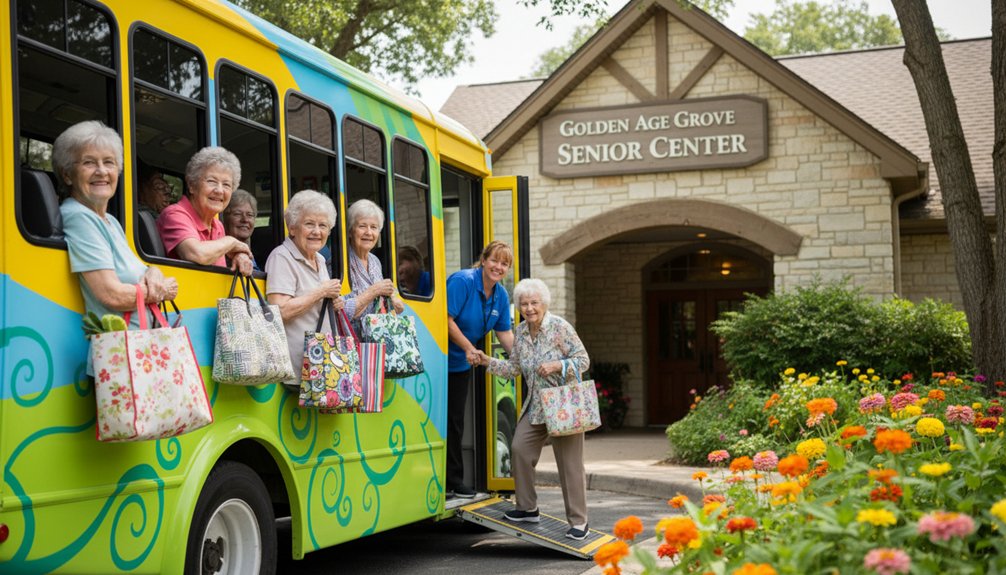
In retirement, maintenance-free living can provide a valuable opportunity for older adults to reclaim their time. By alleviating the responsibilities associated with home upkeep, residents can concentrate on their personal interests, relationships, and overall well-being.
Consider the following benefits of maintenance-free living:
- Freedom to Explore: Without the burden of chores, residents may have the flexibility to travel spontaneously or participate in community activities, enriching their lives with new experiences.
- Enhanced Quality of Life: This lifestyle shift can lead to a more fulfilling daily routine, allowing individuals to prioritize what truly matters to them.
- Opportunities for Connection: Engaging in social activities within a senior living community can foster new friendships and connections, creating a supportive network.
When researching senior living options, it is important to consider the specific services and amenities offered, as these can vary significantly by provider. Questions to ask may include:
- What types of maintenance services are included in the living arrangement?
- Are there organized community activities available for residents?
- How does the community support residents in pursuing their interests and hobbies?
By understanding these aspects, individuals and their families can make informed decisions about what maintenance-free living can mean for their future.
Key Takeaways
- Maintenance-free living can free up to six hours each day for residents, allowing them to focus on relaxation, hobbies, or engaging in community projects that enhance their quality of life.
- With fewer home maintenance responsibilities, older adults may experience reduced risks of injury, contributing to a safer living environment.
- A simplified budgeting process, often based on a single monthly fee, can provide residents with greater financial predictability, aiding in the planning of future expenses.
- Living in a community setting often fosters social connections, which can help build friendships and reduce feelings of loneliness, positively impacting emotional well-being.
- The absence of home upkeep responsibilities can encourage residents to travel spontaneously and explore new interests, enriching their retirement experience.
Freed Time for Leisure and Engagement
Retirement offers numerous opportunities for leisure and engagement, allowing seniors to reclaim time previously devoted to work and commuting. Many senior living communities provide maintenance-free living, which can significantly reduce the time spent on chores and upkeep. This change can free up approximately six hours each day for relaxation and enjoyment.
Retirement unlocks time for leisure and joy, transforming daily routines into opportunities for relaxation and engagement.
During this time, residents can consider engaging in activities that benefit others, such as volunteering or participating in community projects. Such involvement can foster a sense of purpose and connection within the community, as retirement is associated with increased chances of pursuing hobbies and recreational activities. Additionally, strong social ties formed through volunteering can enhance emotional well-being and reduce feelings of loneliness.
Exploring personal hobbies is also an option. Residents might choose to spend their newfound time reading, joining clubs, or enjoying games with friends. Social connections often strengthen during retirement, and many studies indicate that retirees frequently engage in weekly activities, enhancing their own lives and positively impacting those around them.
When researching senior living options, it’s important to consider the types of activities and community engagement opportunities offered. Services can vary by provider, so asking questions about available programs and how they align with personal interests can be beneficial.
Embracing this stage of life can lead to meaningful engagement and fulfillment.
Enhancing Health and Safety
As you explore the advantages of maintenance-free living in a senior living community, it’s essential to consider how these environments can enhance the health and safety of residents. By reducing or eliminating heavy maintenance tasks, the risk of injuries related to yard work or home repairs is significantly lowered.
Key features that contribute to a safer living space may include:
- Non-slip flooring to help prevent falls.
- Grab bars in bathrooms and hallways for added support.
- Well-lit corridors to improve visibility and safety.
Additionally, many communities offer on-site emergency support, ensuring that help is readily available in case of health crises. Integrated health services can also assist with the early detection of potential issues, allowing for timely intervention. Understanding emergency response systems in these settings can further enhance the quality of life for residents.
Regular health monitoring and medication management services can provide peace of mind for residents and their families, reducing the worry about medication errors or missed health concerns.
These enhancements not only support the overall well-being of older adults but also foster a sense of security, helping residents feel more comfortable and confident in their community.
When considering a senior living option, it’s beneficial to inquire about the specific health and safety features offered, as these can vary by community.
Financial Predictability and Stability
When exploring options for maintenance-free living, it’s important to consider financial predictability and stability as key factors in your decision-making process. Selecting a senior living community that offers a single monthly service fee can greatly simplify your budgeting. This fee typically includes housing, utilities, maintenance, and various amenities, allowing you to anticipate your monthly expenses without the worry of unexpected fluctuations.
Many retirement communities may also cover additional costs such as landscaping, property taxes, and repairs. This can alleviate some of the financial burdens associated with homeownership. By reviewing clear pricing structures and published cost guides, you can better plan for your future financial needs. Moreover, the monthly fee often encompasses essential services to streamline your living experience. In addition, long-term care costs can vary significantly, so understanding potential expenses is vital for effective financial planning.
Life Plan contracts can provide even more stability by locking in healthcare costs. This can be particularly reassuring for residents and their families, allowing everyone to focus on making meaningful memories rather than being preoccupied with financial stress.
When researching senior living options, consider asking the following questions:
- What services are included in the monthly fee?
- Are there any additional costs that might arise?
- How does the community handle healthcare needs as they change over time?
- What financial planning resources or guidance does the community offer?
Building Social Connections and Community
Cultivating meaningful social connections during retirement can greatly enhance the quality of life for older adults. Here are several practical ways to foster those connections:
- Embrace Community Living: Choosing a senior living community can provide opportunities for informal interactions and friendships due to the proximity to peers. Living in such an environment often encourages social engagement, and studies indicate that older adults are generally well-connected despite common beliefs about isolation.
- Participate in Activities: Engage in group activities or volunteer opportunities. These avenues not only promote socialization but also foster a sense of shared purpose among residents.
- Join Interest-Based Groups: Look for community or church groups that align with your personal interests. Regular interactions with like-minded individuals can strengthen connections.
- Maintain Family Connections: While shared spaces can help reduce isolation, feelings of loneliness may still arise. It’s important to keep in touch with family and friends through visits, phone calls, or video chats.
- Consider Community Design: When selecting a living environment, consider how the layout supports access to communal areas. Easy access to shared spaces can facilitate social interaction and help build lasting relationships.
Embracing Lifestyle Flexibility
Living in a senior community can provide numerous benefits, particularly in terms of lifestyle flexibility. This environment encourages social connections and allows residents to focus on what truly matters to them.
With maintenance-free living, seniors can free up significant time that was once spent on chores and home repairs. This newfound time can be used for spontaneous outings, travel, or pursuing new interests. Less stress from home upkeep also allows seniors to engage more fully in activities that bring them joy, rather than feeling burdened by obligatory tasks. Additionally, smart technologies such as smart mobility aids can further empower seniors to enjoy their independence while minimizing injury risks.
Maintenance-free living allows seniors to reclaim time for spontaneous adventures, travel, and exploring new passions.
The “lock-and-leave” concept is a valuable feature of many senior living communities, enabling residents to explore hobbies or volunteer opportunities without the burden of home maintenance.
Additionally, many communities provide on-site activities such as fitness classes, art workshops, and social events. These offerings can help residents engage in their interests and foster a sense of community. Daily routines can be customized according to personal preferences, promoting autonomy and contributing positively to overall well-being.
As you consider senior living options, it’s important to remember that the services and amenities can vary across communities. Here are some practical considerations to keep in mind:
- Activity Offerings: Inquire about the types of activities available and how often they’re scheduled.
- Maintenance Services: Understand what maintenance services are included and how they’re managed.
- Flexibility: Consider how the community supports spontaneous travel or hobbies.
- Social Opportunities: Look for opportunities to connect with other residents and engage in community events.
- Personal Autonomy: Evaluate how the community allows for individual choices in daily routines.
These factors can significantly impact the quality of life in a senior living community, making it essential to ask questions and gather information that aligns with your or your loved one’s needs and preferences.
Embracing lifestyle flexibility in this setting not only enhances daily experiences but can also empower residents to contribute positively to their community.
Managing Home Condition and Aging Risks
As older adults navigate the challenges of aging, managing home condition and addressing associated risks become increasingly important. Many seniors encounter a backlog of maintenance tasks, with nearly half reporting outstanding issues that can be difficult to address as health limitations increase. This often leads to deferred upkeep, which can exacerbate safety concerns. Additionally, many older adults face housing costs that can restrict their ability to carry out necessary repairs and safety upgrades. Deteriorating home conditions can pose serious physical risks, including falls, injuries, or even fire hazards. Recognizing these challenges is crucial for creating a safer living environment, as 80% of older adults live independently in their own homes. Social interaction is essential in reducing feelings of isolation and improving overall well-being, which can motivate seniors to address home safety concerns.
Here are some considerations and options for addressing home maintenance and safety:
- Assess Home Conditions: Regularly check for issues such as loose railings, uneven flooring, or inadequate lighting that can contribute to accidents.
- Seek Community Resources: Many communities offer support services that assist seniors with home maintenance, including volunteer programs or local organizations focused on helping older adults.
- Consider Maintenance Services: Hiring professionals for repairs or regular upkeep can alleviate the burden of these tasks, ensuring that the home remains safe and comfortable.
- Explore Financial Assistance: Look into programs that may provide financial aid for necessary home repairs or modifications aimed at enhancing safety, such as grab bars or improved lighting.
Reallocating Time to Wellness and Learning
When you relieve yourself from the responsibilities of home maintenance, you can create valuable time to focus on activities that promote both physical and mental wellness. Many seniors find that reclaiming approximately six hours a week allows them to participate in exercise classes, walking groups, and wellness programs aimed at improving health. Engaging in physical activities not only enhances fitness but also encourages social interactions and helps alleviate stress, as engaging in physical activities is crucial for maintaining brain health as aging occurs. Volunteering can be a meaningful way to stay active while also giving back to the community, as older age is linked to higher volunteering rates.
In addition to physical wellness, allocating time for lifelong learning—through workshops, lectures, or creative classes—can enrich your mind and foster social connections. These opportunities can help transform retirement into a fulfilling and vibrant phase of life, enhancing overall well-being. When considering senior living options, it’s important to inquire about the availability of wellness programs and educational activities, as these can significantly impact quality of life.
Potential questions to ask include:
- What types of exercise and wellness programs are offered?
- Are there opportunities for volunteering within the community?
- What lifelong learning activities are available to residents?
The Role of Community Amenities
Choosing the right senior living community involves careful consideration of the amenities offered, as these features can significantly impact daily life and overall satisfaction. A diverse range of amenities, such as movie theaters, libraries, and activity rooms, can encourage social interaction and foster friendships among residents. Many individuals find that moving into a community facilitates new connections; in fact, a significant number of residents report making friends soon after relocating.
When evaluating potential communities, it’s important to consider the following aspects of amenities and services:
- Social Spaces: Look for areas designed for social engagement, which can enhance the sense of community and belonging.
- Bundled Services: Communities may offer services like housekeeping and transportation, which can reduce daily stress and allow residents to focus on personal interests and socializing.
- Safety and Cleanliness: A well-maintained environment with secure entrances contributes to residents’ peace of mind. Inquire about the community’s maintenance protocols and safety measures.
- Activity Options: Consider the variety of activities available. A robust activity schedule can support an active lifestyle and provide opportunities for residents to participate in their interests. Facilities like Bickford Senior Living operate numerous locations that cater to diverse needs and preferences.
When researching, remember that services and amenities can vary by provider. It’s beneficial to ask specific questions about what each community offers to ensure that it aligns with your needs or those of your loved one.
Travel Opportunities Without Worry
Maintenance-free living can significantly enhance your quality of life, particularly for older adults considering their housing options. This lifestyle not only includes access to community amenities but also offers the potential for travel without the usual concerns associated with home maintenance.
When living in a senior community that provides maintenance services, residents can enjoy the freedom to lock their doors and embark on spontaneous trips or extended vacations. This arrangement alleviates the stress of home upkeep, as the community typically manages landscaping, repairs, and security measures. Additionally, the low to no maintenance aspect of these communities allows residents to focus more on leisure and personal interests rather than home responsibilities. Regular family interactions can also enhance emotional well-being during travels, providing residents with strong family ties that support their mental health.
On-site staff often monitor homes to ensure safety while residents are away, providing peace of mind that may be particularly important for families concerned about their loved ones’ well-being. Additionally, maintenance-free living can help simplify budgeting for travel, as residents are less likely to encounter unexpected costs related to home repairs.
Here are some considerations to keep in mind when evaluating senior living communities for maintenance-free options:
- Community Services: Inquire about what maintenance services are provided, including landscaping, repairs, and security measures.
- Safety Protocols: Understand how on-site staff monitor residents’ homes and what security measures are in place.
- Budgeting for Travel: Consider how a maintenance-free lifestyle can impact your overall budget and travel planning.
- Flexibility: Look for communities that allow residents to easily leave for trips without worrying about home responsibilities.
Frequently Asked Questions
What Types of Maintenance Services Are Typically Included in These Communities?
In maintenance-free communities, a range of essential services is often included to support residents in enjoying a comfortable and worry-free living experience.
These services typically encompass:
- Exterior Maintenance: This includes lawn care, snow removal, and upkeep of building exteriors, ensuring that the community remains safe and visually appealing.
- Interior Services: Residents may benefit from routine housekeeping, appliance repairs, and maintenance of home systems, which can help alleviate the burden of daily chores and unexpected repairs.
- Utilities: Many communities bundle utilities such as electricity, water, and internet, simplifying monthly budgeting and providing convenience.
- Safety and Support: Security measures, such as 24/7 monitoring and emergency response services, are often available, along with transportation options for outings and appointments.
These included services can make a significant difference for older adults and their families by allowing them to focus on enjoying their lives rather than managing upkeep.
When researching various communities, it’s important to inquire about the specific services they provide, as offerings may vary by provider.
How Can I Choose the Right Maintenance-Free Community for My Needs?
To select the right maintenance-free community for your needs, begin by clarifying your priorities. Here are some key considerations to keep in mind:
- Location: Think about the community’s proximity to family, friends, and essential services such as grocery stores, healthcare facilities, and recreational areas.
- Safety Features: Look for communities that prioritize safety, including secure entrances, well-lit common areas, and emergency response systems.
- Maintenance Services: Determine what maintenance services are included. This may encompass housekeeping, yard maintenance, and repairs. Understanding these services can help you assess their value and relevance to your lifestyle.
- Costs: Review the costs associated with living in the community, including rent, utilities, and any additional fees for services or amenities.
- Amenities and Activities: Consider the amenities that are important to you, such as fitness centers, swimming pools, or social activities. Evaluate whether these align with your interests and lifestyle.
- Visit Potential Communities: Take the time to visit communities you’re considering. This allows you to get a feel for the environment and see how residents interact.
- Talk to Residents: Engaging with current residents can provide invaluable insights into daily life within the community and help you gauge satisfaction levels.
- Community Rules and Culture: Review the community’s rules and culture to ensure they align with your values and lifestyle.
Are Pets Allowed in Maintenance-Free Retirement Communities?
Yes, many maintenance-free retirement communities do allow pets. Residents often have the option to bring cats, small-to-medium dogs, and sometimes even birds or fish into their homes.
However, it’s important to note that policies regarding pets can vary widely by community.
When considering a community for yourself or a loved one, you may want to inquire about the following:
- Weight limits and breed restrictions that may apply
- The process for submitting a pet application
- Required vaccinations and behavioral standards for pets
- Community guidelines regarding hygiene and noise to ensure a harmonious living environment
Researching specific pet policies will help you make an informed decision about which community may be the best fit for both you and your pet.
What Are the Eligibility Requirements for Moving Into These Communities?
To move into a maintenance-free retirement community, you typically need to meet certain age requirements, which are often set at 55 years or older.
Most communities will ask for proof of age, such as a government-issued identification.
If you’re exploring options for assisted living, it’s important to be medically stable and capable of performing daily activities with minimal assistance.
This helps ensure that the community can meet your needs effectively.
Financial considerations are also essential when assessing eligibility.
You may need to demonstrate your ability to cover housing costs, which could involve providing information about your income or savings.
Since each community may have different eligibility criteria and policies, it’s advisable to review the specific requirements of the communities you’re considering.
This will help you make a more informed decision that aligns with your or your loved one’s needs and circumstances.
How Do Maintenance-Free Communities Handle Emergency Situations or Medical Issues?
Maintenance-free communities often implement structured procedures to manage emergencies and medical situations effectively. These practices are designed to ensure the safety and well-being of residents. Here are some key aspects of how these communities handle such situations:
- Emergency Protocols: Communities typically have written emergency plans that clearly outline the responsibilities of staff and the procedures to follow in various scenarios.
- Contact Information: Accessible emergency contact information is usually made available to residents and their families, facilitating quick communication when needed.
- Backup Power: Many communities maintain backup power sources to ensure that essential functions continue during outages, supporting the health and safety of residents.
To prepare for emergencies, staff often participate in regular drills and training sessions. This helps ensure they’re ready to respond promptly and effectively.
Additionally, having accessible medical records can speed up care delivery during emergencies, as staff can quickly access important health information.
Clear and open communication is a priority in these communities, providing peace of mind to residents and their families regarding their safety and well-being.
When exploring senior living options, it’s beneficial to inquire about a community’s specific emergency preparedness plans and protocols to ensure they align with your expectations and needs.