In community life, prioritizing consent is essential for maintaining boundaries, privacy, and dignity. Respecting others’ limits fosters trust and encourages open communication. Establishing clear boundaries allows everyone to express their needs while creating safe spaces. By valuing privacy, you contribute to a thriving environment where individuals feel secure. Violating boundaries can hurt relationships and diminish community cohesion. Understanding these dynamics promotes resilience and support among members, leading to richer experiences and stronger connections. Discover more insights on fostering a respectful community.
Key Takeaways
- Prioritizing consent fosters trust and respect, creating a foundation for healthy community interactions and relationships.
- Clear communication of boundaries enhances individual dignity and ensures that personal limits are respected within the community.
- Upholding privacy allows individuals to feel secure, promoting openness and fostering a thriving community atmosphere.
- Violating boundaries erodes trust, making it essential to respect personal limits to maintain strong community bonds.
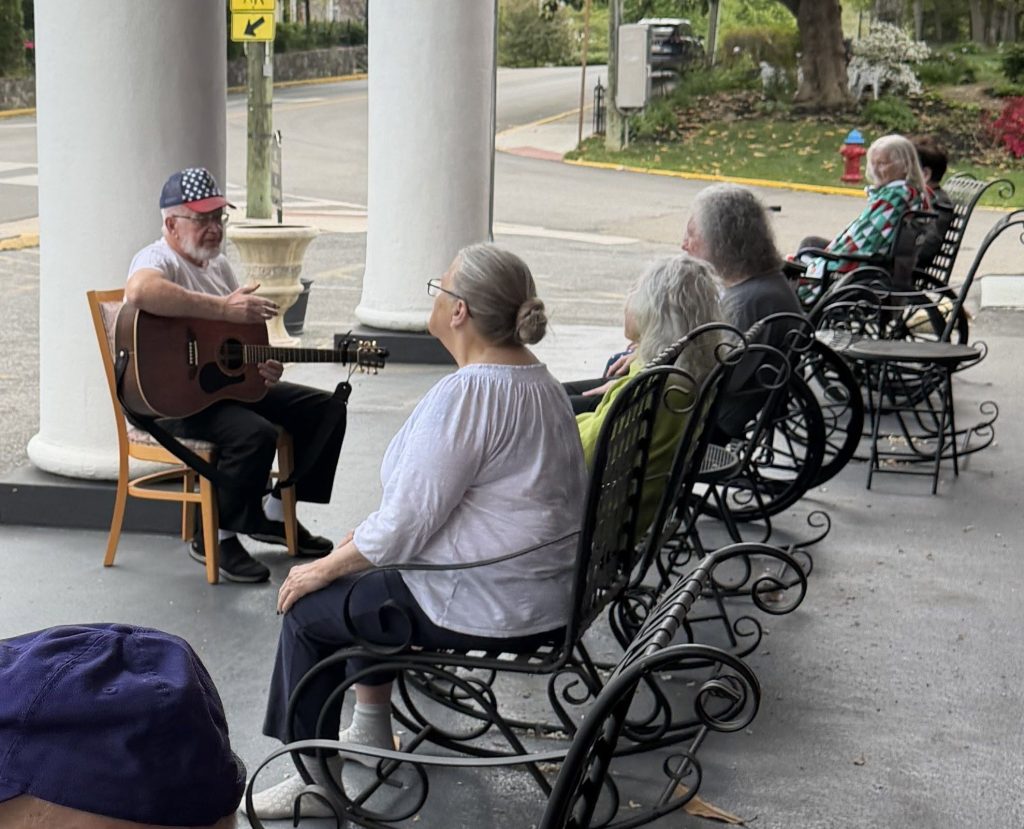
- Intergenerational activities encourage collaboration, understanding, and inclusivity, enhancing community growth and emotional well-being.
Understanding Consent and Its Importance
Consent is a fundamental pillar of respectful relationships and community interactions. It’s about recognizing that everyone has the right to make choices about their own bodies, feelings, and experiences.
When you seek consent, you’re not just asking for permission; you’re fostering an environment of trust and respect. This practice encourages open communication and nurtures a sense of safety among individuals.
Understanding consent means acknowledging that it can be revoked at any time, and it’s essential to respect those boundaries. By prioritizing consent, you empower others and yourself to engage in meaningful interactions, creating a community where everyone feels valued and heard. Additionally, fostering connections through spiritual support can greatly enhance the overall well-being of community members.
The Role of Boundaries in Healthy Relationships
While many people focus on consent, establishing clear boundaries is equally essential for maintaining healthy relationships.
Boundaries help you define what feels comfortable and acceptable, fostering mutual respect. They create a safe space where everyone can express their needs and desires openly.
When you communicate your boundaries, you empower those around you to do the same, promoting understanding and collaboration. For instance, having a clear understanding of personalized support and assistance can enhance interactions and respect for individual preferences.
Privacy: A Fundamental Right in Community Life
Privacy is essential for everyone in a community, as it allows individuals to feel secure and respected in their personal lives. When you create spaces where people can share their thoughts and feelings without fear, you foster trust and openness.
Respecting privacy means acknowledging that everyone has unique boundaries and personal stories that deserve protection. By valuing each person’s right to keep certain aspects of their lives private, you contribute to a community atmosphere where everyone can thrive. Regular family visits can be an important aspect of promoting emotional support by ensuring that seniors feel connected and valued.
You can serve others better by ensuring they feel safe enough to express themselves fully. Prioritizing privacy not only enhances relationships but also promotes a sense of belonging, ultimately enriching the community as a whole.
Let’s commit to honoring this fundamental right together.
Navigating Consent in Diverse Social Contexts
Understanding personal boundaries is key to fostering healthy interactions in any community. When steering consent in diverse social contexts, you need to be aware of cultural differences and individual preferences. Each person may have unique perspectives on what consent means, and it’s your responsibility to approach these interactions with respect and openness.
Pay attention to verbal and non-verbal cues, as they can provide insight into others’ comfort levels. Always prioritize dialogue; asking questions can help clarify intentions and expectations. Family involvement in activities fosters emotional comfort and connection, which can enhance the overall experience in communal settings.
Empowering Individuals Through Clear Communication
Clear communication is essential for empowering individuals within any community, as it fosters a sense of agency and confidence. When you express your thoughts and feelings clearly, you invite others to do the same, creating an environment where everyone feels valued.
By actively listening and responding with empathy, you help build trust and encourage open dialogue. This fosters relationships based on mutual respect, allowing individuals to advocate for their own needs and boundaries.
Furthermore, when you practice transparency, you reduce misunderstandings and promote collaboration. As you engage in honest conversations, you empower others to take ownership of their experiences, ultimately enriching community life. Incorporating structured routines can further enhance this empowerment by providing a clear framework for daily interactions.
The Impact of Violating Boundaries on Community Trust
When boundaries are violated, it can quickly erode the trust that holds a community together.
The violation of boundaries can swiftly undermine the trust essential for a cohesive community.
You might notice that when someone disregards personal limits, others start feeling uneasy and vulnerable. This sense of discomfort can lead to isolation, fear, and a reluctance to engage in community activities.
Trust is built on respect and understanding; once it’s broken, rebuilding it takes time and effort. People may hesitate to share their thoughts and feelings, fearing further violations.
You’ll find that fostering a culture of consent and boundary respect not only enhances individual dignity but also strengthens community bonds. Additionally, volunteerism boosts physical health and can create opportunities for seniors to connect meaningfully, reinforcing trust within the community.
Building Resilience Through Respect and Understanding
Respecting boundaries lays the groundwork for resilience within a community. When you honor others’ limits, you create an environment where everyone feels valued and safe.
This mutual respect fosters understanding, allowing individuals to express their needs and concerns without fear. By actively listening and empathizing, you strengthen connections, making it easier to navigate challenges together.
Encouraging open communication helps you build trust, which is essential for resilience. When challenges arise, a community that respects boundaries can adapt and support one another effectively.
You become a reliable source of encouragement, empowering others to share their experiences and learn from each other. Together, you cultivate a culture of respect and understanding, enhancing your collective ability to bounce back from adversity. Additionally, understanding the importance of long-term care insurance can provide a safety net that supports community members facing health-related challenges.
Creating Safe Spaces for Open Dialogue and Growth
Creating environments where everyone feels safe to share their thoughts is essential for community growth. You can foster this by establishing clear guidelines that promote respect and understanding.
Encourage open dialogue by actively listening and validating others’ feelings. When people know their voices matter, they’re more likely to engage and contribute.
Create spaces that prioritize confidentiality and trust, ensuring that individuals can express themselves without fear of judgment. Use inclusive language and invite diverse perspectives to enrich discussions.
By modeling vulnerability and openness, you inspire others to do the same. Remember, growth happens when individuals feel safe and supported, allowing your community to thrive through shared experiences and collective wisdom. Incorporating intergenerational activities can further enhance the sense of belonging and connection within the community.
Together, you can create a nurturing environment that uplifts everyone involved.
Frequently Asked Questions
How Can I Teach Children About Consent Effectively?
You can teach children about consent effectively by using simple language and engaging activities.
Start conversations about personal boundaries, encouraging them to express their feelings.
Role-play scenarios where they practice saying “no” or asking for permission.
Use stories or games to illustrate the importance of respecting others’ choices.
Reinforce the idea that consent is ongoing and can change.
Create a safe space for open discussions, helping children feel comfortable sharing their thoughts.
What Are Common Misconceptions About Consent?
One common misconception about consent is that it’s only relevant in sexual situations.
You might think it’s not necessary in everyday interactions, but consent applies to all personal boundaries.
Another misconception is that consent can be assumed; it’s essential to ask clearly and respect answers.
Finally, many believe consent is a one-time agreement, but it should be ongoing and can be revoked at any time.
Understanding these nuances can foster healthier relationships.
How Do Cultural Differences Affect Consent Understanding?
Cultural differences can greatly shape your understanding of consent. In some cultures, consent might be implied through non-verbal cues, while in others, explicit verbal agreements are essential.
You may find that what feels respectful in one culture could be perceived differently in another. Being aware of these nuances helps you engage more thoughtfully and guarantees that you honor everyone’s boundaries, fostering trust and respect in diverse communities.
Can Consent Be Revoked After Initially Being Given?
Yes, consent can definitely be revoked after it’s initially given. It’s important to recognize that everyone has the right to change their mind at any time.
If you feel uncomfortable or uncertain, don’t hesitate to communicate that. Respecting your own feelings and those of others fosters a safe environment where everyone can thrive.
Always prioritize open dialogue, as it builds trust and guarantees that everyone involved feels valued and respected.
What Role Does Consent Play in Online Interactions?
Consent plays an essential role in online interactions, establishing trust and respect. You need to guarantee that everyone involved feels comfortable sharing their thoughts and personal information.
This means actively seeking permission before engaging in discussions that may invade privacy. Remember, consent isn’t just a one-time agreement; it can change as relationships evolve.