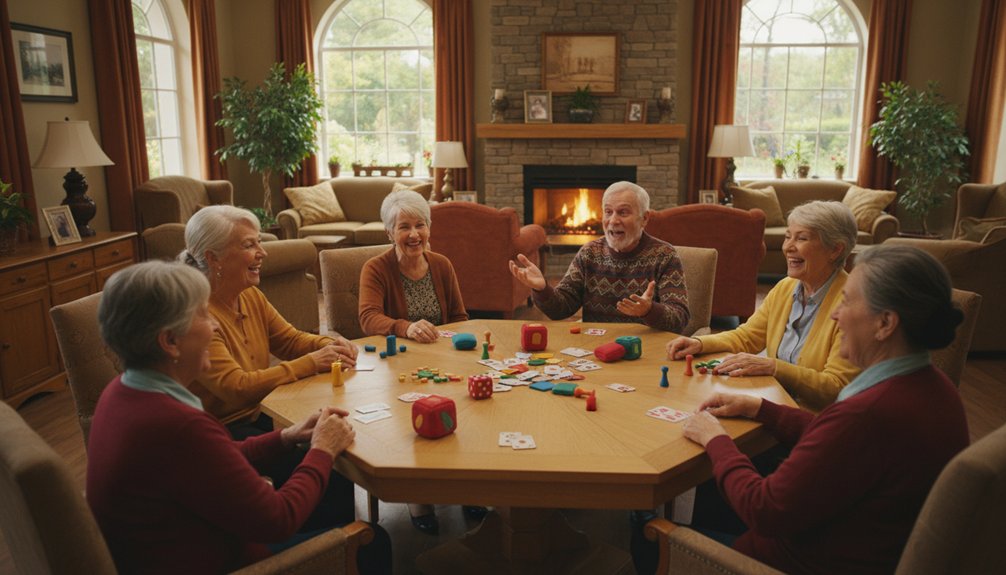
In a smaller senior living community, families may discover a more personalized experience for their loved ones. With a reduced number of residents, the opportunity for caregivers and residents to form deeper relationships can enhance trust and familiarity. This close-knit environment can improve communication and facilitate individualized care that honors personal preferences.
As you explore senior living options, consider how these elements might influence your loved one’s well-being and sense of belonging within the community. Here are some important factors to keep in mind:
- Relationship Building: With fewer residents, caregivers can dedicate more time to understanding each individual’s needs and preferences, which can lead to a stronger bond and better care.
- Personalized Care: Smaller settings often allow for tailored care plans that reflect the unique backgrounds and wishes of residents, promoting dignity and respect.
- Enhanced Communication: A more intimate environment can foster better communication between residents and caregivers, making it easier to convey needs and concerns.
- Community Atmosphere: A smaller community can create a more familiar and comfortable atmosphere, which may enhance the overall quality of life for residents.
When evaluating different senior living communities, think about how these aspects align with your loved one’s needs and your family’s goals for their care. What does this mean for your journey in finding the right care setting?
Key Takeaways
- In smaller senior living communities, consistent staff members often foster a sense of familiarity. This continuity allows families to build trust and develop relationships with caregivers who know their loved ones on a personal level.
- Care plans in these settings can be personalized to meet the individual needs of each resident. This approach ensures that the preferences and daily routines of older adults are respected and prioritized, providing peace of mind for families.
- Enhanced communication channels can provide families with regular updates about their loved ones’ health and well-being. This ongoing dialogue can help reduce anxiety and encourage family involvement in care decisions.
- A strong sense of community and belonging is often cultivated in smaller settings. Families may find comfort in being part of a supportive environment that values emotional well-being and connection.
- Smaller communities typically offer meaningful activities and opportunities for social interactions. Families may appreciate seeing their loved ones engaged and happy, which can contribute to overall satisfaction with the care provided.
More Consistent Relationships With Staff
When exploring smaller senior living communities, one notable benefit is the potential for more consistent relationships with caregivers. In these settings, it’s common for staff to remain unchanged, creating a sense of familiarity for residents. This continuity helps caregivers gain a deeper understanding of each resident’s unique history and preferences, which can lead to enhanced resident-centered care and improved overall quality of life. Additionally, consistent staff assignment has been shown to be a cornerstone of effective long-term care delivery, further enhancing the quality of care residents receive.
Having familiar caregivers can also foster stronger emotional connections between staff and residents. These bonds can help alleviate feelings of anxiety or fear, while promoting a sense of trust. When residents feel secure with their caregivers, it often leads to better communication and cooperation, which is essential for a positive living experience. Moreover, the presence of trained staff ensures that residents receive appropriate monitoring and support during their recovery.
Familiar caregivers foster emotional connections, reducing anxiety and promoting trust, leading to a more positive living experience for residents.
Additionally, consistent staff members are more likely to notice any changes in a resident’s health or behavior. This attentiveness can enable timely interventions when necessary, ensuring that residents receive appropriate support.
Overall, the stable relationships that develop in smaller senior living communities contribute to a nurturing environment, positively impacting both the emotional and physical well-being of residents.
When considering care options, it may be beneficial to explore how a community fosters staff-resident relationships and what that means for the quality of care provided.
Enhanced Communication and Coordination
In smaller senior living communities, enhanced communication and coordination can significantly improve the caregiving experience.
With more streamlined communication channels, staff can quickly share updates with families, helping you stay informed without adding to your workload. Having fewer residents often allows for more frequent updates regarding changes in health or needs. Recognizing each senior’s unique love languages fosters meaningful connections and trust, which can be communicated effectively through these updates.
You may notice that there are consistent points of contact, such as a primary nurse, which helps to reduce confusion and mixed messages. Additionally, regular interdisciplinary meetings among caregivers contribute to real-time alignment on care plans. This collaborative approach fosters transparency and trust, making families feel more engaged in their loved one’s care. Research indicates that sufficient staff fosters familial relationships between staff and residents, enhancing overall care quality.
When researching senior living options, consider the following aspects related to communication and coordination:
- Communication Structure: Inquire about how updates are shared with families and the frequency of those updates.
- Primary Contacts: Ask if there’s a designated primary contact for care-related questions and concerns.
- Interdisciplinary Meetings: Check if the community holds regular meetings among care staff to discuss resident needs and care plans.
- Family Involvement: Understand how the community encourages family participation in care decisions.
These features can contribute to a more supportive and responsive environment for residents and their families.
Personalized Care Tailored to Individual Needs
Personalized care tailored to individual needs plays a crucial role in smaller senior living communities. These communities often have higher staff-to-resident ratios, which can lead to stronger relationships and a better understanding of each resident’s unique needs. Caregivers in these settings are able to closely observe behaviors and health patterns, making it easier to adjust care plans as necessary. In smaller communities, residents typically receive customized care plans that reflect their individual routines and preferences. This individualized approach can enhance daily living experiences and overall satisfaction. As needs change, these communities often have the capability to adapt quickly, prioritizing residents’ autonomy and dignity. This focus on personalized care helps ensure that every resident feels valued and understood, creating a true home setting for all. Additionally, facilities like Sage Oak of Denton offer tailored support models that cater to unique resident needs.
When researching senior living options, consider asking about how the community approaches personalized care. Here are some questions to guide your inquiry:
- What’s the staff-to-resident ratio?
- How are care plans developed and updated?
- Can residents express their preferences and routines?
- How does the community ensure that care is tailored to individual needs?
- What support services are available to residents, and how do they adapt to changing circumstances?
Understanding these aspects can help you make an informed decision about the best care setting for yourself or your loved one, ultimately contributing to a higher quality of life.
A Stronger Sense of Belonging
A strong sense of belonging is a key benefit of living in a smaller senior community, where residents often enjoy closer connections and camaraderie with one another and with the staff. These intimate settings, typically accommodating 10 to 25 residents, foster a family-like atmosphere that can help reduce feelings of isolation and promote emotional well-being. In these communities, shared meals and small-group activities provide opportunities for meaningful interactions, allowing residents to engage socially and build friendships. The design of smaller senior living communities often includes private rooms alongside communal spaces, which encourages spontaneous connections while still respecting individual privacy. Additionally, security measures in place at these communities help ensure a safe environment that fosters trust among residents and staff. Furthermore, engaging in volunteering opportunities within these communities can enrich personal lives and enhance social ties. When considering a senior living option, it’s important to evaluate how the community promotes emotional comfort and social engagement.
Here are some factors to consider:
- Community Size: Smaller communities may facilitate closer relationships among residents and staff.
- Activities and Engagement: Look for communities that offer a variety of social activities and opportunities for interaction.
- Dining Options: Shared meals can enhance socialization—consider whether communal dining is part of the community’s offerings.
- Privacy and Space Design: Evaluate how the layout supports both private living and communal interaction.
- Staff Interaction: Observe how staff members engage with residents and contribute to a welcoming environment.
Increased Family Involvement and Engagement
The intimate atmosphere of smaller senior living communities often cultivates a strong sense of belonging for residents. This setting can also facilitate meaningful family involvement and engagement in the care process. Families have the opportunity to participate in care planning, where they can share important life histories and personal preferences. This collaborative approach helps to create individualized care plans tailored to each resident’s unique needs. Effective communication between family members and staff is essential, allowing for prompt adjustments to care based on any observed changes in health or behavior. High-quality social connections are essential for mental and physical health, providing additional benefits to residents.
Families are typically encouraged to visit regularly and participate in daily activities, such as shared meals or outings, which can contribute to a warm, home-like environment. This level of involvement not only strengthens family connections but also promotes a partnership with caregivers. Family involvement can significantly enhance resident outcomes by fostering a supportive care environment. Engaging in the care journey can lead to increased satisfaction for families and a deeper understanding of their loved one’s needs. When evaluating senior living options, consider how each community supports family involvement and how that may positively impact the care experience for both residents and their families.
Clear Quality-of-Life Benefits
Quality of life in smaller senior living communities often reflects the autonomy, dignity, and personalized care they offer to residents. In these settings, older adults typically enjoy more control over their daily routines, which can contribute to enhanced emotional well-being. Research indicates that individuals living in small-house models may experience lower levels of anxiety and higher satisfaction with their living conditions, supporting the idea that small-scaled homelike facilities can improve overall QOL. Additionally, assisted living provides trained caregivers who are dedicated to meeting the individual needs of residents.
Personalized care in these environments fosters a sense of dignity and privacy, allowing seniors to feel respected and valued. Additionally, smaller communities often provide more opportunities for residents to engage in meaningful activities, which can promote cognitive engagement and ensure enjoyable dining experiences. When considering senior living options, it may be beneficial to explore how a community’s size and structure can impact the quality of life for your loved one.
Questions to consider include:
- What types of personal care services are available?
- How are daily routines tailored to meet individual needs?
- What opportunities for social interactions and activities are offered?
- How does the community support residents’ privacy and dignity?
Fostering Close-Knit Communities
When exploring smaller senior living communities, it’s important to recognize how these environments can foster close-knit connections among residents. Many of these communities typically feature lower staff-to-resident ratios, which allows care staff to engage more frequently with each resident. This increased interaction can lead to stronger relationships and a greater sense of trust between residents and caregivers.
The home-like atmosphere found in many smaller communities often includes cozy shared spaces and familiar routines, which can encourage spontaneous interactions amongst residents and staff. Consistent social interaction in shared spaces and activities may create a stable rhythm that contributes to a feeling of security and engagement for everyone involved. Facilities like Essex House offer various room plans and dining options that enhance the communal experience.
In these intimate settings, residents often share meals and participate in various everyday activities together, which can help reinforce community bonds. Overall, smaller senior living communities may provide a nurturing space that promotes unity, comfort, and emotional well-being for residents and their families.
When considering a senior living option, it may be helpful to ask the following questions:
- What’s the staff-to-resident ratio, and how does it impact the level of personal care?
- What types of communal spaces are available, and how do they facilitate resident interaction?
- How are daily routines structured, and what activities are typically offered?
- What’s the community’s approach to fostering relationships among residents and staff?
- How does the community ensure a safe and engaging environment for residents?
Taking the time to explore these factors can help you make an informed decision about the best living arrangement for yourself or a loved one.
Reduced Loneliness Through Social Interaction
Social interaction is crucial for reducing feelings of loneliness among older adults, addressing the isolation many may experience. In smaller senior living communities, regular social contact can be more accessible, fostering opportunities for meaningful connections. Research indicates that approximately 1 in 10 older adults experience loneliness, while 1 in 4 are socially isolated, highlighting the importance of interaction. Social isolation is recognized as a significant public health problem linked to increased risks of death, depression, anxiety, and cognitive disorders. Furthermore, nurturing friendships can significantly enhance emotional support within these communities, benefiting residents’ overall well-being.
Frequent, brief encounters with fellow residents can enhance emotional well-being, helping to fill the companionship gap that some may feel. Environments that encourage easy conversation initiation can lead to stronger relationships among residents. By prioritizing social interaction within a community, residents can feel more connected, which can improve their overall mental health and decrease the risks associated with loneliness, ultimately enhancing their quality of life.
When considering senior living options, it may be helpful to explore how different communities facilitate social interaction. Here are some factors to consider:
- Types of Activities Offered: Look for communities that provide a variety of social activities that align with residents’ interests.
- Community Size: Smaller communities may allow for more frequent interactions and closer relationships.
- Common Areas: Spaces designed for socializing can encourage residents to engage with one another.
- Staff Support: Consider how staff members facilitate social interaction and support residents in building connections.
- Culture of Engagement: Assess whether the community promotes a culture that values and encourages social interaction among residents.
These considerations can help you determine how well a community may support the social needs of residents, contributing to their overall well-being.
Greater Staff Satisfaction and Stability
In smaller senior living communities, staff satisfaction and stability can significantly enhance the quality of care provided to residents. These settings often reduce time pressures and stressors that staff members face, which can lead to lower levels of burnout and higher motivation. As a result, staff members tend to form a cohesive team, contributing to a supportive atmosphere. Research indicates that staff in smaller communities often report greater competence and job satisfaction. This can lead to better interactions between staff and residents, fostering relationship-based care that’s crucial for the well-being of older adults. When staff members feel fulfilled in their roles, it often translates to improved experiences for residents, enhancing their overall quality of life. Regular family interactions can also boost residents’ mood, underscoring the importance of a supportive environment. Research shows that a heavy workload decreases organizational commitment, underscoring the importance of manageable demands in smaller settings.
When considering a senior living option, it may be beneficial to explore smaller care settings. Here are some factors to keep in mind:
- Staff Competence and Satisfaction: Smaller communities often have higher staff morale, which can positively influence the care provided.
- Resident-Staff Interactions: Enhanced interactions can lead to more personalized care and stronger relationships.
- Job Satisfaction: Happier staff members may provide better service, contributing to a more engaging environment for residents.
Choosing a smaller community can create a nurturing space for both staff and residents, fostering a more stable and engaged community where everyone can thrive.
Improved Emotional Comfort in a Homelike Environment
Creating a homelike environment can significantly enhance the emotional comfort of residents in smaller senior living communities. Incorporating design features that evoke a sense of home—such as cozy living rooms and familiar kitchen areas—can foster familiarity and security. This nurturing atmosphere is particularly beneficial for residents with dementia, as it can lead to reduced agitation and improved emotional well-being. Research shows that clustered ‘homelike’ models are linked to better quality of life and fewer hospitalizations, highlighting the importance of these environments. Additionally, these settings often facilitate personalized care plans, which are tailored to the unique needs of each resident, further enhancing their comfort and emotional stability.
Residents in these care settings often report feeling more socially connected and engaged, which can help alleviate feelings of loneliness. By replicating daily life routines and emphasizing personal identities, communities can create a supportive environment that promotes overall well-being. This attention to emotional comfort not only enriches the lives of residents but also provides families with peace of mind, knowing their loved ones are in a caring and supportive setting.
When researching senior living options, consider the following factors:
- Homelike Features: Look for communities that offer familiar layouts and cozy spaces to enhance emotional comfort.
- Routine and Identity: Investigate how the community supports daily routines and personal identities to foster engagement.
- Social Connection: Assess opportunities for social interaction and activities that can help combat loneliness.
- Support for Specific Needs: Determine what specific support is available for residents with conditions like dementia.
Frequently Asked Questions
How Can I Assess the Staff-To-Resident Ratio in Smaller Settings?
To assess the staff-to-resident ratio in smaller senior living communities, consider the following steps:
- Calculate the Ratio: Determine the ratio by dividing the number of direct care staff by the number of residents present during a shift. This can give you a clear picture of the level of attention each resident may receive.
- Inquire About Staffing: Ask about staffing levels during quieter hours, as well as for residents who may require more assistance due to higher care needs. Understanding how staffing varies throughout the day can help you gauge the consistency of care.
- Verify Staffing Presence: Check the posted staff schedules and compare them to the actual staff present during different shifts. This verification can ensure that the community is meeting its staffing commitments.
Taking these steps can help you ensure that your loved one is in a supportive environment where they can receive the care they need.
What Activities Are Typically Offered in Small Senior Living Homes?
Small senior living homes often provide a range of activities designed to keep residents engaged and connected with one another. These activities may include:
- Enrichment Activities: Options such as bingo, trivia games, and book clubs can help stimulate cognitive function and encourage social interaction among residents.
- Physical Wellness: Many communities offer gentle exercise programs like tai chi and walking clubs, which promote mobility and overall physical health.
- Creative Outlets: Residents may have opportunities to participate in arts and crafts sessions, cooking clubs, and storytelling, allowing for self-expression and creativity.
- Social Gatherings: Regular events, including holiday celebrations, themed dinners, and community gatherings, help foster relationships and build a sense of belonging.
These activities are important as they contribute to the emotional and social well-being of residents, creating a vibrant and supportive community.
When considering a senior living community, it can be helpful to inquire about the specific activities offered, as these can vary by provider.
How Do Small Settings Handle Medical Emergencies?
Small senior living communities approach medical emergencies with established protocols aimed at ensuring quick and effective responses. When an emergency occurs, staff are trained to promptly identify the situation, assess the resident’s condition, and, if necessary, call 911 for emergency medical services.
They focus on stabilizing the individual on-site while preparing to relay essential information to the arriving emergency personnel.
To enhance preparedness, many communities conduct regular training sessions and drills. Staff members typically have clearly defined roles during emergencies, which helps facilitate efficient communication and care.
This organized response not only prioritizes the safety of residents but also offers reassurance to families during potentially stressful situations.
When researching senior living options, consider asking about the community’s emergency protocols, staff training, and how they handle medical situations. Understanding these procedures can provide peace of mind for both residents and their families.
What Is the Average Cost Difference Between Small and Large Facilities?
The average cost difference between small and large senior living communities is noteworthy and can significantly impact your decision-making process. Generally, small residential care homes may cost between $500 to $1,500 less per month compared to larger assisted living communities.
For example, while larger communities typically charge around $5,900 to $6,313 monthly, smaller settings often start at approximately $4,500.
This price variation can make smaller homes a more budget-friendly option for families, allowing them to prioritize the care and comfort of their loved ones. When exploring senior living options, it’s essential to consider not only the costs but also the types of services and amenities offered, as these can vary widely between communities.
When evaluating your choices, keep in mind the following factors:
- Services Offered: Different communities may provide varying levels of assistance and care.
- Amenities: Consider what facilities and activities are available to residents.
- Staffing Levels: The number and qualifications of staff can influence the quality of care.
- Community Atmosphere: Smaller homes may offer a more intimate setting, while larger communities may provide a wider range of social opportunities.
Understanding these aspects can help you make a more informed decision that aligns with the needs of your loved one.
How Can Families Contribute to Care Plans in Smaller Environments?
Families can play an important role in shaping care plans within senior living communities and smaller care settings. Here are some ways you can contribute to this process:
- Participate in Care Conferences: Engage in discussions during care conferences to voice your loved one’s needs and preferences. This is a key opportunity to collaborate with staff on care strategies.
- Regular Communication with Staff: Maintain open lines of communication with caregivers and staff. This allows you to share insights about your loved one’s daily routines and any changes in their health or well-being.
- Join Formal Assessments: Within the first 90 days of admission, families can often participate in formal assessments. This ensures that family perspectives are included in the care planning process.
This collaborative approach helps create a more personalized and responsive care experience for your loved one, ensuring that their unique needs and preferences are prioritized.