Understanding love languages in senior care is essential for enhancing emotional well-being. Each senior has unique preferences for affection, whether through physical touch, quality time, or words of affirmation. By observing their responses and engaging in open conversations, you can identify what makes them feel valued. Simple acts of service and meaningful interactions can strengthen connections. By recognizing these expressions of care, you help seniors thrive. You’ll discover even more ways to show compassion and support moving forward.
Key Takeaways
- Understanding each senior’s unique love language fosters deeper connections and trust in assisted living environments.
- Physical touch, verbal affirmations, and quality time are vital for expressing care and support.
- Observing seniors’ reactions helps identify their preferred love languages, enhancing interactions.
- Acts of service, like cooking and assisting with chores, significantly improve seniors’ quality of life.
- Prioritizing meaningful conversations and shared activities combats loneliness and uplifts spirits in assisted living.
The Concept of Love Languages in Senior Care
While you may think love languages are just for couples, they play an essential role in senior care as well. Understanding how seniors express and receive love can greatly enhance your ability to provide compassionate and effective support.
Each senior has unique preferences—some might cherish physical touch, while others may thrive on verbal affirmations or quality time. By recognizing these love languages, you can create a more meaningful connection, fostering trust and respect. This understanding not only helps you meet their emotional needs but also enriches their overall well-being. You’ll find that simple gestures, like a warm hug or a kind word, can transform your interactions, making them feel valued and cared for in their everyday lives. Additionally, incorporating companion services into your approach can further enhance their emotional wellness and social engagement.
Identifying Each Senior’s Love Language
To truly connect with seniors, you need to identify their unique love languages. Start by observing how they express affection. Do they enjoy hugs and physical touch? If so, their love language might be physical touch.
Pay attention to how they respond to compliments or kind words; this could indicate that words of affirmation resonate with them. Notice if they light up when you spend time together—quality time may be their primary love language.
Observing their reactions to compliments and shared moments reveals their love language and deepens your connection.
Ultimately, some seniors show appreciation through gifts, whether big or small. By engaging in open conversations and asking gentle questions, you’ll gain insight into what makes them feel valued. This understanding allows you to foster deeper, more meaningful connections that enhance their sense of well-being, as regular family interactions significantly boost mood and encourage participation in activities that improve emotional health.
Acts of Service: Practical Expressions of Care
Acts of service can be one of the most impactful ways to show seniors you care, especially when you tailor your actions to their needs. Whether it’s helping with daily tasks or providing assistance with household chores, these gestures can greatly enhance a senior’s quality of life.
Consider cooking a meal for them, organizing their living space, or running errands. Small acts, like folding laundry or watering plants, can make a big difference. You’re not just performing tasks; you’re expressing love and respect.
Listen to their preferences and adapt your efforts accordingly. By being attentive and proactive, you’ll foster trust and demonstrate that you genuinely value their well-being, making your acts of service even more meaningful. Additionally, engaging in social activities can further enrich their lives and strengthen connections within the community.
Quality Time: Building Meaningful Connections
Taking time to connect can be just as impactful as lending a helping hand. When you prioritize quality time with seniors, you’re nurturing relationships that matter.
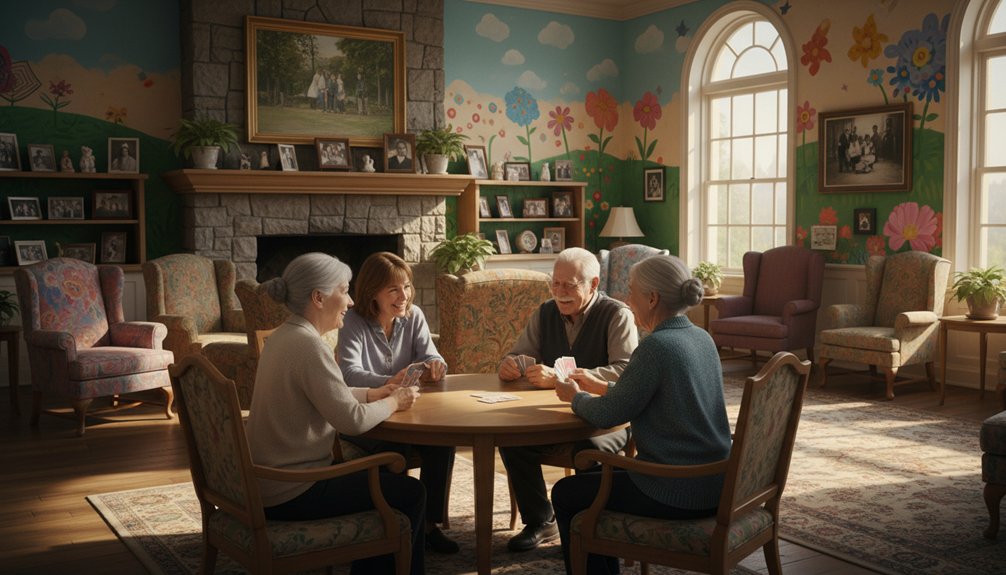
Simple activities like sharing a meal, playing a game, or enjoying a stroll can strengthen bonds and create lasting memories. Listen actively to their stories and experiences; it shows you value their presence.
Consider scheduling regular visits or phone calls, even if just for a chat. These moments foster trust and understanding, making them feel cherished. Engaging in meaningful conversations can lift their spirits and combat loneliness. Additionally, participating in group outings can enhance their emotional well-being and reduce feelings of isolation.
Words of Affirmation: The Power of Encouragement
When you offer words of affirmation, you create a powerful source of encouragement that can uplift a senior’s spirit. Simple phrases like “You did a great job” or “I appreciate you” can make a significant difference in their day. These words remind them of their value and contributions, fostering a sense of belonging and purpose.
Encouragement can combat feelings of loneliness or anxiety, helping seniors feel more connected to those around them. Your genuine compliments and positive remarks can boost their self-esteem and motivate them to engage more fully in their surroundings. Additionally, regular family visits enhance emotional support, providing a sense of belonging that further reinforces their self-worth.
Physical Touch and Receiving Gifts: Tangible Signs of Affection
While words can uplift, physical touch and receiving gifts serve as powerful, tangible signs of affection for seniors. A gentle hug, a reassuring pat on the back, or holding hands can convey warmth and connection. These gestures reassure them that they’re cared for and valued.
Gifts, no matter how small, can bring immense joy. A thoughtful card, a favorite snack, or a blooming flower can brighten their day and show you’re thinking of them. Regular grooming routines foster self-esteem and help seniors feel their best, further enhancing their well-being.
When you incorporate these expressions of love into your interactions, you create an atmosphere of comfort and appreciation.
Frequently Asked Questions
How Can Caregivers Assess Love Languages in Seniors Effectively?
To assess love languages in seniors effectively, start by observing their reactions to different expressions of care.
Pay attention to what brings them joy, whether it’s words of affirmation, quality time, gifts, acts of service, or physical touch.
Engage them in conversations about their preferences, and don’t hesitate to ask direct questions.
It’s also helpful to involve family members, as they can provide insights into what makes their loved ones feel valued and cared for.
What if a Senior Has Multiple Love Languages?
If a senior has multiple love languages, you should tailor your approach to incorporate all of them.
Observe their reactions to different expressions of care, like physical touch, quality time, or acts of service. You can mix these elements into your daily interactions, ensuring they feel loved and valued.
Regularly check in with them to see what resonates most at different times, adapting your methods to suit their evolving needs and preferences.
Are Love Languages Culturally Specific for Seniors?
Yes, love languages can be culturally specific for seniors.
Different cultures emphasize various ways of expressing care and affection, which can shape how seniors receive love. For instance, some may value physical touch, while others might prioritize acts of service or quality time.
How Can Family Members Contribute to Love Languages in Assisted Living?
You can contribute to love languages in assisted living by spending quality time with your loved ones.
Engage in meaningful conversations, share memories, or participate in activities they enjoy. Small gestures, like a handwritten note or a favorite treat, can also show you care.
Listen closely to their needs and preferences, and be attentive to their emotional responses. Your consistent presence and understanding can make a significant difference in their well-being.
What Are Common Misconceptions About Love Languages in Senior Care?
Many people think love languages are only about romance, but that’s not true.
In senior care, you might believe expressing love is less important, but everyone needs connection.
Another misconception is assuming all seniors prefer the same language; each person has unique preferences.
Some might value quality time over gifts, for example.
Understanding these nuances can help you provide more tailored, compassionate care, fostering deeper relationships and enhancing overall well-being for seniors.