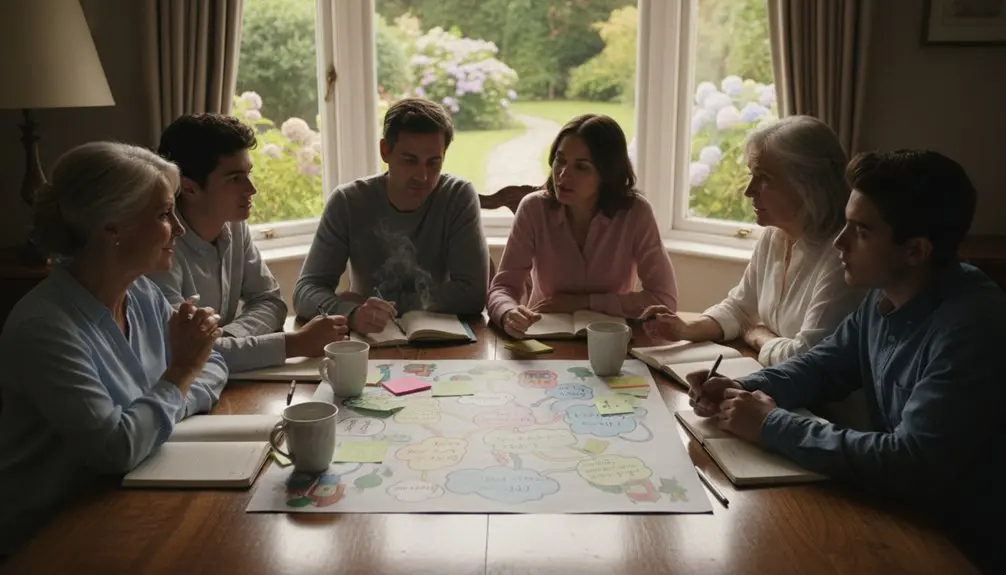
In senior living communities, older adults often discover an environment that actively supports their social needs. These communities are designed to foster connections through daily routines and a variety of engaging activities. By participating in group exercises, communal dining, and creative programs, residents have the opportunity to build friendships and reduce feelings of loneliness.
Understanding the importance of these social interactions can help you recognize the benefits of a supportive atmosphere for older adults. Engaging with peers not only enhances emotional well-being but can also contribute positively to physical health.
Key aspects to consider when looking into assisted living options include:
- Community Engagement: Many communities offer a range of activities intended to encourage resident interaction. Look for programs that align with personal interests and that promote socialization.
- Dining Options: Shared meals can be a significant aspect of community life. Investigate the dining experience and whether residents have the opportunity to eat together, as this can enhance social bonds.
- Physical Activities: Regular exercise can improve overall health. Check if the community offers group fitness classes or other physical activities that encourage participation and camaraderie.
- Creative Programs: Arts and crafts, music, or educational workshops can provide enjoyable ways for residents to connect and express themselves.
When researching different senior living communities, it’s important to ask questions about the types of social activities available, the community culture, and how residents are encouraged to engage with one another. Each community may vary in its offerings, so consider what will best suit the needs and preferences of you or your loved one.
Key Takeaways
Assisted living communities can provide valuable support for older adults seeking social interaction and engagement. Here are some key aspects to consider:
- Structured Social Activities: Many communities offer regular activities designed to foster connections among residents. These can help reduce feelings of loneliness and isolation, which are common among older adults.
- Daily Routines: Daily activities, such as group exercises and communal dining, create opportunities for residents to connect naturally. These interactions can enhance emotional well-being and contribute to a more fulfilling life.
- Supportive Staff: A caring and professional staff can cultivate a welcoming environment. This support often helps residents build relationships, feel more engaged, and integrate into the community.
- Organized Events: Activities like book clubs, game nights, and other communal gatherings can stimulate conversation and provide shared experiences that enhance life satisfaction.
- Technology-Assisted Engagement: Many communities offer access to technology that facilitates communication, such as video calls. This allows residents to maintain connections with family and friends outside the community, which is important for emotional support.
When researching senior living options, it’s beneficial to inquire about the specific activities, community culture, and support services offered, as these can vary widely among providers. Understanding these elements can help ensure a suitable living environment for older adults.
The Importance of Social Connection in Assisted Living
In the context of assisted living, social connection plays a crucial role, particularly for older adults who may face challenges in maintaining relationships. Strong social ties can significantly enhance well-being by reducing risks of depression and improving overall quality of life. Research suggests that higher levels of social engagement may help delay mortality rates, while loneliness can increase these risks, comparable to the effects of smoking. Additionally, social interaction is vital for cognitive health. Studies indicate that loneliness can accelerate cognitive decline and may increase the risk of dementia by approximately 50%.
Social connections are vital for older adults, enhancing well-being and reducing risks of depression and loneliness.
Engaging in activities like group classes offered in senior living communities can further promote social connections and enhance mental well-being. Encouraging connections among residents is essential for fostering mental well-being and providing emotional support. Social connectedness has been identified as a modifiable risk factor for adverse health outcomes in older adults. When exploring senior living options, consider communities that prioritize social engagement and create environments where residents can form meaningful relationships. This emphasis on social connection can contribute to a vibrant, supportive atmosphere, enriching the lives of older adults and promoting their health and happiness.
When researching care options, it may be beneficial to ask about the community’s approach to social activities, resident engagement programs, and opportunities for residents to connect with one another. Services and amenities can vary by provider, so understanding how each community facilitates social connections will help you make an informed decision for yourself or your loved one.
Daily Routines That Foster Interaction
Establishing daily routines that encourage interaction among residents is important in senior living communities. These structured schedules not only offer predictability but also support social engagement, which can be beneficial for older adults’ overall well-being.
Key aspects to consider include:
- Consistent Routines: Regular wake-up, meal, and bedtime schedules create natural opportunities for residents to connect with each other. Engaging in regular phone calls can also help maintain connections with family and friends.
- Morning Activities: Options like chair yoga or gardening can gather residents in shared spaces, fostering a sense of community.
- Afternoon Engagement: Activities such as puzzles and music therapy can stimulate conversation and interaction among residents. Tailored routines ensure that these activities align with residents’ interests and abilities.
- Group Exercises: Programs like walking clubs not only promote physical health but also provide a chance for socialization, helping to build friendships.
- Meal Times: Communal dining experiences are crucial, as they encourage conversation and connections over shared meals. Sharing meals together can create lasting memories and enhance emotional well-being.
- Resident-Led Clubs: Incorporating activities led by residents, along with creative tasks, can enhance feelings of purpose and shared responsibility.
These thoughtfully designed routines can enrich daily life and strengthen community bonds, helping residents feel supported and connected.
When exploring senior living options, it may be helpful to inquire about the specific activities and routines offered, as services can vary by provider.
Understanding Loneliness Among Residents
While many residents in senior living communities find companionship and support, loneliness can be a significant challenge that impacts their overall well-being. Research indicates that approximately 61% of residents may experience moderate loneliness, with about 35% facing severe loneliness.
Several factors contribute to this isolation, including health issues, mental health vulnerabilities, and major life changes. Older adults who are single or widowed, or who’ve limited social networks, often face a higher risk of loneliness. Additionally, the environment in care settings mightn’t always meet the diverse needs of residents, which can further exacerbate feelings of isolation. Building meaningful friendships can be a powerful antidote to loneliness, fostering connections and emotional support among residents.
When exploring senior living options, it’s important to consider the following factors related to loneliness and social engagement:
- Social Opportunities: Look for communities that offer a range of social activities and events that encourage interaction among residents.
- Support Services: Inquire about support services that address mental and emotional health, as they can play a crucial role in reducing loneliness.
- Community Culture: Understanding the culture of the community can help you gauge how welcoming and inclusive it’s for residents.
- Staff Engagement: Observe how staff interact with residents, as positive relationships can significantly enhance a resident’s experience. Furthermore, nearly 40% of nursing home residents report feelings of loneliness, highlighting the importance of addressing this issue in assisted living environments.
Engaging Activities and Programs to Combat Isolation
Engaging in a variety of activities and programs can significantly help combat isolation among older adults in senior living communities. These experiences not only foster social connections but also enhance overall well-being.
Consider the following options that many communities may offer:
- Group Physical Activities: Exercise classes can improve health and promote regular interaction among residents, which may help reduce feelings of loneliness.
- Structured Social Events: Activities like book clubs and game nights often lead to greater life satisfaction and lower levels of social isolation. Participating in these events can create a sense of belonging and community. Additionally, many assisted living facilities offer numerous programmed activities that cater to diverse interests and encourage participation.
- Technology-Assisted Engagement: Many communities may facilitate video calls with family members, which can help expand social networks and strengthen relationships, providing residents with vital connections to their loved ones.
- Creative Programs: Opportunities for arts and cultural outings can keep residents mentally and physically active, contributing to a fulfilling lifestyle.
When researching senior living options for yourself or a loved one, consider asking about the specific activities and programs available.
Understanding how these offerings can support social engagement and combat isolation is crucial in making an informed decision about care settings.
The Role of Social Support in Everyday Life
Social support is a vital aspect of enhancing everyday life, especially for older adults navigating the complexities of aging. Cultivating strong social connections can lead to better mental health and improved physical well-being. Knowing that help is available when needed can significantly alleviate feelings of anxiety and depression, contributing to a higher quality of life. Social relationships are linked to overall health, which underscores the importance of fostering connections in assisted living environments. Engaging in meaningful conversations with peers and staff can further enrich the social experience for residents.
Social support enhances life for older adults, improving mental health and well-being while alleviating anxiety and depression.
For those considering senior living options, it’s important to understand how social support can impact residents’ experiences. Engaging with family, friends, and staff within a senior living community fosters a supportive network that can help reduce feelings of loneliness and enhance emotional well-being.
Additionally, strong social ties can encourage healthier lifestyle choices, such as improved eating habits and more regular physical activity. As you explore care settings for yourself or a loved one, consider the following factors related to social support and community engagement:
- Opportunities for Social Interaction: Look for communities that offer regular activities and events that promote social engagement among residents.
- Supportive Staff: Assess the availability and approachability of staff members, as their involvement can significantly contribute to a resident’s sense of belonging and support.
- Family Involvement: Consider how the community encourages family visits and involvement in activities, which can strengthen connections and support for residents.
- Access to Resources: Evaluate whether the community provides resources or programs aimed at enhancing social connections, such as group outings or clubs.
Ultimately, nurturing social connections is essential for buffering stress, promoting resilience, and helping older adults thrive while facing the challenges of aging. By prioritizing these aspects during your research, you can make a more informed decision about the best care options for yourself or your loved one.
Designing Communities for Connection and Well-Being
Creating environments that encourage connection and well-being is essential for enhancing the quality of life for older adults in senior living communities. When researching options, consider the following design elements that can promote social engagement and a sense of belonging:
- Compact, Walkable Layouts: Communities with shorter distances between apartments and common areas can facilitate more natural interactions among residents. Look for designs that avoid long corridors in favor of open-plan communal spaces, which may encourage spontaneous encounters.
- Inviting Dining Spaces: Mealtimes can be an important opportunity for connection. Dining areas should be comfortable and conducive to conversation, with accessible options for all residents. Consider how these spaces are designed to foster social interaction, as successful aging emphasizes the importance of active engagement in life.
- Integration of Nature: Access to gardens and walking paths can enhance sensory experiences and improve overall well-being. Communities that incorporate natural elements often provide a calming environment for residents.
- Functional Accessibility: It’s important that all residents can navigate communal areas easily. Look for features such as ramps, clear wayfinding signage, and other accessibility considerations that support independence and mobility.
By focusing on these design aspects, you can better assess how a senior living community may support the lifestyle and social needs of residents.
Each community varies in its offerings, so it’s crucial to ask specific questions during your research to find the best match for you or your loved one.
Frequently Asked Questions
How Do Assisted Living Facilities Address Diverse Cultural Backgrounds?
Assisted living communities address the diverse cultural backgrounds of their residents by conducting comprehensive cultural assessments during the intake process. This allows them to incorporate important aspects such as ethnicity, language, and personal beliefs into individualized care plans, which helps ensure culturally sensitive support.
To facilitate communication and understanding, many communities employ bilingual staff and provide access to interpreters. This not only enhances interactions between residents and caregivers but also helps create an environment where all residents feel heard and respected.
Furthermore, these communities often strive to foster inclusivity by offering culturally relevant meals, accommodating religious practices, and organizing social activities that celebrate residents’ traditions. This holistic approach not only promotes a sense of belonging but also builds a respectful and vibrant community among all residents.
When exploring senior living options, it may be beneficial to ask about how a community addresses cultural diversity. Consider inquiring about:
- The process for conducting cultural assessments
- Availability of bilingual staff or interpretation services
- Options for meals that reflect different cultural backgrounds
- Accommodations for religious practices
- Types of cultural or social activities offered
These considerations can help ensure that the chosen care setting aligns with the values and preferences of the resident, ultimately contributing to their overall well-being and satisfaction.
What Are the Costs Associated With Social Activities in Assisted Living?
The costs associated with social activities in assisted living communities can vary significantly. Most communities include standard activities such as bingo and exercise classes in their base fees, meaning residents typically won’t incur additional charges for these.
However, special events, like theater outings or visits to museums, usually require extra payments that can range from $15 to $100.
It’s important to consider transportation fees as well, as some communities may not cover these costs in the monthly rate. This can impact your overall budget, so be sure to inquire about what’s included in the monthly fees and what additional expenses may arise for social activities.
When researching options for yourself or a loved one, asking about the specific activities offered, as well as any associated costs, can help you make a well-informed decision.
Can Residents Bring Their Own Pets to Assisted Living Communities?
Yes, many assisted living communities allow residents to bring their own pets, but policies can vary significantly from one community to another. Here are some important points to consider when evaluating this option:
- Pet-Friendly Policies: Approximately 75% of senior living communities are pet-friendly, providing residents the opportunity to keep their beloved animals close.
- Health and Behavior Requirements: Most communities require pets to have up-to-date vaccinations and a temperament that’s suitable for a communal living environment.
- Limitations on Pets: Communities may have specific weight limits for pets or restrict the number of animals a resident can have. It’s essential to inquire about these details.
- Care Responsibilities: Residents must be able to care for their pets independently or have a plan for their care in place, ensuring that the pets are well looked after.
Before making a decision, it’s advisable to review the pet policy of each community thoroughly to understand their specific requirements and restrictions.
How Is Family Involvement Encouraged in Assisted Living Social Activities?
Family involvement in social activities within assisted living communities is often encouraged through a variety of methods that can enhance the experience for both residents and their families. Here are some common approaches:
- Regular Events: Many communities host game nights, themed celebrations, and other engaging activities that welcome family participation. This provides an opportunity for families to connect with residents and participate in enjoyable experiences together.
- Communication: Staying informed about upcoming events can be facilitated through newsletters and digital channels. These resources help families know when activities are happening and encourage their attendance.
- Collaboration: Families may have the chance to join planning meetings and volunteer for activities. This involvement ensures that family interests and preferences are considered, making events more meaningful for everyone.
- Feedback: Family councils or feedback opportunities allow relatives to share ideas and suggestions for enhancing social programs. This input can lead to improved activities that resonate with both residents and their families.
These initiatives not only help strengthen familial bonds but also contribute to a vibrant social atmosphere within the community, benefiting all involved.
When considering an assisted living option, it may be helpful to inquire about how the community fosters family involvement in social activities.
What Resources Are Available for Residents With Mobility Challenges?
Residents with mobility challenges can benefit from a variety of resources that aim to promote their independence and safety in a senior living community.
These resources may include:
- Mobility aids such as walkers and wheelchairs that are customized to meet individual needs, enhancing personal mobility.
- Physical therapy services that focus on improving strength, balance, and overall physical function, which can be vital for daily activities.
- Transportation options that assist with getting to medical appointments and participating in social events, ensuring that residents can remain engaged in community life.
- Daily living assistance provided by trained staff, which may include support with safe transfers and the effective use of mobility aids.
Exploring these resources is important as they can significantly contribute to a supportive environment where residents can thrive and maintain a higher quality of life.
When considering a senior living community, it may be helpful to inquire about the specific resources available for mobility assistance, as offerings can vary widely between different providers.