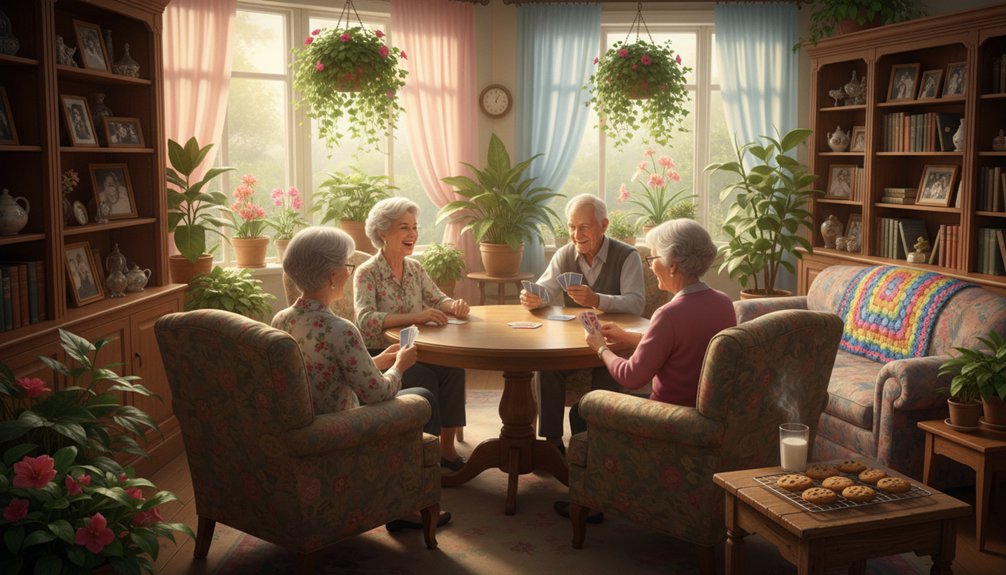
Osteoporosis Strong is a practical program that empowers you to boost your balance, confidence, and bone health. By focusing on effective exercises and community support, you’ll learn how to strengthen your bones and improve your stability. Participation in weight-bearing activities and resistance training is key to building bone density. You’ll discover valuable insights on nutrition and lifestyle choices that promote healthy bones. Keep exploring to uncover more strategies for enhancing your journey towards better bone health.
Key Takeaways
- The Osteoporosis Strong program focuses on building community support to enhance balance, confidence, and bone health among participants.
- Participants engage in tailored exercises that include weight-bearing activities and resistance training to strengthen bones and improve balance.
- Nutrition education is provided, emphasizing a balanced diet rich in calcium, vitamin D, and magnesium to promote bone health.
- The program fosters social interaction through community events, encouraging motivation and shared experiences among individuals managing osteoporosis.
- Educational workshops equip participants with practical strategies for daily living, empowering them to take charge of their bone health.
Understanding Osteoporosis: Causes and Risk Factors
Osteoporosis can feel like an invisible threat to your bone health, but understanding its causes and risk factors is the first step in prevention.
You might be surprised to learn that age, gender, and genetics play significant roles. Women, especially post-menopausal, face a higher risk due to hormonal changes. Nutritional factors like low calcium and vitamin D intake can weaken bones, too.
Lifestyle choices matter; smoking and excessive alcohol consumption contribute to bone loss. Physical inactivity can lead to weakness, making you more vulnerable. Engaging in muscle-strengthening exercises and regular physical activity is essential for maintaining bone density and overall health.
The Importance of Bone Health
Maintaining strong bones is essential for overall health and well-being, especially as we age. Healthy bones provide support and structure, helping you stay active and independent, which is vital for serving others.
When bones weaken, you’re at a higher risk for fractures and falls, impacting your ability to care for yourself and those around you. Prioritizing bone health means you can engage fully in life, whether it’s lifting a grandchild or volunteering in your community.
A balanced diet rich in calcium and vitamin D, along with regular weight-bearing exercise, can strengthen your bones. Additionally, incorporating geriatric exercises into your routine can help improve strength and balance, further protecting your bones from injury. By focusing on your bone health, you not only enhance your own life but also set an inspiring example for others, empowering them to prioritize their well-being too.
Overview of the Osteoporosis Strong Program
If you’re looking to enhance your bone health, the Osteoporosis Strong Program offers a thorough approach tailored to meet your needs.
This program focuses on building a supportive community where you can connect with others who share your goals. It emphasizes education about osteoporosis, empowering you with knowledge to make informed decisions.
You’ll discover practical strategies for daily living that promote bone strength and overall well-being. The program also provides resources to help you understand the importance of nutrition and lifestyle choices in maintaining healthy bones. Additionally, comprehensive healthcare services are available to support your overall health as you navigate your osteoporosis journey.
Physical Exercises for Strengthening Bones
To strengthen your bones effectively, incorporating specific physical exercises into your routine is essential.
Focus on weight-bearing activities like walking, jogging, or dancing. These exercises encourage bone density by putting stress on your bones, prompting them to build strength.
Resistance training, using free weights or resistance bands, also plays a vital role. You can help others by sharing these practices in community classes or support groups, promoting a culture of health and wellness.
Encourage those around you to join, making it a collective effort. Aim for at least 30 minutes of these exercises most days. Engaging in cognitive activities not only enhances your physical strength but also supports overall mental well-being.
With consistent practice, you’ll not only enhance your bone health but also inspire others to prioritize their well-being. Together, you can make a positive impact!
Balance Training: Enhancing Stability and Confidence
As you incorporate balance training into your routine, you’ll not only enhance your stability but also boost your confidence in daily activities. Simple exercises like standing on one leg or practicing heel-to-toe walking can dramatically improve your balance. Start by dedicating just a few minutes each day to these activities, gradually increasing the difficulty as you gain strength. Additionally, participating in group outings can further enhance your physical health and social connections, promoting overall well-being.
Nutrition Tips for Optimal Bone Health
While exercising is essential for bone health, nutrition plays an equally important role in maintaining strong bones. To support optimal bone health, focus on a balanced diet rich in calcium and vitamin D. Incorporate dairy products, leafy greens, and fortified foods to boost your calcium intake.
Don’t forget about vitamin D; sunlight exposure and fatty fish can help you meet those needs. Additionally, consider including nuts, seeds, and legumes for their magnesium content, which is critical for bone strength. Proper nutrition is especially vital for seniors, as it enhances overall well-being and reduces the risk of malnutrition.
Limit processed foods and excessive sodium, as they can weaken bones. Staying hydrated is important too, so drink plenty of water.
Setting Realistic Goals for Progress
After establishing a solid nutritional foundation for your bone health, it’s time to focus on setting realistic goals for your progress.
Start by evaluating where you currently stand and what you hope to achieve. Break your ambitions into smaller, manageable steps that you can tackle each week. For instance, aim to incorporate a specific type of exercise into your routine or increase your daily calcium intake gradually.
Remember, these goals should be challenging yet attainable, ensuring you stay motivated. Share your objectives with friends or family to create a support system, and encourage them to set their own goals too. Additionally, consider involving family or friends in crafting routines for community support, as this can enhance motivation and accountability.
Tracking Your Improvement: Measuring Success
To effectively track your improvement in bone health, it’s vital to establish clear metrics that reflect your progress.
Start by measuring your balance and strength through simple exercises. Keep a journal to note your performance over time. You can also monitor your confidence levels in daily activities—are you feeling steadier and more assured?
Measure your balance and strength through simple exercises, and keep a journal to track your progress and confidence in daily activities.
Consider using tools like a pedometer to track physical activity, and regularly check in with your healthcare provider for bone density assessments. Additionally, assisted living assessments can help identify specific needs and preferences that support your overall health journey.
These metrics not only highlight your journey but also empower you to inspire others. As you see your progress, share your insights and encourage those around you to prioritize their bone health.
Together, you can foster a supportive community focused on strength and wellbeing.
Real-Life Testimonials: Success Stories
Many people have transformed their lives by prioritizing bone health, and their stories are nothing short of inspiring.
Take Sarah, for instance, who struggled with fear of falling. After joining a local program, she gained confidence and improved her balance, allowing her to enjoy outings again.
Then there’s Mark, who faced chronic pain due to osteoporosis. By committing to a tailored exercise plan, he not only strengthened his bones but also found a supportive community.
Their journeys remind us that prioritizing bone health isn’t just about physical strength; it’s about reclaiming joy and independence. Engaging in social activities and community events can further enhance motivation and support in the journey toward better bone health.
When you share your experiences or encourage others, you contribute to a ripple effect of hope and resilience in the fight against osteoporosis.
Resources and Support for Osteoporosis Management
Accessing the right resources and support for osteoporosis management can make a significant difference in your journey to better bone health.
Start by connecting with healthcare professionals who understand your needs. They can provide personalized advice and treatment options.
Consider joining local or online support groups where you can share experiences, gain insights, and encourage one another.
Educational workshops and seminars can deepen your understanding of osteoporosis and teach you effective management strategies.
Additionally, trustworthy websites and organizations dedicated to bone health offer valuable information and tools. In-home care can also provide essential support for maintaining your independence while managing osteoporosis.
Frequently Asked Questions
Can Osteoporosis Affect Younger Individuals?
Yes, osteoporosis can affect younger individuals, though it’s less common. Factors like genetics, certain medications, and lifestyle choices can contribute to bone density loss at a younger age.
If you’re concerned about bone health, it’s essential to maintain a balanced diet rich in calcium and vitamin D, engage in regular weight-bearing exercises, and avoid smoking and excessive alcohol.
Taking these steps can help you protect your bone health now and in the future.
What Are Common Symptoms of Osteoporosis?
Common symptoms of osteoporosis often sneak up on you. You mightn’t notice anything until you experience a fracture from a minor fall or bump.
Some people report back pain, a stooped posture, or a decrease in height over time. If you’re noticing these signs, it’s a good idea to consult a healthcare professional.
Taking proactive steps can help you better manage your bone health and support those around you.
Are There Medications for Osteoporosis?
Yes, there are several medications for osteoporosis. Your doctor might prescribe bisphosphonates, which help strengthen bones, or hormone-related therapies to maintain bone density.
You may also consider medications like denosumab or teriparatide, depending on your specific needs. It’s essential to talk to your healthcare provider about the best options for you.
How Often Should I Repeat the Osteoporosis Strong Program?
You should repeat the program regularly, ideally every few months, to maintain your progress and enhance your bone health.
Consistency is key, so try to incorporate the exercises into your routine at least two to three times a week.
Keep an eye on your strength and balance improvements and adjust as needed.
It’s important to listen to your body and consult with a healthcare professional to guarantee you’re on the right track.
Is Osteoporosis Reversible?
Osteoporosis isn’t fully reversible, but you can manage it effectively.
By focusing on a balanced diet rich in calcium and vitamin D, engaging in weight-bearing exercises, and following your healthcare provider’s advice, you can strengthen your bones and slow down the progression.
It’s all about making lifestyle changes that support your bone health.
You can help yourself and others by sharing what you’ve learned and encouraging healthy habits in your community.