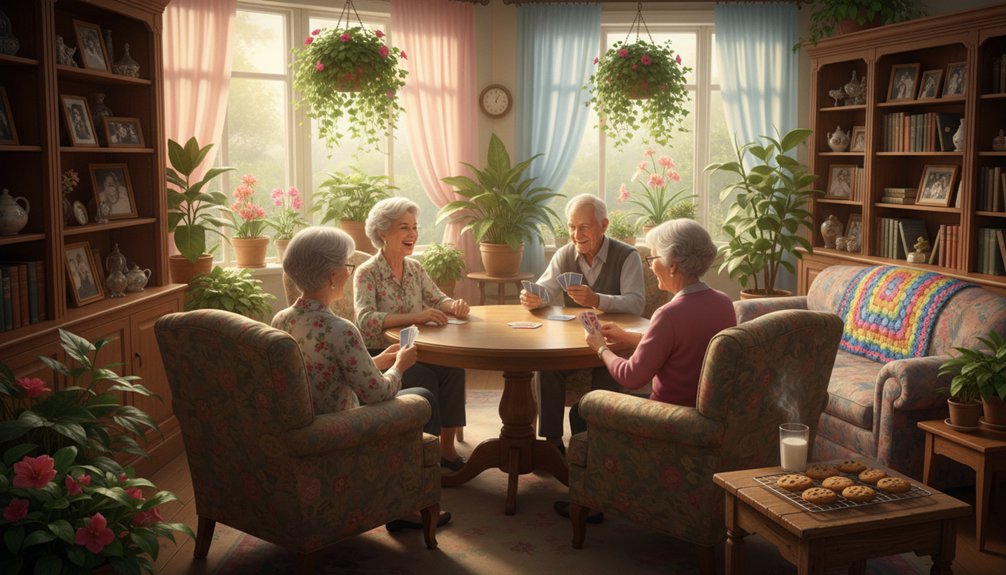
Retirement homes can significantly enhance the daily lives of seniors by providing tailored support that addresses their unique needs. These communities typically offer various services and amenities designed to promote safety, health, and well-being.
Some key features of retirement homes include:
- Safety and Health Monitoring: Many homes provide systems to monitor health and safety, ensuring that residents receive timely assistance if needed.
- Personalized Assistance: Staff members are often available to help with daily activities, allowing residents to maintain a level of independence while receiving the support they require.
- Nutritious Meal Options: Residents usually have access to balanced meal plans that cater to dietary preferences and health requirements, promoting better nutrition.
- Engaging Social Activities: Retirement homes often organize a variety of social and recreational activities, fostering community and encouraging residents to connect with one another.
When considering a retirement home, it is important to recognize that services and amenities can vary widely between communities. Factors to evaluate may include:
- Staffing and Support: Inquire about the availability of staff and the extent of support offered.
- Activities Offered: Look into the types of social and recreational activities available to see if they align with your interests.
- Meal Options: Understand the meal plans and dietary accommodations the community provides.
- Health Services: Determine what medical support and health monitoring options are available in the community.
Exploring these aspects can help you or your loved one find a retirement home that not only meets practical needs but also fosters a sense of community and enhances overall well-being during the golden years.
Key Takeaways
Retirement homes often prioritize the safety of residents by implementing regular fall-risk screenings and maintaining emergency response procedures. This focus on safety can provide peace of mind for both residents and their families.
In addition to safety measures, many communities offer customized nutrition plans and nutrient-dense snacks. These tailored dietary options can help residents maintain their health, enhancing their daily comfort and mobility.
Social connections are important for emotional well-being, and many senior living communities provide structured activities that encourage interaction among residents. These activities can help combat loneliness and foster a sense of belonging.
While these homes offer essential assistance, they also respect the privacy and autonomy of residents. Many communities allow older adults to make choices about their daily routines, which can contribute to a more fulfilling living experience.
Accessible transportation services are another consideration. Many retirement homes provide support that enables residents to attend medical appointments and participate in social outings, promoting independence and engagement with the community.
When researching senior living options, it can be beneficial to inquire about these aspects to find a community that aligns with the needs and preferences of yourself or a loved one.
Safety and Health Support in Retirement Communities
When exploring senior living communities for yourself or a loved one, it’s essential to prioritize safety and health support. These factors significantly contribute to a secure and comfortable living environment.
One important aspect is fall prevention. Many communities conduct regular safety checks to identify potential hazards, such as inadequate lighting or loose rugs. Additionally, standard fall-risk screenings are often implemented to monitor residents and ensure timely interventions when necessary. Assisted living staff help residents stay comfortable and safe while encouraging independence. The dedication of trained caregivers ensures that residents receive personalized attention and care tailored to their individual needs.
Emergency response procedures are another critical consideration. Communities typically have systems in place to provide rapid assistance during sudden incidents. Staff members receive training to respond effectively, ensuring residents can receive immediate care when needed.
Routine health monitoring is also common, allowing for the early detection of health changes. This proactive approach to well-being can help maintain the quality of life for residents.
By focusing on these safety measures, senior living communities aim to create an environment that fosters peace of mind for both residents and their families.
When researching options, consider asking about specific safety protocols, health monitoring practices, and emergency response training to better understand how a community supports its residents.
Assistance With Daily Activities and Housekeeping
Finding the appropriate support for daily activities and housekeeping can significantly improve the quality of life for seniors living in retirement communities. With the right assistance, residents can experience greater freedom and dignity throughout their daily routines.
Appropriate support enhances seniors’ quality of life, fostering independence and dignity in daily routines.
Personal Care and Activities of Daily Living
- Support with bathing, grooming, and dressing helps ensure residents maintain personal hygiene and comfort.
- Assistance with mobility, such as transitioning from bed to chair, promotes independence and safety. Personal care services provide hands-on support tailored to each resident’s needs, enhancing their overall daily experience.
Housekeeping and Home Organization
- Regular housekeeping services help maintain a clean and sanitary living environment.
- Laundry services can alleviate the physical demands of washing clothes, ensuring residents have fresh clothing available.
Customized Support
- Service plans can often be tailored to meet individual needs, providing flexibility in the level of assistance required.
- Scheduled visits may be adjusted based on residents’ changing requirements, ensuring they receive the necessary help at the appropriate times.
When considering care options, it’s important to investigate the specific services offered by each community, as they can vary significantly.
Asking questions about personal care, housekeeping, and the flexibility of support can help you make an informed decision for yourself or a loved one.
Nutrition, Dining, and Daily Comfort
In senior living communities, ensuring that residents receive adequate nutrition and have a pleasant dining experience is vital for their overall well-being and daily comfort.
Enhancing this experience can be achieved through thoughtful mealtime practices, a welcoming dining environment, and options that prioritize resident preferences.
Here are some important considerations:
- Meal Timing: Maintaining meal intervals of no more than five hours apart can help encourage regular intake and better nutrition. Cultural preferences should also be taken into account to ensure meal satisfaction.
- Snacks and Hydration: Offering nutrient-dense snacks and ensuring that hydration needs are met can promote comfort and satisfaction throughout the day.
- Assistance: Providing support with self-feeding, including the use of assistive devices and ensuring proper positioning, can enhance the enjoyment of meals for residents. Additionally, proper nutrition boosts mobility and independence in daily life, allowing seniors to feel more engaged and active.
When exploring senior living options, consider how these factors are addressed in different communities, as services and practices may vary.
Social Connection, Activities, and Emotional Well-being
Social connections are vital for enhancing the quality of life for seniors residing in retirement communities, as they promote emotional well-being and help alleviate feelings of loneliness and isolation. Engaging in structured activities can combat loneliness while significantly increasing life satisfaction. Research shows that the prevalence of loneliness among older individuals can range from 56% to 95.5%, highlighting the importance of fostering social connections in these communities. Participation in community events can also create relaxed bonding environments that encourage interaction among residents.
Participating in meaningful activities fosters a sense of belonging among residents, contributing positively to their overall experience. Research indicates that regular involvement in social programs can reduce symptoms of depression and anxiety, thereby improving mental health. Retirement communities often provide opportunities for both formal and informal interactions, such as group classes and communal events.
These interactions help cultivate friendships and shared experiences, creating a supportive environment. When considering a senior living option, it may be helpful to explore the following aspects of social engagement within the community:
- Types of Activities: Inquire about the variety of activities available, including arts and crafts, fitness classes, and social gatherings.
- Social Programs: Ask how often social programs are organized and what types of events are included.
- Community Engagement: Look for opportunities for residents to interact with each other, fostering friendships and a sense of community.
- Staff Support: Determine if staff members are available to facilitate activities and encourage participation among residents.
Understanding these elements can assist you in evaluating how a particular community may enrich daily living for seniors. A strong sense of community can significantly enhance the overall experience for residents, making it an important factor to consider in your decision-making process.
Privacy, Autonomy, and Accessible Environment
When exploring senior living options, it’s important to prioritize privacy, autonomy, and accessibility in the communities you’re considering. Many quality retirement homes offer features that enhance residents’ dignity and personal space, such as single-occupancy rooms and private bedrooms. Approximately 81% of residents enjoy private living arrangements, which allows them to lock their doors and manage their own visibility, thus supporting their sense of independence. In addition, facilities often provide specialized dementia care to ensure that all residents receive the appropriate level of support.
Effective communication is also crucial in these environments. Communities typically facilitate unrestricted private conversations and provide designated areas for family visits, allowing residents to socialize in a way that feels comfortable and respectful to them. Additionally, residents have the right to manage their finances and set their daily routines, including activity and meal schedules, further promoting their autonomy.
Effective communication fosters comfort and respect, enabling residents to socialize freely with family and friends in designated areas.
Additionally, accessibility features, such as higher bed heights, can help promote both safety and independence for older adults.
When researching senior living communities, consider asking about the following:
- Privacy Options: What types of living arrangements are available? Are there private rooms, and can residents lock their doors?
- Communication Policies: How does the community support private conversations and visits with family and friends?
- Accessibility Features: What modifications are in place to assist residents with mobility challenges?
These thoughtful policies and designs can empower residents, helping them maintain control over their daily lives in a comfortable and respectful environment.
Focusing on privacy and autonomy can play a significant role in enhancing the overall quality of life for seniors.
Transportation, Amenities, and Lifestyle Convenience
Finding the right retirement home involves careful consideration of how daily life will be managed to ensure comfort and enjoyment. Transportation services can play a key role in enhancing independence for older adults. Many senior living communities offer scheduled shuttles for medical appointments, shopping trips, and social outings, which can alleviate the need for personal vehicles or reliance on family members.
On-site amenities can also significantly reduce the need for daily errands. Services such as housekeeping and laundry can help maintain a tidy living space, while dining options that cater to individual dietary needs ensure that residents have convenient access to meals.
Additionally, recreational facilities, including fitness centers and activity rooms, can provide opportunities for residents to stay active and engaged. Outdoor spaces for relaxation and spiritual services may also be available, contributing to a vibrant and fulfilling lifestyle. Furthermore, community resources like Project CART offer free rides for essential appointments, ensuring reliable transportation for residents.
When researching senior living options, consider the following services and amenities that may vary by provider:
- Transportation Services: Are shuttles available for medical and social outings?
- Housekeeping and Laundry Services: What support is provided for day-to-day chores?
- Dining Options: Are there meal plans that cater to specific dietary needs?
- Recreational Facilities: What types of activities and fitness options are offered?
- Outdoor Spaces: Are there gardens or areas for relaxation and socialization?
- Spiritual Services: Is there access to religious or spiritual support?
These conveniences not only support independence but also foster a sense of community, helping residents enjoy each day to the fullest.
Frequently Asked Questions
How Do Retirement Communities Handle Emergencies and Medical Crises?
Retirement communities typically manage emergencies and medical crises by following established protocols designed to ensure the safety and well-being of their residents. Here are some key aspects to consider when evaluating how a community handles such situations:
- Staff Training: Staff members are often trained in first aid and CPR to ensure they can respond quickly during incidents. This training helps prepare them for various emergencies that may arise.
- Emergency Response: Designated personnel within the community are responsible for assessing situations, contacting emergency services, and providing immediate clinical support when necessary. This organized approach can make a significant difference in critical moments.
- Regular Drills: Many communities conduct regular emergency drills to keep staff prepared and familiar with response protocols. This practice can enhance the overall readiness of the team.
- Communication Channels: Established communication methods are essential for keeping families and residents informed during emergencies. Understanding how updates will be shared can provide peace of mind to families.
- Medical Information: Communities often maintain important medical information about residents to facilitate swift transfers to hospitals if needed. This focus on retaining critical health details helps ensure continuity of care.
When researching senior living options, it’s beneficial to inquire about how a particular community prepares for emergencies and what specific services they offer in these situations. Understanding these aspects can help you make an informed decision about the care and safety of yourself or your loved one.
What Types of Social Activities Are Available for Residents?
In senior living communities, a range of social activities is typically available to help residents connect with one another and engage in enjoyable experiences.
Here are some common types of activities you may find:
- Group Gatherings: Residents can participate in social events such as happy hours, coffee socials, and themed parties, offering opportunities to meet and interact with neighbors.
- Physical Activities: Many communities offer options like chair yoga, tai chi, and outdoor events that encourage physical wellness, which is an important aspect of healthy aging.
- Creative Programs: Engaging in arts and crafts sessions, music groups, or book clubs can provide residents with creative outlets and opportunities for self-expression.
- Community Engagement: Some communities may facilitate attendance at religious services or provide volunteer opportunities, allowing residents to remain connected with their values and contribute to the community.
These social activities can enhance residents’ overall well-being and help foster lasting relationships within the community.
When researching senior living options, consider asking about the specific activities offered and how they align with your or your loved one’s interests and preferences.
Services and opportunities can vary by community, so it’s essential to find a setting that fits well with individual lifestyles.
Can Residents Personalize Their Living Spaces?
Yes, residents can personalize their living spaces in a senior living community, which can help create a sense of home and comfort. Here are some common options for personalization:
- Photos and Mementos: Residents may choose to display family pictures or cherished keepsakes that hold special meaning.
- Favorite Furniture: If space allows, bringing a beloved chair or small sofa can make a living area feel more familiar and inviting.
- Textiles: Adding blankets, pillows, or quilts can provide warmth and a touch of personal style to the space.
- Wall Décor: Hanging artwork or framed pictures that reflect personal taste can enhance the overall ambiance.
It’s important to check the community’s specific guidelines regarding personalization to ensure that any changes align with their policies.
This step can help avoid any potential misunderstandings while allowing residents to express their individuality in their living spaces.
Are Pets Allowed in Retirement Homes?
Yes, many retirement homes, particularly independent living communities, do allow pets. Approximately 90% of these communities are pet-friendly.
However, it’s important to understand that policies regarding pet ownership can vary. Common considerations include:
- A limit on the number of pets, often with restrictions on breed or size.
- Requirements for documentation confirming vaccinations and overall health of the pet.
- Possible additional fees associated with pet ownership.
Residents are typically responsible for the care of their pets, including any damages that may occur.
Having a pet can significantly enhance the quality of life for older adults, offering companionship and joy as they transition into this new stage of living.
When researching options, it may be helpful to inquire about the specific pet policies of each community to ensure they align with your preferences and needs.
How Do Fees and Costs Vary Among Different Communities?
Fees and costs associated with different senior living communities can vary significantly, and understanding these differences is crucial when researching options for yourself or a loved one.
- Entrance Fee Communities: These communities often require a substantial upfront entrance fee, which can range from $80,000 to over $1 million. In addition, there are monthly fees that typically fall between $2,500 and $5,000. This model may include a range of services and amenities, but it’s important to clarify what’s covered in these costs.
- Rental Communities: In contrast, rental communities usually have lower upfront costs, generally between $1,000 and $5,000. Monthly rents in these settings can vary from $2,000 to $6,000. Residents typically pay for services as needed, which can provide greater flexibility in managing ongoing expenses.
When evaluating different communities, consider the following factors:
- Services Offered: Ensure you understand what services are included in the fees, such as meals, housekeeping, transportation, and medical support. These can vary widely from one community to another.
- Future Care Needs: Think about your or your loved one’s long-term care needs. Some communities may offer a continuum of care, from independent living to assisted living and memory care, which could be beneficial as needs change over time.
- Amenities and Activities: Review the amenities available, such as fitness programs, social activities, and recreational facilities, as these can enhance the quality of life for residents.
- Community Environment: Visit potential communities to get a feel for the atmosphere and culture. It’s important that the environment feels comfortable and welcoming.
As you explore different senior living options, being informed about the financial structures and services available will help you make a decision that aligns with your needs and preferences.