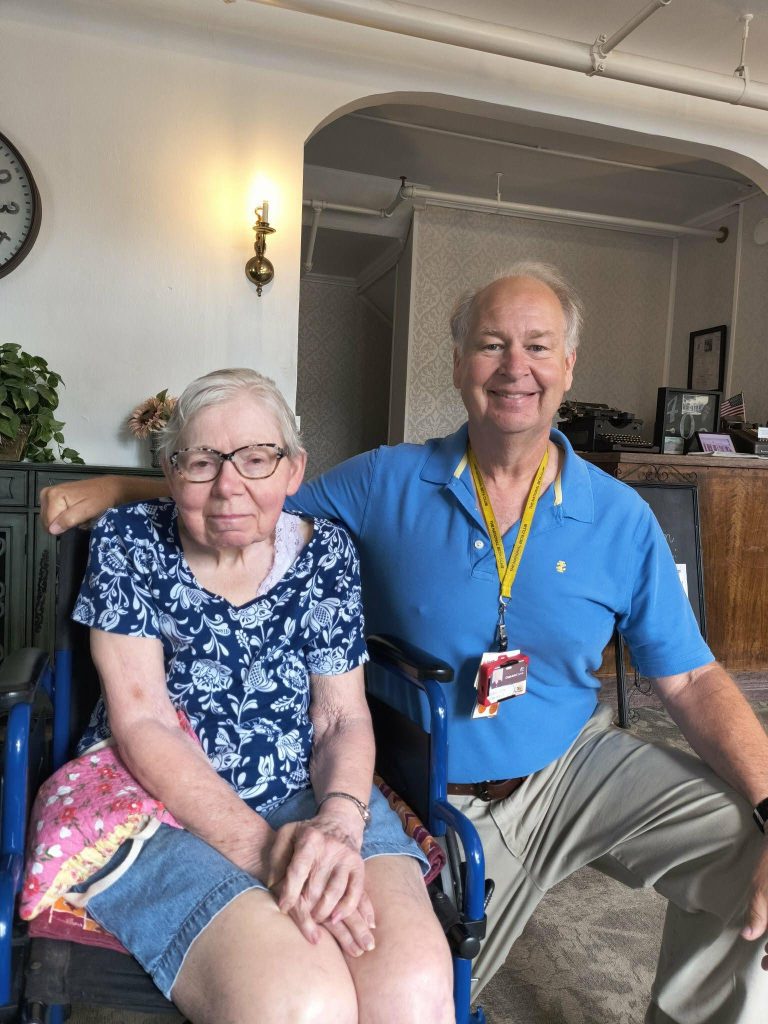
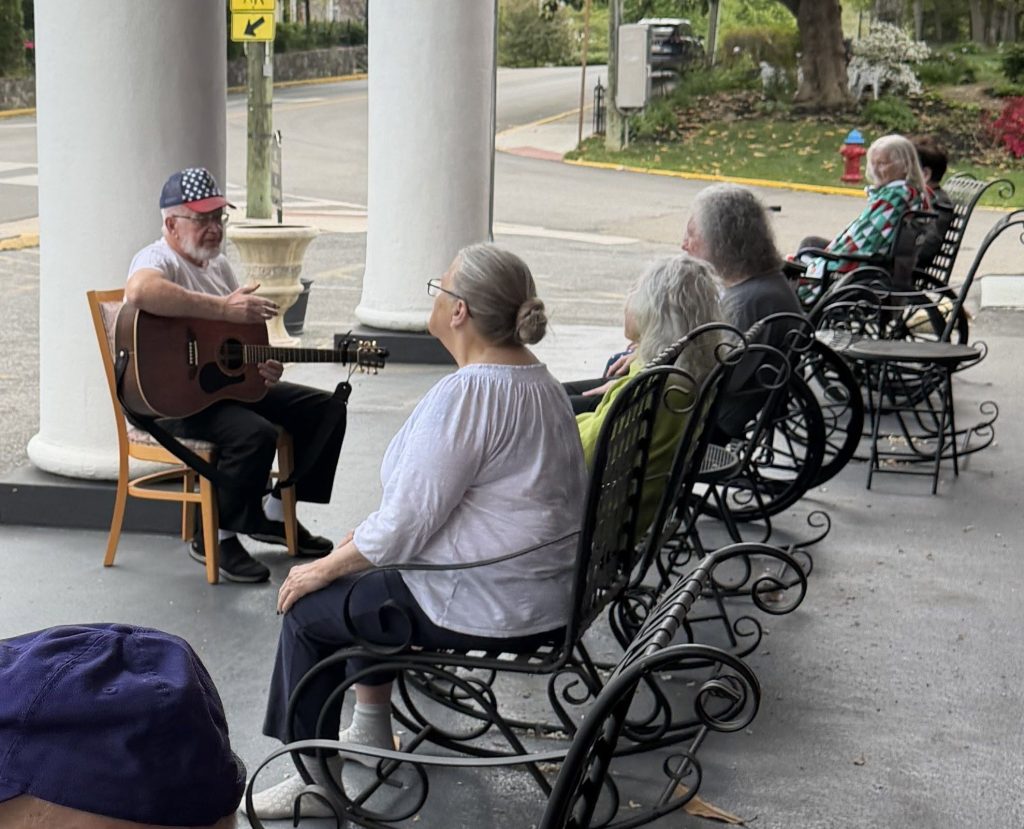
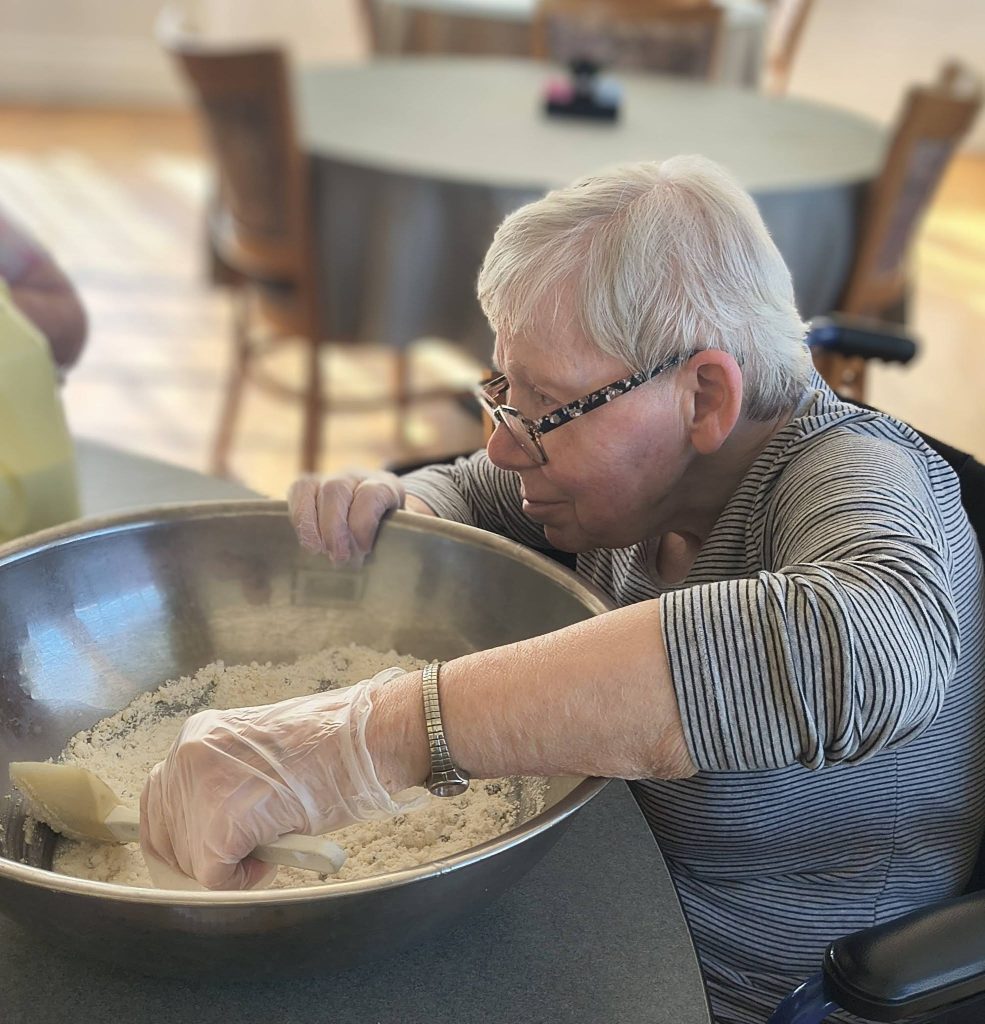
Friendship and conversation matter in senior living because they boost emotional well-being and combat loneliness. Connecting with others creates a supportive network, enhances your mood, and offers a sense of belonging. Engaging in shared activities fosters deeper bonds and enriches daily life. Plus, technology helps maintain these connections, making it easier to interact with loved ones. With the right approach, you can strengthen these ties and discover even more benefits that friendship brings to your life.
Key Takeaways
- Friendships enhance emotional well-being, providing joy and comfort in senior living environments.
- Meaningful conversations reduce feelings of loneliness and foster a sense of belonging.
- Shared activities create deeper connections and promote friendship growth among residents.
- Technology enables seniors to maintain friendships and connect with loved ones easily.
- Strong social ties improve overall mental and physical health, enriching daily life.
The Emotional Benefits of Friendship in Senior Living
Friendship plays an essential role in enhancing emotional well-being in senior living environments. When you foster connections with others, you create a support network that brings joy and comfort.
These relationships can boost your mood, reduce stress, and provide a sense of belonging. Sharing experiences and memories with friends helps you feel valued and understood, which is crucial at any age.
Engaging with others also encourages a sense of purpose, making daily life more fulfilling. You’ll find that laughter and companionship not only lighten your spirit but also contribute to a healthier outlook on life. Additionally, regular interactions lead to improved mental well-being and reduced isolation.
How Friendships and Conversations Combat Loneliness?
Building strong connections not only enhances emotional well-being but also serves as a powerful antidote to loneliness. When you engage in meaningful conversations, you don’t just share stories; you create bonds that foster a sense of belonging. Each interaction, whether it’s a laugh or a heartfelt discussion, helps diminish feelings of isolation.
Friendships provide a support system, reminding you that you’re not alone in your experiences. These connections encourage you to express yourself, leading to mutual understanding and shared joy. Additionally, strong social ties improve mental and physical health, reducing loneliness and enhancing quality of life.
Building Friendship Through Social Activities
While engaging in social activities, you’ll discover that shared experiences naturally foster friendships. Participating in group games, art classes, or community outings gives you the chance to connect with others on a deeper level.
As you share laughter and stories, you’ll build bonds that enrich your life—and theirs. These interactions can spark conversations that lead to lasting connections.
Encouraging one another during activities creates a supportive environment, where friendships thrive. When you take the initiative to invite someone to join you, it shows you care. Engaging in these activities not only enhances emotional well-being but also fosters a strong sense of community.
How Technology Affects Senior Friendships
As technology continues to evolve, it plays a significant role in shaping how seniors form and maintain friendships. With smartphones and tablets, you can easily connect with friends and family through calls, texts, or social media. These tools break down geographical barriers, allowing you to keep in touch with loved ones who might live far away.
Video chats offer a face-to-face experience, fostering deeper connections despite distance. Moreover, online communities provide opportunities to meet new friends who share similar interests. However, while technology can enhance friendships, it’s essential to balance screen time with in-person interactions. Encouraging seniors to embrace both online and offline connections can lead to enriched social lives, enhancing their overall well-being and happiness. Additionally, smart technology solutions can promote engagement and independence among seniors, further enriching their social experiences.
Tips for Caregivers to Encourage Open Dialogue
To foster open dialogue with seniors, caregivers should create a welcoming environment that encourages sharing thoughts and feelings.
Start by actively listening; show genuine interest in what they say. Use open-ended questions to invite deeper conversations, and be patient as they express themselves.
Actively listen with genuine interest, ask open-ended questions, and be patient as they share their thoughts and feelings.
Incorporate regular check-ins during daily activities, making discussions feel natural and unforced. Celebrate their experiences and stories, reinforcing that their voices matter.
Non-verbal cues, like maintaining eye contact and nodding, can also enhance your connection.
Finally, respect their privacy; let them know they can share at their own pace. Additionally, engaging in shared interests and hobbies can provide a comfortable context for more meaningful conversations.
Overcoming Barriers to Connection in Senior Living
Creating an environment that encourages open dialogue is just the first step in fostering connections among seniors.
To truly overcome barriers, you need to be mindful of individual needs and preferences. Many seniors face challenges like mobility issues, hearing impairments, or social anxiety, which can hinder interaction.
You can help by facilitating accessible spaces and organizing smaller, intimate gatherings that feel less intimidating. Encourage active listening and empathy; sometimes, a reassuring presence can make all the difference.
Additionally, be aware of technology barriers—offering simple tech support can open new avenues for connection. Incorporating video calls can further strengthen family bonds and reduce feelings of loneliness.
How Group Chats Can Boost Brain Health?
Group chats can be a powerful tool for boosting brain health, especially among seniors who may feel isolated. Engaging in these conversations stimulates cognitive function, as you share thoughts, ideas, and experiences. Regular interaction helps sharpen memory and critical thinking skills, making your brain work more actively.
Moreover, group chats foster a sense of belonging, which can reduce feelings of loneliness and depression. By discussing various topics, you’re not only keeping your mind engaged but also learning from others. Engaging in cognitive activities can significantly enhance overall mental well-being.
Encouraging participation in these chats creates connections, allowing seniors to support one another. Whether it’s sharing hobbies or discussing current events, these interactions enrich lives and strengthen mental well-being.
Transformative Friendship Stories From Senior Communities
While many might assume that friendships fade with age, countless stories from senior communities reveal how transformative these connections can be.
You might find residents forming deep bonds through shared activities, like gardening or book clubs, creating a sense of purpose and belonging.
One resident often recounts how a simple game night led to an unexpected friendship that helped her navigate loneliness.
Another story highlights a duo who support each other through health challenges, proving that companionship can uplift spirits during tough times.
These friendships not only enrich lives but also foster a supportive environment. Investing in social connections is essential for enhancing the overall quality of life in assisted living settings.
Frequently Asked Questions
How Can Family Members Support Friendships in Senior Living?
Encourage your loved one to join activities, introduce them to others, and visit often. Share stories about their friendship experiences, helping them feel valued, and remind them that maintaining connections enriches their lives in senior living.
What Role Does Humor Play in Senior Friendships?
Humor strengthens senior friendships by fostering joy and connection. When you share laughs, it lightens the mood, eases stress, and creates lasting memories. Embrace humor; it enriches relationships and promotes a positive atmosphere.
Are There Specific Activities That Foster Deeper Connections?
Yes, activities like group games, cooking classes, or book clubs foster deeper connections. Engaging in shared interests encourages laughter and meaningful conversations, helping you and others build lasting friendships and enrich your daily lives.
How Can Pets Contribute to Friendship Among Seniors?
Pets can bring seniors together by sparking conversations, encouraging shared activities, and providing companionship. You’ll notice how caring for a pet fosters connections, creating a warm environment where friendships naturally flourish and grow.
What Can Seniors Do if They Feel Socially Overwhelmed?
If you feel socially overwhelmed, take a break. Find a quiet space, breathe deeply, or engage in a calming activity. Reconnect with yourself before joining conversations again; it’s perfectly okay to prioritize your well-being.