February’s all about love and friendship, making it the perfect time to build community in assisted living. You can lift spirits and foster connections through simple gestures and shared experiences. Organize fun activities like game nights or arts and crafts to bring everyone together. Laughter is a powerful tool, breaking down barriers and creating bonds. By focusing on social connections this month, you’ll create a warm environment that nurtures lasting friendships. There’s so much more to explore on this topic.
Key Takeaways
- February’s focus on love and friendship encourages residents to deepen their community bonds through shared experiences and meaningful interactions.
- Engaging in activities like game nights and arts and crafts fosters social connections and reduces feelings of isolation among residents.
- Laughter plays a crucial role in bonding, breaking down barriers and creating a joyful atmosphere conducive to friendship.
- Involving family members in February activities enhances social engagement and strengthens the sense of community among residents.
- Creating comfortable social spaces invites residents to gather, share stories, and foster relationships, enriching their quality of life.
The Importance of Social Connections in Assisted Living
While many people may underestimate the power of social connections, they play a crucial role in enhancing the quality of life in assisted living. Building friendships fosters a sense of belonging, reduces feelings of isolation, and promotes emotional well-being.
When you engage with others, you create opportunities for shared experiences and laughter, which can uplift spirits and encourage a positive atmosphere. By facilitating activities that bring residents together, you can nurture these bonds, making daily life more enjoyable.
Encouraging conversations and collaboration among residents not only strengthens individual relationships but also builds a vibrant community. Additionally, social activities promote engagement and interaction among residents, further enriching their experience. Remember, when you invest in social connections, you’re not just enhancing lives; you’re creating a supportive environment where everyone thrives and feels valued.
February: A Month of Love and Friendship
February brings a special focus on love and friendship, making it the perfect time to celebrate the connections we share in assisted living communities. This month, you can take the opportunity to deepen bonds with residents and staff alike.
Simple gestures, like sharing kind words or enjoying a cup of tea together, can create a warm atmosphere filled with joy. Encouraging residents to reminisce about cherished friendships can spark delightful conversations and laughter.
You’ll find that these moments not only brighten their days but strengthen the sense of belonging within the community. By prioritizing love and friendship this February, you help foster a supportive environment where everyone feels valued and connected, making a meaningful impact in their lives. Additionally, involving family members in activities can significantly reduce social isolation and enhance the overall well-being of residents.
Activities That Foster Community Engagement
Engaging residents through well-planned activities can greatly enhance community spirit in assisted living settings.
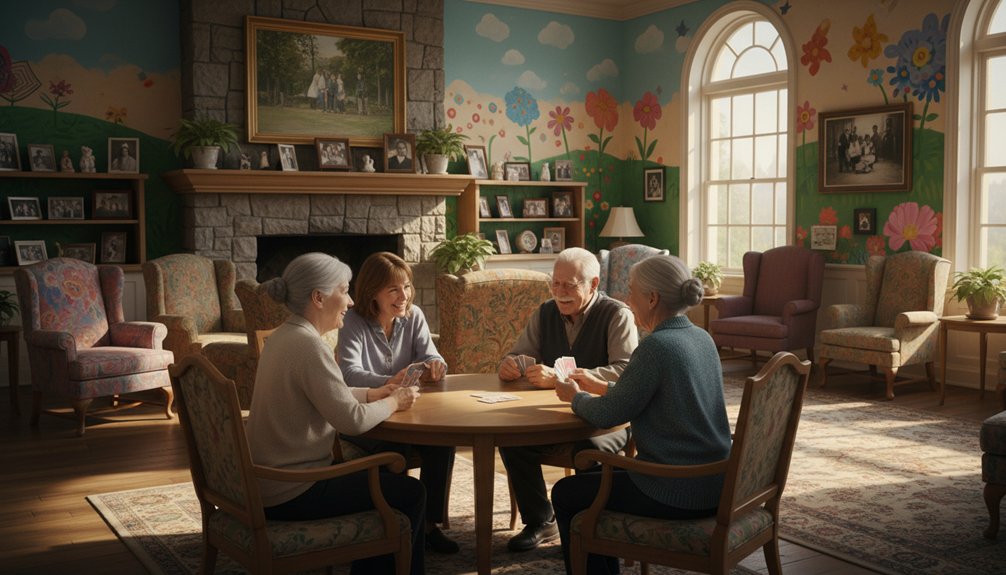
Consider organizing regular game nights, where everyone can enjoy board games or card games together. Arts and crafts sessions can encourage creativity and provide a platform for residents to share their talents. Cooking classes or bake-offs not only foster teamwork but also create delicious treats to share.
Additionally, book clubs or movie nights can spark lively discussions and connections among residents. Hosting seasonal celebrations or themed parties brings a sense of excitement and togetherness. Regular participation in these activities can also contribute to overall physical wellness and improve the quality of life for residents.
The Role of Laughter in Building Bonds
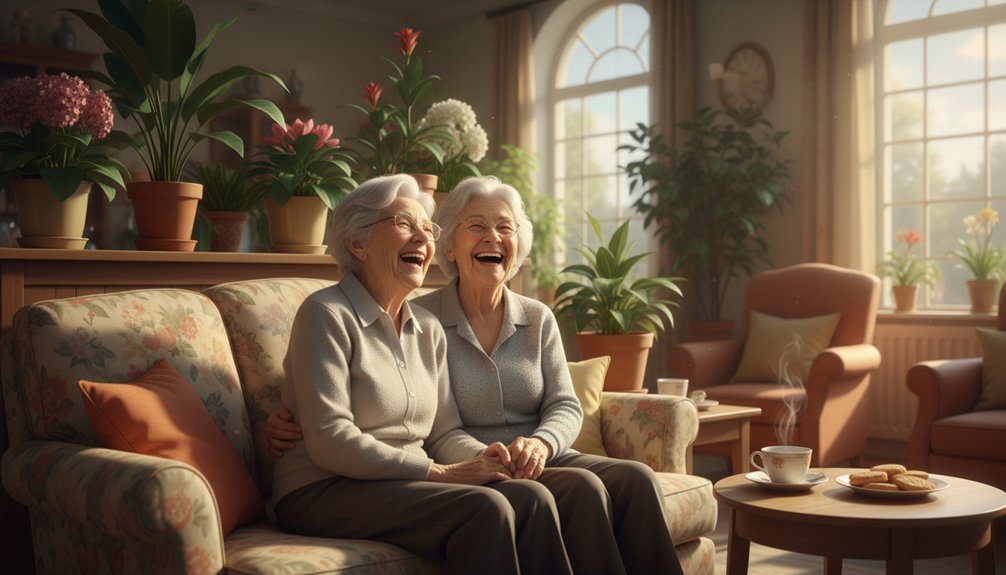
Creating a vibrant community goes beyond activities; it also hinges on the connections residents build with each other. Laughter plays an essential role in forming these bonds. When you share a laugh, you break down barriers and foster a sense of belonging. It lightens the atmosphere, making interactions feel more relaxed and genuine.
Encouraging humor can spark conversations and help residents find common ground. Whether it’s through a funny story or a light-hearted joke, laughter invites connection and warmth. Engaging in intergenerational activities not only promotes joy but also strengthens the ties between different generations.
You’ll notice that these moments of joy create lasting memories, reinforcing friendships. As you cultivate an environment where laughter thrives, you pave the way for deeper relationships, enhancing the overall community experience for everyone involved.
Celebrating Special Events and Holidays
While you might think of special events and holidays as simple markers on a calendar, they actually serve as essential opportunities for connection in assisted living communities. Celebrating these occasions brings residents together, fostering a sense of belonging and joy.
You can organize festive gatherings, where sharing stories and laughter create lasting memories. Encourage participation in themed decorations, music, and activities that resonate with everyone.
These moments help strengthen relationships, allowing residents to bond over shared experiences and traditions. By highlighting the importance of special events, you cultivate an environment that values connection and community. Additionally, engaging in volunteer programs can further enhance residents’ sense of purpose and belonging.
Make it a point to celebrate each occasion, ensuring everyone feels included and cherished, enhancing their overall well-being and happiness in the community.
Encouraging Intergenerational Interactions
Special events not only celebrate traditions but also provide a perfect backdrop for fostering intergenerational interactions within assisted living communities.
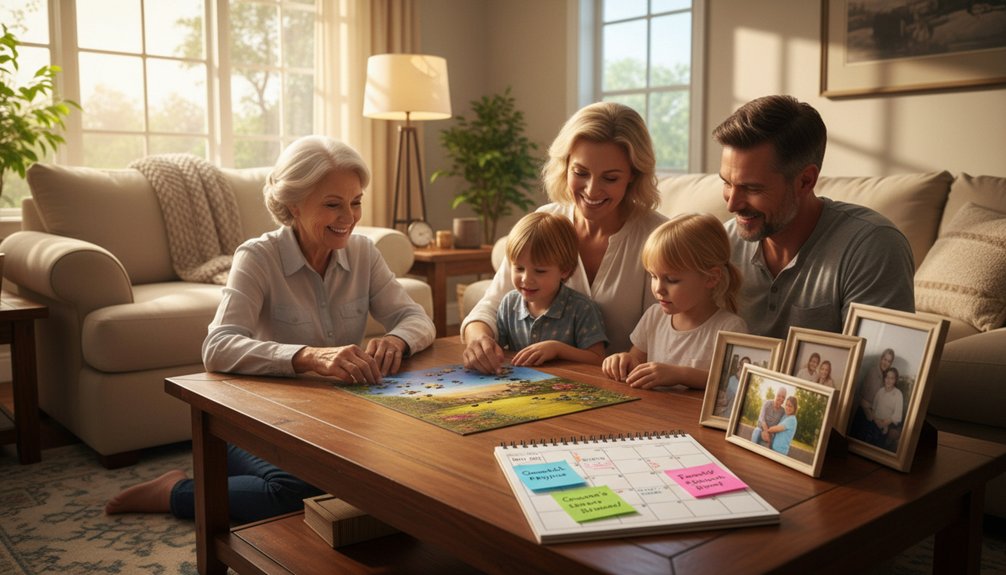
You can organize activities that invite families and younger volunteers to engage with residents, bridging generational gaps. Consider hosting game nights or art projects where everyone can contribute their unique perspectives.
These interactions help residents feel valued and connected while allowing younger participants to learn from their wisdom. Encourage storytelling sessions where residents share their life experiences, sparking meaningful conversations and laughter. Additionally, these events promote social engagement that enhances emotional well-being and reduces feelings of isolation among seniors.
Creating Comfortable Spaces for Socialization
To foster meaningful connections among residents, it’s essential to design spaces that invite social interaction and comfort.
Think about creating cozy seating areas where residents can gather, chat, and share stories. Incorporate soft lighting and warm colors to make the environment feel welcoming.
Creating inviting seating areas encourages residents to connect, chat, and share stories in a warm, welcoming atmosphere.
Consider adding communal tables for group activities or games, encouraging collaboration and laughter. Outdoor spaces with gardens or patios can also enhance socialization, allowing residents to enjoy fresh air together.
Providing accessible areas for hobbies like crafts or book clubs can spark friendships. Additionally, integrating accessible garden beds into outdoor spaces can encourage residents to engage in gardening activities, further promoting social interaction and connection.
Volunteer Opportunities to Strengthen Community Ties
Engaging in volunteer opportunities can greatly strengthen community ties within assisted living facilities. By dedicating your time and skills, you help create a vibrant environment where residents feel valued and connected.
Consider organizing activities like game nights, art classes, or exercise sessions, which not only entertain but also foster friendships. You might also explore intergenerational programs, bringing in local schools to share experiences and laughter.
Remember, sharing your talents—whether it’s gardening, music, or storytelling—can inspire others and build lasting bonds. Additionally, volunteering with others cultivates camaraderie among participants, enhancing the overall sense of community. Your efforts truly make a difference, enriching lives and creating a warm, welcoming atmosphere for everyone involved. Engaging in intergenerational activities can elevate mood and reduce feelings of isolation, further strengthening these community ties.
Long-lasting Friendships: Building a Supportive Network
While building a supportive network in assisted living, you’ll discover that long-lasting friendships can markedly enhance the quality of life for residents. These connections provide emotional support, reduce feelings of loneliness, and foster a sense of belonging.
Encourage residents to share their stories, hobbies, and passions; this creates opportunities for meaningful interactions. Organize small group activities where friendships can blossom naturally, such as game nights or art classes.
Remember, it’s essential to celebrate each resident’s unique qualities, as this appreciation deepens bonds. By nurturing these relationships, you’ll help create an environment where everyone feels valued and connected. Additionally, organizing regular group activities can significantly enhance social engagement, fostering connections among residents.
Ultimately, fostering long-lasting friendships enriches lives and builds a vibrant, supportive community that residents can rely on for companionship and joy.
Frequently Asked Questions
How Can Families Participate in Community Activities at Assisted Living Facilities?
You can actively participate in community activities at assisted living facilities by joining in on events like game nights, art classes, or social gatherings.
Don’t hesitate to volunteer your time, whether it’s leading a project or simply chatting with residents.
Bring family members along to strengthen bonds and share experiences.
Your involvement not only enriches the lives of residents but also deepens your family connections and creates lasting memories together.
What Role Do Pets Play in Fostering Community Connections?
Pets play an essential role in fostering community connections. When you bring a pet into the mix, you create opportunities for interaction and shared experiences.
Residents often bond over their love for animals, sparking conversations and friendships. You might notice folks gathering for pet-related activities or simply enjoying a stroll together with their furry companions.
Pets can be a bridge, breaking down barriers and enriching the sense of belonging within the community.
How Do Staff Members Promote Social Engagement Among Residents?
Staff members promote social engagement among residents by organizing various activities that cater to different interests. They encourage participation in game nights, art classes, and group outings, ensuring everyone feels included.
By fostering an inviting atmosphere, they spark conversations and connections among residents. Additionally, staff often facilitate small group discussions or shared meals, making it easier for you to bond with others.
Their enthusiasm and support help create a vibrant community.
Are There Specific Programs for Residents With Mobility Challenges?
Yes, there are specific programs designed for residents with mobility challenges.
You can participate in seated exercises, adaptive yoga, or arts and crafts tailored for different ability levels. Staff members often organize social gatherings that accommodate everyone, ensuring no one feels left out.
How Can Technology Enhance Communication Within the Community?
Technology can greatly enhance communication within the community by providing tools that connect residents easily.
You can use video calls to bridge distances, enabling family and friends to stay in touch. Group messaging apps can help share updates, events, and reminders quickly.
Additionally, social media platforms allow residents to engage with each other, fostering connections and reducing feelings of isolation.
Embracing these technologies makes interactions more accessible and enjoyable for everyone involved.