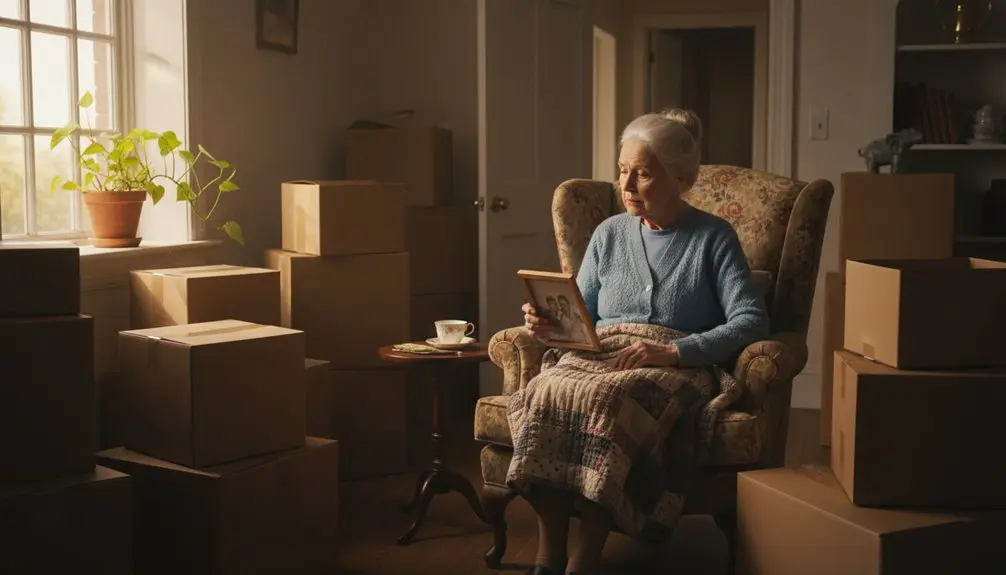
When researching a retirement home, daily comfort is a crucial aspect that can significantly influence your overall happiness and well-being. A clean and organized environment can enhance a resident’s dignity, while comfortable living conditions play a vital role in improving quality of life.
Consider the following factors that contribute to daily comfort in a senior living community:
- Nutritious Meals: Access to healthy, balanced meals is essential for maintaining physical health and well-being. Verify if the community offers a variety of dietary options and accommodates specific nutritional needs.
- Meaningful Activities: Engaging activities can foster social connections and provide mental stimulation. Look for communities that offer a diverse range of programs tailored to residents’ interests and abilities.
- Personal Space: A private area where residents can relax and enjoy their own time is important for maintaining a sense of autonomy. Inquire about the layout of living spaces and the availability of personal rooms or apartments.
These elements collectively contribute to a sense of belonging and independence. It is important to understand how these factors may vary by community, as not all senior living settings offer the same services, amenities, or activities.
When considering a retirement home, it may be helpful to ask questions such as:
- What types of meals are provided, and can dietary preferences be accommodated?
- What activities are available, and how frequently do they change?
- How is personal space organized within the community?
By evaluating these considerations, you can make a more informed decision to ensure a fulfilling retirement experience for yourself or your loved one.
Key Takeaways
Daily comfort plays a crucial role in enhancing the emotional health and overall well-being of residents in a senior living community. Here are some key aspects to consider when evaluating comfort in a retirement home:
- Clean and Orderly Environment: A well-maintained community fosters dignity and can help reduce health risks for older adults. Look for communities that prioritize cleanliness in both common areas and personal living spaces.
- Personal Space and Privacy: Having access to personal space contributes to a sense of autonomy and can greatly improve a resident’s quality of life. Consider how much personal space is provided and whether residents have the privacy they need.
- Engaging Activities: Opportunities for social interaction through engaging activities can help alleviate feelings of isolation and enhance satisfaction. Inquire about the types of activities offered and how they promote a sense of community among residents.
- Environmental Features: Well-designed features such as adequate lighting and temperature control can significantly impact daily comfort and mobility. Evaluate the physical environment to ensure it meets the needs of residents, particularly those with mobility challenges.
When researching senior living options, keep these considerations in mind to ensure that the community aligns with the comfort and well-being of yourself or your loved one.
The Importance of a Clean and Comfortable Environment
When researching senior living options, one crucial factor to consider is the cleanliness and comfort of the environment. A safe and well-maintained community can significantly influence residents’ well-being, contributing to their emotional health and overall satisfaction. Additionally, facilities that prioritize comprehensive healthcare services often have stringent cleaning protocols to ensure a healthier living atmosphere.
Inadequate cleanliness can lead to health risks, including infections that may adversely affect residents’ quality of life. Regular cleaning and disinfecting of high-touch surfaces can help mitigate these risks, as environmental cleaning interventions foster a healthier living atmosphere. Additionally, the provision of fresh linens and an orderly environment enhances dignity and comfort for residents.
Inadequate cleanliness poses health risks, making regular cleaning essential for a healthier living environment.
When evaluating communities, consider asking about their cleaning protocols and how frequently they maintain common areas. It’s also beneficial to observe the general upkeep during your visit, as this can provide insight into the community’s commitment to cleanliness and resident comfort.
Autonomy and Control Over Daily Routines
A clean and comfortable environment is fundamental for older adults living in a senior living community, but having control over daily routines is equally vital for enhancing their quality of life.
Allowing residents to make choices about their daily schedules—such as when to wake up, eat, and participate in activities—can significantly improve their overall well-being. Research indicates that flexibility in daily routines fosters a sense of autonomy and self-determination among residents. This control supports personal dignity and contributes to a higher quality of life. Moreover, studies show that perceived autonomy correlates with increased satisfaction in daily routines, emphasizing its importance. Personalized activities promote social interaction and emotional well-being, further enhancing the residents’ experience.
Therefore, it’s crucial for caregivers and families to prioritize residents’ preferences, ensuring that each individual feels valued and respected. When exploring senior living options, consider asking the following questions to assess how each community supports autonomy:
- How much choice do residents have in their daily activities and schedules?
- Are there opportunities for residents to express their preferences regarding meals and recreation?
- What measures are in place to encourage independence and self-determination?
Fostering autonomy can transform a senior living community into a nurturing environment that celebrates individual choices and lifestyles. It’s essential to look for communities that recognize and support the unique needs and desires of their residents.
Engaging in Meaningful Activities
Engaging in meaningful activities can significantly enhance the quality of life for older adults living in senior communities. Participation in purposeful leisure, social, and discretionary activities is linked to higher levels of life satisfaction and improved moods among residents. Activities such as conversations, social visits, and group events can help alleviate feelings of isolation, fostering a sense of belonging in the community. Additionally, activity engagement provides purpose through skill utilization and contribution, which is especially important for residents with cognitive and functional dependencies. Engaging in activities like community gardening not only connects seniors with nature but also promotes social interactions and friendships.
Incorporating both physical and cognitive activities is important as it can lead to better health outcomes, improved mobility, and enhanced cognitive function. This active participation not only promotes happiness and morale but also supports overall well-being, which may reduce the risk of depression.
When considering senior living options, it’s beneficial to inquire about the variety of activities offered and how they support meaningful engagement. Here are some points to consider:
- Types of Activities: Ask about the range of activities available, including social, recreational, and educational options.
- Frequency and Accessibility: Inquire how often activities are scheduled and if they’re accessible to all residents.
- Resident Involvement: Explore whether residents have input into planning activities that interest them.
- Physical and Cognitive Engagement: Look for communities that offer both physical exercises and mental stimulation activities.
- Community Environment: Consider how the community fosters social connections among residents.
Building Strong Staff Relationships
Building strong relationships between staff and residents is vital in senior living communities, as they contribute to a supportive and nurturing environment. Consistent, positive interactions between staff and residents often lead to enhanced quality of life, making residents feel more connected and valued. Open communication plays a crucial role in fostering trust, enabling residents to share their stories and interests, which can significantly enhance their emotional comfort. Moreover, the satisfaction of staff members can have a direct impact on resident happiness. Staff members who exhibit positive attitudes and kindness can make a noticeable difference in the daily experiences of residents. When considering a senior living community, it’s important to observe the rapport between staff and residents, as this dynamic can provide valuable insights into the overall quality of care offered. Person-centered care leads to better clinical outcomes, further emphasizing the importance of strong staff-resident relationships. Engaging in shared experiences can create joyful moments that strengthen bonds within the community.
When researching care options, keep the following factors in mind:
- Engagement: Look for communities where staff actively engage with residents, promoting meaningful connections.
- Communication: Assess how open and responsive the communication is between staff and residents, as this can foster a sense of trust.
- Staff Satisfaction: Consider the morale and satisfaction levels of staff, as these can influence the care environment.
- Community Atmosphere: Evaluate the overall atmosphere of the community to determine if it feels welcoming and supportive.
Ultimately, strong relationships between staff and residents not only improve daily comfort but also help create a true sense of home, allowing everyone to thrive in a supportive community.
Ensuring Safety and Security
When considering a retirement home, prioritizing safety and security is essential for ensuring peace of mind for both residents and their families. Here are key factors to keep in mind:
- Fall-Prevention Measures: Look for communities that implement robust fall-prevention strategies, such as grab bars, handrails, and nonslip flooring. Falls are a significant concern for older adults, so these features can help reduce risks. A structured approach to identifying and mitigating fall hazards is crucial in these environments. Additionally, fostering social interactions can enhance overall well-being, which is important for preventing falls related to isolation.
- Emergency Preparedness: A clear emergency plan is vital. Check if the community has emergency numbers displayed prominently and if staff members are trained to respond effectively in crisis situations.
- Medical Alert Systems: Inquire about the availability of medical alert systems that allow residents to summon help quickly in case of an incident. This can be an important safety feature for immediate assistance.
- Security Measures: Effective security protocols, such as controlled access points and adequate staffing, contribute to a sense of safety for residents. It’s worth asking how the community manages security to ensure a secure living environment.
- Regular Safety Audits and Staff Training: Communities that conduct regular safety audits and provide ongoing staff training demonstrate a commitment to maintaining a safe environment. This proactive approach can help ensure that safety standards are consistently met.
The Role of Dining Experiences
Dining experiences are a crucial aspect of well-being for residents in senior living communities. These experiences extend beyond just providing meals; they also promote social interaction and emotional support, which are important for maintaining a fulfilling lifestyle. Nutritionally balanced meals can significantly influence health and encourage healthier eating habits among older adults. Many communities offer structured communal dining, which can enhance quality of life by fostering connections among residents and creating a welcoming environment. Additionally, inadequate nutrition is identified as a key risk factor for chronic conditions in older adults, making it essential to prioritize healthy dining options. Assisted living facilities often employ trained caregivers who ensure that meal offerings meet the dietary needs of residents.
The dining area often serves as a central social space where daily routines take place and friendships develop. It’s essential to consider the atmosphere of the dining room, including elements such as lighting, noise levels, and seating arrangements, as these factors can greatly affect residents’ comfort. Personalized meal options and attentive service also contribute to resident satisfaction.
When researching senior living options, consider the following factors related to dining experiences:
- Meal Quality: Inquire about the nutritional balance and variety of meals offered.
- Dining Environment: Assess the ambiance of the dining space, including comfort and accessibility.
- Social Opportunities: Look into communal dining options that encourage interaction among residents.
- Personalization: Ask about the availability of personalized meal choices to accommodate dietary preferences or restrictions.
- Service Standards: Evaluate the attentiveness and friendliness of the dining staff.
Enhancing Sleep Quality and Comfort
Enhancing sleep quality and comfort in senior living communities is crucial for the well-being of residents. Understanding the environmental factors that influence sleep can help you make informed choices for yourself or a loved one.
Here are four key aspects to consider when evaluating a community’s sleeping environment:
- Lighting: Rooms should be dark during the night to promote restful sleep. Consider how natural light is managed during the day and whether blackout curtains or shades are available.
- Thermal Comfort: An ideal nighttime temperature typically falls between 68–77°F (20–25°C). You may want to inquire about the community’s heating and cooling systems to ensure they can maintain a comfortable temperature. Effective climate control can significantly affect sleep quality, making this consideration even more important.
- Noise Levels: A quiet environment is essential for good sleep. Ask about soundproofing measures in place and whether there are policies to minimize noise during nighttime hours.
- Humidity: Maintaining indoor humidity levels between 30–50% can help reduce discomfort. You can check if the community monitors and adjusts humidity levels for optimal comfort.
It is also important to address common sleep disruptors, such as frequent bathroom visits or pain management needs. Discuss these concerns with staff to understand how they can provide support for residents’ comfort.
Social Interaction and Support Networks
Social interaction and support networks are vital for the well-being of residents in senior living communities, as they provide essential emotional and social nourishment. Engaging regularly with others can lead to improvements in both mental and physical health, fostering a sense of belonging that enhances overall life satisfaction. Research has shown that loneliness can result in emotional distress and various health issues, which highlights the importance of strong support networks. Positive interactions with staff and fellow residents can significantly uplift spirits, helping to reduce feelings of stress and anxiety. Additionally, participating in group activities often brings structure and a sense of normalcy to daily life. Engaging in diverse volunteer programs can also enhance purpose and well-being. When family, friends, and caregivers are connected, they can offer reliable assistance and emotional reassurance to older adults. Therefore, it’s important to consider a senior living community that prioritizes social connections, as this can lead to a more comfortable and fulfilling life for residents.
When researching options for yourself or a loved one, consider asking the following questions:
- What social activities and events are regularly offered?
- How does the community encourage interaction among residents?
- Are there opportunities for family and friends to be involved?
- What support services are in place to help residents maintain connections with their loved ones?
Personal Space and Privacy Considerations
Finding the right retirement home involves considering both the social aspects of community life and the importance of personal space and privacy. Many seniors and their families prioritize single-occupancy rooms as they offer greater autonomy. These rooms allow residents to manage their own daily routines and create an environment that reflects their personal history with meaningful items.
Finding the right retirement home balances community life with the essential need for personal space and privacy.
Private bathrooms can significantly enhance a resident’s sense of dignity, enabling them to maintain their personal routines without the stress of unwanted observation. Additionally, features such as lockable doors and room dividers can help establish personal boundaries, allowing residents to feel more in control of their surroundings. Research indicates that dignity of older adults in long-term care facilities is greatly influenced by their personal space and privacy. Furthermore, facilities that prioritize advanced security systems ensure that residents feel safe in their personal spaces.
When researching senior living communities, it’s essential to consider how personal space and privacy will be addressed. Here are some factors to keep in mind:
- Room Options: Inquire about the availability of single-occupancy versus shared rooms and how that impacts privacy.
- Bathroom Facilities: Look for communities that offer private bathrooms, which can contribute to a resident’s comfort and independence.
- Design Features: Ask about features that promote privacy, such as lockable doors and room dividers.
- Community Policies: Understand the community’s approach to visitors and how residents can maintain their desired level of privacy.
Prioritizing personal space and privacy is crucial, as it can significantly influence a resident’s overall well-being and sense of dignity in their new home.
Impact of Environmental Features on Well-being
Environmental features are crucial in shaping the well-being of residents in senior living communities, significantly impacting daily comfort and overall quality of life. Here are some essential considerations regarding these features:
- Lighting: Adequate natural and artificial lighting can enhance orientation and mobility for older adults. Balanced illumination promotes mood stability and fosters independence. Conversely, poor lighting may lead to agitation, particularly among residents with cognitive impairments. Research indicates that home-like environments enhance resident satisfaction.
- Acoustic Environment: A well-designed acoustic setting minimizes noise levels, which can facilitate better social interactions and reduce stress. Communities that prioritize sound management can create a more peaceful atmosphere.
- Ventilation and Temperature Control: Proper ventilation, along with effective temperature management and air quality, are vital for maintaining comfortable indoor climates. These factors are essential in preventing discomfort and potential health issues.
- Access to Nature: Opportunities to engage with nature and enjoy outdoor spaces can enrich daily life for residents, helping them feel more at home. Access to gardens or green areas can enhance the overall living experience.
When researching senior living options, consider asking the following questions to assess how well a community addresses these environmental features:
- What types of lighting are available in common areas and individual living spaces?
- How does the community manage noise levels, and what measures are in place to create a quiet environment?
- What systems are in place for ventilation and temperature control?
- Are there outdoor spaces accessible to residents, and how are these spaces maintained?
These aspects collectively contribute to a nurturing environment that enhances overall well-being for seniors. Each community may offer different services and amenities, so it’s important to evaluate these features based on what’s most important for you or your loved one.
Frequently Asked Questions
How Can Pets Influence Comfort in Retirement Homes?
Pets can significantly enhance the comfort of residents in retirement homes by offering companionship and emotional support. Their presence can help alleviate feelings of loneliness, anxiety, and depression, while also encouraging social interactions among residents and staff.
Engaging with pets encourages physical activity, which is important for the overall well-being of older adults. Additionally, animals can help create a warm, home-like atmosphere, allowing residents to retain a sense of identity and purpose.
When considering a senior living community, it may be useful to inquire about their pet policies and the opportunities for residents to interact with animals. Some communities may have designated pet therapy programs, while others may allow residents to bring their own pets.
Understanding these options can be crucial in evaluating how well a community may meet the emotional and mental comfort needs of its residents.
What Role Does Technology Play in Enhancing Daily Comfort?
Technology plays an important role in enhancing daily comfort for older adults and their families. Smart home devices, such as automated lighting and climate control systems, can help create a safer and more comfortable environment by adjusting to the needs of residents. These devices may also contribute to peace of mind for family members concerned about the wellbeing of their loved ones.
Telehealth services have become increasingly valuable, providing quick access to healthcare professionals. This can reduce stress related to medical issues by allowing seniors to seek advice and consultations from the comfort of their home or care setting, often without the need for transportation.
Wearable technology, such as health monitors, can track vital signs and activity levels, alerting caregivers or medical personnel in case of emergencies. This timely support is crucial in ensuring the health and safety of residents.
Communication tools, including video calls and messaging apps, can help seniors stay connected with family and friends, which is vital for emotional wellbeing. These technologies can alleviate feelings of loneliness and isolation that some older adults may experience.
When exploring senior living options, it’s essential to consider how the community incorporates technology to support residents’ comfort and safety. Here are some factors to keep in mind:
- Smart Technology Integration: Inquire about the availability of smart home features and how they’re implemented to enhance safety and comfort.
- Telehealth Access: Ask about telehealth services offered and how they can facilitate timely medical consultations for residents.
- Health Monitoring Tools: Understand the types of wearable technology used and how they contribute to the health management of residents.
- Communication Options: Evaluate the communication tools provided to residents to help them stay connected with loved ones.
How Can Cultural Preferences Be Accommodated in Care Settings?
To accommodate cultural preferences in care settings, consider the following practices:
- Cultural Assessments: Regularly conduct cultural assessments to understand and identify the unique needs and preferences of each resident. This helps ensure that their individual backgrounds are respected and integrated into their care.
- Food and Routines: Incorporate traditional foods into meal plans and adjust daily routines to reflect cultural practices. This can help residents feel more at home and connected to their heritage.
- Language Support: Ensure that communication is accessible by providing interpreters and employing multilingual staff. This allows residents to express their needs comfortably in their preferred language.
- Spiritual and Cultural Activities: Designate spaces for spiritual practices and organize activities that are culturally relevant. This fosters a sense of community and belonging among residents.
- Care Plans: Regularly review and adapt care plans in collaboration with residents and their families. This supports the evolving cultural identities of residents and emphasizes their dignity and autonomy in decision-making.
Each senior living community may offer different levels of support and services, so it’s important to inquire about how they accommodate cultural preferences when exploring options for yourself or a loved one.
Are There Options for Personalized Wellness Programs?
Yes, there are many options for personalized wellness programs in senior living communities.
These programs often include:
- Customized wellness plans developed from individual health assessments to address specific needs.
- Individualized fitness routines designed to match residents’ abilities and preferences, promoting physical activity in a safe manner.
- On-site therapy services that assist with mobility and support residents in maintaining independence.
- Cognitive wellness activities aimed at enhancing emotional well-being and mental engagement.
This personalized approach ensures that residents’ unique goals and preferences are prioritized, fostering overall well-being and improving quality of life.
When exploring options, it’s beneficial to inquire about the specific wellness services offered, as they can vary by community.
How Does Transportation Access Affect Resident Comfort?
Transportation access significantly influences the comfort and quality of life for older adults in senior living communities. When residents have reliable means to travel for medical appointments, grocery shopping, and social events, it fosters a sense of independence and control over their daily activities.
Accessible transportation options can help reduce feelings of isolation, allowing for stronger social connections that are crucial for mental well-being. Engaging in community activities becomes easier, contributing to an overall sense of satisfaction with their living environment.
When considering transportation services in a senior living community, it’s important to evaluate the following factors:
- Availability of Transportation: Does the community offer scheduled transportation services for residents?
- Types of Transportation Offered: Are there options for both group outings and individual trips?
- Accessibility: Is the transportation service equipped to accommodate residents with mobility challenges?
- Frequency of Service: How often does transportation run, and are there limitations on when residents can use it?
- Cost: Are transportation services included in the overall fees, or are there additional charges?
Understanding these aspects can help families and caregivers make informed decisions about a senior living community that best meets their needs.