When researching a retirement home, it is essential to find a community that prioritizes safety, comfort, and familiarity for its residents. Several factors contribute to creating an environment that fosters a sense of belonging and well-being.
Key considerations include:
- Staff Training: Well-trained staff can significantly enhance residents’ experiences. Look for communities that provide regular training for their teams on best practices in senior care, communication skills, and emergency preparedness.
- Personalized Living Spaces: A home that allows for personalization can help residents feel more comfortable and at ease. Inquire about options for tailoring living spaces to individual preferences, which can include decor, furniture, and personal items.
- Positive Relationships: The quality of relationships among staff, residents, and families is crucial. Communities that encourage social interactions and foster a friendly atmosphere can help residents feel valued and connected.
- Community Engagement: Active participation in community activities can boost residents’ spirits. Explore the types of programs, events, and social opportunities available, as these can greatly influence overall well-being.
- Safety Features: Assess the safety measures in place, such as secure entrances, regular safety drills, and emergency response systems. Knowing that a community prioritizes safety can provide peace of mind.
Understanding these factors can aid you in making informed choices about senior living options. It’s beneficial to visit potential communities, ask questions, and observe the environment to gauge whether it aligns with your or your loved one’s needs.
Key Takeaways
- Structured staff training and regular medication reviews are important for enhancing safety in senior living communities. These measures can help reduce fall risks and create a secure environment for residents, which is a key consideration when evaluating care options.
- Personalizing living spaces and incorporating homelike furnishings can significantly contribute to a cozy atmosphere. This approach promotes comfort and a sense of belonging, allowing residents to feel more at home in their surroundings.
- Relationship-centered care is a vital aspect of senior living. This type of care fosters connections among residents, families, and staff, helping to create a supportive and familiar community that can alleviate feelings of loneliness.
- Flexible daily routines and choices are essential for promoting autonomy among residents. Allowing seniors to have control over their daily activities and living environment can enhance their overall well-being and satisfaction.
- Engaging social programs along with family involvement play a crucial role in reducing feelings of isolation. These activities can strengthen the sense of community and familiarity, making the care setting feel more welcoming and integrated into residents’ lives.
Enhancing Safety and Security in Retirement Homes
When exploring safety and security in senior living communities, it’s important to adopt a proactive approach that can significantly enhance residents’ well-being.
One effective strategy is to implement structured staff training, which can help reduce fall incidents. In many communities, this training may prevent approximately 10 falls each year.
Regular medication reviews are also crucial, as they can reduce fall risks by up to 6%.
Regular medication reviews play a vital role in minimizing fall risks, potentially reducing them by as much as 6%.
Monitoring fall rates using quality indicators can help prioritize interventions and track trends over time. A comprehensive approach—combining environmental assessments, continuous staff training, and medication management—can create a safer living environment for residents.
Establishing access controls and emergency protocols is another vital aspect of creating a secure community. These measures foster a sense of safety for both residents and staff. Additionally, integrating video surveillance systems can enhance security and respond quickly to emergencies, further ensuring residents feel secure in their living environment.
Creating a Homelike Physical Environment
Creating a homelike physical environment is essential for improving the quality of life for residents in senior living communities. When exploring options for yourself or a loved one, consider the following elements that contribute to a more comfortable and familiar atmosphere:
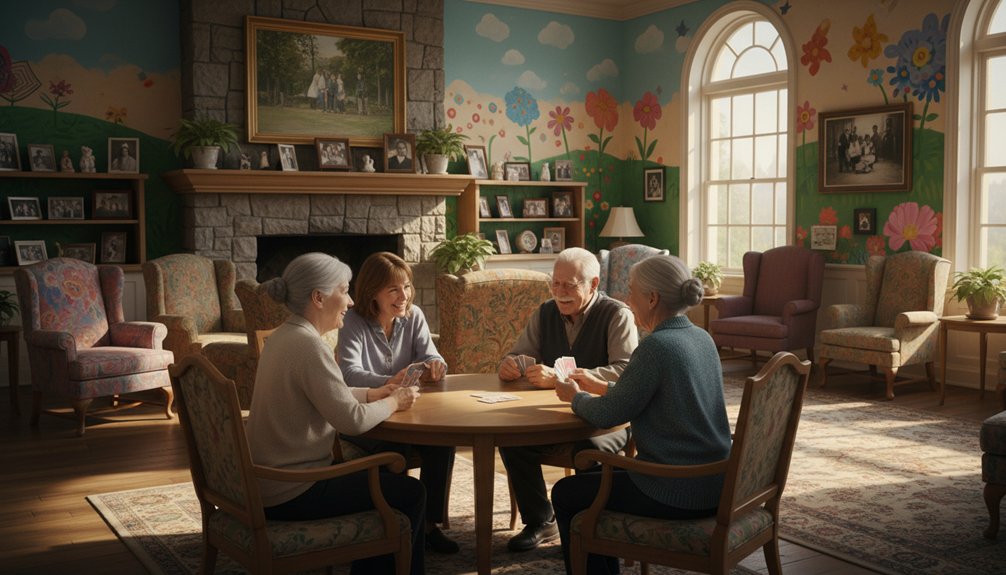
- Small-scale layouts: Look for communities that offer smaller living units with fewer residents. These layouts often feature shorter hallways and distinct public and private areas, fostering a more intimate and home-like feel. Regular family interactions can further enhance this sense of familiarity and comfort.
- Personalization: Inquire whether residents are encouraged to personalize their living spaces with personal belongings. This practice can help reinforce their identity and promote a sense of belonging.
- Comfortable furnishings: Assess the type of furniture used in the community. Residential-style furnishings and warm color palettes can create a cozy and inviting atmosphere that feels more like home.
- Natural light and nature: Pay attention to the presence of large windows and accessible outdoor spaces. Natural light and the ability to connect with nature can significantly enhance residents’ overall well-being, as residents report higher satisfaction in home-like settings.
These considerations can help you evaluate different senior living options and ensure that the environment supports the comfort and happiness of older adults.
Fostering Positive Relationships and Care Culture
Fostering positive relationships and a supportive care culture is essential for enhancing the overall well-being of residents in senior living communities. Prioritizing relationship-centered care creates an environment where connections among residents, families, and staff can thrive.
Consider implementing practices such as active listening and life story sharing. These approaches can strengthen emotional security and enrich residents’ experiences. Additionally, engaging in community activities can provide opportunities for residents to connect and build friendships.
Open communication is key. Show genuine interest in residents’ histories and preferences, as respectful treatment and kindness are fundamental for building trust. When residents feel valued, it contributes to a positive atmosphere. Relationship-centered care fosters security, significance, belonging, purpose, continuity, and achievement in care homes, which enhances overall resident satisfaction.
Involving families in care planning is also important. This promotes collaboration and emotional support, facilitating a smoother transition into care. By nurturing these relationships, communities can cultivate a culture of safety, dignity, and respect, leading to a more fulfilling living experience for all residents.
When researching senior living options, consider asking about how the community fosters relationships among residents and staff, the methods they use for communication, and how they engage families in the care process. Each community may offer different approaches, so understanding these aspects can help ensure a supportive environment for you or your loved one.
Promoting Autonomy and Personal Control
Promoting autonomy and personal control is an important aspect of senior living communities, as it plays a significant role in enhancing the quality of life for residents. Allowing individuals to make choices that align with their personal preferences and values can greatly contribute to their overall well-being.
Promoting autonomy in senior living communities significantly enhances residents’ quality of life and overall well-being.
Residents often benefit from opportunities to make daily choices, such as:
- What to wear: Personal expression through clothing can foster a sense of identity and comfort.
- When to eat: Having flexibility in meal times can promote satisfaction and accommodate individual routines.
- How to spend free time: Engaging in preferred activities allows residents to pursue hobbies and interests that bring joy. Moreover, perceived autonomy is closely linked to increased satisfaction with daily routines, emphasizing its importance in residential care settings. Additionally, reliable transportation options provided by communities can empower residents to maintain their independence while participating in social and recreational activities.
When researching senior living options for yourself or a loved one, consider how each community supports autonomy and personal control.
It’s useful to ask questions about:
- The variety of choices available to residents in daily activities.
- Policies that encourage personal decision-making.
- Opportunities for residents to participate in planning events or activities.
Understanding how a community prioritizes autonomy can help ensure that the environment aligns with the needs and values of the individual, ultimately supporting a fulfilling lifestyle.
Encouraging Social Connections and Family Involvement
When exploring senior living options, it’s important to understand how fostering social connections and encouraging family involvement can significantly improve residents’ quality of life. Engaging in structured social programs—such as group games, exercise classes, and communal activities—can help mitigate feelings of depression and isolation. These meaningful interactions often create a sense of belonging and purpose, which enhances daily fulfillment for older adults. High-quality social connections are essential for mental and physical health, further emphasizing the need for community engagement.
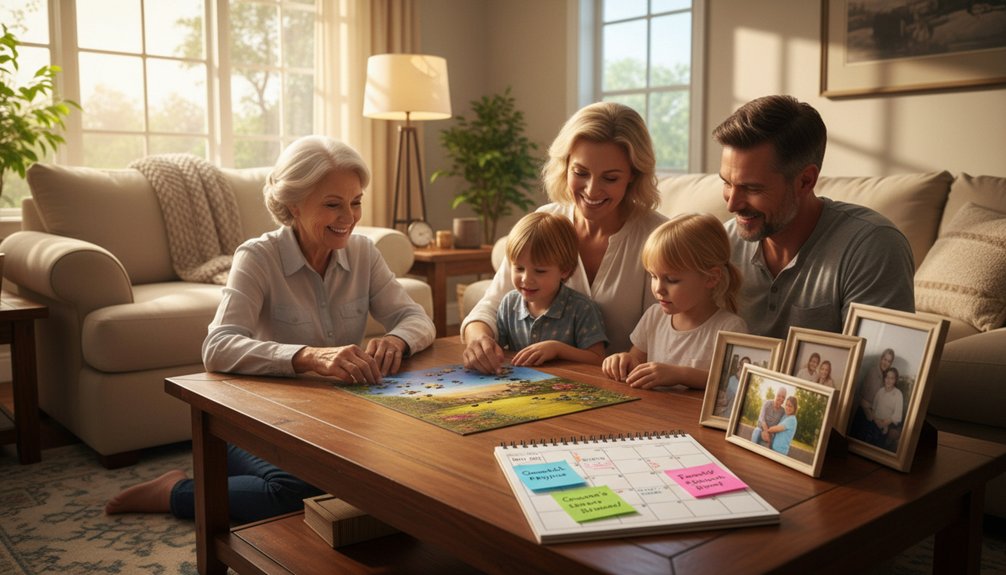
Family involvement plays a vital role as well. Regular visits from family members can provide essential emotional support, helping to alleviate feelings of loneliness and contributing to overall happiness. Family involvement is a multidimensional construct that includes various forms of engagement, further enriching the resident experience.
Flexible visitor policies are often in place to facilitate these connections, allowing loved ones to maintain an active role in the resident’s life, which can lead to better health outcomes. Technology also contributes positively to maintaining relationships. Scheduled video calls and other digital communication methods can help residents stay connected with family and friends, ensuring they feel engaged and supported.
Ultimately, a thoughtful approach to social connections and family involvement is key to creating a vibrant and thriving community for older adults. When researching care options, consider how different communities facilitate social interaction and family engagement, as these elements can greatly impact the overall experience and well-being of residents.
Frequently Asked Questions
How Can Families Assess a Retirement Home’s Safety Measures?
To assess the safety measures of a senior living community, consider taking the following steps:
- Review Licensing and Inspection History: Begin by checking the community’s licensing status and any inspection reports. Recent evaluations can provide insight into compliance with safety regulations and any issues that have been addressed.
- Evaluate Staffing Levels and Training: Look into the number of staff members available and their level of training. A well-staffed community with properly trained personnel can offer better support and be more prepared for emergencies.
- Inspect the Physical Environment: Take note of the community’s physical features. Look for secured entrances, adequate lighting in common areas, and safety features in individual rooms and bathrooms, such as grab bars and non-slip flooring.
- Inquire About Emergency Plans: Ask about the community’s emergency preparedness plans. Understanding how they respond to emergencies and how residents are informed can highlight their commitment to safety.
- Understand Resident Access: Learn about how residents can access different areas of the community and any restrictions that may be in place. Transparency in these policies can reflect the community’s dedication to resident safety.
What Role Does Staff Training Play in Resident Satisfaction?
Staff training is a critical component in fostering resident satisfaction within senior living communities. When staff members receive comprehensive training in areas such as person-centered care and dementia care, they become more attentive and engaged in their interactions with residents.
This enhanced training often leads to increased staff morale, which contributes to a more positive environment for everyone. Residents typically express higher satisfaction levels when they feel cared for and understood by the staff.
A well-trained team can significantly impact the overall atmosphere of support and comfort in a care setting.
When exploring senior living options, consider asking potential communities about their staff training programs. Some useful questions may include:
- What specific training do your staff members receive regarding resident care?
- How frequently do staff undergo training updates or additional education?
- Are there specialized training programs for staff who care for residents with specific needs, such as dementia?
Understanding the training and support provided to staff can help you make a more informed decision about the care environment for yourself or your loved one.
How Can Residents Personalize Their Living Spaces?
Residents can personalize their living spaces in meaningful ways, creating an environment that reflects their individuality and comfort. Here are some practical considerations for older adults, family members, and caregivers:
- Familiar Furniture: Bringing beloved pieces, such as a favorite chair or bedside table, can help create a sense of home. Familiar items often evoke positive memories and contribute to emotional well-being.
- Treasured Possessions: Displaying meaningful items, such as family photos or artwork, can foster a sense of identity and connection. These personal touches can enhance the warmth of the living space.
- Color and Decor Choices: Selecting warm colors and soft furnishings may enhance comfort and promote relaxation. Consider choosing decor that aligns with personal preferences to create a welcoming atmosphere.
- Cultural Items: Incorporating personal or cultural symbols can reflect an individual’s background and values. This can help create a space that feels truly personal and meaningful.
When exploring senior living options, it’s important to consider how a community supports residents in personalizing their spaces.
Each community may offer different policies and support related to personalization, so be sure to ask questions about what’s permitted and how staff can assist in making the space feel like home.
Are Pets Allowed in Retirement Homes for Companionship?
Pets are permitted in many senior living communities, providing companionship for residents.
Research indicates that approximately 99% of nursing homes surveyed allow animals, which can have a positive impact on emotional well-being.
Here are some important considerations:
- Types of Pets: Commonly accepted pets include dogs, cats, and birds, each offering unique companionship benefits.
- Community Policies: Each community typically has specific guidelines regarding pet ownership, including considerations for size, vaccination requirements, and behavior standards.
- Benefits of Pet Ownership: Having a pet can help alleviate feelings of loneliness, boost mood, and promote social interaction among residents.
When exploring senior living options, considering a pet can significantly enhance the quality of life for older adults.
What Activities Are Available for Residents With Specific Cultural Backgrounds?
Residents with specific cultural backgrounds can participate in a variety of activities that honor and celebrate their heritage within a senior living community.
These activities may include:
- Cultural celebrations for significant holidays, such as Lunar New Year and Diwali, that often feature traditional foods, music, and community gatherings.
- Multicultural days designed to showcase diverse traditions, which may include crafts, storytelling, and performances that highlight different heritages.
- Language-specific social activities, such as games and discussion groups, allowing residents to engage in their preferred languages and connect with others who share similar backgrounds.
- Cooking classes and themed meals where residents can share recipes, learn new culinary skills, and enjoy dishes that reflect their cultural traditions.
These activities can foster a sense of community and belonging among residents, contributing to a richer living experience.
When researching senior living options for yourself or a loved one, consider whether the community offers culturally relevant activities that align with personal heritage and preferences, as this can significantly enhance social engagement and overall satisfaction.