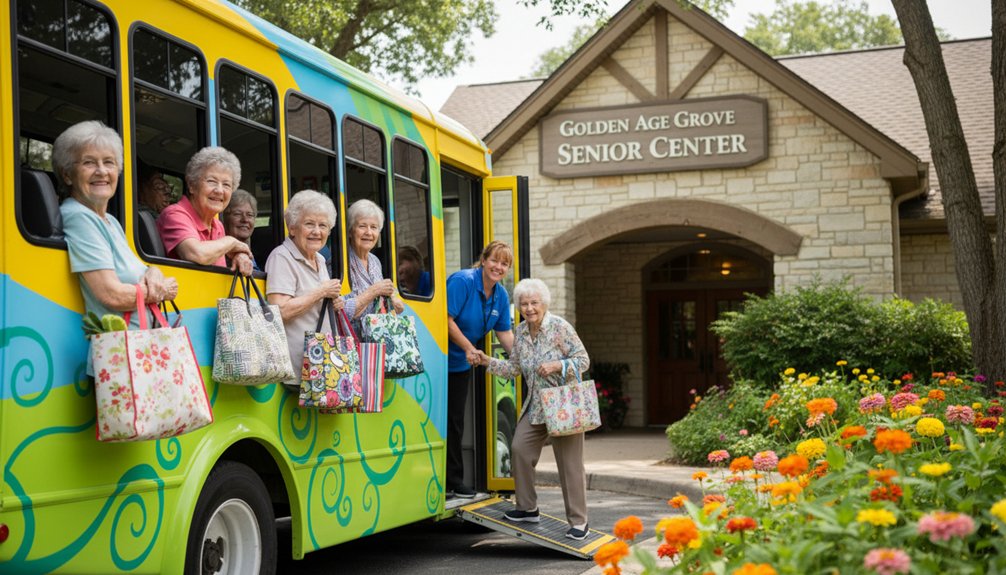
In-house educational workshops can provide older adults with meaningful opportunities to engage their minds and find a sense of purpose during retirement. These programs may support cognitive health while also promoting social interaction and community connection.
By participating in courses that align with personal interests, seniors can address feelings of loneliness and enhance their quality of life. When considering senior living or care options, it may be beneficial to explore whether the community offers such workshops.
Here are some factors to consider regarding in-house educational workshops:
- Variety of Topics: Look for communities that provide a diverse range of subjects that appeal to different interests, such as art, history, technology, or health.
- Qualified Instructors: Inquire about the backgrounds of those leading the workshops to ensure they are knowledgeable and experienced in their fields.
- Social Opportunities: Consider how these workshops facilitate social interaction and whether they encourage group discussions or collaborative projects.
- Frequency and Accessibility: Check how often workshops are held and whether they are easily accessible for all residents, including those with mobility challenges.
- Feedback from Residents: Seek insights from current residents about their experiences with the programs and any positive impacts on their well-being.
By evaluating these aspects, you can better understand how in-house educational workshops may enhance the retirement experience for yourself or a loved one, potentially keeping minds sharp and spirits high.
Key Takeaways
In-house educational workshops can play a crucial role in supporting cognitive function for older adults. Engaging in these workshops may help reduce the risk of cognitive decline and dementia, making them a valuable consideration when researching senior living options.
Participating regularly in workshops can also promote mental health. These programs often enhance overall well-being and provide seniors with tools to effectively manage feelings of depression and anxiety.
Additionally, workshops foster social connections among residents. By creating opportunities for meaningful interactions and friendships, they can help combat loneliness, positively impacting both emotional and physical health.
A well-structured learning environment that employs varied instructional methods can cater to diverse learning preferences. This ensures that all residents have the opportunity to engage effectively, regardless of their individual learning styles.
Community-focused programs that encourage lifelong learning can motivate seniors to pursue education that enriches their lives while strengthening ties within the community. When considering a senior living community, it may be beneficial to inquire about the availability and variety of such educational workshops, as they can significantly contribute to a resident’s quality of life.
The Importance of Lifelong Learning in Later Life
Lifelong learning plays a crucial role in enhancing the quality of life for older adults. Engaging in educational activities on a regular basis, even just once a month, can help delay cognitive decline by 2 to 4 years. This potential benefit is significant for seniors seeking to maintain their cognitive health. Research indicates that older adults who actively participate in learning experiences often enjoy improved cognitive function, which can lead to greater independence and stronger social connections. However, it’s important to note that participation in educational opportunities tends to decrease with age. Currently, only about 10% of older adults engage in courses regularly. Embracing lifelong learning not only supports cognitive abilities but also empowers seniors to navigate life changes more effectively. Continuous participation in non-formal lifelong learning can sustain psychological wellbeing for older adults, enriching not just the individual’s life but also positively impacting their community and loved ones. Additionally, meaningful social interactions through educational workshops can significantly enhance the sense of belonging among residents.
When considering senior living options, it’s beneficial to explore communities that offer educational programs and activities. These opportunities can vary widely, so it’s advisable to ask about:
- The types of educational programs available
- Frequency of classes or workshops
- Qualifications of instructors or facilitators
- Opportunities for social engagement through learning
- Flexibility in participation based on individual interests
Enhancing Mental Health and Well-Being Through Education
Engaging in educational workshops can significantly enhance the mental health and overall well-being of older adults. Participating in structured learning opportunities stimulates cognitive function, which may help reduce the risk of cognitive decline and dementia. Activities such as reading, engaging in puzzles, and exploring creative arts not only keep the brain active but can also build resilience against stress. Workshops that focus specifically on mental health can empower older adults and their caregivers to recognize and manage conditions like depression or anxiety. These programs often provide valuable coping strategies and foster a better understanding of available care options, which can lead to improved emotional regulation. Furthermore, many courses are designed specifically for the mental health needs of older adults, ensuring that the content is relevant and beneficial. Engaging in interactive technology can offer additional cognitive stimulation and enhance social connections as residents learn together. As residents learn more about mental health in later life, they may experience an increase in self-efficacy and a greater sense of control over their well-being.
When considering educational workshops in a senior living community or care setting, it may be helpful to ask questions such as:
- What types of educational programs are offered?
- How often do these workshops take place?
- Are there any costs associated with participation?
- What qualifications do the facilitators or instructors have?
- How do these programs cater to the diverse needs and interests of residents?
Building Social Connections in Retirement Communities
Social connections are vital for enhancing the quality of life for residents in senior living communities. Engaging with others can help reduce feelings of loneliness and may improve cognitive function. Participating in social activities not only contributes to emotional wellbeing but can also positively impact physical health. Social interactions are associated with increased lifespan and life satisfaction, making these connections even more significant for seniors. Furthermore, meaningful friendships can provide essential emotional support, fostering a sense of belonging within the community.
When considering a senior living community, it’s important to look for those that offer opportunities for social engagement. Community-organized events, such as games, classes, or volunteer activities, can help residents build relationships and create support networks.
Thoughtfully designed common areas can encourage spontaneous interactions among residents, while a diverse social calendar can ensure regular opportunities for engagement.
Here are some practical considerations when evaluating social connection opportunities in a retirement community:
- Types of Activities: Inquire about the variety of social activities offered. These may include arts and crafts, exercise classes, book clubs, or outings to local attractions.
- Event Frequency: Ask how often events and activities are organized. A community that hosts regular events may foster more interaction among residents.
- Common Areas: Assess the design of common spaces. Areas that promote socialization, such as lounges, gardens, or dining rooms, can enhance opportunities for connection.
- Resident Involvement: Consider how residents are involved in planning events. Communities that encourage resident input may better cater to the interests and preferences of their residents.
- Staff Support: Evaluate the role of staff in facilitating social interactions. Staff members who are trained to encourage engagement can play a crucial role in building a welcoming environment.
Taking these factors into account can help you find a community that supports an active social life, contributing to a richer experience for older adults.
Trends and Interests in Continuing Education Among Seniors
As residents in senior living communities build new social connections, many are also seeking opportunities for continued education. Engaging in lifelong learning can offer significant benefits, including mental stimulation and enhanced well-being. Research indicates that while participation in educational activities may decline with age, there’s a notable increase in interest among those aged 55–64. Between 2007 and 2022, this age group showed a substantial rise in participation in lifelong learning, often driven by a desire for personal enrichment rather than career advancement. Seniors typically explore a variety of courses, often focused on hobbies, health, and community involvement. These educational experiences can lead to:
Residents in senior living communities are increasingly pursuing lifelong learning, fostering social connections and enhancing their well-being.
- Improved cognitive health
- A greater sense of purpose
- Enhanced social engagement, as group creative projects foster social connections and create a sense of belonging.
When considering a senior living community, it may be helpful to inquire about the educational programs they offer, as these opportunities can significantly contribute to a resident’s quality of life. Additionally, it’s important to note that participation in adult learning is often influenced by socio-economic barriers, which can affect access to these educational opportunities for seniors.
Factors to consider include:
- Types of courses available (e.g., arts, technology, health)
- Frequency and format of classes (in-person or online)
- Opportunities for social interaction through group learning
- Support and resources for residents pursuing education
Understanding these aspects can help you make an informed decision that aligns with the interests and needs of yourself or your loved one.
Designing Effective In-House Educational Workshops
When exploring educational workshops designed for seniors within a senior living community or care setting, it’s important to consider their specific learning needs and preferences. Effective workshops should focus on achieving clear, behavior-oriented learning objectives that support cognitive and skill development.
Here are some key factors to keep in mind:
- Timing: Schedule workshops during times when residents are typically more energetic, such as mid-morning.
- Environment: Ensure the space is welcoming, with adequate lighting and comfortable seating.
- Instructional Methods: Use a variety of teaching styles to accommodate different learning preferences, such as visual, auditory, and kinesthetic approaches.
- Experiential Learning: Implement hands-on activities, discussions, and role-plays to enhance engagement and understanding. Additionally, incorporating insights from people-centred innovation can lead to more effective and relatable content.
- Psychological Safety: Foster an environment where residents feel safe to express their thoughts and support one another.
These considerations can help create meaningful and effective learning experiences that cater to the diverse needs of older adults, ultimately supporting their growth and well-being in the community.
Overcoming Barriers to Participation in Adult Education
Overcoming barriers to participation in adult education is crucial for older adults seeking to engage in lifelong learning. Understanding the challenges they face can help family members and caregivers support their educational pursuits.
Many older learners encounter situational barriers, including:
- Time constraints: Balancing education with other responsibilities can be difficult.
- Health issues: Physical or mental health challenges may limit access to learning opportunities.
- Logistical difficulties: Transportation issues can hinder attendance.
Financial considerations are also significant; high costs deter many older adults from pursuing education. Research indicates that approximately 56% of interested individuals cite affordability as a barrier. Engaging in volunteer work can provide a sense of purpose that may motivate older adults to prioritize their educational goals.
Additionally, conflicting family responsibilities impact around 42% of older learners, making it harder to commit to courses.
Institutional barriers can further complicate access to education. Limited course availability and rigid schedules may restrict options for older adults.
Dispositional barriers, such as a lack of confidence, can also play a role. Some individuals may feel they’re “too old to learn” or experience anxiety about returning to a formal learning environment. Socio-economic factors contribute to disparities in participation levels among older adults, highlighting the need for inclusive educational opportunities.
Lastly, socioeconomic factors contribute to disparities in participation levels among older adults. Addressing these challenges is essential in fostering a supportive community that encourages engagement in educational opportunities.
Families and caregivers can play a vital role by helping older adults feel valued and empowered in their pursuit of knowledge and skills.
Strategies for Maximizing the Benefits of Lifelong Learning
Maximizing the benefits of lifelong learning for older adults involves aligning educational activities with personal goals and meaningful outcomes. Here are some key considerations to keep in mind:
Maximizing lifelong learning for older adults requires aligning education with personal goals and meaningful outcomes.
- Set Clear Learning Goals: Identify specific objectives that you or your loved one wish to achieve through learning. This might include cognitive maintenance, skill development, or enhancing social connections.
- Engage in Cognitive Activities: Activities that challenge the mind, such as problem-solving or learning new technologies, can help maintain and improve cognitive function. Look for programs or courses that offer these types of challenges. Research has shown that information-driven cognitive engagement can provide significant positive effects on subjective cognitive function.
- Foster Social Interaction: Engaging in community-based programs can provide valuable opportunities for social interaction, which is crucial for emotional well-being. Consider looking for communities that offer group activities, clubs, or classes that encourage participation.
- Commit to Structured Learning: Finding a learning environment that provides ongoing support can ensure continuity in education. This may include classes offered by local community centers, senior living communities, or online platforms that cater to older adults.
When researching senior living or care options, it’s essential to consider how well these communities promote lifelong learning and provide opportunities for residents to engage in fulfilling educational activities.
Frequently Asked Questions
What Types of Subjects Are Offered in In-House Workshops?
In-house workshops in senior living communities offer a variety of subjects designed to enhance the well-being and knowledge of residents. These educational opportunities can include:
- Arts and Humanities: Engaging activities such as visual arts, literature discussions, and philosophy sessions that encourage creative expression and critical thinking.
- Health and Wellness: Workshops focusing on topics like nutrition, fitness, and mental health, which can help residents maintain their physical and emotional well-being.
- Technology and Finance: Sessions that cover essential skills like digital literacy and financial planning, which can empower residents to navigate modern challenges confidently.
Participating in these workshops not only helps seniors develop new skills but also fosters a sense of community and connection among residents.
Engaging in shared learning experiences can contribute to a vibrant and supportive environment, promoting growth and camaraderie.
As you explore care options for yourself or a loved one, consider the availability and range of such educational programs, as they can significantly enhance the quality of life within a senior living community.
How Can I Find In-House Workshops Near Me?
To find in-house workshops near you, consider exploring the following resources:
- Local Senior Centers and Libraries: These community hubs often provide activity calendars both online and in-person. They can be a valuable source of information on workshops tailored for older adults.
- Community Education Directories: Checking local directories can help you identify educational opportunities designed for seniors in your area.
- Municipal Aging Services: Contacting local aging services can provide insights into workshops and programs available to older adults.
- Lifelong Learning Institutes: Many colleges have institutes focused on lifelong learning that may offer courses specifically for seniors. These can provide enriching and engaging learning experiences.
- Event-Finder Platforms: Utilize online platforms that allow you to search for workshops by ZIP code. This can help you discover various educational opportunities tailored to your interests.
Are There Any Costs Associated With These Workshops?
Yes, workshops often come with associated costs, which can differ depending on the specific program. Here are some key points to consider:
- Membership Fees: Many organizations charge annual membership fees that typically range from $25 to $245. These fees often include access to multiple classes throughout the year.
- Flat Fees: Some centers offer a flat fee structure for unlimited participation in workshops and classes, which can be a cost-effective option for residents who wish to engage in various activities.
- Discounts for Members: It’s common for certain programs to offer discounts to members, making participation more affordable.
- Additional Costs: Be aware that there may be extra fees for specific activities or materials required for certain workshops.
When exploring workshop options, it’s beneficial to carefully review each program’s structure. This will help you understand the total costs involved and identify any financial assistance that may be available.
Making informed decisions about these expenses can significantly enhance the experience for older adults seeking to engage in community learning opportunities.
Can I Suggest Topics for Future Workshops?
Yes, you can suggest topics for future workshops that may be relevant to senior living and care options. Your input is crucial in ensuring that the workshops address the needs and interests of older adults, family members, and caregivers.
Here are some ways you can share your suggestions:
- Surveys: Participating in surveys can provide valuable insights into the topics that are most important to you and your community.
- Suggestion Boxes: These can be a simple way to anonymously submit your ideas for future workshop topics.
When thinking about potential topics, consider areas that may be beneficial for you or a loved one, such as:
- Health and Wellness: Workshops focused on managing chronic conditions, nutrition, or mental health.
- Technology Use: Sessions on how to use smartphones, tablets, or apps that can enhance daily living.
- Creative Arts: Exploring activities like painting, music, or writing that can enrich life in a community setting.
By voicing your thoughts, you help ensure that the workshops remain relevant, engaging, and beneficial for all attendees.
Your suggestions can play an important role in enhancing the educational offerings available in your community and supporting everyone’s journey in senior living.
What Qualifications Do Workshop Instructors Typically Have?
Workshop instructors often hold a bachelor’s degree in education, adult education, or a related field, which provides them with foundational knowledge and skills for teaching. Many instructors pursue a master’s degree to qualify for more advanced roles.
Relevant professional experience, especially working with older adults, enhances their ability to create effective learning experiences. Instructors typically complete training in adult education practices, which equips them to engage learners thoughtfully and effectively.
Additionally, specialized coursework focusing on the unique needs of older adults is common, enabling instructors to foster supportive and enriching environments for seniors participating in workshops.
When considering educational opportunities in a senior living community, it may be helpful to inquire about the qualifications of the instructors leading programs, as this can greatly impact the quality of the learning experience.