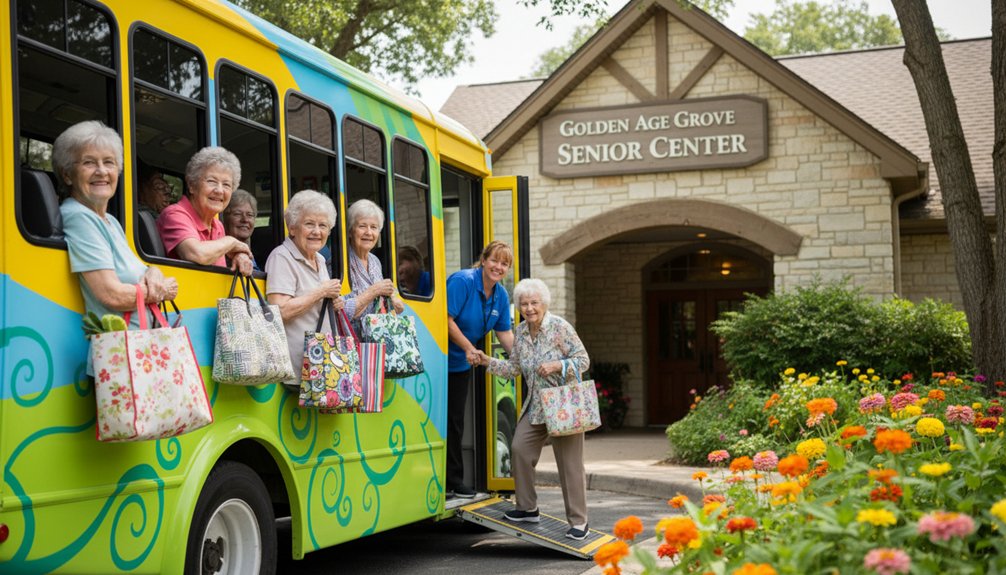
When researching safety features in senior living communities, it’s important to understand the various elements that protect residents. Many of these features operate quietly and effectively, contributing to a secure environment.
Consider the following aspects:
- Smart Home Security Systems: These systems can enhance the safety of residents by offering surveillance and alerting staff to any unusual activity. Some communities may incorporate cameras, door sensors, and emergency call buttons.
- Passive Fire Protection: This includes design elements such as fire-resistant materials and safe building layouts that help prevent the spread of fire. Understanding the fire safety protocols in a community can provide peace of mind.
- AI-Driven Detection and Monitoring: Some communities may utilize advanced technology to detect emergencies, such as falls or health crises, and notify staff promptly. This can help ensure residents receive timely assistance when needed.
As you evaluate different communities, consider how these features align with your or your loved one’s needs for safety and comfort. Asking questions about the specific safety measures in place, staff training, and emergency response plans can provide valuable insights as you make your decision.
Key Takeaways
- Integrated safety systems often combine fire detection, intrusion alarms, and video surveillance to provide comprehensive protection for residents around the clock in senior living communities.
- Continuous monitoring and AI-driven detection technologies can quickly identify safety risks, which allows caregivers to respond promptly to any concerns.
- Passive fire protection features, such as fire-rated walls and doors, are designed to contain potential threats and facilitate safe evacuation during emergencies.
- Remote monitoring options enable families to check in on their loved ones, which can enhance peace of mind and support proactive safety management.
- Regular inspections and maintenance of safety systems are important for ensuring they function effectively, providing reliable protection for residents.
The Rise of Smart Home Security Systems
In today’s society, home security is an important consideration for many families, especially those with older adults. The emergence of smart home security systems presents a solution that addresses safety concerns while offering convenience and peace of mind.
As you look into enhancing the safety of your home or that of a loved one, it’s helpful to understand the growing popularity of these systems, which are projected to reach over USD 80 billion by 2030. A significant number of households—around 62% in the U.S.—have adopted smart security devices, making them a common option in home safety. Devices such as smart cameras and video doorbells are particularly popular, as they provide visual verification of visitors and potential intruders. Additionally, many of these systems integrate with personal emergency response systems to ensure immediate assistance when needed.
When exploring these systems, consider the following aspects:
- Convenience: Many smart security systems allow you to monitor your home remotely, which can be reassuring for family members of older adults living independently. With rising property crime rates, the need for effective monitoring is more crucial than ever.
- Integration: These systems often work well with existing smart home technologies, enhancing overall home automation and safety.
- Accessibility: Look for systems that offer user-friendly interfaces to ensure older adults can easily navigate them.
As you research options, keep in mind that services may vary by provider. It’s important to ask about the specific features, support, and compatibility of different systems to find the best fit for your needs.
Continuous Monitoring and AI-Driven Detection
As you explore options for senior living or care for yourself or a loved one, continuous monitoring and AI-driven detection can be important factors to consider for enhancing safety.
These systems provide around-the-clock oversight, which can help ensure a secure environment for residents. With cameras and sensors actively monitoring the community, they work to identify potential safety risks. AI-powered monitoring ensures continuous visibility across all zones, allowing for quick responses to any identified issues. Additionally, video surveillance systems enhance security by providing real-time insights into the community’s safety.
AI-driven detection is capable of recognizing unusual behaviors or patterns that may indicate safety concerns. This allows caregivers or staff to intervene quickly if necessary, potentially preventing issues from escalating.
By integrating various technologies into user-friendly dashboards, staff can monitor different areas of the community effectively.
It’s important to note that the implementation of such advanced monitoring systems can vary between communities.
When researching, consider asking about the following:
- What types of monitoring systems are in place?
- How is data from these systems used to enhance safety?
- Are there trained staff available to respond to alerts generated by the system?
- How often is the technology updated or maintained?
Understanding these aspects can help you gauge how a community prioritizes safety and the well-being of its residents.
Embracing these technological advancements can support a safer living space, but it’s essential to ensure they align with the specific needs and preferences of you or your loved one.
Passive Fire Protection: A Silent Guardian
While it may not always be visible, passive fire protection (PFP) plays a crucial role in ensuring safety within senior living communities. This protective measure is designed to contain fire and smoke without requiring any activation or external power.
Key components of PFP include fire-rated walls, ceilings, and doors, which work to limit the spread of fire and safeguard escape routes. By compartmentalizing different areas, PFP helps ensure that fire remains contained, providing residents with valuable time to evacuate safely. Additionally, fire-rated systems are essential for maintaining safe environments, as they include various ratings based on the intended use of the spaces. Ensuring that these systems are integrated into the design of the facility aligns with compliance to fire safety regulations, enhancing overall resident safety.
For PFP to function effectively, regular inspections and maintenance are important. This includes checking fire doors for proper sealing and ensuring that firestopping systems are intact, which can significantly reduce potential risks.
When considering a senior living community, it can be beneficial to inquire about their PFP measures and maintenance protocols.
By prioritizing passive fire protection in community design, you contribute to creating a safer environment for residents. Understanding these safety features can help you feel more secure about the living arrangements for yourself or your loved one.
Your awareness and inquiries regarding this silent guardian of safety are important in making informed decisions about care options.
Professional Monitoring Services and Their Impact
When considering the safety of yourself or a loved one in a senior living community, professional monitoring services can offer an important layer of security. These services can help enhance peace of mind by deterring crime; research indicates that a significant number of burglars assess properties for security systems before deciding to target them. Notably, about 60-83% of convicted burglars report avoiding targets with visible security measures, highlighting the effectiveness of deterrence.
With professional monitoring, alarms are typically verified and escalated within 30 to 90 seconds, allowing for a quicker response in emergencies. This rapid verification can be crucial in bridging the gap until law enforcement arrives, contributing to a safer environment for residents. Additionally, by reducing false alarms through careful verification, these services help maintain the credibility of the security system, ensuring that resources are focused on legitimate threats.
When exploring senior living options, consider asking about the specific monitoring services offered, how they operate, and their response times. It can also be helpful to understand the community’s overall safety measures and how they integrate with professional monitoring to support residents’ well-being.
The Expanding Market for Smart Home Safety
How can you ensure that your home is both safe and smart for yourself or a loved one? The growing market for smart home safety devices provides various options intended to enhance the protection of residents and property.
With projections indicating that the global smart home safety market may reach between USD 33 and 37 billion by 2024, it’s evident that many homeowners are prioritizing security and peace of mind. This growth is driven by elevated crime rates and a rising consumer demand for enhanced home safety solutions, including smart alarms, cameras, and locks.
Concerns such as rising crime rates and post-pandemic safety have led to increased interest in integrated safety solutions, including smart cameras and environmental sensors. These devices can’t only improve security but also promote connectivity through Internet of Things (IoT) technology. Additionally, the integration of smart home devices can facilitate greater independence for seniors in their living environments.
When considering smart safety features for a senior living environment, you may want to explore options that offer:
- Real-time Alerts: Devices that notify you of unusual activity or environmental changes, such as smoke or water leaks.
- Remote Monitoring: Opportunities to check on your home or loved ones from anywhere, providing reassurance.
- Automated Responses: Systems that can automatically contact emergency services or alert family members in the event of a safety concern.
By investing in smart safety solutions, you may create a supportive ecosystem that enhances the wellbeing of older adults, ensuring they remain informed and secure around the clock.
When exploring these options, it’s important to consider the specific features and services that align with your needs, as offerings can vary widely by community and provider.
Integrated Building Systems for Comprehensive Protection
Integrated building systems provide a comprehensive approach to safety and security, which can be particularly beneficial in senior living communities. These systems often combine various technologies, including fire detection, intrusion alarms, video surveillance, and access control, to create a secure environment for residents.
Integrated building systems enhance safety and security in senior living communities by combining fire detection, intrusion alarms, video surveillance, and access control.
Some key features to consider when researching safety systems in a community include:
- Centralized Monitoring: Many communities offer 24/7 monitoring, allowing staff to respond quickly to emergencies. It’s essential to understand how real-time data is utilized to ensure swift action when needed, as this enhances system effectiveness during crises.
- Fire Alarm Systems: Integrated fire alarm systems often serve as a central hub for safety. They manage critical functions like sprinkler activation and elevator recall, which can be vital for resident safety during an emergency. Inquire about how these systems prioritize safety, such as automatically releasing doors or providing guidance to safe exits. This integration ensures that elevators are available for emergency responders, enhancing the overall safety for residents.
- Remote Monitoring: Linking life safety services to remote monitoring centers can enhance security. This system not only helps in emergencies but may also support proactive maintenance, ensuring a safer living environment for residents.
When evaluating senior living options, consider asking the following questions:
- What types of integrated safety systems are in place?
- How is the community monitored, and who’s responsible for emergency responses?
- Are there specific protocols for fire safety and evacuation?
- How often are these systems tested and maintained?
Understanding the safety measures in place can help you feel more secure about your or your loved one’s living situation. Remember that the specifics of these services can vary by community, so it’s beneficial to gather detailed information during your research.
Frequently Asked Questions
How Do Smart Home Devices Interact With Each Other?
Smart home devices can enhance the safety and convenience of older adults living independently or within a senior living community. These devices typically interact with one another through a central hub, which serves as the main controller of the system. The hub connects various communication methods, such as Wi-Fi, Zigbee, and Z-Wave, allowing different devices to work together smoothly.
For example, if a motion sensor detects activity, it can prompt lights to turn on automatically, helping to illuminate a pathway during the night. This feature can be particularly beneficial for seniors who may need assistance navigating their homes safely. Additionally, alerts can be sent to caregivers or family members if unusual activity is detected, providing peace of mind.
When considering smart home technology for an older adult, it may be helpful to think about the following factors:
- Compatibility: Ensure that the devices you choose can work together effectively through a central hub.
- Ease of Use: Look for user-friendly interfaces that are easy for older adults to navigate.
- Customization: Some systems allow you to create specific routines, such as setting lights to turn on at a certain time or adjusting the thermostat based on daily patterns.
- Support and Maintenance: Consider the availability of support services if technical issues arise.
- Security Features: Evaluate the security capabilities of the devices, particularly if they include cameras or sensors.
What Are the Costs of Installing a Smart Home Security System?
Installing a smart home security system can range from approximately $300 to $10,000 or more, depending on your specific needs and preferences.
Here’s a helpful overview to guide your decision-making:
- Basic Systems: Typically range from $300 to $1,200, including installation services.
- Advanced Systems: Can cost between $1,500 and $10,000 or more, offering additional features and capabilities.
- Monitoring Fees: Monthly fees for monitoring services usually range from $15 to $100.
When considering a smart home security system, you may want to explore DIY options, which can help reduce installation costs.
Alternatively, opting for professional installation can provide added assurance and support.
It’s important to evaluate the size of your home and the specific features you desire in a security system.
This will help you identify the most suitable options for your situation, ensuring your home remains a safe and secure environment for you or your loved ones.
Are There Privacy Concerns With Continuous Video Recording?
Yes, there are important privacy considerations to keep in mind when it comes to continuous video recording in senior living communities. When cameras capture identifiable residents, they must comply with data protection laws, which can involve strict rules to ensure privacy is respected.
Excessive surveillance may lead to intrusive monitoring of personal activities, potentially infringing on residents’ privacy rights. Additionally, the longer that video data is retained, the greater the risk of misuse, such as unauthorized access or sharing of footage.
When exploring senior living options, it’s essential to ask about the community’s policies on video recording and privacy. Here are some practical questions to consider:
- What’re the specific reasons for using continuous video recording?
- How is video data stored, and what measures are in place to protect it from unauthorized access?
- How long is the recorded footage retained, and what happens to it after that period?
- Are residents or their families informed about the presence of cameras and their recording practices?
Balancing security needs with respect for individual privacy is crucial in creating a safe and comfortable living environment for residents.
How Can I Test My Home’s Fire Safety Measures?
To ensure your home’s fire safety measures are effective, consider the following steps:
– Smoke and Carbon Monoxide Alarms: It’s important to test these alarms monthly using the test button.
Replace the batteries annually and be sure to check that the alarms are less than 10 years old, as older units may not function properly.
– Fire Escape Plan: Develop a plan that includes two exits from each room.
Practicing fire drills at least twice a year can help residents become familiar with the process.
Additionally, make sure to review emergency contact numbers regularly.
– Sprinkler Systems: Inspect the Sprinkler Systems monthly for any signs of leaks and test their functionality on a quarterly basis.
This maintenance can be crucial for ensuring safety.
– Fire Extinguishers: Ensure that Fire Extinguishers are easily accessible.
Regularly check the pressure gauge and be mindful of expiration dates to guarantee they’re ready for use if needed.
Staying proactive about these safety measures can provide peace of mind for residents and their families.
What Steps Should I Take if an Alarm Goes Off?
When an alarm goes off in a senior living community, it’s important to follow these steps to ensure your safety and the safety of others:
- Stay Calm: It’s natural to feel anxious, but remaining calm will help you think clearly and act quickly.
- Head to the Nearest Exit: Move towards the closest exit without hesitation. Familiarize yourself with the layout of the community so you know where the exits are located.
- Use the Stairs: During an evacuation, always opt for the stairs instead of elevators, as they may become inoperable during emergencies.
- Check Doors Before Opening: If you encounter a closed door, check for heat by placing your hand on it. If it feels hot, don’t open it, as there may be fire or smoke on the other side.
- Stay Low in Smoke: If you encounter smoke, stay low to the ground, as the air is clearer near the floor.
- Evacuate to a Safe Distance: Move to a safe location at least 100 feet away from the building. Be mindful not to block emergency responders’ access.
- Wait for Official All-Clear: Remain at the safe location until you receive an official all-clear signal to re-enter the building. Your safety is the top priority.
Understanding these steps can help ensure that residents and their families are prepared for emergencies, making the community a safer place for everyone.