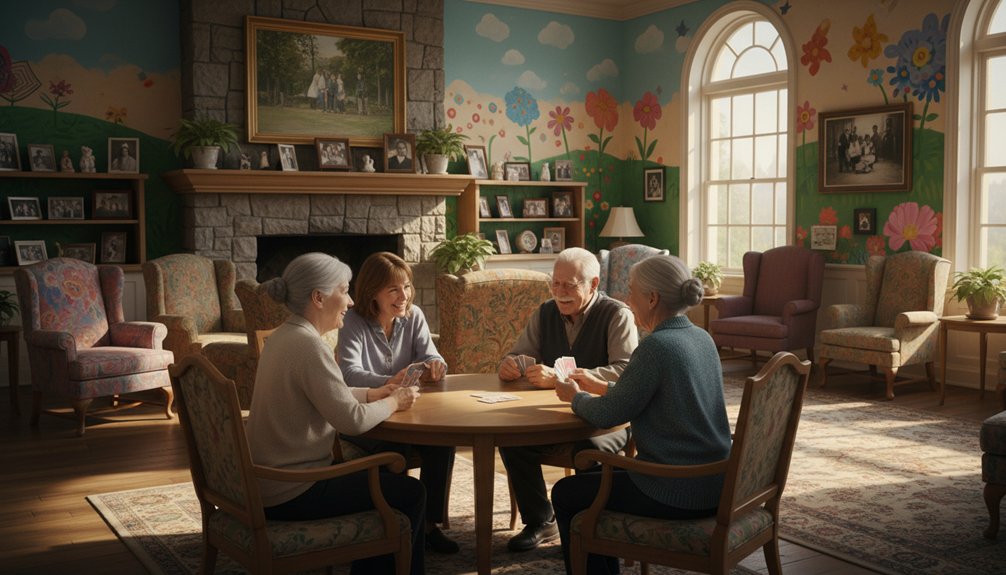
When a loved one moves to a senior living community, maintaining a strong connection is vital for both their emotional well-being and your own peace of mind. Regular visits, phone calls, and video chats can help bridge the distance, while active engagement in care planning ensures that their needs are prioritized and addressed. Participating in daily activities together can enhance their sense of belonging and promote joy in their lives.
To further enhance your relationship and make a meaningful impact in your loved one’s life, consider the following strategies:
- Stay Informed: Familiarize yourself with the specific services and amenities offered by the senior living community. This knowledge can help you advocate for your loved one’s needs and preferences.
- Plan Visits Thoughtfully: Coordinate visits that align with your loved one’s routine and preferences. This can help them feel more settled and excited about your time together.
- Encourage Social Engagement: Help your loved one connect with other residents. Engaging in group activities can foster friendships and promote a sense of community.
- Participate in Care Discussions: Attend meetings with care staff to discuss your loved one’s needs, preferences, and any concerns. This collaborative approach can enhance their care and well-being.
- Share Updates and News: Keep your loved one informed about family events or news from home. This connection can help them feel involved and valued.
- Explore Technology: Consider using video calls or other technology to stay connected regularly. This can reduce feelings of isolation, especially if in-person visits are challenging.
- Respect Their Independence: Encourage your loved one to participate in daily decisions regarding their activities and care. Supporting their autonomy can lead to increased satisfaction in their new environment.
By implementing these strategies, you can help ensure that your loved one feels supported and connected in their new senior living community.
Key Takeaways
- Schedule regular visits to provide emotional support for your loved one and help alleviate feelings of loneliness that can occur in a senior living community. These visits can foster a deeper connection and allow for meaningful interactions.
- Actively participate in care planning meetings. This is an opportunity for family members to share valuable insights regarding their loved one’s preferences and needs, ensuring that the care provided aligns with their wishes.
- Engage in shared activities, such as playing games or reminiscing about past experiences. Participating in these moments can help enhance your loved one’s quality of life and strengthen family bonds.
- Build relationships with the care staff by maintaining open communication. Sharing your loved one’s preferences and expressing gratitude for the staff’s efforts can create a positive environment and improve the overall care experience.
- Utilize technology to stay connected. Regular video calls or messaging can help maintain a sense of closeness and encourage ongoing communication, which is especially beneficial when visits are not possible.
The Importance of Regular Visits
When a loved one transitions to a senior living community, staying connected and providing support during this adjustment is important. Regular visits can significantly help reduce feelings of social isolation and loneliness, which may lead to mental and physical health challenges. In-person interactions can often lessen feelings of depression and anxiety while promoting emotional well-being. By visiting your loved one, you not only demonstrate your support but also help reinforce healthier routines and encourage participation in community activities. Your presence can enhance their quality of life, contributing to improved mood and overall satisfaction. Additionally, studies show that family involvement is a multidimensional construct that includes various forms of engagement, emphasizing the importance of maintaining connections.
Staying connected through regular visits can ease the transition to senior living, reducing feelings of isolation and supporting overall well-being.
Consider the following points when planning your visits:
- Frequency of Visits: Regular visits can help maintain a sense of connection. Determine a schedule that works for both you and your loved one.
- Engagement in Activities: Encourage your loved one to participate in community events or programs. Your involvement may motivate them to engage more with others, as regular social engagement is linked to improved cardiovascular health and lower blood pressure.
- Supportive Environment: Your visits can create a reassuring atmosphere, helping them feel valued and connected to their family.
- Communication: Use your visits to actively listen to their thoughts and feelings about the new living situation, which can provide them with comfort and support.
Each visit serves as a valuable opportunity to nurture your relationship, provide reassurance, and ensure your loved one feels appreciated in their new home.
Engaging in Care Planning and Advocacy
Engaging in care planning and advocacy is important for ensuring that residents in a senior living community receive the personalized support they need. It’s advisable to attend interdisciplinary care plan conferences, which typically occur within the first week of admission and annually thereafter. During these meetings, you can share essential information about your loved one’s medical history, personal preferences, and any changes in their health status. Family involvement in care planning can lead to more effective communication and personalized care strategies. Additionally, understanding safety and security measures in place at the facility can help you advocate for your loved one’s well-being.
Reviewing goals and interventions during these conferences can help focus on their safety and comfort. To stay informed, utilize structured communication channels for timely updates about your loved one’s care. It can be beneficial to document conversations and observations regarding their care.
Advocacy is a key role for family members and caregivers; ensuring that your loved one’s rights and preferences are respected is crucial. This may involve proactively addressing any concerns with staff and fostering a collaborative environment that supports your loved one’s unique needs.
Supporting Daily Activities and Social Engagement
Supporting daily activities and social engagement for older adults in a senior living community is essential for their overall well-being. This support not only promotes independence but also enhances their quality of life.
Supporting daily activities and social engagement in senior living communities is vital for enhancing well-being and promoting independence.
Consider these practical ways to assist your loved one:
- Daily Routines: Help with grooming, dressing, and organizing medication. These instrumental tasks can help residents maintain a sense of routine and comfort, fostering meaningful friendships that can combat feelings of loneliness.
- Emotional Support: Regular visits can significantly reduce feelings of loneliness. Your presence provides emotional support and fosters a sense of belonging in their new home.
- Shared Activities: Engaging in activities such as reminiscing or playing games can stimulate cognitive function and encourage lively conversations. Family involvement can also enhance care quality and reinforce residents’ identities.
By actively participating in your loved one’s life, you help reinforce their identity and improve their mood. This involvement can lead to a smoother adjustment to their community and a higher overall quality of life.
Remember that each senior living community may offer different services and amenities, so it’s important to inquire about available activities and support options to find the best fit for your loved one’s needs.
Building Strong Relationships With Care Staff
Building strong relationships with care staff is vital for ensuring that residents receive effective support in a senior living community. Clear communication is key; consider establishing regular check-ins, such as scheduled meetings or phone calls, to promote transparency and understanding. Additionally, it’s important to recognize that personalized care plans can significantly enhance the quality of care provided to residents.
It’s beneficial to discuss roles and expectations openly, as this creates a collaborative care partnership. This will help all parties involved understand their responsibilities and work together more effectively. Family involvement includes various roles that family members can play in enhancing the well-being of their loved ones.
Mutual respect and empathy are important in these relationships. Take the time to get to know the caregivers and share insights about your loved one’s preferences, including daily routines and interests. Acknowledging caregivers’ efforts and expressing gratitude can foster trust and strengthen the connection.
Utilizing Technology for Continuous Connection
Maintaining a meaningful connection with loved ones in a senior living community can be improved by utilizing various technology options. Video calling through applications such as Zoom or FaceTime allows for real-time conversations, making virtual visits feel more personal. This is particularly important when physical distance or health concerns limit in-person interactions. Loneliness prevalence among nursing home residents is a significant issue, highlighting the need for consistent communication methods. Regular interactions with family can lift spirits and reduce feelings of loneliness.
Regular phone calls, text messages, and emails are effective, low-barrier methods for staying in touch, which can help alleviate feelings of loneliness and isolation. Additionally, sharing photos through platforms like WhatsApp can help family members stay updated on the daily lives of residents, fostering a sense of closeness despite physical separation.
When considering technology for connecting with seniors, it may be beneficial to explore senior-friendly devices designed to simplify the setup and usage process. Ensuring that your loved one feels comfortable and confident with these tools can enhance their overall experience and strengthen your bond.
As you research different senior living options, consider asking about the availability of technology support and whether the community offers resources to help residents engage with family members through these platforms. This can be an important factor in maintaining connections and supporting residents’ emotional well-being.
Participating in Community Events and Programs
Participating in community events and programs at senior living communities can significantly enhance the experience for residents, providing opportunities for social connection and engagement. Family-led activities such as game nights, storytelling circles, and milestone celebrations create structured moments for bonding while allowing caregivers to step back from their usual responsibilities. Consider becoming involved in family councils within the community. These groups often play a crucial role in shaping activity calendars, ensuring that the interests and preferences of residents are reflected in the scheduled events. Volunteering to lead a class or assist with crafts can turn family visits into interactive and meaningful experiences. Engaging in collaborative activities during these events not only supports residents’ social well-being but also fosters stronger relationships among family members and the wider community. Attending communal meals and special celebrations not only supports residents’ social well-being but also fosters stronger relationships among family members and the wider community.
Understanding the Emotional Impact of Family Involvement
Family involvement in the lives of residents in senior living communities is vital for their emotional well-being. Regular visits from family members can significantly enhance life satisfaction and overall quality of life, fostering feelings of happiness and connection. Maintaining these connections provides emotional reassurance and reinforces a sense of belonging, which is essential for individual identity. Research indicates that family involvement can lead to better care outcomes and enhanced resident satisfaction.
Frequent family contact may help alleviate feelings of loneliness and depression, as it can reduce anxiety and distress. By being present and engaged, family members can uplift residents’ spirits and contribute positively to their overall health. This highlights the importance of nurturing meaningful relationships within the community environment. Additionally, strong social ties improve mental and physical health, further emphasizing the need for family participation.
When considering senior living options, it’s important to evaluate how each community encourages family involvement and supports residents’ emotional needs. Here are some factors to consider:
- Visitation Policies: Understand the community’s policies regarding family visits and how they facilitate or encourage family engagement.
- Communication Channels: Inquire about the methods available for family members to stay connected with residents, such as phone calls, video chats, or community events.
- Activities and Events: Explore whether the community hosts family-inclusive activities or events that promote interaction between residents and their loved ones.
- Support Services: Look for communities that offer resources or support systems for families to help them stay involved in their loved one’s care and daily life.
Developing Long-Term Engagement Strategies
Transitioning to a senior living community can present a variety of challenges, but developing long-term engagement strategies is vital for fostering meaningful connections with your loved one. Here are some practical steps to consider:
Transitioning to a senior living community poses challenges, but fostering engagement is essential for meaningful connections.
- Establish Consistent Visit Routines: Setting a regular schedule for visits, such as weekly or bi-weekly, can significantly enhance your loved one’s quality of life. It’s important to choose a frequency that’s manageable for you, as realistic scheduling helps prevent disappointment and builds trust.
- Build Communication Systems: Collaborate with the community to ensure that you receive regular updates about your loved one’s well-being. This can include scheduled meetings with care staff or using various communication methods such as emails or newsletters. Staying informed and involved is key to maintaining a strong connection, as family involvement contributes to better emotional well-being of residents.
- Formalize Your Role in Care Planning: Actively participating in care meetings and advocating for your loved one’s needs can strengthen your relationship. By being involved in care planning, you can ensure that their preferences and concerns are addressed, which fosters a supportive environment for both of you during this transition.
Frequently Asked Questions
How Can I Help My Loved One Adjust to Senior Living?
To support your loved one in adjusting to a senior living community, consider involving them in decisions regarding their new living space. This can empower them and help ease the transition.
Open discussions about their feelings, including any fears or uncertainties they may have, can also be beneficial.
Establishing a consistent visiting schedule can provide reassurance during this adjustment period. It’s important to encourage them to continue engaging in their hobbies and routines, which can help maintain a sense of normalcy.
Personalizing their living area with familiar items can create a more comforting environment, making the new community feel like home.
Regular communication is essential to monitor their emotional well-being. This allows you to address any challenges they may encounter as they adapt to this change.
What Are the Best Times for Visits to Maximize Engagement?
To enhance engagement during visits to senior living communities, it’s advisable to schedule these visits for late morning to early afternoon, preferably between 10 a.m. and 2 p.m. This timeframe often aligns with peak alertness for older adults, which can help reduce confusion and foster meaningful interactions.
It is best to avoid late afternoon visits, as many residents may experience sundowning—a phenomenon where increased agitation occurs as the day transitions to evening.
To further enrich the visit, consider coordinating your time with scheduled activities or programs within the community. These structured moments not only provide opportunities for shared experiences but also help create connections and joy among residents and their visitors.
When researching senior living options, understanding the timing of visits can be an essential factor in ensuring a positive experience for both residents and their loved ones.
How Do I Address Concerns About Care Quality Effectively?
To effectively address concerns about care quality, it’s important to take a systematic approach. Here are some practical steps to consider:
- Document Specific Issues: Keep a detailed record of any concerns, including dates, times, and descriptions of incidents. This documentation can be invaluable in discussions about care quality.
- Communicate Clearly: Share your concerns with the appropriate individuals, such as caregivers or supervisors. Use calm and clear language to express your observations and feelings.
- Request Meetings: If necessary, ask for a meeting to discuss care plans and potential improvements. This can facilitate open dialogue and help ensure that your loved one’s needs are being met.
- Follow Up: After raising concerns, monitor the situation and follow up to see if any changes or improvements have been made. Consistent communication can lead to better outcomes.
- Explore External Resources: If your concerns aren’t addressed satisfactorily, consider reaching out to external advocacy organizations that can provide guidance and support.
What Resources Can Families Use to Support Their Loved Ones?
To support your loved ones in a senior living community, consider utilizing a variety of available resources:
- Family engagement apps can provide you with updates on your loved one’s activities and health status, helping you stay connected.
- Video calls offer a way to maintain face-to-face interactions, which can be especially meaningful for older adults.
- Support groups allow families to share experiences and coping strategies, providing emotional support during the transition to senior living.
- Care planning meetings help ensure that you’re actively involved in decisions regarding your loved one’s care, allowing for personalized support.
How Can I Involve Other Family Members in the Care Process?
To involve other family members in the care process for a loved one, consider the following practical steps:
- Organize Regular Family Meetings: Schedule consistent gatherings to discuss your loved one’s health updates and care plans. This ensures everyone is informed and can contribute to the decision-making process.
- Assign Specific Roles: Encourage family members to take on defined responsibilities, such as visiting regularly or attending medical appointments. This can help distribute the caregiving workload and foster a sense of teamwork.
- Utilize Communication Tools: Leverage group chats or shared calendars to improve coordination among family members. These tools can help streamline communication and ensure everyone is on the same page regarding care schedules and activities.
- Encourage Community Participation: Invite family members to engage in community activities with your loved one. This not only strengthens their bond but also enhances the overall support network for the resident.