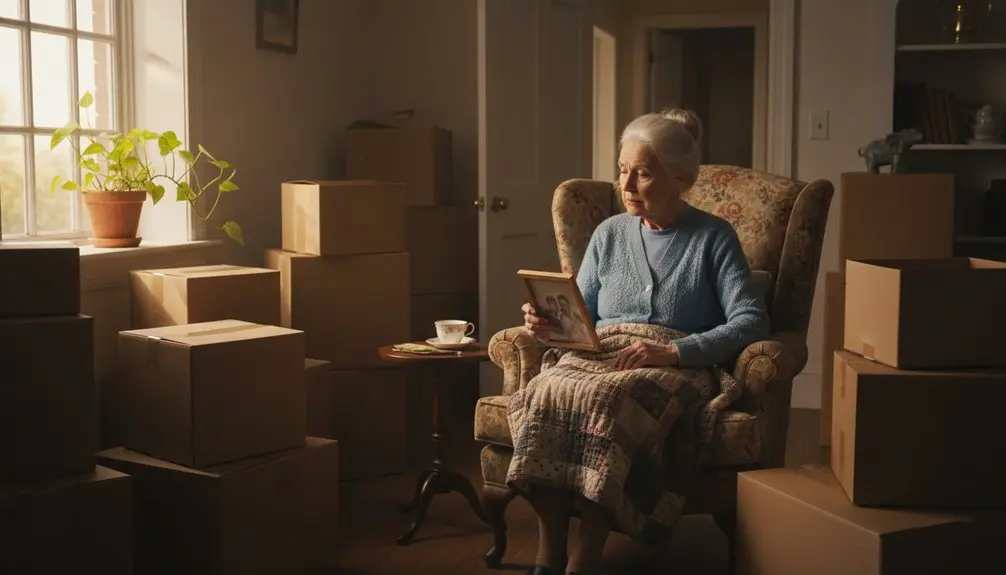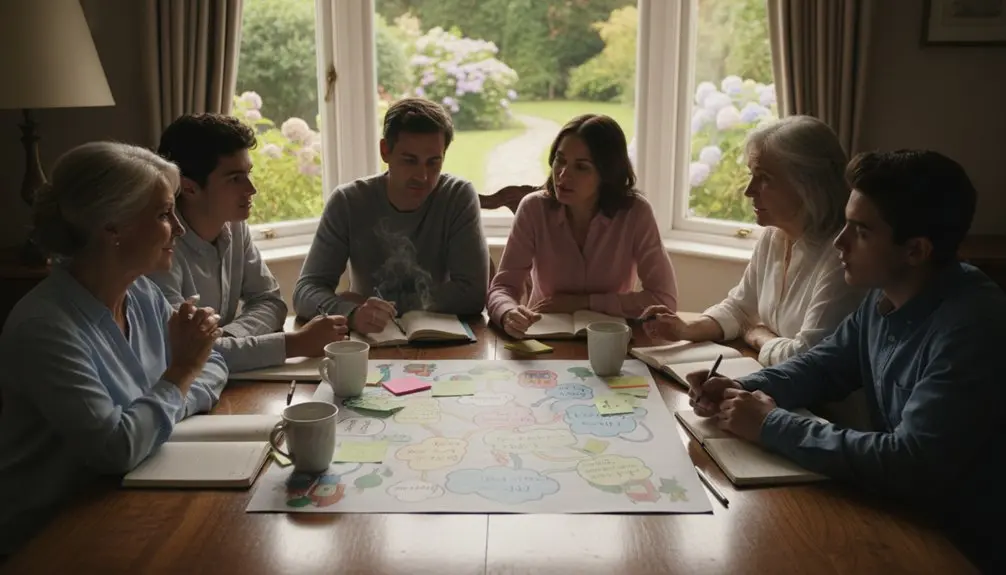
Comfortable shared spaces naturally encourage connection and belonging by using thoughtful design elements. When layouts invite movement and seating fosters conversation, you’ll find it easier to engage with others. Warm colors, soft lighting, and personal touches create a welcoming atmosphere that makes you want to linger. As you feel more at ease, trust and relationships can develop, strengthening community bonds. You’ll discover more ways to create and enhance these inviting spaces by exploring further.
Key Takeaways
- Comfortable seating arrangements invite longer interactions, fostering deeper connections among individuals in shared spaces.
- Warm colors and natural materials create a welcoming atmosphere that encourages people to engage and feel at home.
- Communal tables and flexible areas facilitate gatherings, promoting collaboration and a sense of belonging within the community.
- Thoughtful design elements, like good lighting and personal touches, enhance emotional well-being and trust among users.
- Gathering input from the community ensures shared spaces meet diverse needs, strengthening connections and fostering inclusivity.
How Design Makes Shared Spaces More Comfortable
When you step into a well-designed shared space, you immediately feel the difference. The layout invites movement, encouraging you to connect with others naturally.
Thoughtful seating arrangements create intimate nooks for conversation, while open areas foster collaboration. Warm colors and natural materials wrap you in comfort, making it easier to relax and engage.
Thoughtfully arranged seating creates cozy corners for conversation, while open spaces invite collaboration and connection. Warm colors and natural materials enhance comfort and engagement.
Good lighting plays an essential role, too; it brightens the atmosphere and lifts spirits, allowing everyone to feel more at ease.
You’ll notice how the little details—like plants or artwork—enhance the environment, sparking joy and inspiration. Every element serves a purpose, making it clear that this space is designed with care, promoting a sense of belonging and community among all who enter.
Additionally, the incorporation of communal areas encourages residents to interact and form meaningful connections.
Specific Ways Atmosphere Encourages Connection in Shared Spaces
Creating an inviting atmosphere in shared spaces greatly boosts your sense of connection with others. When you incorporate comfortable seating, warm lighting, and engaging decor, you invite people to linger and interact.
Soft colors can create a calming environment, encouraging open conversations. Consider adding communal tables where individuals can gather, share meals, or collaborate on projects, fostering a sense of togetherness.
Background music can also enhance the vibe, making it easier to connect. Personal touches, like community boards showcasing events or achievements, help cultivate a shared identity. Additionally, social connections are essential in enhancing the quality of life and overall well-being within a community setting.
How Comfort Strengthens Community Bonds
Comfort plays a pivotal role in forging strong community bonds. When people feel at ease in shared spaces, they’re more likely to engage with one another, fostering a sense of belonging.
You create an inviting atmosphere by using soft seating, warm lighting, and welcoming decor, which encourages open conversations. These elements invite trust and connection, allowing individuals to share their stories and experiences.
As you cultivate comfort, you empower others to express themselves freely, strengthening relationships within your community. By prioritizing comfort, you help people feel valued and accepted, creating a ripple effect that nurtures lasting bonds. Moreover, maintaining social connections enhances emotional well-being and reduces feelings of isolation.
Ultimately, when everyone feels comfortable, your community thrives, and together, you can achieve meaningful connections and support one another in profound ways.
Case Studies of Shared Spaces That Successfully Build Community
As you explore successful shared spaces, you’ll find that many have effectively cultivated community through thoughtful design and intentional programming.
For instance, community gardens invite neighbors to collaborate, fostering relationships as they nurture plants together. Libraries with dedicated reading areas encourage quiet connection, allowing individuals to share ideas and experiences.
Another example is co-working spaces that host regular workshops, creating opportunities for networking and skill-sharing among diverse groups. Each of these environments emphasizes inclusivity and accessibility, welcoming everyone to participate. Additionally, gardening promotes mental health, contributing to the overall well-being of those involved in shared gardening spaces.
By focusing on comfort and connection, these shared spaces not only meet practical needs but also inspire a sense of belonging.
These case studies demonstrate the power of shared spaces to transform lives and strengthen community ties.
How to Create Your Own Inviting Shared Space
When you set out to create an inviting shared space, focusing on the needs and desires of your community can make all the difference. Start by gathering input from those who’ll use the space; they’ll appreciate being heard.
Choose comfortable furniture that encourages conversation and collaboration. Incorporate warm lighting and vibrant colors to create a welcoming atmosphere.
Make certain to include flexible areas for various activities, whether it’s a quiet nook for reading or an open space for group gatherings.
Add personal touches, like local artwork or plants, to foster a sense of belonging. Finally, guarantee accessibility for everyone. Additionally, consider establishing resident-led clubs that can help sustain engagement and strengthen community bonds.
Frequently Asked Questions
What Types of Activities Foster Connection in Shared Spaces?
Group activities like cooking classes, game nights, or collaborative art projects foster connection in shared spaces. You’ll build relationships, share experiences, and create lasting memories, all while engaging and serving others in a welcoming environment.
How Do Cultural Differences Impact Comfort in Shared Environments?
Cultural differences shape your comfort in shared spaces, influencing communication styles, personal boundaries, and social norms. By embracing these differences, you can create an inclusive atmosphere that fosters understanding and connection among diverse individuals.
What Role Does Technology Play in Enhancing Shared Space Experiences?
Technology enhances shared space experiences by facilitating communication, creating interactive environments, and providing tools that foster collaboration. You can leverage apps and smart solutions to connect people, making those spaces more welcoming and engaging for everyone.
Are There Specific Design Trends in Shared Spaces for 2023?
In 2023, you’ll see biophilic designs, flexible layouts, and multifunctional furniture dominating shared spaces. These trends create inviting environments that foster collaboration, promote well-being, and enhance connections among individuals, making everyone feel valued and included.
How Can Shared Spaces Accommodate Diverse Age Groups Effectively?
To effectively accommodate diverse age groups, you can create multi-functional areas with varied seating, interactive zones, and quiet spaces. This way, everyone feels welcome and can engage comfortably, fostering connection among different generations.