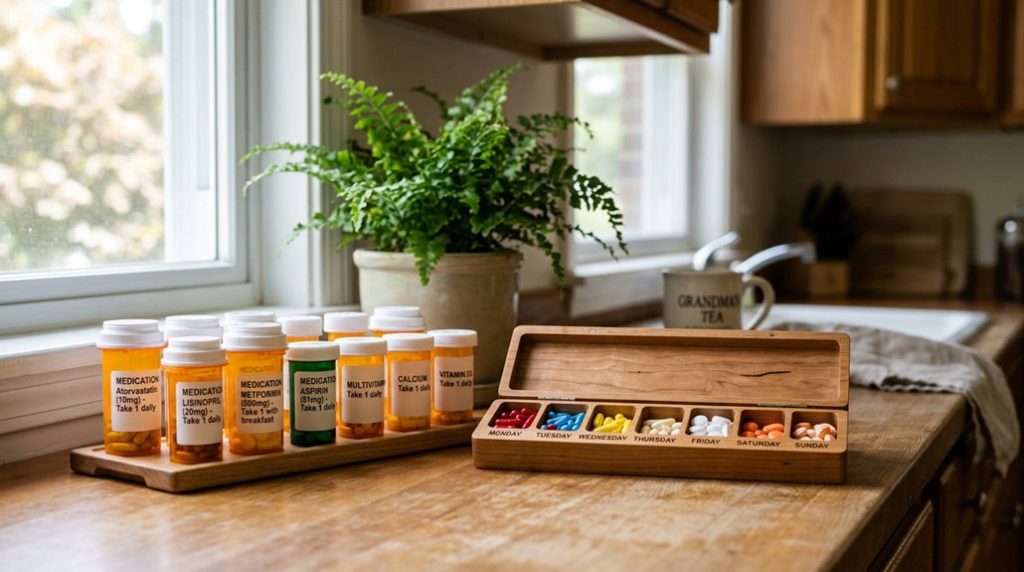
Assisted living facilities help you maintain consistent medication management and daily care by combining trained staff with advanced technology. They monitor side effects, guarantee timely administration, and review medications regularly to catch potential issues early. Staff receive ongoing training, so they’re prepared to support residents effectively. Plus, involving families fosters better compliance and safety. With a focus on clear communication and collaboration with healthcare providers, you’ll discover more ways these facilities enhance your loved one’s well-being.
Key Takeaways
- Trained staff provide timely medication administration, reducing risks of errors and ensuring residents adhere to prescribed regimens.
- Regular medication reviews by pharmacists help identify interactions and adjust treatments based on individual health assessments.
- Technology solutions, like automated dispensing systems and reminder devices, enhance adherence by maintaining accurate medication tracking.
- Family involvement in care plans fosters greater accountability and supports residents in managing their medications effectively.
- Ongoing staff training ensures consistent communication and reinforces proper medication management protocols across the facility.
Why Medication Errors Are Dangerous for Seniors
When it comes to medication management, medication errors can pose serious dangers for seniors. Each year, thousands of older adults face the consequences of these errors, often leading to hospitalizations or even death.
The CDC highlights adverse drug events as a major cause of preventable harm, especially for those over 65. With about 20% of these events resulting in hospitalization, it’s clear that medication mismanagement is a pressing public health issue. Polypharmacy increases the risk of these errors, affecting about one-third of American adults in their 60s and 70s and complicating their medication regimens. Medication synchronization can significantly reduce the likelihood of missed doses and improve adherence.
Adverse drug events are a leading cause of preventable harm in seniors, with 20% leading to hospitalization.
Errors like double dosing can cause dangerous side effects, including severe drops in blood pressure or confusion. Additionally, missed doses can worsen chronic conditions, increasing the risk of acute care episodes.
Addressing these issues is vital for ensuring the safety and well-being of our elderly population.
Understanding Polypharmacy Risks
Understanding the risks of polypharmacy is essential, especially for seniors managing multiple health conditions. When you see older adults taking five or more medications, be aware that this can lead to serious adverse effects.
With nearly 91% of those in long-term care on multiple drugs, the potential for harmful interactions increases considerably. Each additional medication raises the risk of falls, confusion, and even hospitalization. Medication synchronization can be a valuable strategy in mitigating these risks by aligning prescriptions and reducing the complexity of medication regimens.
It’s important to recognize that polypharmacy can worsen existing conditions or create new ones. As caregivers, your role in monitoring medication use is critical, ensuring that treatments align with health goals and minimizing unnecessary prescriptions. Regular reviews of medication lists are essential to prevent potential complications.
How to Keep an Eye on Side Effects and Interactions
Monitoring side effects and interactions is essential in assisted living, especially for seniors on multiple medications. Trained staff play a vital role in identifying adverse reactions early through vigilant observation. This proactive approach helps prevent complications like falls or hypotension, ensuring residents’ safety. Additionally, the use of simple technology can further enhance monitoring capabilities, allowing for more efficient tracking of medication adherence and side effects.
Regular assessments, particularly for those on psychotropic medications, help catch side effects such as drowsiness or memory impairment. Utilizing advanced pharmacy software enhances tracking and reduces errors, making it easier to manage medications effectively. Furthermore, 24/7 staff availability ensures that residents receive prompt attention when issues arise, minimizing risks associated with medication mismanagement.
Clear communication between staff and healthcare providers guarantees timely adjustments when issues arise, minimizing the risk of hospitalization. By prioritizing thorough monitoring, you can create a safer environment that supports the well-being of every resident.
Effective Strategies for Educating Residents on Medication Adherence
Effective education on medication adherence is essential for residents in assisted living, as it empowers them to take charge of their health. Start by using clear, jargon-free language in discussions and written materials, helping residents grasp the importance of their medications. Involve family and friends in educational sessions, reinforcing understanding and compliance. Consider utilizing pharmacists for personalized education; their expertise greatly boosts adherence rates. Implement reminder systems, like SMS texts or personal prompts, to encourage timely medication intake. Tailor your approach to fit individual preferences, linking medication routines to daily habits for lasting success. By creating a supportive and informative environment, you can greatly enhance residents’ ability to manage their health through informed medication use, as suboptimal medication adherence significantly impacts treatment outcomes. Additionally, personalized care plans can further assist in ensuring that medication routines are aligned with each resident’s specific health needs.
Ensuring Compliance Through Staff Training
Although staff training is often overlooked, it plays an essential role in guaranteeing medication compliance in assisted living facilities.
By providing thorough training to new hires and ongoing education for all staff, you equip your team with the knowledge needed to manage medications safely. This focus on training aligns with the need for personalized care plans that cater to each resident’s individual requirements.
Regular evaluations and group sessions foster a culture of collaboration and continuous improvement.
Hands-on training builds confidence, while technology education guarantees accurate documentation.
Covering key aspects like medication error prevention and patient assessment prepares your staff to meet residents’ unique needs.
Ultimately, this commitment to training not only enhances compliance but also reinforces a supportive environment where residents receive the best care possible.
Your dedication makes all the difference in their lives.
Communication Strategies for Medication Management
When it comes to managing medications in assisted living facilities, clear communication is essential for guaranteeing residents receive the best care. Standardized channels help staff relay medication information accurately, reducing confusion about dosages. Regular team meetings keep everyone updated on residents’ needs and care plans. Involving residents and their families fosters understanding and compliance, empowering them to ask questions and express concerns. Tailoring communication to each resident’s comprehension level is vital, using simple language and visual aids to bridge any gaps. Collaboration with healthcare providers guarantees smooth shifts and thorough medication reviews, as nearly 50% of medication errors occur during administration. Implementing assisted living protocols can further enhance medication safety and consistency.
The Importance of Timely Medication Administration
Clear communication lays the groundwork for successful medication management, making timely administration a pivotal aspect of care in assisted living.
When medications aren’t given on time, residents face increased risks of unmanaged health conditions and potential decline. With 77.5% of residents needing assistance, there’s a higher chance for errors, especially with polypharmacy. This is particularly concerning as accessible transportation options can significantly enhance the ability of seniors to attend necessary medical appointments.
That’s why trained staff diligently adhere to schedules, ensuring the right medications are administered at the right times. Standardized procedures enhance consistency, verifying every detail to prevent missed doses. Additionally, implementing the “seven Rs” of medication management ensures that all aspects of administration are thoroughly addressed.
Regular monitoring helps catch any timing issues early, allowing for swift intervention. By prioritizing timely medication administration, you not only uphold therapeutic drug levels but also foster a healthier, safer environment for your residents.
Using Technology for Medication Tracking
As technology evolves, assisted living facilities are increasingly turning to innovative solutions for medication tracking. Automated dispensing systems, like mobile carts and cabinets, provide secure, real-time inventory management, ensuring medications are dispensed accurately.
By using electronic medical administration records (e-MAR) and electronic health records (EHR), you eliminate handwriting errors and streamline documentation, making it easier to track adherence rates. Effective medication management is crucial for health and safety, especially for residents who often take multiple medications. Smart technology solutions like reminder devices, such as multi-alarm pill boxes and smart apps, help residents stay on schedule with their medications. Smart pill bottles monitor openings and send alerts, keeping caregivers informed.
Utilizing e-MAR and EHR systems minimizes handwriting errors and simplifies documentation, enhancing medication adherence tracking.
Video integration also supports safe medication administration, allowing for verified ingestion. Embracing these technologies not only enhances safety but also empowers you to provide compassionate care for those you serve.
Collaborating With Physicians for Better Medication Management
Incorporating technology for medication tracking sets the stage for effective collaboration with physicians, enhancing medication management in assisted living.
By partnering with geriatric-specialized pharmacies, you guarantee that expert pharmacists review medications upon residents’ arrival and whenever new prescriptions are issued. These pharmacists identify potential drug interactions and recommend necessary adjustments, fostering a safer environment. Establishing a single preferred pharmacy helps minimize medication errors and streamline processes. Additionally, comprehensive assessments of residents’ health can inform better medication management and tailored treatment plans.
Collaborative practice agreements empower pharmacists to manage chronic conditions, which improves overall care. Regular medication reviews and standardized communication protocols help keep everyone informed, minimizing errors.
This teamwork not only benefits residents but also strengthens relationships among caregivers, physicians, and pharmacists. By prioritizing ongoing oversight and open dialogue, you’re actively contributing to a more effective medication management process for those you serve.
Involving Families in Medication Oversight
This collaborative approach guarantees that families can participate in care plan adjustments and track compliance effectively. Furthermore, understanding long-term care insurance options can provide families with financial peace of mind as they support their loved ones. Ultimately, family involvement leads to fewer hospitalizations, improved symptom control, and greater independence for residents, creating a holistic environment that prioritizes safety and quality of life.
Frequently Asked Questions
What Should Families Do if a Dose Is Missed?
If a dose is missed, notify the healthcare provider immediately. Document the missed dose, inform nursing staff, and contact family members. Avoid self-administering; always follow professional advice to guarantee safety and effectiveness.
How Can Residents Report Side Effects Effectively?
To report side effects effectively, you should communicate clearly with staff. Describe your symptoms in detail, document when they started, and ask for assistance with any necessary follow-up or adjustments to your care plan.
Are There Alternatives to Common Medications for Seniors?
Yes, there are alternatives for seniors. Consider using acetaminophen for pain, melatonin for sleep, or cognitive behavioral therapy for anxiety. Always consult your healthcare provider to confirm these options suit individual health needs and conditions.
How Often Are Medication Regimens Reviewed?
Medication regimens are typically reviewed every three months, with quarterly assessments for those needing assistance. Regular reviews by licensed pharmacists identify issues, ensuring safety and effectiveness in your loved one’s medication management.
What Role Do Pharmacists Play in Assisted Living?
Pharmacists play an essential role in assisted living by reviewing medications, ensuring safety, and providing tailored recommendations. They educate residents and staff, enhance collaboration, and help manage chronic conditions, ultimately improving overall care and outcomes.