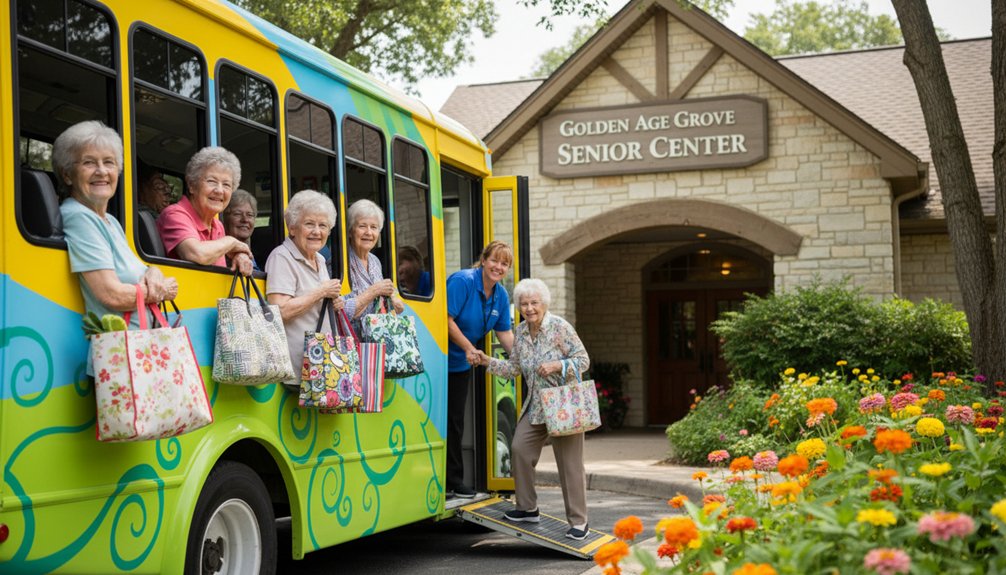
Bringing generations together through shared activities enriches everyone’s lives. You’ll see minds stay active and empathy grow as older and younger individuals connect. Engaging in storytelling, cooking, or volunteering not only fosters understanding but also combats loneliness. Games and creative projects can boost teamwork and communication, creating joyful moments. By creating welcoming spaces for interaction, families can strengthen their bonds. There’s so much more to explore about building these meaningful connections.
Key Takeaways
- Intergenerational activities enrich lives, fostering understanding and reducing feelings of loneliness for both older adults and children.
- Meaningful conversations and storytelling sessions create connections and enhance empathy across generations.
- Collaborative activities like cooking, gardening, and arts and crafts promote teamwork and skill sharing between age groups.
- Engaging in games fosters friendly competition, enhances creativity, and strengthens family bonds through shared experiences.
- Creating inviting family spaces encourages interaction and facilitates meaningful conversations that bridge generational gaps.
Why Intergenerational Bonding Matters
Intergenerational bonding matters because it enriches lives across all ages. When you engage with younger generations, you keep your mind active and open, sparking new ideas and perspectives. This interaction enhances cognitive functioning and offers mental stimulation. Furthermore, intergenerational relationships help children learn empathy and character, while they provide you with fresh insights from their experiences. These connections bridge age gaps, fostering understanding and mutual support, which combats social isolation. Regular interaction with younger generations also improves mood and reduces feelings of loneliness.
Intergenerational bonding enriches lives, keeping minds active and fostering fresh ideas through meaningful connections across all ages.
Your involvement in their lives builds trust and meaningful bonds. By sharing life lessons and cultural heritage, you not only preserve family traditions but also empower youth with broader perspectives. Ultimately, these enriching relationships create a sense of community, unity, and shared values that benefit everyone involved.
Emotional Benefits of Intergenerational Bonding Experiences
When you engage with younger generations, you not only foster meaningful connections but also reap significant emotional benefits. These interactions can reduce feelings of loneliness and isolation for older adults, providing renewed comfort and purpose. Sharing stories and wisdom offers emotional fulfillment and helps pass on invaluable life lessons. Activities like baking or dancing create joyful moments that elevate everyone’s spirits. Engaging in interactive activities fosters collaboration and fun, enriching the experience for all ages. You’ll also find that these bonds strengthen emotional resilience, as youth gain perspective from elders’ experiences, while older adults receive support managing aging challenges. Ultimately, these connections enhance a sense of belonging**, bridging generational gaps and fostering inclusivity. By investing in these shared experiences, you cultivate a vibrant community where everyone feels valued, leading to better physical health for older adults involved in these interactions.
Activities That Foster Meaningful Conversations
Creating meaningful conversations across generations can transform relationships and deepen understanding.
Storytelling sessions allow seniors to share personal histories while younger participants ask questions, igniting engaging discussions. Gather around photo albums or mementos to enrich these stories and preserve family history.
Structured discussions, like 10-minute talks on hobbies or life experiences, encourage connection and insight. Incorporating generational coffee chats can further enhance these interactions by providing a relaxed setting for dialogue.
Collaborative games, such as puzzles or family talent shows, foster friendly competition and highlight individual strengths.
Outdoor activities, like nature walks, promote discovery and shared experiences.
Ultimately, community volunteering strengthens bonds while offering a chance to serve together.
These activities not only facilitate communication but also build lasting relationships that benefit everyone involved.
Sharing Skills Across Generations: Creative Activities
Sharing skills across generations can spark creativity and strengthen bonds, allowing individuals of all ages to learn from one another.
Engaging in arts and crafts, like painting or scrapbooking, fosters communication and creates lasting keepsakes. Cooking together not only passes down family recipes but also encourages teamwork and problem-solving. These activities can build life-enhancing relationships through collaboration. Additionally, mentoring opportunities can provide valuable life skills and insights from seniors to youth.
You might explore gardening, where seniors share plant wisdom while younger generations tackle the physical tasks, nurturing both plants and relationships.
Additionally, skill workshops can pair youth with elders, facilitating a rich exchange of digital skills and industry knowledge.
These creative activities not only promote learning but also cultivate a sense of community, enriching lives through shared experiences and collaboration.
Games That Engage All Ages
Consider classic card games like UNO and Skip-Bo, which are easy to learn and bring everyone together for quick rounds of fun.
Board games like Trouble and Sequence Letters offer simple mechanics that encourage family interaction.
Active games, such as Capture the Flag and DIY Obstacle Courses, promote teamwork while keeping everyone moving.
For a social twist, party games like It’s in the Bag and Guess Who create laughter and lively discussions.
Cooperative games like Minecraft and Treasure Hunts cultivate creativity and collaboration, as they often enhance problem-solving abilities.
Educational Opportunities for Learning Together
While many people might think of learning as a solo endeavor, intergenerational educational opportunities demonstrate that collaboration can enhance the experience for everyone involved.
Classroom-based discussions allow older adults and students to share knowledge, enriching literacy and communication skills—especially for immigrant students. Elders teach indigenous languages and cultural practices, fostering mutual understanding. Collaborative learning encourages active participation across generations, further deepening connections and understanding. Additionally, these interactions provide cognitive stimulation that enhances memory retention and overall mental health.
Training programs prepare youth to lead these activities, equipping them with awareness about aging and sensitivity toward older adults. As they engage, young learners develop social skills, empathy, and even manage anxiety better.
These educational experiences not only boost academic success but also promote emotional well-being across generations, creating a supportive environment where everyone thrives together.
Volunteering Together for Intergenerational Bonding
Volunteering together creates powerful connections that deepen intergenerational bonds. When you engage in community service with older adults or youth, you foster relationships built on shared experiences and mutual respect.
Elders experience reduced isolation, improved mood, and increased mobility, while youth develop communication skills and a positive outlook on aging. As you work side by side, you exchange wisdom and fresh perspectives, breaking down age stereotypes in the process. Programs like community gardening or technology tutoring not only strengthen the social fabric but also promote cultural traditions and values. Together, you can tackle community challenges, enhancing resilience and understanding across generations. Moreover, senior volunteerism has been shown to boost physical health, contributing to overall well-being for all involved.
Volunteering isn’t just service; it’s a pathway to empathy and lasting connections, ultimately supporting the notion of mutual obligations across generations.
Creating Spaces Where Families Connect
Creating spaces where families can connect enhances relationships across generations, fostering understanding and shared experiences.
Design your living areas with spacious, comfortable seating in the living room to encourage storytelling and communication. Storytelling sessions allow family members to share tales from their past, further enriching these connections.
Kitchens can become collaborative hubs, where everyone participates in meal preparation, creating delicious memories together.
Outdoor gardens and terraces invite family barbecues and planting activities, teaching teamwork while sparking meaningful conversations.
Interactive play zones with games and crafts allow all ages to engage, fostering creativity and connection.
Finally, flexible designs in homes guarantee privacy and togetherness, accommodating everyone’s needs.
Frequently Asked Questions
How Can I Start Intergenerational Activities With My Family?
Start by choosing inclusive activities everyone enjoys, like cooking or game nights. Schedule regular gatherings, prepare materials beforehand, and encourage participation. These steps help create lasting connections while fostering understanding and shared experiences across generations.
What Age Groups Benefit Most From Intergenerational Bonding?
Children and seniors benefit most from intergenerational bonding. You’ll notice improved emotional health, social skills, and reduced loneliness as they connect, learn, and grow together, fostering understanding and respect across generations. It’s truly rewarding!
How Do I Choose Activities for Diverse Age Ranges?
Choose activities that cater to various abilities and interests. Opt for open-ended tasks, collaborative projects, or games. Focus on shared experiences that encourage connection, fostering both learning and enjoyment among participants of all ages.
Are There Specific Challenges in Intergenerational Bonding?
Yes, there’re specific challenges in intergenerational bonding. You might face differing communication styles, conflicting parenting philosophies, and emotional tensions. Understanding these differences helps you foster connections and create meaningful relationships across generations.
How Can Technology Facilitate Intergenerational Connections?
Technology connects you with younger family members through video calls, social media, and messaging apps. These tools help you share experiences, learn new skills, and maintain relationships, fostering understanding and closeness across generations.