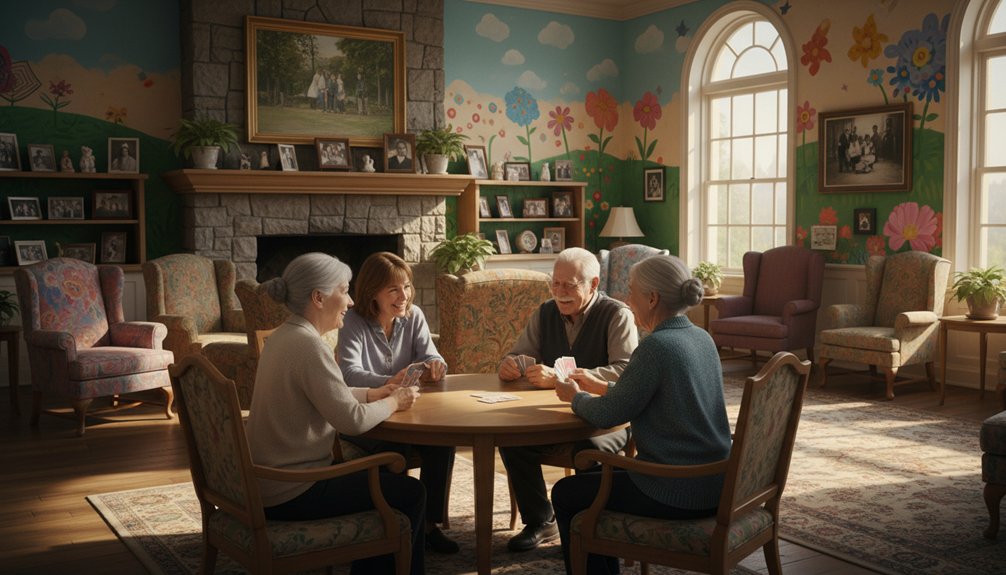
When researching a warm and supportive senior living community for yourself or a loved one, there are several important factors to consider that can significantly influence the overall experience.
- Home-like Environment: Look for communities that prioritize creating a comfortable, homelike atmosphere. This can help residents feel more at ease and promote a sense of belonging.
- Personalized Care: It’s essential to find a community that offers tailored care plans to meet the unique needs and preferences of each resident. Personalized care can enhance the quality of life and ensure that residents receive the support they require.
- Staff Culture: A respectful and compassionate staff culture is vital. Observing staff interactions with residents can provide insight into how supportive and engaged the staff will be in the daily care and activities of residents.
- Social Engagement: Opportunities for social activities and engagement with peers can greatly enhance a resident’s well-being. Look for communities that offer a variety of programs and activities that encourage socialization and interaction.
- Family Involvement: Encouraging family participation can contribute positively to a resident’s experience. Consider communities that welcome family visits and involvement in care planning and activities.
As you explore different senior living options, reflect on how these elements can create a nurturing and supportive atmosphere for your loved one. Consider asking specific questions about each of these factors during your visits or conversations with community representatives. This approach can help ensure that you make an informed decision that aligns with the needs and preferences of your family member.
Key Takeaways
- When researching a senior living community, look for an environment that feels home-like. Cozy furnishings, familiar colors, and personal touches can greatly enhance comfort and safety for residents.
- Individualized care plans are an important feature to consider. These plans should adapt to the changing needs of residents and involve both residents and their families in decision-making processes.
- Evaluate the community’s staff culture. A focus on respectful communication, ongoing training, and recognition of staff achievements can contribute to a supportive atmosphere for residents.
- Opportunities for social engagement are crucial for emotional well-being. Look for communities that offer tailored activities to foster connections among residents and promote a sense of community.
- Consider how technology is utilized for family involvement. Features such as secure communication channels and virtual visit options can help families stay informed and connected with their loved ones.
Creating a Home-like Environment
Creating a home-like environment in a senior living community is important for helping residents feel comfortable and connected to their past lives. Consider the following elements when evaluating different options:
Creating a home-like environment in senior living communities fosters comfort and connection to residents’ past lives.
- Residential-Style Interiors: Look for communities that offer warm, inviting interiors with upholstered furniture and soft lighting. These features contribute to a cozy atmosphere that can help residents feel more at home.
- Familiar Color Palettes: Communities that use color schemes evoking familiarity can be more welcoming. Avoiding institutional monotones helps create a more pleasant living environment.
- Personal Touches: Some communities may encourage residents to personalize their space with family photographs and cherished items. This can foster a sense of ownership and support emotional well-being, as personal furnishings and decor reflect individual style and preferences. Additionally, communities like Essex House provide a focus on maintaining a home-like atmosphere, enhancing the personal experience.
- Attention to Safety and Accessibility: Layouts should prioritize safety and accessibility for seniors without compromising comfort. Check for features such as non-slip flooring, handrails, and easily navigable spaces.
- Communal Spaces: Look for communities that have communal areas resembling living rooms or dining rooms. These spaces can encourage social interaction and connection among residents, making daily life more engaging.
When researching senior living options, consider how these elements align with the needs and preferences of your loved one. Not all communities provide the same services or amenities, so it’s essential to ask questions and compare options to find the best fit.
Ensuring Quality and Personalized Care
How can you ensure your loved one receives the quality and personalized care they deserve in a senior living community? Start with a comprehensive assessment that takes into account their goals, preferences, and strengths. This approach emphasizes person-centered care, prioritizing what truly matters to them instead of adhering to rigid community routines.
It’s essential that each resident has an individualized care plan that evolves with their changing needs, clearly documenting their wishes and encouraging shared decision-making among family members and staff. Preference congruence is a critical aspect of evaluating how well a senior living community meets your loved one’s needs. Understanding the different types of assisted living services available can further guide you in making informed decisions.
When researching communities, consider those that emphasize high staffing levels and ongoing training for their caregivers, as these factors can significantly enhance communication and relationships.
Additionally, participating in regular care conferences that include your loved one and their caregivers is important. These discussions allow for the review of the resident’s progress and satisfaction, fostering a collaborative environment that’s responsive to their unique journey.
Fostering a Warm and Respectful Staff Culture
To foster a warm and respectful staff culture in a senior living community, consider the following practical approaches:
- Encourage Open Communication: Promote an environment where staff members feel comfortable sharing their thoughts and ideas. This open dialogue can enhance teamwork and improve overall morale, ultimately leading to better personalized care plans for residents.
- Promote Respectful Interactions: Cultivating respectful interactions among staff is essential. Such an atmosphere not only boosts staff morale but also positively impacts resident satisfaction.
- Invest in Training: Providing thorough training focused on key qualities such as empathy, patience, and civil behavior is crucial. This ensures that staff feel valued and adequately equipped to support residents.
- Recognize Achievements: Acknowledging staff achievements fosters a sense of belonging and commitment. Recognitions can be formal or informal, but they should consistently highlight individual contributions.
- Involve Staff in Decision-Making: Encouraging staff involvement in community decisions can enhance their sense of ownership and responsibility, which can lead to improved care for residents. Positive organisational culture is essential for fostering staff engagement and stability, ultimately enhancing the quality of care provided to residents.
Prioritizing Safety and Health Monitoring
A warm and respectful culture among staff is crucial in senior living communities, particularly for ensuring safety and health monitoring. It’s important to have effective fall-risk management strategies in place. This typically includes:
A warm, respectful culture among staff is essential for ensuring safety and effective health monitoring in senior living communities.
- Standardized Assessments: Regular evaluations to identify residents who may be at risk of falling.
- Multifactor Interventions: Strategies such as medication reviews and modifications to the environment to enhance safety.
- Post-Fall Response Protocols: A structured approach to assess and monitor residents for at least 72 hours following any fall.
In addition to fall prevention, strong infection prevention measures are essential. This includes:
- Hand Hygiene Policies: Clear guidelines for staff and residents to maintain proper handwashing practices.
- Environmental Cleaning: Regular cleaning protocols to minimize the risk of infection, especially considering surveillance training for staff to identify early signs of infection. Comprehensive crisis plans for emergencies also contribute to maintaining a safe environment.
Ongoing health monitoring is also a key component of care in senior living settings. This may involve:
- Routine Monitoring of Critical Signs: Regular checks of vital signs to detect any potential health issues early.
- Symptom Surveillance: Keeping an eye on any changes in residents’ health that may need attention.
By focusing on these aspects, senior living communities can create a safe and supportive environment where residents feel cared for and can thrive during their golden years.
When researching options, it can be helpful to ask about these specific safety and health measures to determine how well they align with your needs or those of your loved one.
Encouraging Social Engagement and Meaningful Activities
Encouraging social engagement and meaningful activities is vital for enhancing the quality of life in senior living communities. These elements significantly contribute to emotional well-being, helping to reduce loneliness and isolation among residents. As a result, fostering strong social connections can lead to greater happiness and life satisfaction.
When considering options for senior living, it’s important to look for communities that offer regular group activities. These activities can help lower rates of depression and anxiety while providing a sense of belonging and emotional security. Programs that integrate physical, cognitive, and creative activities often support overall wellness and can cater to a variety of interests and life histories, which can enhance engagement and fulfillment. Additionally, communities that prioritize community involvement create supportive environments that foster connections among residents. Friendship serves as a powerful antidote to loneliness and can significantly enrich the lives of seniors.
Here are some considerations to keep in mind when researching senior living options:
- Variety of Activities: Look for communities that offer diverse activities tailored to residents’ preferences, as this can enhance participation.
- Focus on Wellness: Communities that promote physical, cognitive, and creative engagement typically support residents’ holistic well-being.
- Social Connections: Ensure that the community emphasizes the importance of building social ties among residents, as this can significantly impact emotional health.
Promoting Family Involvement and Transparency
Promoting family involvement and transparency in senior living communities is important for building trust and improving the quality of care that residents receive. Here are several key considerations for families researching care options:
Promoting family involvement in senior living communities fosters trust and enhances the quality of care for residents.
- Communication Systems: Look for communities that have effective communication systems in place. Regular updates through various channels can help keep you informed about your loved one’s well-being.
- Care Conferences: Participating in care conferences is a valuable opportunity for families to engage in care planning and goal setting for their loved ones. This collaboration can ensure that their needs and preferences are prioritized, reflecting the importance of family involvement in the care process.
- Transparent Policies: It’s beneficial to understand the community’s policies regarding family rights and grievance processes. Independent family councils can also foster an open environment where families can voice concerns and suggestions.
- Engagement in Daily Life: Regular visits and participation in community activities can enhance your loved one’s experience. Being involved in their daily life not only supports them emotionally but also helps you stay connected.
- Technology Use: Consider communities that offer technology options, such as secure portals and virtual visits. These tools can help you maintain a close connection with your loved one, regardless of physical distance.
Frequently Asked Questions
What Is the Staff-To-Resident Ratio During Different Shifts?
During different shifts, the staff-to-resident ratios can vary significantly in senior living communities, which is an important consideration when assessing care options:
- Day Shift: The typical staff-to-resident ratio is around 1:8, but this can range from 1:7 to 1:14, particularly in settings where residents have higher care needs.
- Evening Shift: Ratios may increase to approximately 1:12 to 1:20, depending on the specific needs of the residents during this time.
- Night Shift: The ratio often extends to 1:15 or higher, with some communities reporting ratios as high as 1:25.
Understanding these ratios is essential for ensuring quality care, as they can impact the level of attention and support each resident receives.
When evaluating senior living options, it’s beneficial to consider how these staffing levels align with the care needs of yourself or your loved one.
Are Pets Allowed in the Senior Living Home?
Many senior living communities recognize the importance of pets in the lives of older adults and often allow residents to bring their furry companions.
However, it’s essential to understand that each community may have specific policies regarding pet ownership.
Here are some considerations to keep in mind:
- Types of Pets: Most communities typically permit cats or small dogs, often with a weight limit of around 50 pounds.
- Behavioral Requirements: Residents may need to provide proof that their pets are well-behaved, spayed or neutered, and up-to-date on vaccinations.
- Potential Restrictions: Some communities may impose additional restrictions, such as pet fees or limits on the number of pets per resident.
- Cleanliness and Care: It’s crucial to maintain cleanliness in shared areas and to have a contingency plan for your pet’s care, especially in case of emergencies or if you need assistance.
When researching senior living options, it’s advisable to inquire about the specific pet policies of each community to ensure a suitable environment for both you or your loved one and their pet.
How Are Emergency Drills Conducted and Communicated?
Emergency drills in senior living communities are essential for ensuring the safety of residents and staff. These drills are conducted following established procedures that prioritize everyone’s well-being. Here are some key aspects to consider:
- Evacuation Practice: Staff members regularly practice evacuation routes and their specific responsibilities during an emergency. This preparation includes unannounced drills to create a realistic environment.
- Communication: Clear communication is vital. Residents are informed about the procedures for drills, and their level of participation may vary based on their individual abilities.
- Alarm Signals and Simulated Conditions: Drills typically involve the use of alarm signals and may simulate real emergency conditions. This helps staff become familiar with responding effectively in actual emergencies.
- Staff Training: It’s crucial that all staff members receive thorough training. This ensures a cohesive and well-coordinated response during emergencies, which can significantly enhance the safety of everyone in the community.
When researching senior living options, it can be helpful to inquire about the community’s approach to emergency preparedness, including how often drills are conducted and how communication is handled with residents.
Understanding these procedures can provide peace of mind when considering a care setting for yourself or a loved one.
Can Residents Personalize Their Living Spaces?
Yes, residents can personalize their living spaces, but there are typically guidelines to follow. Many senior living communities encourage residents to bring personal belongings, such as photographs and furniture, to help create a comforting and homelike environment.
Most communities provide designated storage for personal items and ensure that safety regulations are adhered to. Each resident usually has access to their own wardrobe and bedside table, offering opportunities for individual expression.
It’s important to keep in mind that any limitations on personalization will generally be based on safety or space considerations rather than convenience alone.
As you explore options for a living space, consider asking about the specific guidelines for personalization in each community you visit, as these can vary widely.
What Transportation Options Are Available for Outings?
There are several transportation options available for outings that can help older adults maintain their independence and access essential services. Understanding these options can assist you in making informed decisions for yourself or a loved one.
- Community Shuttles: Many senior living communities offer community shuttles that transport residents to shopping centers, pharmacies, and local attractions. These services are often provided at no additional cost, making them a convenient choice for errands and leisure activities.
- Private Rides for Medical Appointments: For medical appointments, private rides with escorts may be available. This ensures that residents arrive safely and receive assistance as needed during their travels.
- Accessible Vehicles: Some transportation options include accessible vehicles designed for those with mobility challenges. These vehicles typically feature ramps and lifts to facilitate easier entry and exit for residents who use wheelchairs or other mobility aids.
- Local Aging Services: Organizations dedicated to supporting older adults can help identify additional transportation resources, including public transit options, ride-hailing services, and volunteer driver programs. This can expand the choices available for outings and enhance mobility.
When evaluating transportation options, consider the specific needs of the older adult and the availability of services in your area.
It may be beneficial to ask about the frequency of community shuttles, the safety measures in place for private rides, and whether accessible vehicles are readily available. Each community may have different offerings, so it’s important to gather information that’s relevant to your situation.