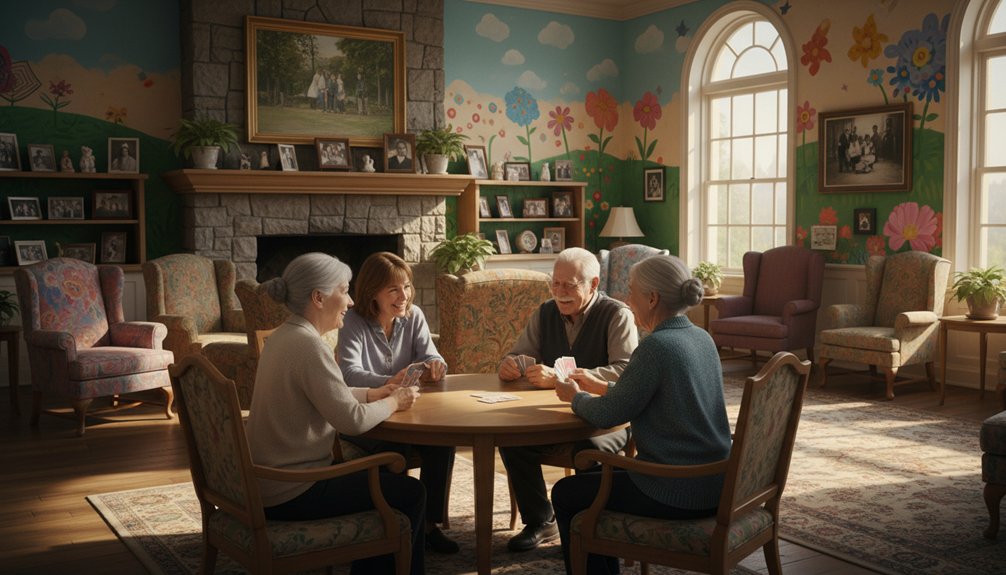
Shared meals in senior living communities are a vital aspect of fostering connections and promoting a sense of belonging among residents. When older adults gather around the dining table, they not only share meals but also engage in meaningful conversations, exchange personal stories, and build social bonds. This communal dining experience can help reduce feelings of loneliness and isolation, which is important for emotional well-being.
Here are some key benefits of shared meals in senior living settings:
- Social Interaction: Sharing meals encourages residents to interact with one another, creating opportunities for friendships and support networks. This can significantly enhance the overall quality of life.
- Emotional Well-Being: The sense of community fostered during meal times can improve residents’ emotional health. Feeling connected to others can alleviate feelings of anxiety and depression.
- Cultural and Personal Identity: Meals can be an expression of cultural heritage and personal preferences. Communities that offer diverse dining options may allow residents to enjoy familiar foods, reinforcing their identities and personal histories.
- Routine and Stability: Regular meals provide a structured routine, which can be comforting for many older adults. This predictability can help create a homelike atmosphere within the community.
When evaluating different senior living options, consider asking about the dining experience, including:
- What types of meals are provided, and are they tailored to residents’ nutritional needs?
- Are there opportunities for residents to participate in meal planning or preparation?
- How often are communal meals held, and what is the atmosphere like during these times?
By understanding the role of shared meals in promoting community and well-being, you can make a more informed decision when selecting a senior living option that feels like home.
Key Takeaways
- Shared meals can create a comforting atmosphere in senior living communities, fostering a sense of familiarity and routine that contributes to residents feeling more at home.
- Communal dining encourages social interactions, allowing older adults to build relationships and strengthen community ties, which can be an important aspect of their daily lives.
- Involvement in meal-related decisions can promote a sense of personal identity among residents, enhancing their connection to their living environment.
- Shared meals often serve as a central hub for social interaction, helping to reinforce culture and identity within the community.
- Regular participation in communal dining may lead to increased overall happiness and life satisfaction, contributing to a more fulfilling living experience for seniors.
When considering senior living options, it may be beneficial to inquire about the communal dining experience, the frequency of shared meals, and how these settings foster social connections among residents.
Enhancing Social Connections and Reducing Loneliness
When researching senior living options for yourself or a loved one, it’s important to consider how communal dining can enhance social connections and reduce feelings of loneliness among older adults. Shared meals offer more than just nourishment; they create structured opportunities for social interaction, which can significantly address social isolation. Loneliness and social isolation are linked to negative health outcomes, making these shared meal experiences even more vital for improving quality of life.
Communal dining fosters social connections and combats loneliness, creating enriching interactions for older adults in senior living communities.
Here are some practical considerations to keep in mind regarding meal programs in senior living communities:
- Community Engagement: Look for communities that prioritize shared meals, as these settings often encourage relationship-building among residents. Participating in communal dining can help individuals form new friendships while nurturing existing ones. Additionally, communal dining fosters social interactions, breaking down feelings of loneliness and enhancing the quality of life.
- Staff Interaction: Meals shared between residents and staff can strengthen bonds and improve communication. This interaction not only fosters a sense of community but can also enhance the overall dining experience. Personalized staff interactions are essential in creating unforgettable moments during meals.
- Regular Participation: Consistent involvement in communal meals may lead to reduced feelings of loneliness and increased life satisfaction. Ask about the frequency and variety of meal gatherings to understand how residents can engage socially.
- Nutritional Considerations: Besides the social aspects, consider the nutritional quality of the meals provided. Communities may vary in their approach to meal preparation and dietary accommodations, so inquire about how they meet residents’ dietary needs.
When exploring senior living options, asking the right questions about communal dining and social activities can provide valuable insights into the overall quality of life within the community.
Prioritizing these aspects can help ensure that residents feel connected and supported in their new home.
Creating a Sense of Home and Belonging
Creating a sense of home and belonging in senior living communities involves more than just the physical environment; it’s essential to foster a space where residents feel valued, comfortable, and connected to one another.
One practical approach is to implement regular shared meals, which can establish a familiar routine for residents. These communal dining experiences often provide predictable moments that help anchor residents’ days. Regular meal times not only add structure but also contribute to community building, enhancing social interactions among residents. Additionally, these shared meals promote an environment where emotional well-being is prioritized, further encouraging residents to engage with one another.
Considerations for enhancing the dining experience may include:
- Psychological Security: Shared meals can foster feelings of safety and security, helping residents feel more at ease.
- Personal Identity: Opportunities for residents to make choices about seating and menu options can enhance their sense of autonomy and personal identity.
- Comforting Atmosphere: A thoughtfully designed dining environment, featuring homelike décor and warm lighting, can create a comforting atmosphere that feels more like home.
By prioritizing these elements, senior living communities can transform mealtimes into meaningful events.
Everyday conversations and shared experiences during meals can strengthen community ties, making the environment feel welcoming and supportive for all residents.
As you research senior living options, consider how each community approaches these aspects, as they can significantly impact the overall quality of life for residents.
Promoting Better Nutrition and Physical Health
Promoting better nutrition and physical health in senior living communities is crucial for enhancing the well-being of residents. Shared meals can significantly contribute to this goal. When older adults come together for communal dining, they often increase their energy and nutrient intake, which can be beneficial for everyone involved. Research shows that communal dining enhances meal enjoyment, social support, and psychological resilience among older adults.
Regular family-style meals can support higher consumption of essential nutrients, such as protein and carbohydrates. This communal approach also fosters a supportive environment that helps combat malnutrition among residents. Research indicates that shared meals can assist in maintaining body weight and preserving physical performance, which in turn contributes to overall health and happiness. Additionally, nutrient-dense meals are prioritized to ensure that all residents receive the necessary vitamins and minerals for optimal well-being.
When considering a senior living community, it’s important to prioritize settings that emphasize sociable mealtimes. This not only ensures that residents have access to nutritious food but also helps them build connections with others. A focus on communal dining can enhance nutritional status and strengthen residents’ sense of community and belonging, ultimately making a positive difference in their daily lives.
When researching care options, consider asking about the community’s dining practices, meal planning, and how they promote social interactions during mealtimes. Each community may offer different services and amenities related to nutrition and dining, so understanding these aspects can help in making an informed decision.
Supporting Cognitive and Psychological Well-Being
Supporting cognitive and psychological well-being in senior living communities is essential for enhancing residents’ quality of life. Shared meals can create structured and predictable environments that help foster routine, which may reduce anxiety and promote emotional stability. Engaging residents in communal dining encourages social interaction, potentially alleviating feelings of loneliness and depression. Additionally, these shared mealtimes can stimulate conversation and memory recall, which may enhance cognitive function and resilience. Many residents describe these occasions as warm and inviting, viewing them as valuable opportunities to connect, reminisce, and engage with one another. Community dining enhances quality of life by combining nourishment with meaningful interaction. Participation in volunteering opportunities can further enrich social connections during mealtime discussions, creating a nurturing atmosphere that supports both emotional health and cognitive vitality. Prioritizing these communal dining experiences can contribute significantly to overall well-being, creating a nurturing atmosphere that supports both emotional health and cognitive vitality.
When researching senior living options, consider how each community approaches shared meals and social interactions, as these elements can play a vital role in the well-being of residents. It’s important to ask about the frequency of communal dining, the atmosphere during meals, and how the community fosters social connections among residents.
Fostering Community Culture and Identity
When exploring senior living communities, understanding the significance of shared meals can be an important aspect of fostering culture and identity among residents. Communal dining experiences often form the core of community life, providing opportunities for residents to gather, engage in conversation, and build meaningful relationships. Participating in mealtimes can help reinforce shared values and routines, contributing to a sense of belonging. Shared meals may also help reduce social isolation, allowing seniors to connect with others and expand their social networks. It can be beneficial to consider how residents are involved in meal-related decisions, such as menu choices and seating arrangements. When residents have input, it can enhance their sense of collective identity and support a vibrant community culture. Moreover, these dining gatherings can transform the experience into a more home-like environment, fostering connection and support among residents. The dining room serves as a central hub for social interaction, further emphasizing the importance of mealtime experiences in building community bonds. Incorporating interactive game nights during or after meals can enhance engagement and promote laughter among residents and their families. When researching a senior living community, consider asking about their dining options, how they incorporate resident feedback, and the overall atmosphere during mealtimes. This information can provide valuable insights into the community’s culture and how it nurtures relationships among residents.
Frequently Asked Questions
How Can Shared Meals Improve Residents’ Daily Routines?
Shared meals can significantly enhance the daily routines of residents in senior living communities by providing structure and opportunities for social interaction.
Regular dining times establish predictable routines, making mealtimes a comforting and nourishing ritual. Eating with others can improve nutrition and help reduce feelings of loneliness, fostering a sense of community among residents.
These shared dining experiences can simplify daily life and promote independence, ensuring that residents feel connected while enjoying delicious food in a warm atmosphere.
When considering senior living options, it may be beneficial to inquire about the dining arrangements, including:
- Meal Schedule: What’re the typical dining hours, and how flexible are they?
- Food Options: Are the meals prepared on-site? Can residents choose from a variety of menu items, including dietary accommodations?
- Social Aspects: Are there opportunities for social dining, such as communal meals or special events that encourage interaction among residents?
- Nutrition: How does the community ensure that meals meet the nutritional needs of older adults?
Understanding these aspects can help families and caregivers make informed decisions about the care setting that best supports their loved one’s needs.
What Types of Meals Are Typically Served in Communal Dining?
In a communal dining setting within senior living communities, meals are often thoughtfully structured to accommodate a range of dietary preferences and nutritional needs.
Here’s an overview of what you might typically find:
- Breakfast: Common offerings include cereals, eggs, toast, and a selection of beverages such as coffee and tea. This meal is designed to provide a nutritious start to the day.
- Lunch and Dinner: These meals typically feature a variety of soups, main entrées, starchy sides, and desserts. The focus is on balanced nutrition to support the health and well-being of residents.
- Snacks: Available throughout the day, snacks are often provided alongside beverages to encourage hydration and maintain energy levels.
This variety in meal options helps ensure that all residents can find choices that meet their personal preferences and dietary requirements.
When considering a senior living community, it may be helpful to ask about their dining options, menu variety, and accommodations for special dietary needs.
How Do Cultural Preferences Influence Shared Meal Programs?
Cultural preferences significantly impact shared meal programs in senior living communities. When the food served reflects residents’ cultural identities, it helps foster a sense of belonging and comfort. Incorporating traditional dishes can create an inviting atmosphere where residents feel at home.
It is essential to acknowledge dietary needs, such as halal or kosher options, as this contributes to the overall well-being of older adults. A diverse menu that includes culturally relevant choices can enhance meal satisfaction and encourage participation in communal dining experiences.
When researching care options, consider the following factors related to shared meal programs:
- Cultural Relevance: Ask about the community’s approach to incorporating cultural dishes and dietary preferences into their meal plans.
- Dietary Accommodations: Inquire if the dining program can accommodate specific dietary requirements, such as vegetarian, gluten-free, or religious needs.
- Meal Variety: Look for communities that offer a rotating menu with various options to keep dining experiences fresh and enjoyable.
- Dining Environment: Evaluate the atmosphere of the dining area. A welcoming and comfortable setting can enhance social interactions among residents.
- Participation Opportunities: Consider whether the community encourages residents to participate in meal planning or cooking, which can further strengthen connections among residents.
Are There Any Specific Dietary Restrictions Accommodated During Shared Meals?
Yes, specific dietary restrictions are accommodated during shared meals in senior living communities. This ensures that all residents can enjoy their dining experience while meeting their individual needs.
Here are some key considerations:
- Chronic Condition Diets: Menus can be adapted to cater to specific medical needs, such as diabetes or hypertension, helping residents manage their health through appropriate nutrition.
- Allergy Management: It’s important for communities to identify allergens and provide options that are free from these ingredients, ensuring the safety of residents with food allergies.
- Cultural and Religious Needs: Many communities offer meals that adhere to cultural and religious dietary laws, such as kosher or halal options, as well as vegetarian meals, allowing residents to maintain their dietary practices.
- Texture-Modified Diets: For residents who’ve difficulty swallowing, communities may provide safe and appropriate texture-modified options to ensure they can eat comfortably.
Addressing these dietary needs fosters a welcoming atmosphere and respects the preferences of all residents, enhancing their overall experience in the community.
When exploring senior living options, it’s beneficial to inquire about how dietary restrictions are handled to ensure that your loved one’s needs will be met.
How Often Are Communal Meals Organized in Senior Living Facilities?
In senior living communities, communal meals are typically organized three times a day: breakfast, lunch, and dinner. These meals take place in shared dining areas and are designed to foster social interaction among residents.
While participation in these meals is often optional, many communities encourage residents to join in at least one communal dinner during the weekdays.
Additionally, some communities may offer extended dining hours or lighter fare throughout the day, providing more opportunities for informal shared eating. This flexibility can enhance connections among residents, contributing to a sense of community within the care setting.
When considering communal meal options within a senior living community, it can be beneficial to ask the following questions:
- How many meals are provided daily, and what’re the dining hours?
- Are there options for special dietary needs or preferences?
- Is attendance at communal meals encouraged or required?
- Are there opportunities for informal gatherings outside of scheduled meal times?
Understanding these aspects can help you make an informed decision about the social and dining environment in a potential home for yourself or a loved one.