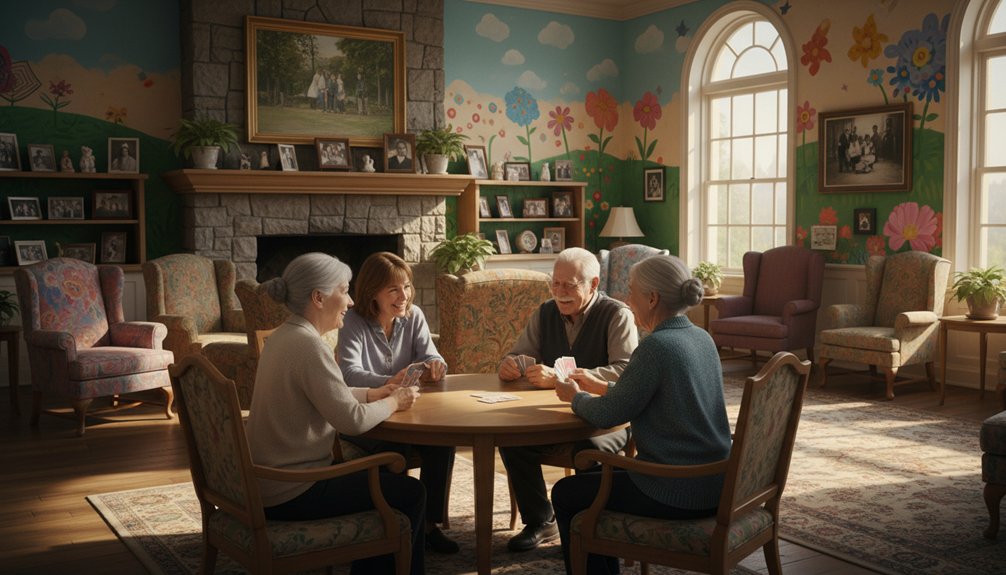
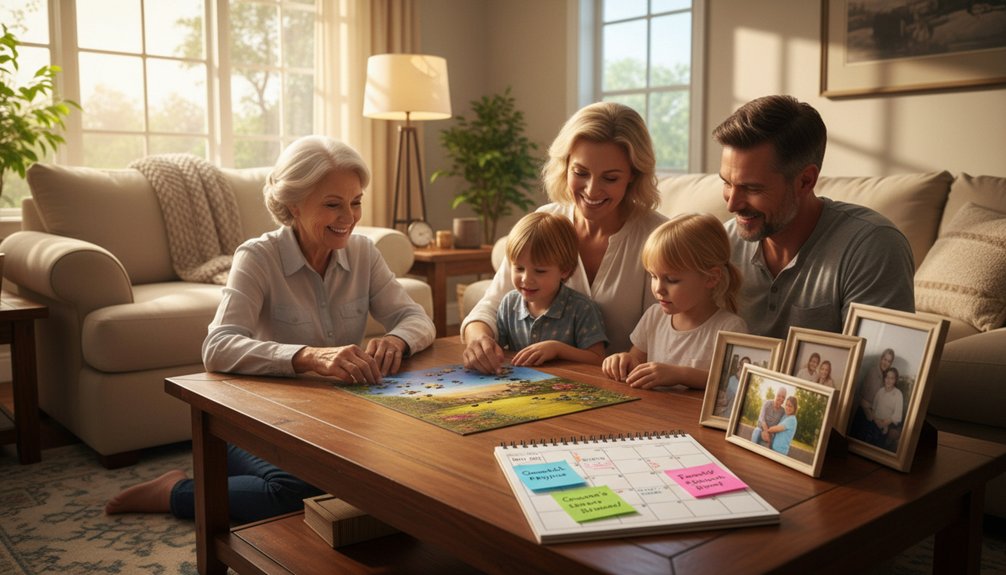
Seniors often benefit from consistent routines and caring support, which significantly enhance their quality of life. Establishing structured schedules can help maintain cognitive functions, while regular sleep patterns may contribute to emotional stability. Additionally, fostering social connections within a community can create a sense of belonging, helping to reduce feelings of loneliness.
As you consider care options for yourself or a loved one, it’s important to understand how these elements may influence well-being in a senior living community or care setting. Here are some key factors to consider:
- Consistency in Daily Routines: Regular activities can help residents feel secure and engaged, which may positively impact their mental health.
- Emotional and Social Support: Look for communities that encourage social interactions and provide opportunities for residents to connect with one another, as this can enhance emotional well-being.
- Cognitive Engagement: Many care settings offer programs designed to stimulate cognitive functions through activities such as games, arts and crafts, or discussions.
- Physical Health Considerations: Regular physical activity is often incorporated into daily routines, promoting overall health and mobility.
- Personalized Care Services: Assess what type of medical support and assistance are available, as services may vary by provider.
When exploring options, it can also be helpful to ask specific questions about how a community supports its residents through routines and social engagement. Understanding these aspects can guide you toward a choice that aligns with the needs and preferences of you or your loved one, promoting healthier aging and a more fulfilling lifestyle.
Key Takeaways
- Consistent routines can significantly enhance sleep quality for older adults, which may lead to improved overall well-being and a reduced risk of cognitive decline. A regular schedule often helps residents feel more secure and relaxed.
- Structured daily schedules can provide cognitive support, which may reinforce memory systems and improve attention and processing speed. This structure can be especially beneficial in a senior living community, where activities are designed to stimulate mental engagement.
- Regular participation in enjoyable activities and social interactions can help combat feelings of loneliness, enhancing mood and emotional well-being. Many communities offer a variety of programs that encourage residents to connect with one another.
- Predictable routines can promote physical independence, safety, and mobility, which may reduce the risk of falls and improve overall health. It’s important to consider how a community supports residents in maintaining their physical abilities.
- Strong social connections and caregiver support are essential for reducing feelings of isolation. A caring environment can foster emotional resilience and a sense of belonging among seniors, making it crucial to evaluate the social dynamics and support systems available in potential care settings.
The Importance of Sleep Quality in Aging
As you age, the significance of sleep quality becomes more pronounced, particularly regarding its influence on your overall well-being. Changes in sleep architecture often lead to a decrease in deep sleep and an increase in nighttime awakenings. Many seniors experience challenges in maintaining sleep, such as waking early or having difficulty falling back asleep.
This reduction in sleep efficiency can have implications for physical and mental health, with studies linking inadequate sleep to increased cardiovascular risks and cognitive decline. In fact, adequate sleep is likely to coincide with indicators of healthy aging, highlighting its critical role in the aging process. Engaging in cognitive stimulation during the day can further support better sleep patterns at night.
To promote better health, it’s beneficial to establish a consistent sleep routine. Aim for approximately 7 hours of quality sleep each night, as both insufficient and excessive sleep can raise mortality risks. By concentrating on enhancing sleep quality, seniors can improve resilience, maintain independence, and elevate their overall quality of life.
When considering senior living communities or care settings, it may be helpful to ask about how they support residents’ sleep needs. Factors to consider include:
- Sleep Environment: Inquire about the comfort and quietness of sleeping areas.
- Routine Support: Ask if staff assist with maintaining regular sleep schedules for residents.
- Health Monitoring: Understand how the community addresses sleep-related health issues, including any available medical support.
- Activities and Engagement: Look for communities that promote daytime activities, which can positively impact nighttime sleep.
Focusing on sleep quality is an essential aspect of health and well-being as you or your loved ones navigate the aging process.
Cognitive Support Through Structured Routines
Structured routines can provide valuable cognitive support for seniors who are navigating the challenges of aging. Establishing consistent daily schedules may help reduce cognitive load and offer essential orientation cues. This predictability can strengthen memory systems through repetition, making it easier for older adults to encode and retrieve everyday tasks.
Incorporating regular cognitive activities, such as puzzles or reading, is beneficial for maintaining attention and processing speed. Visual aids, like calendars or cue cards, can serve as effective external memory supports, especially for residents experiencing short-term memory challenges. Additionally, structured activities can improve executive function skills, enabling seniors to plan and manage tasks more effectively. By fostering these routines, caregivers and family members can create a supportive environment that encourages seniors to navigate their daily lives with increased independence and confidence. Consistency in daily schedules leads to fewer behavioral issues and a sense of security.
When considering senior living options or care settings, it may be helpful to inquire about how communities incorporate structured routines and cognitive activities into their programs. Understanding the specific services and support available can assist families in making informed decisions for their loved ones.
Enhancing Mood and Emotional Well-Being
Establishing a consistent daily routine can significantly benefit seniors by enhancing their mood and emotional well-being. Regular wake and sleep times can lead to improved sleep quality, which is associated with a more positive mood and less irritability. A structured routine can also help reduce anxiety and depressive symptoms by minimizing uncertainty and daily stress. Incorporating enjoyable activities, such as listening to music or pursuing hobbies, can further support emotional health. Additionally, maintaining regular social interactions with caregivers and loved ones is essential for providing the support needed to combat feelings of loneliness. Furthermore, consistent personal care routines can promote a sense of dignity and emotional readiness for the day. By focusing on these elements, families and caregivers can create an environment that enhances the emotional well-being of seniors, making each day more fulfilling. Proactive mental health care is vital in ensuring that seniors thrive in their later years. Engaging in meaningful social interactions can also enhance the quality of life for older adults, promoting a stronger sense of community and belonging. When considering options for senior living or care, it may be helpful to inquire about how the community supports routine establishment and emotional wellness activities, as these can vary widely among providers.
Promoting Physical Independence
Promoting physical independence is essential for maintaining the quality of life and overall well-being of older adults. Engaging in regular physical activity, such as walking outdoors for 15–20 minutes twice a day, can enhance cardiovascular fitness and improve mobility. Strength training exercises, performed 2–3 times a week with a focus on joint-friendly movements, can significantly enhance balance and reduce the risk of falls. Incorporating structured fall-prevention routines, such as Tai Chi, can help build confidence and ensure safety during daily activities. Additionally, considering home safety modifications—like securing rugs and installing grab bars—can create a safer environment that supports independent navigation. Joint-friendly activities also play a vital role in empowering seniors to manage daily tasks and improve self-care capabilities. Furthermore, participating in evidence-based programs can significantly enhance physical capabilities and overall health.
The Role of Social Connections in Loneliness
Social connections are crucial for combating loneliness among older adults, providing both emotional support and a sense of belonging that can significantly enhance well-being. Engaging with family, friends, and community members can help reduce feelings of isolation. Research indicates that nearly 24% of seniors experience social isolation, which can adversely affect their health and cognitive function. This situation is particularly concerning as social isolation is linked to increased risks of premature mortality and various health issues. Regular interactions with peers can improve mental well-being and create a supportive network that further combats loneliness.
To promote healthier behaviors and improve overall happiness, consider the following options for fostering social connections:
- Volunteer Opportunities: Engaging in volunteer work can create meaningful interactions and a sense of purpose.
- Joining Clubs or Groups: Many communities offer clubs or activity groups that cater to various interests, providing opportunities to meet new people.
- Regular Communication: Simple actions like reaching out for a conversation can strengthen bonds with loved ones and friends.
These small, practical steps can help create lasting connections that uplift spirits and encourage a healthier, more connected life for seniors.
When exploring senior living options, it’s important to inquire about the community’s approach to fostering social interactions and the specific activities they offer for residents. Each community may vary in its services and opportunities for engagement, so considering these factors can aid in making an informed decision.
The Impact of Caregiving on Emotional Health
While caregiving can be a fulfilling role, it also presents significant emotional challenges that may impact mental health. Caregivers often experience higher levels of depression, anxiety, and psychological distress compared to those not in caregiving roles. The demands of caregiving can lead to chronic stress, which might affect both emotional and physical well-being. In fact, studies show that caregivers for dementia patients experience 30-40% depression rates, highlighting the importance of addressing these emotional challenges. Nurturing personal well-being is essential for caregivers to manage stress effectively.
Support is crucial in managing these challenges. Strong emotional and social networks can help mitigate stress and enhance mental health.
Here are some practical strategies for caregivers to consider:
- Engage in Self-Care: Prioritize your own well-being by taking time for activities that bring you joy and relaxation.
- Seek Help: Don’t hesitate to reach out to friends, family, or support groups for assistance and companionship.
- Utilize Resources: Explore options like counseling or respite care, which can provide temporary relief and help you recharge.
By focusing on your emotional health, you’ll be better prepared to provide effective care for residents in senior living communities.
Remember that the right support can make a significant difference in your caregiving journey.
Long-Term Outcomes of Consistent Support and Routine
Establishing a consistent routine can significantly impact the long-term well-being and independence of older adults. Supporting seniors in maintaining regular daily activities can lead to improvements in physical function and self-reported health.
Engaging in consistent exercise as part of structured routines may enhance cognitive performance and decrease the risk of cognitive decline. Additionally, physical activity is crucial for promoting health and longevity in older adults, making it an essential component of their daily routines. Regular participation in fitness programs can also provide social interaction, which is vital for emotional well-being.
Moreover, predictable schedules can help older adults navigate their surroundings with greater mobility and safety. Regular routines also promote adherence to medication and healthy habits, which can be vital in managing chronic diseases effectively.
When researching senior living communities or care options for yourself or a loved one, consider how these environments foster support and routine. Ask potential communities about their daily activity schedules, exercise programs, and opportunities for social engagement. By focusing on these aspects, you can help empower seniors to thrive, ultimately leading to a higher quality of life and greater autonomy as they age.
Frequently Asked Questions
What Are Some Examples of Effective Daily Routines for Seniors?
To establish effective daily routines for seniors, it’s important to consider several key elements that support their well-being and engagement:
- Morning: Encourage a consistent wake-up time that promotes a sense of routine. Residents can begin their day with personal hygiene practices, take any necessary morning medications alongside a nutritious breakfast, and incorporate light exercise to enhance mobility and energy levels.
- Daytime: Planning purposeful activities throughout the day can help maintain engagement. This may include social interactions, hobbies, or cognitive exercises such as puzzles or reading, which can promote mental stimulation and social connection.
- Nutrition: Regular meal times are essential for maintaining a balanced diet. It’s also important for older adults to stay well-hydrated and consider incorporating light snacks or short naps to support overall energy and wellness.
- Evening: As the day winds down, calming activities can help residents relax. Maintaining a consistent bedtime routine and ensuring a low-stimulation environment before sleep can contribute to better rest and overall health.
These routines can vary depending on the community or care setting, so it’s beneficial to discuss specific needs and preferences with caregivers or staff to tailor a routine that best supports each individual.
How Can Technology Assist in Maintaining Routines for Older Adults?
Technology can be a valuable ally for older adults striving to maintain their daily routines. Here are several tools that can support this goal:
- Medication Reminder Apps: These applications can help residents remember when to take their medications, ensuring they adhere to their prescribed dosages and schedules.
- Wearable Devices: Many older adults may benefit from wearable technology that tracks vital signs and activity levels. These devices can provide reminders for health checks, promoting proactive health management.
- Voice Assistants: Hands-free technology, such as voice-activated assistants, can be used to set reminders for appointments, meals, and other daily tasks, helping seniors stay organized and on schedule.
- Telehealth Platforms: Virtual check-ins with healthcare providers can offer a convenient way for older adults to receive medical support without needing to travel. This can be especially beneficial in fostering regular health management routines.
When considering technology options, it’s essential to evaluate how these tools fit into the specific needs of the resident and the overall care setting.
Not all communities may have the same level of access to technology or support for these tools, so it’s wise to inquire about the resources available in your chosen senior living community.
What Role Does Nutrition Play in Supporting Seniors’ Routines?
Nutrition plays a crucial role in supporting the daily routines of older adults, helping them maintain their health and well-being. Balanced meals are essential for providing the necessary nutrients that support overall health, while regular meal times can create a sense of structure in daily life.
Adequate protein intake is particularly important as it contributes to muscle strength, which is vital for maintaining independence. Additionally, staying hydrated is essential for daily functioning, as dehydration can lead to various health issues.
A diet rich in a variety of micronutrients can help prevent health declines often experienced in later years. By focusing on nutrient-dense foods and maintaining consistent eating patterns, families and caregivers can assist seniors in meeting their dietary needs, ultimately enhancing their quality of life.
When considering senior living options, it’s helpful to inquire about the nutritional services provided. Questions to consider include:
- What types of meals are offered, and how are they planned?
- Are there options for special dietary needs or restrictions?
- How are hydration needs supported throughout the day?
- Is there flexibility in meal timing to accommodate individual preferences?
How Can Caregivers Encourage Social Interactions Among Seniors?
To foster social interactions among seniors, consider the following approaches:
- Organize Group Activities: Plan regular outings or classes that align with residents’ interests. This can help build connections and encourage camaraderie among peers.
- Create a Welcoming Environment: Ensure that common spaces are accessible and inviting. A comfortable setting can encourage informal gatherings and conversations.
- Facilitate Technology Use: Provide assistance in navigating online platforms, enabling seniors to participate in virtual gatherings and stay connected with family and friends.
- Encourage Volunteering: Explore local volunteer opportunities that allow older adults to engage with others while contributing to the community.
Supporting these social interactions is important as it can help reduce feelings of isolation and enhance overall well-being for seniors.
What Activities Promote Cognitive Engagement in Older Adults?
To foster cognitive engagement in older adults, consider encouraging participation in a variety of activities that can enhance mental stimulation and overall well-being. Here are some options that may be available in senior living communities or care settings:
- Reading and Writing: Engaging in these activities can help improve language skills and memory retention. Many communities offer book clubs or writing workshops that can facilitate this engagement.
- Puzzles and Games: Involvement in puzzles, board games, or card games can enhance problem-solving abilities and critical thinking skills. Look for communities that provide organized game nights or puzzle challenges.
- Creative Arts: Activities such as painting, crafting, or music can stimulate creativity and improve fine motor skills. Many care settings might offer art classes or workshops that allow residents to explore their artistic side.
- Social Activities: Participating in group discussions, classes, or social events can foster communication and social interaction. Communities often host activities designed to encourage residents to connect with one another.
Integrating these activities into daily routines can be beneficial in maintaining cognitive health for older adults.
When researching care options, consider asking about the specific activities offered, as services and amenities can vary by community.