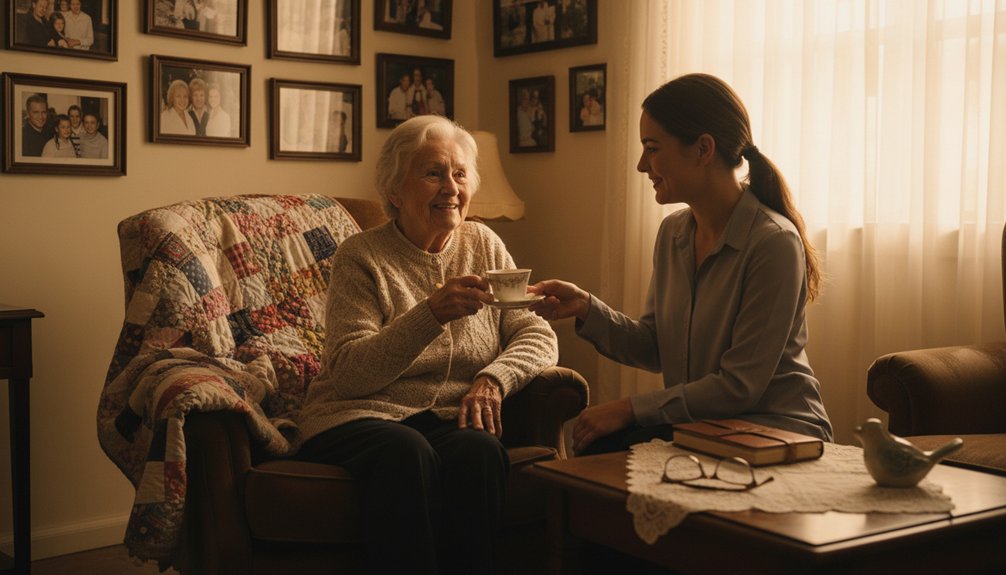
Planning ahead for senior care can greatly ease stress for you and your family. It prepares you for aging challenges and creates a roadmap that aligns with your loved one’s values. By discussing care options early, you facilitate open communication, making difficult decisions smoother. Establishing routines also promotes well-being and reduces unexpected surprises. Involving seniors in these discussions guarantees their preferences are respected. There’s much more to explore about optimizing the care experience for everyone involved.
Key Takeaways
- Planning ahead creates a clear care roadmap, aligning with family values and reducing uncertainty during challenging times.
- Engaging in discussions about care options fosters open communication, easing family tensions and strengthening relationships.
- Establishing routines ensures consistency, promoting stability and well-being for seniors, thereby minimizing stress for caregivers.
- Involving seniors in decision-making empowers them, ensuring their preferences are respected and enhancing their quality of life.
- Utilizing support groups and resources provides guidance, offering families tools to navigate transitions smoothly and effectively.
Why Planning Ahead for Senior Care Matters
Planning ahead for senior care matters because it helps guarantee you and your loved ones are prepared for the challenges that come with aging.
By taking proactive steps, you create a roadmap for care that aligns with your family’s values and preferences. This foresight reduces stress during difficult times, allowing everyone to focus on what truly matters—supporting each other.
You’ll be able to discuss and establish care options, ensuring your loved ones receive the best possible attention when they need it most. Additionally, planning ahead enables seamless care transitions within the same community, which enhances comfort and reduces stress for everyone involved.
In addition, planning fosters open communication and strengthens relationships, as you navigate these important decisions together.
Ultimately, your efforts today can cultivate a sense of security and peace of mind for both you and those you care for.
Top Health Care Options for Seniors
As you explore health care options for seniors, it’s essential to contemplate a variety of services that can meet individual needs.
Home health care is a popular choice, allowing seniors to receive medical assistance in the comfort of their own homes.
Adult day care programs offer socialization and supervision during the day, easing caregiver burdens.
Assisted living facilities provide a blend of independence and support, ensuring seniors have access to necessary services.
For more intensive care, skilled nursing facilities are equipped for those with chronic conditions.
Finally, hospice care focuses on comfort and dignity for those with terminal illnesses.
Each option plays a crucial role in enhancing quality of life, so consider what aligns best with the values and preferences of your loved ones. Additionally, exploring government programs for cost assistance can help ease the financial burden of care options.
Discussing Senior Care Preferences
Choosing the right health care option is just the beginning; discussing senior care preferences is equally important. You’ll want to engage your loved one in an open conversation about what they value most in their care.
Ask about their daily routines, favorite activities, and social interactions. This guarantees their needs are met and respects their autonomy.
Encourage them to express any concerns or wishes, whether it’s about living arrangements or specific health care decisions. Listening actively helps you understand their perspective and priorities.
Additionally, consider discussing the importance of continuum of care to ensure they have options as their needs evolve.
Establishing Routines for Better Senior Well-Being
Establishing routines can greatly enhance a senior’s well-being, providing structure and a sense of purpose in their daily lives. By creating consistent schedules for meals, activities, and rest, you can help seniors feel more secure and engaged.
Incorporate their preferences and interests into these routines, whether it’s morning walks, reading time, or hobbies. This not only boosts their mood but also promotes physical health. Regular physical activity is essential for maintaining mobility and reducing fall risk, which are vital for seniors’ overall health.
Encourage social interactions by scheduling regular visits or group activities, fostering connection and reducing feelings of isolation.
As you plan, remain flexible; adjustments may be needed based on their energy levels or health.
Ultimately, a well-structured routine nurtures independence and dignity, making their day-to-day experiences more fulfilling and enjoyable.
Tips for Easing Family Stress During Care Transitions
Managing care changes can be overwhelming for families, but you can ease some of that stress with thoughtful planning and open communication. Start by holding regular family meetings to discuss needs and concerns, ensuring everyone feels heard.
Create a shared calendar to track appointments, medication schedules, and care tasks. This keeps everyone on the same page and reduces last-minute stress. Don’t hesitate to involve your loved one in the decision-making process; their preferences matter.
Consider reaching out to local support groups or resources for guidance and emotional support. Finally, practice self-care. When you’re feeling calm and centered, you’re better equipped to handle adjustments. Setting healthy boundaries can also help maintain your well-being throughout this transition.
A little preparation can go a long way in making this journey smoother for everyone involved.
Frequently Asked Questions
What Financial Assistance Options Are Available for Senior Care Planning?
You can explore Medicaid, veterans’ benefits, long-term care insurance, and state assistance programs for financial support. Additionally, some nonprofit organizations offer grants or scholarships specifically aimed at helping with senior care expenses.
How Can I Involve My Elderly Parent in Care Decisions?
Involve your elderly parent by asking for their opinions, discussing preferences openly, and encouraging them to share their wishes. Collaborate on care plans, ensuring they feel valued and respected in the decision-making process.
What Legal Documents Should I Prepare for Senior Care?
You should prepare important legal documents like a durable power of attorney, healthcare proxy, and living will. These guarantee your parent’s wishes are respected and help you make informed decisions about their care.
How Do I Choose a Caregiver for My Loved One?
To choose a caregiver for your loved one, consider their experience, compatibility, and communication style. Interview candidates, ask for references, and trust your instincts—finding the right match makes all the difference in care quality.
What Are the Signs That a Senior Needs More Care?
If a senior shows signs of confusion, frequent falls, changes in hygiene, or difficulty managing daily tasks, they likely need more care. Pay attention to their mood and physical health for additional clues.