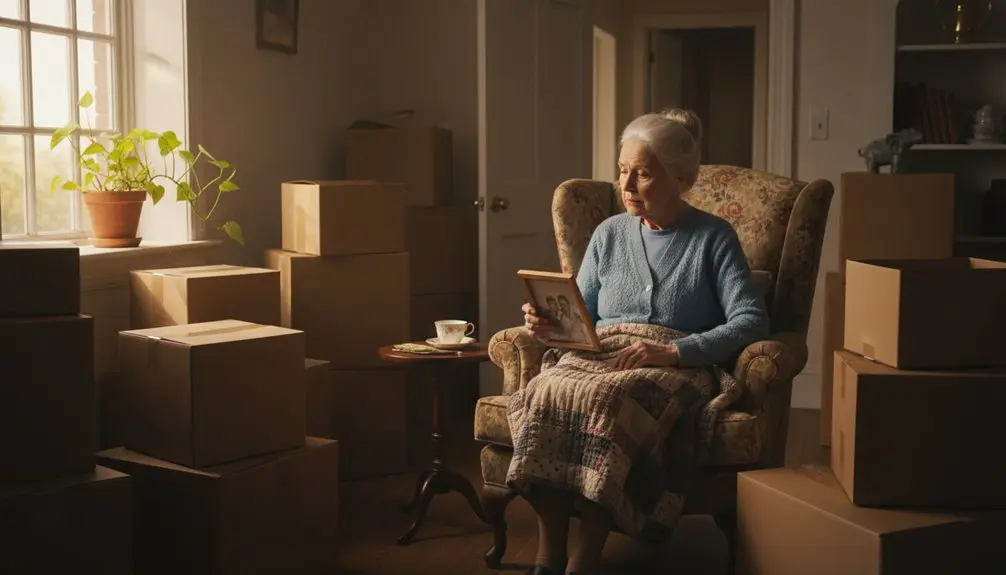
Familiar faces and consistent care in assisted living greatly enhance residents’ emotional well-being. When caregivers know your loved one’s preferences and routines, they create a comforting atmosphere, reducing feelings of loneliness and anxiety. Trust builds as caregivers actively listen and engage, leading to better communication about health needs. This connection promotes overall quality of life, ensuring residents feel valued. Discover more about how these relationships enrich the experience for both residents and families.
Key Takeaways
- Familiar faces create comfort and trust, leading to a smoother transition for residents in assisted living.
- Consistent caregivers enhance emotional support, reducing feelings of loneliness and anxiety among seniors.
- Tailored care based on knowledge of preferences fosters a sense of security and belonging.
- Strong relationships with caregivers improve communication, allowing residents to express needs and concerns openly.
- Trust in caregivers promotes better health outcomes and overall well-being for residents.
The Role of Familiarity in Assisted Living
When you consider moving into assisted living, the familiarity of faces can greatly impact your experience. Having caregivers you recognize creates a sense of comfort and trust.
You’ll find that these familiar faces don’t just provide care; they build relationships that foster emotional support. When staff members know your preferences, routines, and history, they can tailor their approach to meet your needs more effectively.
This familiarity enhances communication, making it easier for you to express your needs and concerns. Plus, it encourages a positive environment where you feel valued and understood.
Ultimately, building these connections can lead to a smoother shift and a more enriching living experience, allowing you to focus on what truly matters—your well-being and happiness. In this supportive environment, the role of personalized care becomes essential in fostering resilience among residents.
Emotional Benefits of Familiar Caregivers for Seniors
Familiar caregivers play a crucial role in enhancing emotional well-being for seniors. When you provide consistent care, you create a sense of security that helps seniors feel valued and understood. This emotional connection can greatly reduce feelings of loneliness and anxiety, fostering a happier environment.
Seniors often thrive on routine, and knowing they’ll see familiar faces each day can bring comfort and stability. You’re not just meeting physical needs; you’re nurturing their emotional health.
As you build relationships, you encourage open communication, allowing seniors to express their feelings and concerns. This bond not only enriches their daily lives but also enhances your ability to provide compassionate care, creating a nurturing atmosphere for everyone involved. Additionally, strong social ties contribute to improved mental and physical health, further enhancing their overall quality of life.
How Familiar Caregivers Build Trust With Residents
By actively listening to their concerns and responding with empathy, you demonstrate that their needs matter. Small gestures, like remembering their favorite activities or engaging in meaningful conversations, help solidify this bond. Consistency in care not only builds trust but also enhances the overall quality of life for residents, as assisted living services ensure they receive necessary support while maintaining independence. When you’re a familiar face, you create a space where they feel valued and cared for, making a significant difference in their daily experiences.
Connecting With Residents: the Heart of Quality Care
Connecting with residents goes beyond just providing care; it’s about forging meaningful relationships that enhance their well-being.
When you take the time to listen and engage with them, you create an environment where they feel valued and understood. Each conversation, no matter how small, can brighten their day and build trust. You might share stories, laugh together, or simply ask about their interests.
These connections foster a sense of belonging and community, essential for emotional health. By showing genuine compassion and empathy, you empower residents to express their needs and preferences, making their experience more fulfilling. Additionally, regular family visits significantly improve seniors’ mental health and life enjoyment.
How Consistent Caregivers Boost Engagement
**
When caregivers remain consistent in their roles, residents feel a greater sense of security and trust. This stability encourages residents to engage more fully in daily activities, fostering deeper connections. You’ll notice that when the same caregivers interact regularly, residents are more likely to share their thoughts, participate in discussions, and express their preferences. This engagement enriches their lives, making them feel valued and understood. As a caregiver, your familiar presence can spark joy and comfort, transforming mundane routines into meaningful moments. By building these relationships, you not only enhance their emotional well-being but also create an environment where everyone thrives. Your consistent care is a key ingredient in promoting a vibrant community that celebrates connection and belonging. Additionally, maintaining social connections is essential for overall well-being in later years, which your consistent presence can help facilitate.
Improving Health Outcomes With Familiar Care
**
Familiar care can greatly enhance health outcomes for residents in assisted living. When you build trusting relationships with caregivers, residents feel more comfortable expressing their needs and concerns. This open communication can lead to quicker identification of health issues and more personalized care plans.
Consistent caregivers know each resident’s medical history and preferences, allowing for tailored interventions that improve overall well-being. You’ll notice that residents often respond better to familiar faces, which can reduce anxiety and promote a sense of safety. Moreover, this continuity fosters a supportive environment where residents are encouraged to engage in healthy activities. Additionally, personalized care plans ensure that the specific needs and preferences of each resident are consistently met, enhancing their overall recovery experience.
Building Community in Assisted Living
Community thrives on shared experiences and meaningful interactions, essential elements in assisted living environments. By encouraging participation in group activities, you help residents forge connections that enrich their lives.
Think about organizing regular game nights, art classes, or gardening sessions—these gatherings can spark friendships and create a sense of belonging. When residents engage with one another, they share stories and laughter, fostering an environment where everyone feels valued. You can also facilitate small group discussions, allowing residents to express their thoughts and experiences.
Creating a community isn’t just about activities; it’s about nurturing relationships. By prioritizing these interactions, you contribute to a vibrant atmosphere where every resident feels supported and connected, enhancing their overall well-being. Additionally, offering communal dining options can further strengthen bonds among residents and promote social connectivity.
Training Staff to Foster Emotional Connections
To create a nurturing environment in assisted living, it’s essential to train staff to foster emotional connections with residents.
When you equip your team with skills in active listening, empathy, and communication, they can better understand each resident’s unique needs and preferences.
Encourage staff to share personal stories and engage in meaningful conversations, allowing residents to feel valued and heard.
Encouraging staff to share personal stories fosters meaningful connections, ensuring residents feel valued and truly heard.
Role-playing scenarios can help staff practice these skills, making them more comfortable in real interactions.
Regular training sessions focused on emotional intelligence can enhance their ability to connect deeply. Additionally, fostering strong family ties can significantly improve residents’ mental health and overall well-being.
How to Keep Caregivers Consistent for Your Loved Ones?
While ensuring consistent caregivers for your loved ones might seem challenging, it’s essential for their emotional well-being and comfort.
Start by communicating openly with the care facility about your loved one’s needs and preferences. Regularly check in to express your desire for continuity in care.
Build relationships with caregivers by introducing them to your loved one’s history, interests, and routines. Encourage caregivers to spend time together, fostering familiarity and trust.
You might also suggest a rotating schedule that minimizes abrupt changes. Finally, provide feedback to management; your insights can help them understand the importance of consistency. Additionally, remember that familiar staff and environment build trust and security, which is crucial for aging in place.
Supporting Familiar Care for Your Family Member
Building on the importance of consistent caregivers, supporting familiar care for your family member can greatly enhance their quality of life. When you advocate for caregivers who know your loved one’s preferences and routines, you foster trust and comfort.
Encourage open communication between the caregivers and your family member, allowing them to express needs and concerns. Regular visits can help reinforce these relationships, ensuring that caregivers stay connected and engaged.
Encouraging open communication and regular visits strengthens relationships, ensuring caregivers remain connected and responsive to your loved one’s needs.
You might also consider providing feedback about your loved one’s care, helping caregivers tailor their approach. By prioritizing familiar faces, you not only improve your family member’s emotional well-being but also create a supportive environment that feels like home.
Emphasizing the importance of self-care for caregivers also contributes to a more positive atmosphere for your loved one.
Your involvement makes a significant difference in their daily experience.
Frequently Asked Questions
What Should I Look for in a Caregiver for My Loved One?
Look for caregivers who show compassion, patience, and experience. They should communicate well, respect your loved one’s preferences, and be reliable. Trust your instincts—choose someone who truly connects with your loved one’s needs.
How Can I Encourage My Loved One to Engage With Caregivers?
Encourage your loved one by sharing positive stories about caregivers, organizing enjoyable activities together, and fostering open communication. Show genuine interest in their experiences, and remind them that building relationships can enhance their daily life.
What Are the Signs of a Good Caregiver-Resident Relationship?
A good caregiver-resident relationship shows trust, open communication, and genuine affection. You’ll notice your loved one feels comfortable sharing thoughts, smiles often, and engages positively with their caregiver, creating a supportive and nurturing environment.
How Do I Address Concerns About Caregiver Turnover?
To address caregiver turnover concerns, communicate openly with management, share your observations, and suggest solutions. Advocate for consistent staff training and support; this fosters a stable environment where caregivers can thrive and residents feel secure.
What Role Do Family Visits Play in Caregiver Familiarity?
Family visits strengthen caregiver familiarity by fostering relationships and encouraging open communication. When you engage regularly, caregivers feel more connected and invested, leading to better care and a supportive environment for everyone involved.