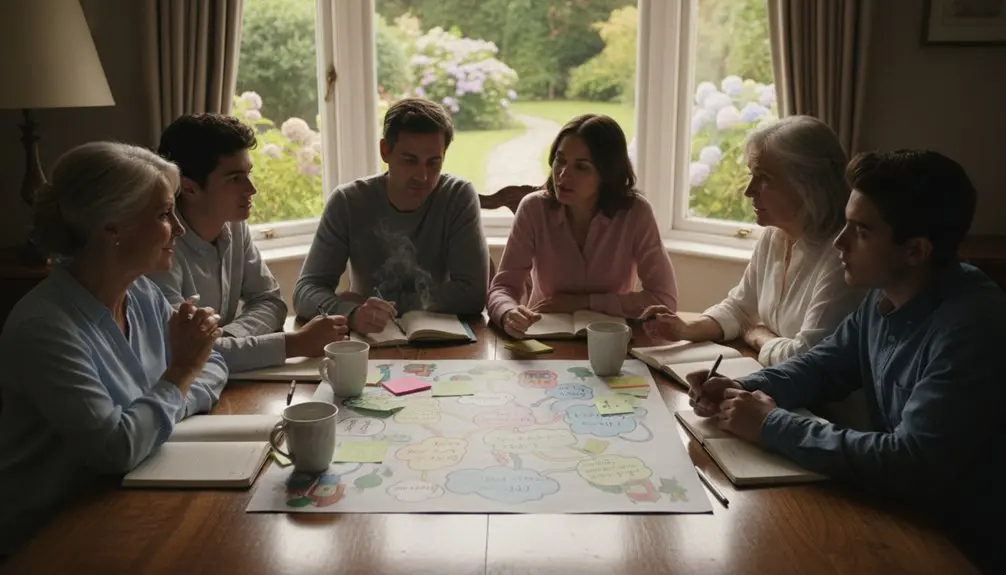
When exploring assisted living options, the significance of kind and patient care is a key factor to consider. This approach not only honors the dignity of residents but also helps create a nurturing environment where they feel appreciated and respected. Caregivers who embody kindness facilitate meaningful interactions that can enhance the emotional well-being of older adults and mitigate feelings of isolation.
As you investigate different senior living communities, it’s important to recognize how the approach to care can influence the overall quality of life for residents. Here are some specific elements of kind and patient care that can make a notable difference:
- Personalized Attention: Care that focuses on the individual needs and preferences of residents fosters a sense of belonging and comfort.
- Engagement Opportunities: Activities and social programs that promote interaction among residents can significantly reduce feelings of loneliness and enhance mental health.
- Communication Style: Caregivers who communicate with respect and empathy can help residents feel understood and valued.
- Supportive Environment: Communities that prioritize a warm atmosphere contribute to residents’ emotional and psychological well-being.
When researching assisted living options, it is beneficial to ask questions that help gauge the community’s commitment to kind and patient care. Consider asking about:
- The staff-to-resident ratio and training in communication and empathy.
- The types of activities offered to promote socialization and engagement.
- How the community handles individual care plans and preferences.
Understanding the values and practices of a senior living community can help you make a more informed decision for yourself or your loved one.
Key Takeaways
- Kind and patient care is essential in senior living communities as it builds trust and emotional safety, ultimately enhancing the overall well-being and quality of life for residents.
- Compassionate interactions promote dignity, allowing older adults to feel recognized and valued as individuals, rather than merely recipients of care.
- Caregivers who demonstrate patience can gain a deeper understanding of residents’ unique needs, leading to more personalized care and potentially improved health outcomes.
- Supportive relationships among staff can encourage family involvement, which is important for residents’ emotional health and can help reduce feelings of isolation.
- A nurturing environment fostered by kind care can enhance social engagement, helping residents form meaningful connections and a sense of belonging within the community.
Understanding Person-Centered Care
As you research senior living options, it’s important to understand the concept of person-centered care and how it can enhance the experience of older adults in assisted living communities. This approach focuses on the individual, shifting from a traditional biomedical model to one that considers each resident’s preferences, strengths, and unique histories. By fostering an empowering environment, person-centered care promotes dignity, choice, and a sense of belonging. Additionally, involving family members in care can significantly enhance residents’ emotional well-being and reduce feelings of isolation, which are critical components of reducing social isolation.
In practice, person-centered care means getting to know what matters most to each resident and shaping support around their individual needs. This approach encourages self-determination and facilitates meaningful decision-making, all within a home-like and relationship-focused setting. By prioritizing respect and individuality, person-centered care aims to create a culture that enhances well-being and encourages community engagement, ensuring that older adults feel valued and heard.
Person-centered care has been shown to improve patient outcomes and enhance the overall quality of life for residents, making it a critical factor in choosing a community.
When considering a senior living community, here are some important factors to examine regarding person-centered care:
- Individual Preferences: How does the community tailor care to the unique needs and preferences of each resident?
- Decision-Making: What opportunities are provided for residents to make choices about their daily lives?
- Support Services: What kinds of support services are available to help residents maintain their independence and dignity?
- Community Engagement: How does the community promote social interaction and connection among residents?
- Staff Training: What training do staff members receive regarding person-centered care practices?
Understanding these aspects can help you make a more informed decision about a senior living option that aligns with the values and needs of you or your loved one.
Remember that services and practices may vary by community, so it’s beneficial to ask specific questions and visit potential options to see how they align with person-centered care principles.
The Impact of Social Involvement on Quality of Life
Social involvement is crucial for enhancing the quality of life for older adults living in senior living communities. Meaningful connections with others can significantly impact overall well-being. Participation in social activities can help reduce feelings of isolation, while also improving mental health and life satisfaction. Research indicates that residents who take part in group activities or maintain regular contact with family members often experience better outcomes in their quality of life. Spending time interacting with fellow residents is generally linked to increased well-being. This aligns with the findings of a study that emphasizes promoting individual health across different life spans, particularly among seniors in assisted living facilities. Additionally, engaging in community activities can foster new friendships and create a sense of belonging.
When considering care options for yourself or a loved one, it’s important to explore how a community fosters social connections and promotes engagement. You may want to consider the following:
- Types of Activities: Look for communities that offer a variety of social activities, such as games, arts and crafts, or group outings, which can encourage interaction among residents.
- Family Involvement: Check if the community supports regular family visits and activities that involve loved ones, as this can enhance residents’ emotional health.
- Community Atmosphere: Evaluate the overall atmosphere of the community—does it feel welcoming and supportive?
- Opportunities for Engagement: Inquire about how the community actively encourages residents to participate and connect with one another.
Each interaction contributes to a supportive environment, which can greatly enhance the lives of older adults in these settings. Understanding how a community addresses social involvement can be a key factor in making an informed decision about care options.
Creating a Homelike Environment for Residents
Creating a warm and familiar atmosphere is essential for the well-being of residents. Here are some important design elements to consider:
- Physical Design: Look for communities that feature soft carpets, warm paint colors, and comfortable, upholstered furniture. These elements can contribute to a cozy environment that feels inviting.
- Personal Touches: Consider if the community encourages residents to personalize their space with photographs and cherished belongings. This practice helps foster a sense of belonging and comfort, reflecting the importance of personalized care plans in enhancing emotional well-being.
- Private and Common Spaces: It’s important to have private areas that allow residents to maintain their autonomy. Additionally, inviting common areas should be available to encourage social interaction among residents. The design of these spaces can significantly influence resident satisfaction and overall happiness.
- Layout: Examine how the spaces are arranged. A layout that seamlessly integrates daily activities with comfort can provide residents with a sense of control over their routines.
- Cleanliness and Decor: Pay attention to the community’s cleanliness and the overall decor. A well-maintained environment can significantly enhance the welcoming atmosphere.
Ultimately, a homelike environment is crucial for nurturing the well-being of residents, allowing them to thrive in a space that truly feels like home.
When researching different senior living options, consider these factors to find a community that aligns with your or your loved one’s needs and preferences.
The Role of Family and Relationships in Care
The involvement of family members is crucial in enhancing the quality of life for residents in senior living communities. When families actively participate, they can provide emotional support and advocacy that significantly contribute to the well-being of their loved ones. Regular visits often improve life satisfaction and help reduce feelings of loneliness, fostering a stronger sense of belonging for residents. Additionally, family involvement is a multidimensional construct that includes various forms of engagement, which can further enhance the resident experience. Engaging in social connections with family and friends can also boost resilience and promote a positive outlook among seniors.
Family participation can also play a key role in care planning. Insights from family members may help personalize care plans and identify health changes early, ensuring that residents receive timely responses to their needs. Strong relationships between families and staff can enhance communication and cooperation, which may lead to improved care quality.
To support residents effectively, consider the following:
- Encourage Regular Visits: Frequent interactions can help residents feel more connected and engaged.
- Involve Family in Care Planning: Family members can offer valuable insights that help tailor care to individual needs.
- Promote Open Communication: Establishing strong relationships between families and staff can lead to better understanding and cooperation.
Staff Practices That Enhance Resident Experience
When exploring assisted living communities for yourself or a loved one, it’s important to consider how staff practices can enhance the overall resident experience. A focus on person-centered care is a key factor; this approach emphasizes individualized support that empowers residents by providing them with autonomy, choice, and personal control over their daily lives.
Effective communication is essential in establishing trust and fostering strong relationships between caregivers and residents. Staff members should use clear and respectful language while actively listening to residents’ unique needs and preferences. This attentive approach helps create an environment of emotional safety and respect. The PC-PAL tool is designed to measure and improve person-centeredness in assisted living, ensuring that residents receive the care they deserve. Additionally, the importance of self-care for staff members can positively influence their interactions with residents, enhancing the overall atmosphere in the community.
Dignity and respect are fundamental in ensuring that older adults feel valued as individuals rather than just recipients of care. Encouraging residents to participate in decision-making processes and fostering social connections can significantly improve their well-being and overall satisfaction within the community.
When evaluating different senior living communities, consider asking questions about how they implement person-centered care, the communication practices of their staff, and how they support residents in making choices about their care and social interactions. These factors can greatly impact the quality of life for residents and contribute to a warm, supportive environment where everyone can thrive.
Measuring and Improving Care Quality in Assisted Living
To ensure high-quality care in a senior living community, it’s important to evaluate and enhance various aspects of the resident experience. Here are key areas to consider:
- Quality of Life: Look into how the community supports residents’ autonomy, emotional well-being, and opportunities for social engagement. A focus on resident quality of life is essential to creating a fulfilling environment for seniors. Engaging in shared interests and hobbies can further enrich residents’ experiences and foster connections.
- Satisfaction: Seek feedback from residents and their families to understand their priorities and experiences within the community.
- Safety: Pay attention to indicators such as falls and infections, as these are crucial for maintaining a secure living environment.
- Health Outcomes: Monitor residents’ functional status and hospitalizations to assess the effectiveness of the care being provided.
Utilizing standardized tools, including satisfaction surveys and quality-of-life questionnaires, can help you gauge the community’s performance.
Frequently Asked Questions
How Can Families Get Involved in the Care Process?
Families can engage in the care process by participating in care planning meetings and maintaining open lines of communication with the care team. This involvement can help ensure that the needs and preferences of their loved ones are addressed.
Regular visits not only provide emotional support but also allow families to advocate for their loved one’s wishes.
Collaboration with staff on care strategies can enhance the overall experience for both residents and families.
Additionally, attending family programs often offered by senior living communities can provide valuable insights and strengthen relationships within the care setting.
What Training Do Staff Receive for Person-Centered Care?
Staff members in senior living communities typically receive comprehensive training in person-centered care, which is essential for fostering a supportive environment for residents. This training focuses on several important areas:
- Core Principles: Staff learn to recognize and honor individual preferences and life histories, which helps them provide personalized care that resonates with each resident’s unique background.
- Dementia Care: Training includes understanding cognitive impairments and developing effective communication strategies tailored to residents with dementia, ensuring they feel understood and respected.
- Empowerment: Staff are encouraged to work collaboratively, fostering a sense of teamwork and building confidence in their ability to provide quality care.
Initial training for staff may vary, typically ranging from 4 to 54 hours, depending on the community.
Additionally, ongoing education is provided to ensure that staff remain informed about best practices in person-centered care.
This approach is designed to ensure that residents receive compassionate and individualized support, promoting their well-being and comfort in the community.
Are There Any Activities for Residents With Mobility Issues?
Yes, there are many activities available for residents with mobility issues in senior living communities. Engaging residents in chair-based exercises can be beneficial; activities such as strength training with resistance bands help improve upper-body strength and balance.
Other options include:
- Seated Yoga or Tai Chi: These group activities can enhance flexibility and promote relaxation.
- Social Games: Participating in games designed for social interaction can foster connections among residents.
- Art Workshops: Creative activities can provide an opportunity for self-expression and enjoyment.
- Technology-Assisted Brain Games: These games offer cognitive stimulation and can be tailored to various skill levels.
Additionally, many communities organize outings and themed events, allowing all residents to feel included and enjoy shared experiences.
It’s important to inquire about the specific activities offered, as services can vary widely among different communities.
How Is Resident Feedback Collected and Used?
Resident feedback is an important aspect of ensuring quality care in senior living communities. Various methods are used to collect this feedback, which can include:
- Structured satisfaction surveys
- Quality-of-life questionnaires
- Suggestion boxes
These tools help gather valuable insights regarding safety, staffing, activities, and overall resident experiences. Residents may also have the opportunity to join Resident Councils, where they can express concerns and share their experiences directly.
The feedback collected is carefully analyzed to identify areas that may need improvement, helping ensure that residents’ needs are prioritized. By integrating this input into quality improvement programs, senior living communities can enhance their services and support the overall well-being of their residents.
When researching care options for yourself or a loved one, consider asking about how feedback is collected and utilized in a specific community. Understanding this process can provide insight into how the community values resident input and is committed to continuous improvement.
What Measures Ensure Safety for Residents in Assisted Living?
To ensure the safety of residents in assisted living communities, several important measures are typically implemented:
- Regular Risk Assessments: Communities often conduct assessments upon admission and periodically thereafter, such as quarterly, to identify potential fall risks and other safety concerns.
- Environmental Safety Checks: Maintaining clear walkways, adequate lighting, and secure handrails is crucial for minimizing hazards and helping residents navigate their surroundings safely.
- Assistive Equipment: The installation of grab bars, non-slip flooring, and other supportive features can significantly enhance safety for older adults within their homes.
- Medication Management: Regular reviews of residents’ medications are important for minimizing errors and managing potential side effects. This process can help ensure that each resident receives the appropriate medications in a safe manner.
- Infection Control Protocols: Following established hygiene practices and providing necessary protective equipment for staff can help prevent the spread of infections, ensuring the health and safety of residents.
When researching senior living options, consider how these safety measures are addressed in the communities you’re exploring.
Each community may have different protocols and resources in place, so it’s beneficial to ask specific questions about their safety practices and how they support residents’ wellbeing.