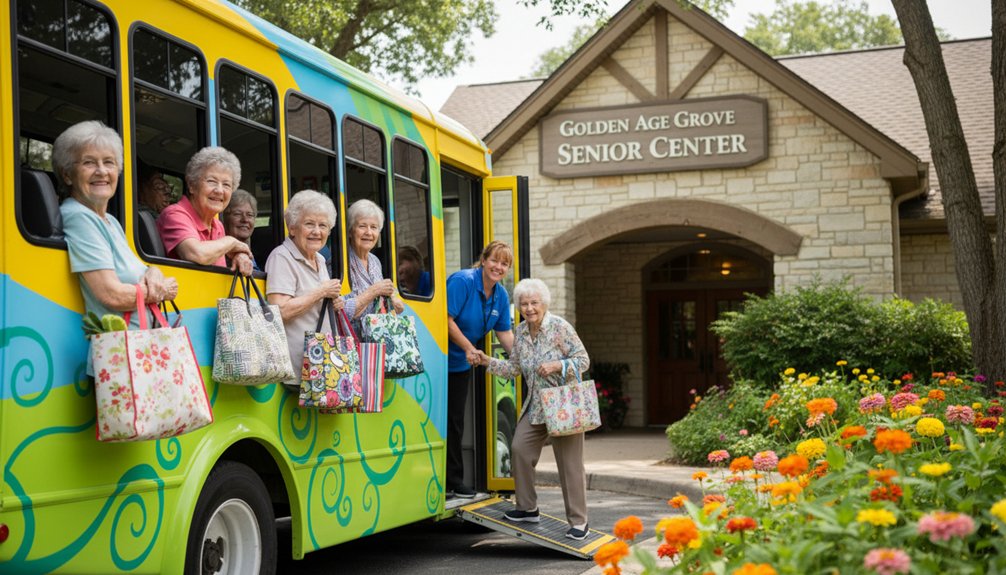
Animal therapy can play a significant role in enhancing the wellness of seniors, providing benefits that go beyond mere companionship. Engaging with therapy animals may help in reducing anxiety, improving emotional health, and fostering social interactions among residents. These interactions can alleviate feelings of loneliness and encourage physical activity, which are vital components of overall well-being.
When considering the integration of animal-assisted therapy in a senior living community or care setting, it is important to explore how these experiences can positively influence daily life for residents. Here are some practical considerations:
- Types of Therapy Animals: Different communities may offer various types of therapy animals, from dogs and cats to smaller animals like rabbits or birds. Understanding what is available can help you choose a community that aligns with your loved one’s preferences.
- Frequency of Interactions: Inquire about how often residents have the opportunity to interact with therapy animals. Regular visits can enhance the benefits associated with animal therapy.
- Training and Certification: It may be beneficial to ask about the training and certification of both the therapy animals and the handlers. This ensures that the interactions are safe and beneficial for seniors.
- Staff Support: Find out how staff members facilitate these interactions. A supportive environment can enhance the experience for residents.
- Personal Preferences: Consider your loved one’s comfort level and preferences regarding animals. Not all seniors may feel at ease with certain types of animals, and it’s important to match their comfort with what is offered.
- Overall Wellness Programs: Evaluate how animal therapy fits into the broader wellness programs offered by the community. A holistic approach to wellness may include not only animal therapy but also physical activities, social events, and emotional support services.
By understanding these factors, families can make informed decisions about the potential benefits of animal therapy in the context of senior living or care options.
Key Takeaways
Animal-assisted therapy (AAT) offers structured interactions that can significantly enhance the emotional well-being and quality of life for seniors. Engaging with therapy animals has been shown to reduce feelings of loneliness, foster social interaction, and strengthen community connections among older adults.
Regular activities with pets can also promote physical health. These interactions often encourage gentle exercise, support mobility, and help lower stress levels, contributing to overall wellness.
AAT can play a role in cognitive engagement as well. Meaningful interactions with therapy animals may improve attention, planning skills, and memory retention, which are important aspects of maintaining mental acuity.
When considering care options for yourself or a loved one, it may be beneficial to inquire about the availability of structured pet therapy routines in senior living communities. Such programs can create comforting daily practices that support mental health and emotional well-being for residents.
Questions to consider when researching AAT options in a community include:
- Does the community offer regular animal-assisted therapy sessions?
- How are therapy animals selected and trained?
- Are there specific activities involving animals that residents can participate in?
- What support is available for residents who may have allergies or fears related to animals?
Understanding the role of animal-assisted therapy in senior care can help you make informed decisions about the wellness options available in various care settings.
Understanding Animal-Assisted Therapy
Animal-Assisted Therapy (AAT) provides a meaningful way to enhance the lives of seniors through structured interactions with animals. This therapeutic approach is part of a broader category known as Animal-Assisted Interventions (AAI), which includes various activities designed to boost physical, social, emotional, or cognitive well-being.
In AAT, qualified professionals develop goal-oriented treatment plans that are tailored to the individual needs of residents. These sessions are documented and evaluated to measure progress. The animals used in AAT are specially chosen and trained to ensure they meet health and welfare standards. Pet therapy has been shown to significantly improve emotional well-being and quality of life among elderly residents. Regular interactions with animals can also enhance emotional bonds, fostering trust and connection.
AAT can be integrated into various care settings, including nursing homes, hospitals, and community programs. The positive interactions with animals can lead to benefits such as improved mobility, enhanced daily living activities, and an overall increase in quality of life.
As a non-pharmacological option, AAT may be a valuable addition to wellness strategies for older adults.
When considering AAT as part of a senior living option, it’s important to ask the following questions:
- Does the community offer Animal-Assisted Therapy?
- What types of animals are used in the therapy sessions?
- Who coordinates the therapy sessions, and what qualifications do they have?
- How often are the sessions held, and what does a typical session involve?
- What outcomes or improvements have been observed in residents participating in AAT?
Understanding these aspects can help you make informed decisions about incorporating AAT into the care of yourself or a loved one.
Emotional Wellness Benefits
Emotional wellness is a key aspect of life for seniors, and research indicates that interaction with therapy animals can significantly enhance this area. Regular engagement with therapy animals may help reduce feelings of depression and anxiety, providing a comforting presence that encourages positive emotions and emotional stability.
Interaction with therapy animals enhances emotional wellness in seniors, reducing depression and anxiety while fostering positive emotions.
Here are some important benefits of integrating therapy animals into a senior living community or care setting:
- Reduction in Stress Hormones: Interacting with therapy animals can help lower stress hormone levels, promoting relaxation and emotional regulation.
- Mood Improvement: The joy associated with pet therapy can elevate mood, lessen irritability, and enhance feelings of safety and comfort.
- Emotional Support: Including animals in daily routines can foster an environment rich in emotional support, which can contribute to overall well-being. Additionally, animal-assisted therapy is documented to provide comfort and companionship, alleviating feelings of isolation.
- Meaningful Connections: Animal interactions often nurture connections among residents and caregivers, making daily challenges more manageable.
When considering a senior living community or care option, it’s beneficial to inquire about the availability of pet therapy programs and how they’re integrated into the daily life of residents.
This non-pharmacological approach may enrich the lives of older adults and provide valuable emotional support.
Combatting Social Isolation
As you explore senior living options, it’s important to consider the significant impact that animals can have on reducing social isolation among older adults. Engaging in animal-assisted therapy (AAT) can be an effective way to address feelings of loneliness.
Participating in group activities involving animals often promotes conversation and interaction, helping to build connections among residents. Regular activities, such as walking or playing with a dog, can create consistent opportunities for social engagement, fostering communication and camaraderie. Loneliness and social isolation is prevalent in this demographic, making these interactions even more crucial. Therapy animals can serve as catalysts for shared experiences, enhancing the sense of community among residents.
Pet ownership can also be a valuable source of support for many older adults, as pets often provide comfort and companionship that may sometimes be lacking in human interactions.
When researching care options, consider asking about the availability of animal therapy programs or pet-friendly policies within the community. These features can enhance social networks and contribute to a more fulfilling life for residents.
Keep in mind that services can vary by provider, so it’s helpful to inquire about specific activities and support related to animals when evaluating different senior living communities.
Enhancing Cognitive Function
Incorporating therapy animals into care routines can significantly enhance cognitive function in seniors. Animal-assisted therapy (AAT) has been associated with improvements in various cognitive areas, particularly attention and executive functioning skills. Engaging with therapy dogs through activities such as grooming or following commands can provide structured training that promotes planning and organizational abilities.
Regular interaction with therapy animals may also help reduce feelings of agitation and improve overall mood, which can lead to better cognitive engagement. Furthermore, AAT supports memory retention and encourages communication, allowing seniors to recall past experiences and interact more effectively with others. Given that AAT has shown to improve emotional bonding, pet interactions can also decrease stress and anxiety, which can be crucial for maintaining cognitive resilience. When exploring care options for yourself or a loved one, consider the availability of programs that include therapy animals. This can be an important factor in maintaining cognitive resilience and enhancing the quality of life in a senior living community.
Each community may offer different services related to animal-assisted therapy, so it’s advisable to inquire about specific programs and activities related to therapy animals when evaluating options.
Promoting Physical Health
Promoting physical health in seniors through animal therapy can have significant benefits, enhancing both mobility and emotional well-being. Engaging with animals, particularly through activities like dog walking, can increase physical activity levels. Research indicates that participation in equine-assisted programs can improve gait, balance, and muscle strength, which are important for maintaining mobility as one ages. Additionally, interaction with pets may help lower blood pressure, contributing to better cardiovascular health. The routine of caring for and walking a dog can encourage consistency in exercise, which is vital for overall wellness. Furthermore, studies show that pet ownership can lead to slower deterioration in activities of daily living for elderly individuals. Notably, regular exercise with pets can also reduce chronic disease risks, which is critical as seniors prioritize their health.
When considering animal therapy as part of a senior living community or care setting, it’s important to ask about the availability of such programs and how they’re integrated into the daily activities offered.
Here are some factors to consider:
- Availability of Animal Therapy Programs: Check if the community offers structured animal therapy sessions or opportunities for pet interaction.
- Type of Animals Involved: Inquire about the types of animals available for therapy, such as dogs, cats, or horses, and what activities are included.
- Staff Support: Ensure that staff are trained to facilitate safe and beneficial interactions between residents and animals.
- Benefits and Outcomes: Ask about the specific health benefits that have been observed in residents participating in animal therapy.
Incorporating animal therapy into daily life can improve physical health while also enriching emotional experiences, fostering a holistic approach to wellness for seniors.
Daily Living and Functionality
Daily living and functionality are crucial for maintaining independence as you age, and animal-assisted interventions can significantly enhance these areas. Engaging with pets can support older adults in improving their abilities in activities of daily living, such as dressing, bathing, and feeding.
Structured pet therapy programs may promote autonomy, foster motivation, and enhance cognitive function, which can facilitate safer movements and personal hygiene routines. Caring for a pet also encourages planning and organization, reinforcing skills that are valuable for managing more complex tasks like meal preparation and medication management. Additionally, studies have shown that pet ownership is linked to better cognitive function in older adults, further supporting overall wellness. Furthermore, social interaction with pets can reduce feelings of loneliness, contributing to emotional well-being and a sense of belonging.
By incorporating animal therapy into daily routines, seniors may experience an increase in their functional capacity, contributing to a more fulfilling and independent lifestyle.
When exploring senior living or care options, consider asking about the availability of animal-assisted therapy programs. This can help you determine if a specific community aligns with your or your loved one’s needs and preferences.
Remember that services can vary significantly between communities, so it’s important to gather information on what each one offers.
The Role of Companion Animals
Companion animals can significantly enhance the quality of life for seniors in various living situations. They offer important social and emotional support, which is particularly beneficial for those dealing with chronic illnesses or conditions like dementia. The presence of these pets can help reduce feelings of loneliness, encourage social interactions, and maintain meaningful connections that may otherwise diminish.
Engaging with companion animals is associated with improved mood and self-esteem. For many seniors, caring for a pet can serve as a valuable, non-pharmacological approach to managing emotional well-being. Research indicates that pet ownership is linked to better cognitive performance and can stimulate mental processes through caregiving activities. Additionally, fostering meaningful friendships can further enhance the emotional benefits of having a companion animal.
When considering the integration of companion animals into a senior living community or home, keep in mind the following factors:
- Community Policies: Check whether the community allows pets and what specific regulations may apply.
- Type of Animals Permitted: Some communities may have restrictions on the size or type of pets.
- Support and Resources: Inquire about support for pet care, including access to veterinary services or pet-friendly activities.
- Social Opportunities: Look for communities that encourage pet-related activities, which can enhance socialization among residents.
Effective Interventions in Care Settings
Integrating animal therapy into senior living communities can be a meaningful way to enhance the well-being of older adults. Research indicates that structured animal-assisted activities can lead to notable improvements in depression and quality of life for residents, especially those experiencing severe dementia.
Here are some key strategies that communities may implement:
- Regular Sessions: Many programs offer 20-minute sessions either daily or weekly. These consistent interactions can help improve mood and foster social engagement among residents. Additionally, regular engagement can help combat caregiver burnout by providing emotional support to both seniors and their families.
- Adjunctive Therapy: Animal-assisted therapy is often used alongside traditional treatments. This combination may help stabilize psychiatric symptoms and enhance overall functioning for seniors, particularly those with chronic schizophrenia.
- Monitoring Outcomes: Communities typically track residents’ depression, feelings of loneliness, and quality of life using standardized assessment tools. This information is crucial for tailoring care to meet individual needs.
When considering a senior living community that offers animal therapy, it may be helpful to ask about their specific programs, the frequency of sessions, and how they measure the effectiveness of the therapy.
Different communities may vary in their approach, so gathering information can help you make an informed decision for yourself or your loved one.
Practical Applications for Caregivers
When exploring care options for seniors, especially those who may benefit from animal therapy, it’s important to understand how regular interactions with animals can positively impact both caregivers and residents.
Consider implementing structured pet interactions, such as morning greetings or short walks, to create a comforting daily routine. Regular, brief sessions tailored to the resident’s capabilities at home can enhance mood and cognitive function without causing fatigue. Animal-assisted therapy has been shown to significantly improve emotional and social engagement among seniors during these interactions, as it encourages meaningful conversations and connections.
Involve seniors in simple pet care tasks like feeding or brushing, which can foster a sense of purpose and responsibility. Design activity sequences that include greeting and gentle play with pets to promote relaxation and potentially improve sleep quality.
Additionally, ensure the environment is organized to facilitate safe interactions with animals, making the experience enjoyable and stress-free for both caregivers and residents.
These practices can contribute significantly to the overall well-being of seniors and enhance the caregiving experience.
Considerations for Implementation
Implementing animal therapy for seniors requires thoughtful planning to ensure a positive experience for both residents and therapy animals. Here are some key considerations for those researching this option for themselves or a loved one:
- Define Health Goals: Identify specific objectives for the therapy, such as alleviating feelings of loneliness or improving physical mobility. Clear goals can help tailor the therapy sessions to meet individual needs.
- Align with Wellness Programs: It’s beneficial to integrate therapy sessions with existing wellness initiatives in the community. This helps manage residents’ energy levels and prevents fatigue.
- Session Lengths: Consider the duration of sessions. Typically, group sessions last 30-45 minutes, while individual sessions are about 15-20 minutes. These time frames can help maintain engagement without overwhelming participants.
- Select Appropriate Animals: Use trained therapy animals that match the specific needs of residents. Ensuring the welfare of these animals through regular health checks is essential for a safe and enjoyable experience.
- Participant Screening: Before beginning therapy, it’s important to screen residents for any allergies or previous trauma related to animals. This helps create a safe environment for all participants.
- Safety and Hygiene Protocols: Confirm that the environment is safe for both residents and animals. Establishing hygiene protocols can prevent infections and promote a healthy interaction between seniors and therapy animals.
- Open Communication: Clearly communicate the potential risks and benefits of animal therapy to residents and their families. Transparency is key to fostering trust and understanding. Additionally, fostering social connections within the community can enhance the overall effectiveness of the therapy sessions.
This comprehensive approach to animal therapy can create a nurturing atmosphere that enhances the well-being of seniors in a community setting.
Frequently Asked Questions
How Can I Find a Qualified Animal Therapist for Seniors?
To find a qualified animal therapist for seniors, begin by looking for licensed professionals who specialize in mental health or therapy and have received specific training in animal-assisted therapy.
It’s important to verify their credentials, such as the Certified Animal-Assisted Intervention Specialist (C-AAIS), to ensure they prioritize both animal safety and welfare.
Consider asking the following questions to better understand their qualifications and approach:
- What experience do you have working with seniors?
- How do you tailor your therapy sessions to meet the individual needs of older adults?
- Can you provide references or testimonials from past clients or caregivers?
These inquiries can help you gauge the therapist’s effectiveness and compassion in their practice, aiding you in making an informed decision for the care of your loved one.
Remember that services may vary by provider, so it’s beneficial to explore different options available in your community.
What Types of Animals Are Used in Therapy for Older Adults?
In therapy for older adults, various animals can play a significant role in enhancing emotional well-being and providing companionship.
Here are some common types of animals used in therapeutic settings:
- Dogs: Known for their versatility, dogs are frequently utilized in different care settings and therapeutic interventions. They can engage residents in activities and provide comfort.
- Cats: Often found in residential care, cats can offer companionship and a calming presence for seniors, enhancing their quality of life.
- Small mammals: Animals like rabbits and guinea pigs are typically used to provide comfort and promote interaction, which can be beneficial for socialization.
- Birds: Species such as parakeets and canaries can offer both auditory and visual stimulation, which may help to engage residents and encourage relaxation.
- Fish: Aquariums are often used to create calming environments. The presence of fish can reduce agitation and help seniors feel more at ease.
These animals can enrich the lives of older adults, fostering emotional connections and contributing to their overall well-being.
When considering a senior living community or care option, it may be helpful to inquire about the types of animal therapy programs available, as not all communities offer the same services.
Are There Any Risks Associated With Animal-Assisted Therapy for Seniors?
Yes, there are risks associated with animal-assisted therapy for seniors that should be considered when exploring this option for enhancing well-being.
These risks include:
- Zoonotic infections: Seniors may have a higher susceptibility to diseases that can be transmitted from animals, which can impact their health.
- Physical injuries: Interactions with animals may lead to trips, falls, or bites, resulting in serious injuries, particularly for older adults who may have mobility challenges.
- Allergic reactions: Exposure to animal dander can trigger respiratory issues or allergies, which is important to assess before introducing an animal into a care setting.
- Behavioral incidents: Animals may occasionally startle or react defensively, which can pose risks during interactions.
To ensure a safe and beneficial experience, it’s crucial for families and caregivers to follow established protocols and assess the individual needs of seniors.
This thoughtful approach can help mitigate risks while enabling residents to enjoy the valuable emotional and social support that animal-assisted therapy can provide.
How Can Caregivers Facilitate Animal Interactions for Seniors?
To facilitate animal interactions for seniors, it’s important to first assess their individual needs and preferences regarding animals. Selecting calm animals and ensuring that handlers are experienced can help create a safe environment for these interactions.
Consider organizing both group and individual sessions, as this can foster social engagement among residents. Integrating animal visits into personalized care plans can provide valuable insights into their effects on mood and participation, allowing caregivers to track outcomes effectively.
Maintaining hygiene protocols is crucial for the health and comfort of all involved. Additionally, evaluating each senior’s physical capabilities can help ensure that interactions are enjoyable and comfortable.
Caregivers should remain attentive to any adverse reactions during these interactions, adjusting the approach as necessary to promote a positive experience for every resident.
What Are the Costs Involved in Animal-Assisted Therapy Programs?
Animal-assisted therapy programs can offer valuable benefits for older adults in care settings, but it’s important to understand the associated costs. Here’s an overview of the expenses you may encounter:
- Session Fees: Individual therapy sessions typically range from $100 to $250, while group sessions may be priced between $30 and $75 per person.
- Training Costs: If staff members or volunteers need training to implement these programs, the training expenses can amount to $2,400 to $2,700.
- Operational Costs: Ongoing expenses for staffing and animal care can often reach around €1,870, especially for monitoring and ensuring the welfare of the animals involved.
- Startup Expenses: Initial costs for setting up an animal-assisted therapy program can range from $5,000 to $50,000, which may cover equipment, insurance, and other necessary resources.
Understanding these factors is crucial in making informed decisions about animal-assisted therapy options in your chosen community or care setting.
Always consider discussing the specifics with the community provider to ensure clarity on what services are available and any additional costs that may arise.