Music, movement, and mindfulness are essential for promoting holistic wellness in senior care. They foster emotional, social, and physical engagement, enhancing the quality of life. Music therapy reduces anxiety and boosts joy, while movement keeps seniors active and connected. Mindfulness practices support mental health and self-awareness. By incorporating these elements, caregivers can create meaningful experiences that promote joy and connection. Discover how to actively implement these strategies to enrich the lives of seniors in care.
Key Takeaways
- Integrating music therapy promotes emotional well-being and enhances social interaction among seniors, fostering a sense of joy and connection.
- Engaging in movement activities like walking or chair yoga supports physical health while encouraging social bonds and group participation.
- Mindfulness practices such as deep breathing and guided imagery help reduce anxiety and improve mental clarity for seniors.
- Creating a structured music and movement program tailored to individual preferences enhances engagement and promotes holistic wellness.
- Regular participation in cognitive and creative activities stimulates mental agility and fosters a sense of community among seniors.
The Importance of Holistic Wellness in Senior Care
As you consider the care of seniors, understand that holistic wellness is essential for their overall health. It’s not just about addressing physical needs; you should also focus on emotional, social, and mental well-being.
By fostering a supportive environment, you encourage seniors to engage in activities that promote joy and connection. Encourage open communication, allowing them to express their feelings and experiences.
Incorporate elements like nutrition and physical activity tailored to their abilities, enhancing their quality of life. Remember, each individual has unique needs, so take the time to understand their preferences and interests. Additionally, providing comprehensive healthcare services ensures that their medical needs are met, contributing to their overall well-being.
Benefits of Music Therapy for Seniors
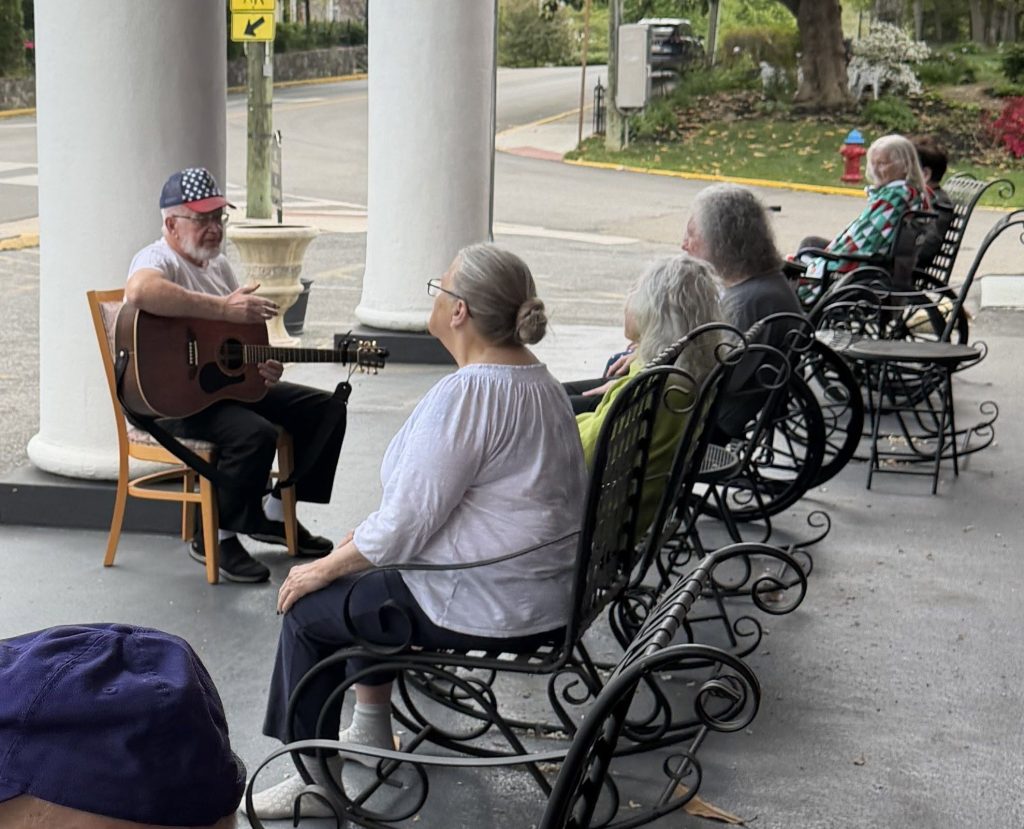
Music therapy offers a powerful avenue for enhancing the well-being of seniors. Through engaging melodies and rhythms, you can spark joy and emotional connection, helping them express feelings they might struggle to articulate.
It’s not just about enjoyment; music therapy can reduce anxiety and depression, creating a soothing environment that fosters relaxation.
Additionally, you’ll find that music can stimulate cognitive functions, improving memory and concentration in those living with dementia or Alzheimer’s.
Music has the power to enhance cognitive functions, boosting memory and concentration for those affected by dementia or Alzheimer’s.
By incorporating music therapy into your care approach, you’re not only uplifting spirits but also promoting social interaction and bonding.
Ultimately, this therapeutic practice strengthens the emotional health of seniors, enabling them to experience life with renewed vibrancy and connection. Engaging in cognitive activities like music therapy has been shown to significantly enhance overall cognitive well-being.
Movement as Medicine: Physical Activities for Older Adults
While many seniors may believe that physical activity isn’t for them, incorporating movement into their daily routines can greatly enhance their overall health and well-being.
Simple activities like walking, stretching, or chair yoga can improve flexibility, strength, and balance. You can encourage seniors to engage in group exercises, fostering social connections while they move.
Even light gardening or dancing to their favorite tunes can invigorate their spirits and promote cardiovascular health. Additionally, participating in evidence-based programs can provide structured opportunities for physical health improvement and social engagement.
Remember, the goal isn’t to push limits but to create enjoyable experiences that make movement a natural part of their lives.
Mindfulness Practices for Enhanced Mental Health
Incorporating mindfulness practices into daily routines can greatly enhance mental health for seniors. Simple techniques like deep breathing, guided imagery, or mindful walking can foster a sense of calm and presence.
Encourage seniors to set aside a few minutes each day for these practices, helping them focus on their breath or surroundings. This fosters emotional resilience and reduces anxiety. You can also facilitate group mindfulness sessions, creating a supportive environment where participants share experiences and feelings. Encourage journaling to reflect on thoughts and emotions, promoting self-awareness. Additionally, incorporating intergenerational activities can further enrich their mindfulness experience by fostering meaningful social interactions.
Creating a Music and Movement Program
Building on the foundation of mindfulness, a music and movement program can further enrich the lives of seniors. Start by evaluating their musical preferences and physical abilities. Incorporate familiar songs that evoke positive memories, fostering connection and joy.
Use simple, rhythmic movements to encourage participation, promoting both physical health and emotional well-being. Create a safe, inviting space where seniors feel comfortable expressing themselves. Schedule regular sessions, allowing for consistency and building anticipation.
Engage caregivers in the process, empowering them to facilitate and join in the activities. Remember, it’s about creating a joyful experience that nurtures the spirit. By doing this, you’ll foster a vibrant atmosphere that enhances the quality of life for seniors in your care. Additionally, incorporating cognitive stimulation activities can further enhance their overall mental well-being.
The Role of Dance in Senior Engagement
Dance plays an essential role in engaging seniors and enhancing their overall wellness. It encourages movement, which boosts physical health and improves coordination. When you incorporate dance into activities, you create a joyful atmosphere where seniors can express themselves freely. They connect with others, fostering social bonds that alleviate feelings of loneliness.
Moreover, dance can evoke cherished memories, sparking joy and creativity. You’ll notice how rhythmic movement can uplift spirits, making your seniors feel vibrant and alive.
Dance can awaken cherished memories, infusing joy and creativity while uplifting spirits and energizing seniors.
By tailoring dance sessions to their preferences, you show that you value their individuality, encouraging participation. This engagement isn’t just about movement; it’s a celebration of life, promoting emotional well-being and a sense of belonging. Additionally, engaging in intergenerational activities cultivates meaningful connections that further enhance the overall experience for seniors.
Embrace dance as a powerful tool in your senior care approach.
Mindfulness Techniques for Stress Reduction
While stress is a common experience among seniors, practicing mindfulness techniques can greatly reduce its impact. You can introduce simple breathing exercises, encouraging deep, slow breaths to promote relaxation.
Another effective method is guided imagery; invite seniors to visualize a peaceful scene, helping them escape from daily stresses. Consider incorporating gentle stretches or chair yoga to enhance body awareness and calm the mind.
Mindful listening, where you focus on sounds without judgment, can also foster tranquility. Encourage regular practice, reminding them that even a few minutes daily can lead to significant benefits. Additionally, integrating rehabilitation programs that emphasize mindfulness can further enhance emotional well-being and support recovery.
Fostering Social Connections Through Music and Movement
When you introduce group singing or dancing, you create an inviting atmosphere that encourages participation. These shared experiences ignite joy and stimulate memories, making it easier for seniors to connect with one another. Listening to familiar tunes can spark conversations, while rhythmic movements promote togetherness through laughter and shared rhythm. You’ll notice that these interactions improve mood and build a sense of belonging, key elements in combating loneliness. Additionally, incorporating family involvement into music and movement activities enhances emotional support, further enriching seniors’ social connections.
Case Studies: Successful Implementation of Holistic Approaches
As you explore case studies showcasing successful holistic approaches in senior care, you’ll discover innovative strategies that not only enhance well-being but also foster a sense of community.
For instance, one facility implemented weekly dance and music sessions, promoting physical activity while sparking joy among residents. Participants reported increased mood and improved social interactions.
Another case highlighted the introduction of mindfulness workshops, where seniors practiced meditation and gentle yoga, resulting in reduced anxiety and enhanced mental clarity.
These examples illustrate that by integrating music, movement, and mindfulness, caregivers can create enriching environments. Additionally, incorporating structured routines into these practices can further enhance the overall quality of life for residents.
You’ll see how these holistic practices not only uplift individual spirits but also build stronger bonds among residents, encouraging a supportive, compassionate community.
Tips for Caregivers: Integrating Wellness Practices Into Daily Routines
Integrating wellness practices into daily routines can greatly enhance the quality of life for seniors under your care. Start each day with gentle stretching or a short walk to boost energy levels.
Incorporate music by playing their favorite tunes during meals or activities, sparking joy and connection. Plan mindful moments, like guided breathing exercises or simple meditation, to help reduce stress and promote relaxation.
Encourage creative expression through art or journaling, allowing seniors to share their thoughts and feelings. Finally, foster social connections by organizing group activities or encouraging conversations with peers. Additionally, consider utilizing virtual brain games to stimulate cognitive function and provide engaging challenges for seniors.
Frequently Asked Questions
What Qualifications Should a Caregiver Have for Music and Movement Programs?
When considering qualifications for a caregiver in music and movement programs, you should look for someone with a background in both health and arts.
They need experience in working with diverse populations, especially seniors, and a solid understanding of how music and movement can enhance well-being.
It’s essential they possess strong communication skills to connect with participants, along with a genuine passion for improving lives through creative expression.
How Can Family Members Participate in Wellness Activities With Seniors?
You can actively engage with seniors in various wellness activities by joining them in exercises, games, or creative projects that promote physical and mental well-being.
Share simple routines like stretching or walking together, or explore hobbies like painting and gardening.
Encourage conversations about their interests, and participate in activities that spark joy.
Your involvement not only enhances their experience but also strengthens your bond, creating cherished memories that last a lifetime.
Are There Specific Genres of Music That Are Most Beneficial for Seniors?
Certain music genres can truly enhance seniors’ well-being. You’ll find that classical, jazz, and folk music often evoke positive memories and emotions.
Upbeat genres like pop or swing can inspire movement and joy. You might also explore music from their youth, as it often triggers nostalgia and connection.
How Can Technology Be Used to Enhance Music and Movement Experiences?
You can leverage technology to enhance music and movement experiences by using apps and devices that offer a variety of playlists tailored to different moods and activities.
Smart speakers can play music at scheduled times, creating a routine.
Wearable devices can track movement, encouraging seniors to engage with music through dance or simple exercises.
Virtual reality can also immerse them in interactive environments that combine music and movement, making the experience more engaging and enjoyable.
What Should Be Considered When Adapting Activities for Seniors With Disabilities?
When adapting activities for seniors with disabilities, you should consider their individual abilities and preferences.
It’s important to assess their physical limitations, cognitive skills, and emotional needs. Make certain to create a safe environment by removing potential hazards and providing necessary support.
Incorporate adaptive tools or modifications to facilitate participation. Always encourage feedback and be patient, as this fosters a sense of belonging and empowerment.
Tailoring activities will enhance their overall experience and engagement.