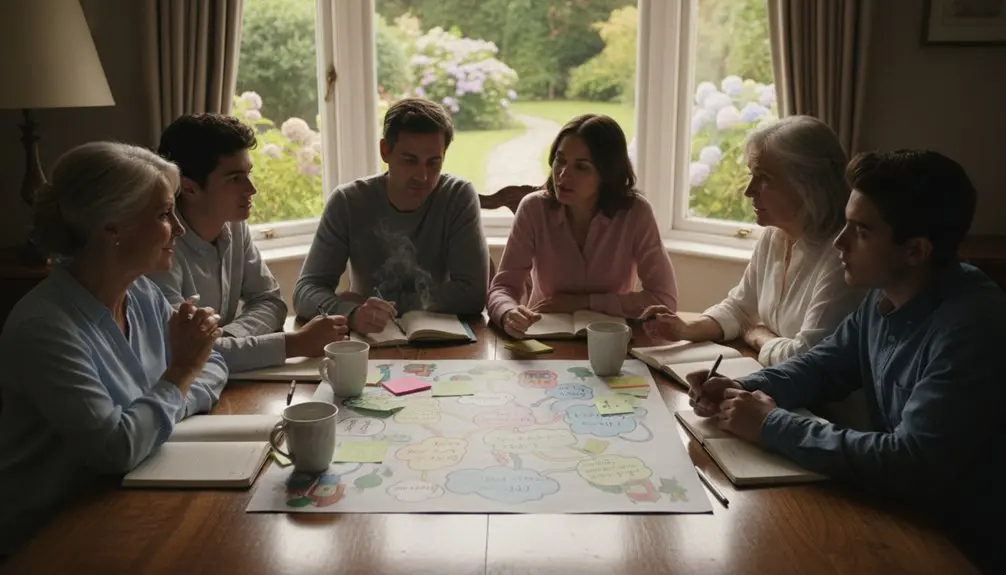
Accessing library resources and reading lounges in retirement communities boosts your cognitive engagement and social connections. You’ll find diverse materials, including puzzles and historical texts, that make lifelong learning enjoyable. Libraries often offer programs like technology training and health workshops tailored for seniors. These services not only promote well-being but also encourage community interaction. Want to discover how libraries can further enrich your experience? There’s plenty more to explore in this topic!
Key Takeaways
- Retirement communities can establish reading lounges to provide seniors with a quiet space for reading and socializing, enhancing cognitive engagement.
- Libraries can offer mobile services to deliver books and resources directly to residents in retirement communities, ensuring access to literature.
- Creating partnerships with local libraries allows retirement communities to host programs like storytelling sessions and workshops tailored to seniors’ interests.
- Reading lounges can feature diverse materials, such as large-print books and audiobooks, to accommodate varying accessibility needs among seniors.
- Regular needs assessments in retirement communities help libraries adapt offerings and ensure relevant resources meet residents’ evolving interests and preferences.
The Importance of Library Access for Seniors

While many might overlook libraries as mere book repositories, they play an essential role in enhancing the lives of seniors. Libraries offer numerous benefits that promote cognitive engagement, helping you delay cognitive decline through regular reading and brain-stimulating activities. You’ll find diverse materials, from puzzles to historical texts, that encourage lifelong learning and critical thinking through book clubs and discussion groups. These safe, welcoming spaces also foster social connections, allowing you to engage with others and participate in intergenerational programs. Additionally, libraries serve as hubs of information that provide access to a wealth of resources on various topics, further enriching your learning experience. This emphasis on social connections aligns with the community atmosphere found in retirement homes, where residents often enjoy renewed friendships and participate in organized activities.
Current Trends in Library Programming
Access to libraries not only enriches your life through resources and social connections but also evolves with current trends that enhance programming for all patrons. AI integration is transforming how you access information, from smart literature searches to ethical AI workshops. Understanding trends aids in strategic planning, ensuring that library programs are continuously evolving to meet the needs of their communities. Additionally, fostering social interactions among residents can enhance the overall experience by creating a supportive atmosphere. Virtual reality offers immersive experiences, allowing you to explore history or access digital collections like never before. Hybrid learning provides flexible options, with on-demand support and global author Q&As, ensuring every patron can engage at their own pace. Sustainability initiatives foster community involvement through repair cafes and seed libraries, while workforce development programs equip you with skills in emerging tech fields. Together, these trends create vibrant, inclusive library environments that truly serve everyone.
Senior-Specific Services Offered by Libraries

Libraries play an essential role in supporting seniors by offering tailored services that address their unique needs and interests. You’ll find technology training that empowers seniors to navigate the digital world confidently. Health programming, including nutrition and fitness sessions, promotes overall well-being. Additionally, library services for older adults include social engagement opportunities like book clubs and creative workshops that foster community connections. Financial literacy workshops provide vital insights into retirement planning and fraud prevention. Memory resources cater to those facing cognitive challenges, while volunteer opportunities allow seniors to give back to their communities. Furthermore, access to more freedom enables seniors to engage in daily activities that enhance their overall quality of life. Accessibility tools, such as large-print books and audiobooks, guarantee that everyone can enjoy library resources. Together, these services enrich seniors’ lives, promoting lifelong learning and engagement.
Challenges Facing Libraries in Serving Seniors
Serving seniors with tailored services is a commendable effort, but libraries face several challenges that can hinder their effectiveness. Physical barriers like uneven surfaces and heavy doors can deter seniors from visiting. Many older adults also struggle with mobility, necessitating outreach services to bring the library to them. Conducting accessibility audits is essential to guarantee that facilities are age-friendly and safe. Additionally, universal design principles can greatly enhance accessibility, ensuring that libraries cater effectively to the needs of older patrons. Furthermore, digital literacy gaps create hurdles for seniors accessing online resources, making training programs imperative. Engaging isolated seniors requires building partnerships with community organizations and raising awareness about library offerings. Family-oriented residences in retirement communities are also crucial for fostering social engagement among seniors. Resource allocation presents another hurdle, as funding constraints can limit important services. Addressing these challenges is critical for promoting senior engagement in library programs.
Best Practices for Enhancing Library Services

To enhance library services for seniors, it’s essential to adopt best practices that directly address their unique needs and challenges.
Start by implementing outreach strategies and forging community partnerships with senior centers and Area Agencies on Aging. This connection enables resource sharing and joint programming.
Focus on accessibility initiatives, such as mobility audits and adaptive technologies, ensuring all seniors can engage with library services. Additionally, it’s important to recognize that 1 in 6 people in the U.S. are over 65, emphasizing the growing need for tailored services. Providing more freedom in accessing resources empowers seniors to explore their interests independently.
Integrate technology for ease of access, and promote intergenerational programs that foster connections between young and older patrons.
Encourage volunteer engagement, utilizing retired librarians to assist with tech tutoring.
Finally, seek funding opportunities through aging networks to support health literacy sessions and expand your collection with large-print and audio materials tailored for seniors.
The Role of Reading Lounges in Retirement Communities
Reading lounges play an essential role in retirement communities, offering a dedicated space where seniors can immerse themselves in literature while fostering connections with their peers. These lounges enhance reading engagement by drawing residents into a vibrant literary community, where friendships blossom over shared interests. Regular discussions about books promote intellectual stimulation and combat isolation-related depression, giving residents a sense of belonging. By accommodating diverse needs, such as vision impairments and mobility challenges, reading lounges guarantee everyone can participate. The emotional support gained from discussing relatable narratives encourages empathy and strengthens communal ties. Ultimately, these spaces provide not just access to books, but also a nurturing environment that enriches lives and promotes meaningful connections among residents.
Custom Collections for Diverse Senior Needs
Creating an engaging library experience in retirement communities goes beyond just having a cozy reading lounge. It involves offering custom collections that cater to the diverse needs of seniors. By curating tailored materials—whether they’re large print books or audio formats—you guarantee everyone can enjoy reading. Additionally, many public libraries in Dane County provide large print materials designed specifically for visually and physically handicapped readers.
Collaborating with activity coordinators helps align these collections with seniors’ interests, making them feel valued and included. Furthermore, incorporating accessibility features and assistive technology enhances the library experience for those with disabilities. Regular updates to the collections keep the content fresh and relevant, supporting various programming themes, like memoir writing or reminiscence activities. By focusing on these custom collections, you foster a love for reading that enriches the lives of seniors in your community.
Interactive Events to Foster Engagement
While many seniors appreciate the chance to explore new literature, interactive events provide a dynamic way to foster deeper engagement within retirement communities.
Storytelling sessions invite participants to share their experiences, creating connections and sparking meaningful conversations. Creative workshops, like memoir writing and crafting, offer seniors a platform to express themselves and develop new skills. Additionally, incorporating activities that focus on community engagement can enhance the overall experience for residents.
Programs such as book and film discussions not only entertain but also encourage socialization among residents. Collaborating with local organizations guarantees that these activities are tailored to meet seniors’ diverse interests.
Measuring the Impact of Library Services on Seniors
As seniors increasingly turn to libraries for resources and community engagement, measuring the impact of these services becomes crucial.
You’ll find that about 42% of seniors visit public libraries annually, benefiting from tailored offerings like digital literacy workshops and health resources. Libraries not only provide access to essential information but also foster connections through outreach programs and customized collections, guaranteeing seniors feel included. Tailored library services have been shown to significantly improve seniors’ confidence in using library resources.
Mobile services deliver books to homebound individuals, while intergenerational programming encourages participation in community activities.
Regular needs assessments help libraries adapt to evolving interests. By tracking engagement and gathering feedback, you can guarantee library services continue to enhance seniors’ quality of life, addressing their unique needs and promoting overall well-being.
Frequently Asked Questions
How Can Seniors Apply for Library Card Services?
To apply for library card services, you’ll need to meet eligibility criteria like age and provide a photo ID along with proof of address. Follow the application process online or in person at your local library.
What Transportation Options Exist for Visiting Libraries?
To visit libraries, you can utilize public transportation options or arrange rides with volunteer drivers. These solutions help guarantee everyone has access to essential resources, fostering a supportive community that values literacy and engagement.
Are There Fees for Accessing Library Digital Resources?
Yes, digital resource fees vary widely based on library membership costs. Some libraries offer free access or low fees for digital-only plans, ensuring everyone can enjoy valuable resources without financial strain. Consider exploring local options!
How Can Families Participate in Library Programs for Seniors?
You can enhance family engagement by joining programs like storytelling workshops or community gardening. Your participation fosters connections, enriches lives, and strengthens bonds, making a meaningful difference in the lives of seniors and families alike.
What Are the Hours of Operation for Senior-Focused Library Services?
You’ll find senior services typically operate during weekday hours, often from 8 AM to 5 PM, with occasional midweek availability. Remember to check specific library hours, as they can vary by location and events.
Conclusion
To summarize, ensuring library access and creating reading lounges in retirement communities is essential for enriching seniors’ lives. By embracing current trends, offering tailored services, and fostering engagement through interactive events, libraries can greatly impact seniors’ well-being. Overcoming challenges and implementing best practices will enhance these services, making them more effective and accessible. Ultimately, when you prioritize library access, you empower seniors to connect, learn, and thrive in their golden years.