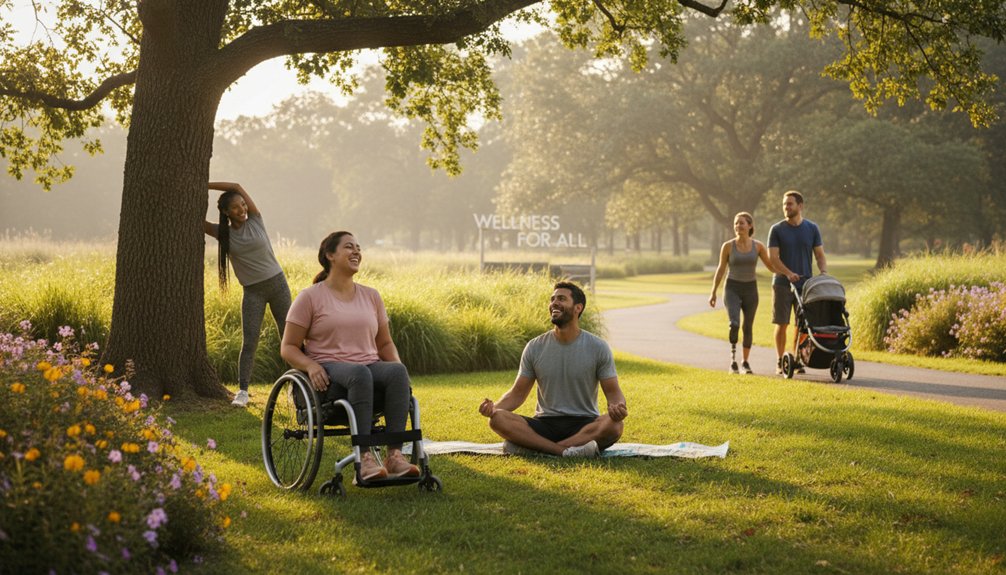
Retirement homes create a sense of ease, safety, and belonging by prioritizing well-designed spaces with safety features like non-slip floors and surveillance cameras. You’ll find vibrant communities that encourage friendships and shared experiences. Personalized care plans cater to your unique preferences, ensuring you feel supported and valued. Engaging social activities foster connections and laughter. With trained staff providing compassionate support, these homes truly enhance your quality of life. There’s more to discover about how they foster community and comfort.
Key Takeaways
- Well-designed layouts with wide hallways and non-slip floors enhance safety and ease of movement for residents.
- Emergency call systems and secure entry points ensure quick access to assistance and community safety.
- Engaging social activities foster connections, creating a supportive and vibrant community atmosphere.
- Personalized care plans reflect individual needs, promoting dignity and a strong sense of belonging among residents.
- Ongoing staff training emphasizes empathy and communication, enhancing relationships and overall resident experience.
Safety Features: Keeping Residents Feeling Secure
When you consider moving to a retirement home, safety features play an essential role in ensuring you feel secure. Well-designed layouts minimize hazards, with wide hallways and non-slip floors that cater to mobility needs.
Emergency call systems provide peace of mind, allowing you to easily reach staff when help is needed. Secure entry points and surveillance cameras enhance safety, fostering a sense of trust within the community.
Emergency call systems and secure entry points create a safe, trusting environment, ensuring help is always within reach.
You’ll also find well-lit common areas that encourage social interaction while ensuring you can navigate freely. Fire safety measures, like alarms and sprinkler systems, further protect you. These thoughtful features not only prioritize your well-being but also create an environment where you can thrive and contribute to the community’s spirit of care and support. Additionally, the presence of 24/7 staff availability ensures that assistance is always just a call away, enhancing your sense of security.
Why Community Matters in Retirement Living?
A vibrant community is the heartbeat of retirement living, offering more than just a place to stay. It fosters a sense of belonging, where you can connect with others who share your values and experiences.
In this supportive environment, you’ll find opportunities to engage, collaborate, and contribute, enriching both your life and those around you. Community matters because it creates a network of friendships that can uplift and inspire.
You’ll feel encouraged to share talents and passions, making every day meaningful. When you serve others, you not only enhance their lives but also cultivate your own sense of purpose. Social connections are essential for overall well-being, especially in later years.
In retirement living, a strong community truly transforms your experience, making it fulfilling and vibrant.
How Social Activities Create Connections
Social activities play an essential role in forging connections among residents in retirement homes. When you participate in group games, art classes, or themed events, you not only engage your mind but also create bonds with others.
Shared experiences, like cooking together or joining book clubs, foster a sense of community and trust. These interactions help break down barriers and encourage friendships, making everyone feel valued. You’ll notice how laughter and conversation spark joy, transforming a simple gathering into lasting memories. Additionally, engaging in intergenerational activities enhances emotional well-being and strengthens community ties.
Personalized Care in Retirement Homes: Meeting Individual Needs
While many retirement homes offer a range of services, personalized care truly makes a difference in meeting individual needs. You understand that each resident has unique preferences and health requirements.
By tailoring care plans to fit those specific needs, you’re not just providing assistance; you’re fostering dignity and independence. Whether it’s adjusting meal options, scheduling activities, or offering medication management, these personalized touches show your commitment to their well-being.
Tailoring care plans fosters dignity and independence, demonstrating a true commitment to each resident’s well-being.
You create an environment where residents feel valued and understood, enhancing their overall quality of life. When you prioritize individualized care, you help cultivate a sense of belonging, ensuring every resident feels at home and supported in their journey. This approach not only enriches lives but strengthens community bonds, while personalized care plans ensure that specific needs and preferences are met.
Creating Comfortable Living Spaces That Feel Like Home
Personalized care sets the stage for creating living spaces that truly feel like home. When you design environments with comfort in mind, you foster a sense of belonging.
Incorporate familiar colors, textures, and personal touches that resonate with residents’ histories and preferences. Invite them to personalize their spaces with photos and cherished items, making each room a reflection of their unique stories. Incorporating cherished memories through decor enhances emotional connections and invites storytelling.
Comfortable furniture, cozy communal areas, and inviting outdoor spaces encourage social interaction and relaxation.
Ascertain that the layout promotes easy navigation and accessibility, allowing residents to move freely and safely.
How Staff Training Enhances Care Quality
Effective staff training is essential for enhancing the quality of care in retirement homes, as it equips caregivers with the skills needed to meet residents’ unique needs.
By focusing on empathy, communication, and specialized techniques, training programs empower you to provide compassionate support. Understanding the physical and emotional challenges residents face allows you to create tailored care plans that promote well-being. Moreover, ongoing education helps you stay updated with best practices and new approaches in elder care. This commitment not only boosts your confidence but also fosters a nurturing environment where residents feel valued and understood.
When you invest in your skills, you greatly enhance the overall experience for those you serve, building a community of trust and respect. Additionally, training in effective communication techniques ensures that staff can engage residents meaningfully, thus strengthening relationships.
Resident Stories: How Retirement Homes Foster a Sense of Belonging
When residents share their stories, you can see how retirement homes create a sense of belonging that transforms lives. They often talk about friendships formed over shared meals, where laughter and memories flow freely.
Many find comfort in group activities, whether it’s gardening, painting, or game nights. These experiences foster connections that go beyond casual acquaintances.
Residents feel valued when their interests are celebrated, and they appreciate staff who genuinely listen. For many, the simple act of having someone to talk to makes all the difference. The importance of friendships is evident as residents recount their journeys, making it clear that these homes aren’t just places to live; they’re vibrant communities where everyone plays an essential role, enhancing the spirit of belonging for all.
Frequently Asked Questions
What Are the Costs Associated With Living in a Retirement Home?
Living in a retirement home typically involves monthly rent, utilities, meals, and additional services like healthcare. Costs can vary widely, so it’s important to research and find a place that fits your budget and needs.
How Do Retirement Homes Accommodate Residents With Different Dietary Needs?
Retirement homes typically offer personalized meal plans, catering to various dietary needs. They consult with residents and nutritionists, ensuring you enjoy nutritious, delicious meals that align with your preferences and health requirements.
What Transportation Options Are Available for Residents Outside the Community?
Many retirement homes offer shuttle services, public transit access, and rideshare options. You’ll find scheduled outings, ensuring you can easily visit local shops, medical appointments, or social events, fostering independence and connection within the community.
Can Family Members Visit Residents at Any Time?
Yes, family members can visit residents at any time. You’ll find that flexible visiting hours encourage connection and support, allowing loved ones to share moments that strengthen relationships and enhance the overall experience for everyone involved.
How Are Emergency Situations Handled in Retirement Homes?
In retirement homes, staff quickly assesses emergencies using established protocols, ensuring residents receive immediate care. You’ll find trained professionals ready to respond, providing reassurance that safety’s a top priority for everyone involved.