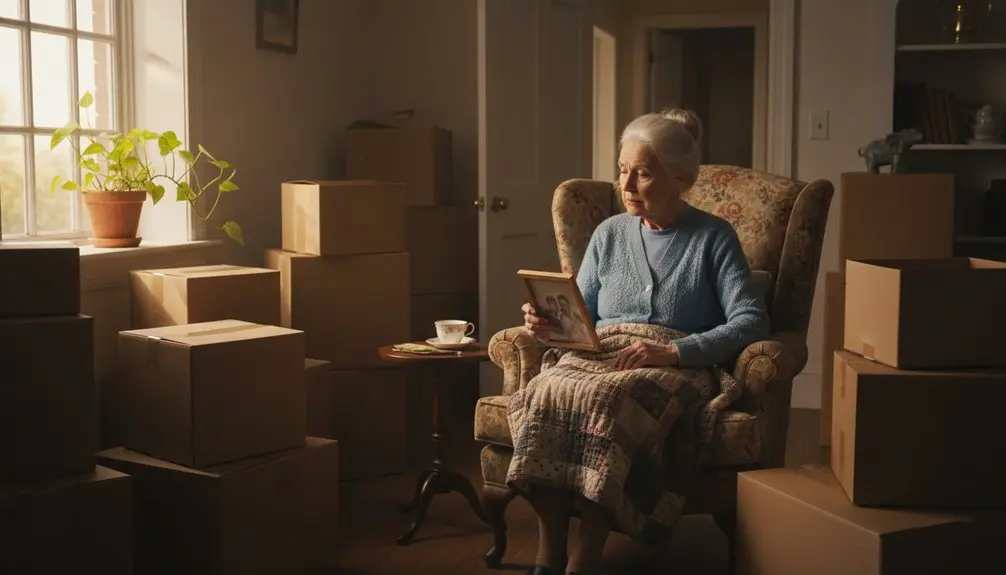
In senior care, honoring life’s journey involves recognizing the significance of spiritual and emotional support. These aspects are essential for enhancing the well-being of older adults. By addressing their spiritual needs and offering emotional encouragement, caregivers can help residents cultivate a sense of purpose and connection. This approach not only helps alleviate feelings of loneliness but also improves their overall quality of life.
When considering spiritual and emotional support in a senior living community, here are some factors to keep in mind:
- Spiritual Activities: Look for communities that offer various spiritual activities, such as meditation, prayer groups, or worship services, which can help residents engage with their beliefs and find comfort.
- Emotional Support Services: Inquire about the availability of counseling services or support groups that focus on emotional well-being. These resources can be beneficial for residents coping with life transitions or loss.
- Social Engagement Opportunities: A community that fosters social connections through group activities or events can provide emotional enrichment and help residents build meaningful relationships with one another.
- Personalized Care Plans: Ask how the community tailors care plans to address the individual spiritual and emotional needs of residents, ensuring that each person’s unique journey is honored.
- Staff Training: Understanding the level of training staff receive in providing spiritual and emotional support is important. Caregivers should be equipped to recognize and address these needs sensitively.
By considering these elements, families can make more informed decisions about which senior living community may best support their loved one’s spiritual and emotional needs.
Key Takeaways
- Spiritual well-being can significantly enhance mental health for seniors, often leading to reduced feelings of depression and anxiety. It is associated with greater life satisfaction in various care settings.
- Emotional support from family members and caregivers plays a vital role in fostering happiness among older adults. This support can help alleviate feelings of loneliness, which is common in this age group.
- Some communities offer structured spiritual care interventions, such as meaning-centered therapy. These approaches can improve overall quality of life and emotional resilience among residents, helping them navigate life’s challenges.
- Engaging in social and spiritual activities is beneficial for seniors, as it nurtures a sense of belonging. This interaction can help strengthen friendships and support networks, which are essential for emotional well-being.
- Narrative interventions and life reviews are effective tools that allow seniors to reflect on their life experiences. These practices can promote a sense of peace and fulfillment, particularly during the later stages of life.
The Impact of Spiritual Wellbeing on Health Outcomes in Seniors
As you explore options for senior living or care for yourself or a loved one, it’s important to understand the role that spiritual well-being can play in health outcomes for older adults. Research indicates a positive relationship between spiritual well-being and mental health, with higher levels of spirituality often linked to reduced feelings of depression and anxiety. This can lead to an improved mental state, greater life satisfaction, and stronger social connections, all of which contribute to a sense of purpose. Additionally, many seniors who maintain strong spiritual practices report better physical health, which enhances their overall quality of life. When considering a senior living community or care setting, you may want to evaluate how spirituality is integrated into the services provided. Spiritual communities can provide meaningful interactions and support systems that uplift mental health.
Understanding the connection between spiritual well-being and mental health is crucial for enhancing life satisfaction in older adults.
Here are some considerations:
- Support for Spiritual Practices: Does the community offer resources or opportunities for spiritual engagement, such as religious services, meditation, or counseling?
- Emotional Health Support: Are there mental health resources available that recognize the importance of spiritual well-being in managing chronic illnesses and improving coping strategies?
- Community Engagement: How does the community foster social relationships among residents, and are there programs that encourage shared spiritual or recreational activities?
Encouraging spiritual practices can help residents find meaning in their experiences, ultimately enhancing both their emotional and physical well-being. Spiritual well-being is essential for improving mental health outcomes in aging populations, so when researching options, be sure to ask questions about how different communities incorporate these aspects into their care, as services can vary widely between providers.
Emotional Support as a Key Component of Senior Care
Emotional support is a crucial aspect of well-being for older adults and has a significant impact on their mental health. Research indicates that having someone to talk to during challenging times can effectively reduce feelings of depression and serve as a protective factor against loneliness and isolation. Notably, studies reveal that approximately 35% of adults aged 45 and older experience feelings of loneliness, which can lead to serious mental health issues. Furthermore, financial and emotional support from adult children has been shown to improve mental health outcomes in older adults. Additionally, regular family interactions can enhance emotional health, increasing happiness and reducing anxiety.
Creating a supportive environment within families and communities encourages social interaction and emotional growth among seniors. When researching senior living options or care settings, it’s important to consider how these environments foster emotional support. Positive interactions with caregivers and peers can greatly enhance the mental wellness of residents, while negative experiences may have the opposite effect.
Here are some considerations to keep in mind when evaluating emotional support in senior living communities:
- Social Engagement Opportunities: Look for communities that offer group activities, social events, or clubs that encourage residents to connect with one another.
- Staff Training: Inquire about the training caregivers receive in emotional support and communication skills, as this can influence the quality of interactions.
- Family Involvement: Check if the community encourages family visits and participation in events, which can enhance a resident’s sense of belonging.
- Support Services: Some communities may provide access to counseling or support groups that address emotional well-being.
- Feedback Mechanisms: Consider how the community receives and acts on feedback from residents and families regarding their emotional needs.
Enhancing Quality of Life Through Spiritual Care Interventions
When exploring options to enhance the quality of life for older adults, spiritual care interventions can be a vital component in promoting overall well-being. These approaches, which may include methods like meaning-centered therapy and dignity therapy, have demonstrated positive outcomes in various studies. By addressing the spiritual needs of residents, caregivers can help cultivate a sense of hope, resilience, and worth among seniors. Engaging in activities such as mindfulness, music, and creative arts can foster meaningful connections, which may help alleviate feelings of loneliness and depression. These practices not only support emotional health but can also encourage acceptance and peace of mind, particularly in palliative care settings. Spiritual care interventions are recognized as essential in enhancing spiritual well-being, contributing significantly to the overall quality of life. Additionally, art therapy has been shown to provide a creative outlet for self-expression, further enriching the emotional experience of residents.
When researching care options for yourself or a loved one, consider the following aspects related to spiritual care:
- Availability of Spiritual Programs: Inquire whether the community offers structured spiritual care programs or activities.
- Types of Activities Offered: Look for communities that provide diverse options such as art therapy, music therapy, or mindfulness sessions.
- Staff Training: Ask about staff qualifications regarding spiritual care and how they support residents’ spiritual needs.
- Personalization of Care: Determine if the community allows for individualized spiritual care plans that respect residents’ beliefs and preferences.
Ultimately, integrating spiritual care into a senior living community can significantly enhance the perceived quality of life for older adults, making their journey more fulfilling and dignified.
The Social Dimensions of Emotional and Spiritual Support
The social dimensions of emotional and spiritual support are essential for older adults, providing not only a sense of belonging but also significantly contributing to overall well-being. Engaging with religious and spiritual groups can offer older adults broader social networks, which may help alleviate feelings of loneliness and anxiety. Friendship serves as a powerful antidote to loneliness in seniors, enhancing their emotional resilience.
Regular participation in religious services often leads to the development of stronger friendships and emotional support systems, which foster a community atmosphere. This interconnectedness can provide critical emotional, material, and informational assistance, enhancing resilience as one ages. Additionally, high-quality care includes individualized spiritual care tailored to residents’ specific needs, ensuring they receive the support necessary for their holistic well-being.
Moreover, maintaining diverse relationships with family and friends is beneficial. These connections can lead to improved moods and reduced emotional distress, highlighting the importance of nurturing meaningful social ties throughout life.
When considering senior living or care options, it’s valuable to inquire about the community’s approach to social and spiritual engagement. Questions to consider may include:
- What types of social and spiritual activities are offered?
- How does the community facilitate connections among residents?
- Are there opportunities for involvement in religious or spiritual groups?
Understanding these aspects can help ensure that seniors receive the emotional and spiritual support they need, contributing positively to their overall quality of life.
Clinical Implications for Integrating Spiritual Care in Practice
Integrating spiritual care into senior living communities is essential for enhancing the quality of life for older adults, as it addresses their holistic needs beyond just physical health. Here are some key considerations for families and caregivers when exploring care options:
- Routine Spiritual Screenings: Many communities may offer routine spiritual screenings as part of comprehensive assessments. This can help identify any spiritual distress early on, allowing for timely support.
- Assessment Tools: Look for communities that utilize tools such as HOPE or FICA, which systematically identify spiritual needs. This can help inform personalized care plans for residents and encourage meaningful friendships that enhance emotional well-being.
- Documentation of Spiritual Concerns: Ensuring that spiritual concerns are documented in electronic health records promotes continuity of care. This allows for better communication among caregivers and support staff.
- Staff Training: Inquire whether the community provides training for all staff in the basics of spiritual care. A culture that supports both psychological and spiritual well-being can lead to improved outcomes for residents.
- Addressing Spiritual Distress: It’s important to recognize that addressing spiritual distress can significantly reduce feelings of anxiety and depression. This, in turn, can lead to a more fulfilling life for seniors, especially during challenging times, as spiritual care is recognized as essential in palliative care.
- Promoting a “Good Death”: For many, spiritual care is an important aspect of end-of-life planning. Communities that integrate spiritual considerations can help residents achieve a sense of peace and fulfillment when the time comes.
When researching senior living options, consider asking about how the community approaches spiritual care and what specific services and support they offer. Each community may vary in their offerings, so understanding these aspects can be crucial in making an informed decision for yourself or a loved one.
Life Review and Narrative Interventions in Spiritual Care for the Elderly
Life review and narrative interventions are important aspects of spiritual care for older adults, as they encourage reflection on personal experiences, which can enhance well-being and help individuals find deeper meaning in their lives. These approaches prompt seniors to recall significant life events, aiding in the integration of both positive and negative memories into a cohesive life story. This process can be particularly beneficial for those experiencing feelings of depression. Engaging in creative arts can also serve as a powerful tool for emotional expression during this reflective journey.
During life reviews, themes such as purpose, forgiveness, and legacy often arise, connecting personal stories to larger existential questions. Structured methods, such as guided questions and the creation of legacy documents, can ensure that these discussions are meaningful and relevant to each individual. Notably, life review interventions have been shown to effectively decrease levels of depression and anxiety while simultaneously increasing quality of life among older adults with life-threatening illnesses.
Implementing narrative interventions in care settings can help:
- Alleviate anxiety
- Improve quality of life
- Foster spiritual well-being
These benefits highlight the value of considering life review and narrative interventions in senior living communities or care options. When exploring care settings, it may be worth asking about how they incorporate these practices into their services, as the availability and approach to these interventions can vary significantly among providers.
Frequently Asked Questions
How Can Families Support Seniors’ Spiritual Needs Effectively?
To effectively support the spiritual needs of seniors, it’s important to take a thoughtful approach that respects their individual beliefs and practices. Here are some practical considerations for family members and caregivers:
- Evaluate Beliefs and Practices: Begin by understanding the spiritual beliefs and practices that are meaningful to the older adult. This may include discussions about their sources of comfort, such as prayer, meditation, or time spent in nature.
- Engage in Conversations: Encourage open dialogue about their spiritual needs and what brings them peace. This can help identify specific rituals or activities that are significant to them.
- Maintain Meaningful Rituals: Support the continuation of any spiritual or religious rituals that are important to the resident. This could involve attending services, reading religious texts, or celebrating holidays that are meaningful to them.
- Facilitate Connections: If the senior is part of a faith community, assist them in maintaining connections with faith leaders or members of that community. This social interaction can be vital for their spiritual well-being.
- Incorporate Reflective Activities: Introduce activities that promote reflection and sharing of life stories. This can help older adults connect with their past and find meaning in their experiences.
- Regular Check-Ins: Keep the lines of communication open by regularly checking in on their spiritual preferences, especially during times of health changes or transitions in their care setting.
- Be Attentive to Distress: Watch for signs of spiritual distress, such as feelings of loneliness or hopelessness. When noticed, provide reassurance and emotional support, helping them navigate these feelings.
What Training Do Caregivers Need for Spiritual Care?
Caregivers play a crucial role in providing spiritual care to older adults, and specific training can enhance their effectiveness in this area. Here are key components of that training:
- Understanding Spirituality: Caregivers learn about the importance of spirituality in promoting well-being and finding meaning in life, helping them to better support residents through their spiritual journeys.
- Assessment Skills: Training includes learning how to identify and understand the spiritual needs of residents through meaningful conversations that can reveal underlying concerns or desires.
- Cultural Sensitivity: Caregivers are taught to respect the diverse beliefs and practices of residents, ensuring that they provide care that honors these differences without imposing their own views.
- Intervention Techniques: Caregivers develop skills in active listening and facilitating spiritual rituals or practices, which can be comforting and enriching for residents.
- Ongoing Education: Engaging in structured courses and continuous learning helps caregivers to stay informed and competent in providing spiritual support.
This training fosters a supportive environment that acknowledges and nurtures the spiritual dimensions of life for seniors, contributing to their overall quality of care.
Are There Specific Spiritual Practices Recommended for Seniors?
Several spiritual practices can provide meaningful benefits for seniors, fostering a sense of community and enhancing emotional well-being. Here are some options to consider:
- Religious Service Attendance: Regular participation in religious services can create a strong sense of community and purpose. Many seniors find comfort and joy in connecting with others who share similar beliefs.
- Private Prayer or Devotional Rituals: Engaging in personal prayer or rituals can enhance feelings of hope and reduce stress. This practice allows for reflection and personal connection to one’s spirituality.
- Mindfulness Meditation: This practice focuses on being present and can improve mental health, cognitive function, and emotional resilience. Mindfulness techniques are often simple to learn and can be practiced individually.
- Journaling and Quiet Contemplation: Writing down thoughts and feelings can help seniors process emotions and find meaning in their experiences. Quiet time for contemplation can also promote relaxation and clarity.
- Engagement with Nature: Spending time outdoors or in natural settings can uplift spirits and promote overall well-being. Nature offers a peaceful environment that can enhance emotional health.
When exploring these spiritual practices, it’s important to consider the preferences and needs of the individual. Each senior may resonate differently with various practices, so finding the right fit can significantly contribute to their emotional and spiritual wellness.
How Does Spirituality Vary Among Different Cultures in Senior Care?
Spirituality in senior care can vary greatly among different cultures, which is important to consider when choosing a care setting for yourself or a loved one.
- In many Western cultures, spirituality often emphasizes individual meaning and the legacy one leaves behind.
- In Arab cultures, there’s a strong focus on collective religious expressions, which frequently include family rituals that honor shared beliefs.
- Chinese traditions typically center around ancestor worship and the importance of harmony within family relationships.
- In Southern European cultures, spiritual comfort is prioritized, with care often being family-centered.
Understanding these cultural differences can help you provide tailored support that honors each resident’s beliefs and preferences.
This awareness fosters a sense of connection and comfort during the final stages of life, ensuring that the spiritual needs of older adults are respected and addressed appropriately.
When exploring senior living options, consider discussing with communities how they accommodate the spiritual needs of their residents, as this may vary significantly between providers.
What Resources Are Available for Spiritual Care Programs?
There are various resources available to support spiritual care programs that can be beneficial for seniors and their families when exploring care options.
These resources often include:
- Palliative care toolkits which provide online courses and assessment tools aimed at enhancing understanding of spiritual care.
- Professional development programs that focus on how to integrate spiritual care into everyday practice, which may be helpful for both caregivers and families.
- Guides tailored for dementia care that assist staff in addressing the spiritual needs of residents, recognizing the unique challenges that may arise.
- Webinars and training sessions that cover topics like spiritual assessment and care, providing valuable knowledge for both caregivers and family members.
These resources can help ensure that spiritual support is part of the care provided, fostering a compassionate environment for older adults in various senior living settings.