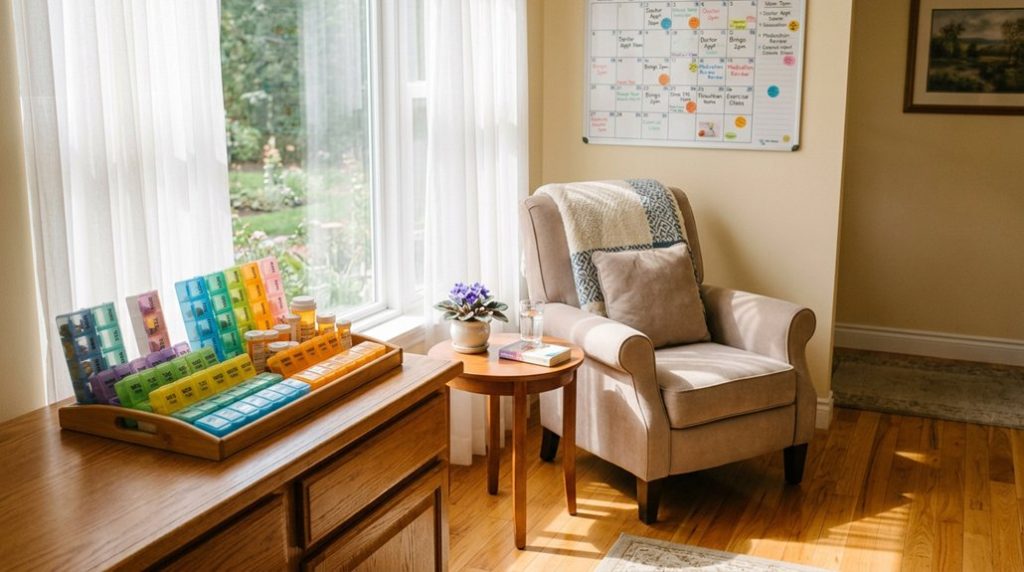
Building healthy habits starts with ensuring you stick to your medication regimen. Adhering to prescribed medications helps manage chronic conditions, boosts mental well-being, and enhances your independence. However, barriers like forgetfulness, complex instructions, and financial constraints can make it tough. Engaging caregivers, utilizing technology, and simplifying regimens can greatly improve adherence. By addressing these aspects, you’re on track for better health. Discover how support systems and tools can further empower your journey to wellness.
Key Takeaways
- Medication adherence is vital for seniors to manage chronic conditions and enhance overall health and well-being.
- Common barriers include complex instructions, polypharmacy, forgetfulness, financial constraints, and poor communication with healthcare providers.
- Non-adherence can lead to worsened health conditions, increased hospitalizations, and lower quality of life.
- Strategies like simplifying regimens, personalized education, and technology can significantly improve medication adherence.
- Caregivers and pharmacists play crucial roles in supporting seniors through consistent routines and tailored counseling.
Why Medication Adherence Matters: Key Benefits for Seniors
Medication adherence is essential for seniors, as it directly impacts their overall health and well-being. By taking medications as prescribed, you can better control conditions like diabetes, high blood pressure, and heart disease, reducing hospital visits and improving daily engagement. Additionally, medication synchronization simplifies your pharmacy experience, allowing you to pick up all prescriptions on the same day.
Medication adherence is vital for seniors, significantly enhancing health, managing chronic conditions, and promoting a more active lifestyle.
You’ll notice enhanced mobility, allowing you to participate in activities you love. Proper medication use also strengthens mental and emotional health, helping you manage anxiety and depression. Furthermore, better control of health conditions leads to a more stable routine, enabling you to enjoy life without unnecessary interruptions.
Plus, sticking to your regimen minimizes side effects and health risks, promoting independence and social interaction. As you embrace these habits, you’ll not only enhance your quality of life but also foster connections with others, creating a supportive community around you.
Your commitment to adherence truly makes a difference!
Common Barriers to Medication Adherence
Sticking to your medication regimen can be challenging due to various barriers that often go unnoticed. Complex instructions can be hard to read, and polypharmacy increases the risk of errors. You might face difficulties in getting your supplies, and frequent changes to your regimen can complicate timing and dosages. Forgetfulness or cognitive decline may lead to missed doses, while physical issues could hinder your ability to handle medications. Financial constraints may limit your access to necessary medications, and a lack of social support can make adherence even tougher. Additionally, poor communication between healthcare providers can disrupt your care continuity. Recognizing these barriers is the first step in finding solutions to guarantee you stay on track with your medications. Furthermore, many vulnerable elderly individuals experience poor medication adherence due to the complexity of their health conditions and medication management. Identifying long-term care insurance options can help ease the financial burden associated with medication costs.
Consequences of Not Following Medication Regimens
Failing to follow your medication regimen can lead to serious health consequences that extend beyond just physical ailments. You risk worsening chronic conditions like hypertension or diabetes, which can accelerate disease progression. Furthermore, nonadherence increases risks for renal disease, which can lead to additional health complications and require more intensive treatment. Assisted living facilities support recovery by providing personalized care plans that adapt to individual needs.
Non-adherence can also result in hospitalizations, with around 200,000 older adults facing this issue annually due to adverse drug reactions. This not only impacts your health but also burdens healthcare systems, increasing costs for everyone. Furthermore, poor adherence often correlates with a lower quality of life, as symptoms of depression and cognitive impairments can hinder your ability to manage medications effectively.
Proven Strategies to Enhance Medication Adherence
Enhancing medication adherence is essential for maintaining your health and managing chronic conditions effectively.
Simplifying your medication regimen by reviewing prescriptions regularly can identify unnecessary drugs and reduce how often you need to take them. Consider using combination pills or shifting to once-daily dosing for better compliance. Additionally, personalized meal plans can complement your medication regimen by ensuring you receive the right nutrients.
Personalized education is key; using visual aids or teach-back methods can help overcome any barriers to understanding. Additionally, integrating barcode scanning during medication administration can improve accuracy and reduce the risk of errors.
Personalized education, with visual aids and teach-back methods, can effectively bridge understanding gaps in medication adherence.
Technology can also play a role—apps and electronic reminders can prompt you to take your medications on time.
Finally, engaging with healthcare professionals through team-based care and personalized counseling fosters trust and support, making it easier for you to stick to your medication plan.
Embrace these strategies to enhance your health and well-being.
How Caregivers Can Support Medication Adherence
Caregivers play an essential role in supporting medication adherence among seniors. By establishing consistent routines, you help seniors integrate their medications into daily activities, making it easier to remember. Using phone alarms and daily check-in calls can prompt timely doses, ensuring they don’t forget. Visual supervision reinforces this adherence, while your involvement can range from actively managing medications to discreetly monitoring their intake. High social support from family members greatly boosts adherence rates, so encourage family engagement. Remember, even when patients feel well, continuing their medications is vital. High adherence rates can be significantly influenced by the caregiver’s relationship with the patient and their commitment to supporting treatment. Additionally, caregivers can benefit from understanding the importance of personalized care plans, which help tailor medication management to each senior’s individual needs.
Your consistent support can reduce the risk of non-adherence, especially in those with cognitive challenges. Together, you can foster healthier habits and improve overall well-being for the seniors you care for.
How Professional Oversight Can Boost Medication Adherence
When seniors receive professional oversight in their medication management, adherence improves notably.
Pharmacists play an essential role, offering personalized counseling that addresses individual needs and cultural backgrounds. By conducting medication reviews, they identify unnecessary drugs and simplify regimens, which greatly boosts compliance. Poor medication adherence is prevalent among older adults, making this support even more crucial. Additionally, implementing medication synchronization can further streamline the process, ensuring all prescriptions are refilled on the same day for convenience.
Pharmacists provide tailored counseling and medication reviews, enhancing seniors’ compliance by simplifying their regimens and addressing individual needs.
Regular follow-ups allow pharmacists to monitor adherence, assess barriers, and tailor interventions like pillboxes or simplified dosing schedules.
Team-based care models guarantee continuous support and communication between healthcare providers, fostering trust and enhancing adherence.
With the right oversight, seniors not only manage their medications more effectively but also experience fewer hospital visits and better overall health. Your involvement can help create a supportive environment that encourages seniors to thrive.
Using Technology for Effective Medication Reminders
Professional oversight can greatly improve medication adherence for seniors, but technology plays an equally important role in supporting these efforts.
Smart dispensers simplify complex regimens, ensuring the right dose at the right time with visual and audio alerts. Mobile apps like Medisafe offer customizable reminders and allow caregivers to monitor adherence remotely, reducing stress for everyone involved. Additionally, integrating smart health monitoring tools can provide valuable insights into overall wellness and medication effectiveness.
Alarm systems on smartphones or devices like Alexa help prevent missed doses with tailored prompts. Multifunctional kits store medications according to schedules and even monitor essential signs. With the expected increase in the aging population, these tools will become even more essential for maintaining health.
Advanced tools, such as interactive apps and bioingestible sensors, provide real-time updates. By leveraging these technologies, you can enhance medication management, making it easier for seniors to stay on track and live healthier lives.
Support Resources for Seniors and Caregivers
Finding the right support resources can greatly ease the challenges faced by seniors and their caregivers. Organizations like the National Alliance for Caregiving and AARP offer valuable educational materials and guidance. You can connect with professionals through the Aging Life Care Association and find peer support via the Caregiver Action Network. Online forums like AgingCare.com let you share experiences and gain practical advice. Additionally, the Aging Life Care Association focuses on empowering caregivers with professional guidance to help navigate complex care needs. In-home care services can provide essential tailored support that addresses individual needs for both seniors and their families.
Accessing support resources from organizations like the National Alliance for Caregiving and AARP can significantly ease caregiver challenges.
Don’t forget about local resources; senior centers and community programs provide meals, transportation, and social activities. If you need a break, explore respite care services or adult day care options. For immediate help, call the Eldercare Locator at 1-800-677-1116. These resources can empower both you and your loved ones on this journey.
Frequently Asked Questions
What Are the Signs of Medication Nonadherence in Seniors?
You might notice full medication bottles, unexplained symptoms, mood changes, or confusion. Look for missed refills and difficulty managing doses, as these signs often indicate seniors aren’t taking their medications as prescribed.
How Can Seniors Educate Themselves About Their Medications?
You can educate yourself about medications by reading labels, asking pharmacists for clarifications, attending wellness checks, and keeping an extensive list of all prescriptions. Open communication with your healthcare provider enhances understanding and safety.
Are There Financial Assistance Programs for Medication Costs?
Yes, there are financial assistance programs for medication costs, like Extra Help, state programs, and nonprofit initiatives. You can explore these options to ease the burden of out-of-pocket expenses for necessary prescriptions.
What Role Does Nutrition Play in Medication Effectiveness?
Nutrition considerably influences medication effectiveness. When you maintain a balanced diet, it enhances absorption, reduces side effects, and helps prevent nutrient deficiencies. Prioritizing proper nutrition can improve your medication outcomes and overall health.
How Can Family Members Encourage Better Adherence Without Being Intrusive?
Encourage better adherence by offering support without pressure. Share positive reinforcement, simplify routines together, and maintain open communication. Involve them in decisions, ensuring they feel empowered and respected in their medication journey.