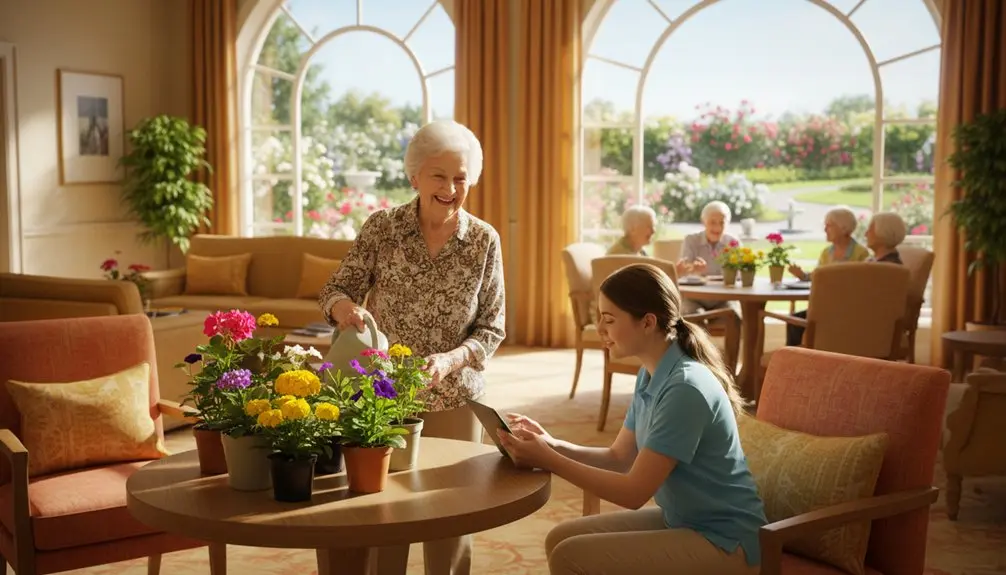
When considering senior living, it’s important to understand how these communities can significantly improve daily life for older adults. Senior living communities prioritize social connections, safety, and personalized care, fostering environments that enhance overall well-being.
Picture a community where predictable routines and engaging activities create a strong sense of belonging. Key features that contribute to a more peaceful existence for residents may include:
- Social Engagement: Many communities offer opportunities for residents to connect with peers through group activities, events, and outings, which can combat feelings of loneliness and isolation.
- Safety and Security: Senior living environments often have safety measures in place, such as secure entrances, emergency response systems, and staff available around the clock, providing peace of mind for both residents and their families.
- Personalized Care: Depending on the community, residents may have access to tailored care plans that address their individual needs, from assistance with daily tasks to specialized medical support.
- Structured Routines: A well-organized daily schedule can help residents feel more secure and engaged, offering activities that promote physical and mental well-being.
- Transportation Services: Many communities provide transportation options for medical appointments, shopping, and social outings, making it easier for residents to maintain their independence.
It’s essential to research and compare different senior living options, as services, amenities, and policies can vary widely among communities. Asking questions about what each community offers can help families make informed decisions about the best fit for their loved ones.
Key Takeaways
- Senior living communities often focus on fostering social connections through communal meals and organized activities. This approach can help reduce feelings of loneliness and enhance emotional well-being among older adults.
- Many communities provide predictable routines, creating a comforting environment that may alleviate stress and contribute to improved cognitive health for residents.
- Safety features such as handrails, well-lit common areas, and clear walkways are typically implemented to minimize fall risks, ensuring a secure living environment for seniors.
- Regular health monitoring and personalized care plans may support early detection of health issues, promoting overall well-being and peace of mind for residents and their families.
- Engaging in creative and physical activities is often encouraged within these communities, stimulating cognitive function and contributing to a fulfilling and peaceful daily experience.
Enhancing Social Connections and Companionship
Social connections are vital for enhancing the quality of life for older adults. Research indicates that over one-third of adults aged 45 and older experience loneliness, which can lead to significant health risks. To address this, many senior living communities emphasize the importance of daily companionship through various means, such as shared meals, common lounges, and organized gatherings. Studies indicate a strong correlation between loneliness and health decline, highlighting the need for robust social engagement.
Social connections are essential for older adults, helping to combat loneliness and enhance overall well-being.
Consider the following options that may foster meaningful interactions among residents:
- Group Activities: Look for communities that offer exercise classes, arts programs, and cultural events. These activities not only help residents establish routines but also encourage social engagement. Regular participation in group activities can significantly improve emotional health and overall well-being.
- Peer Relationships: Building friendships within the community can provide valuable emotional support and camaraderie.
- Family Visits: Facilitating regular visits from family members can help maintain important outside relationships.
- Intergenerational Connections: Programs that connect residents with younger generations can enrich the lives of both groups and combat feelings of isolation.
When exploring senior living options, it’s important to inquire about the community’s approach to fostering social connections. Each community may offer different services and opportunities, so understanding what’s available can help ensure that residents have access to meaningful companionship.
Ensuring Safer Daily Living Environments
Creating a safe environment is crucial for older adults, as it helps reduce the risk of falls and promotes overall well-being. When considering senior living options or care settings, pay attention to the following aspects of fall-resistant design:
- Clear Walkways: Ensure that pathways are unobstructed and easy to navigate. This can prevent trips and falls.
- Even Flooring: Look for communities with level floors and minimal transitions between different surfaces, which can help avoid accidents.
- Non-Slip Surfaces: Check that flooring materials are designed to provide traction, especially in areas prone to moisture, such as kitchens and bathrooms.
In bathrooms, safety features can significantly enhance independence. Consider the following installations:
- Grab Bars: These can provide assistance during transfers in and out of bathtubs or showers.
- Raised Toilet Seats: These can make it easier for older adults to sit and stand.
- Walk-In Showers: These designs often reduce the risk of slipping and are more accessible than traditional bathtubs. Age-friendly environments can further encourage older adults to maintain their independence and well-being.
Adequate lighting throughout the community or home is also essential. Good lighting helps residents identify obstacles and changes in floor levels, making navigation safer.
For outdoor areas, consider:
- Level Walkways: Ensure that paths are smooth and free from uneven surfaces.
- Accessible Seating: Availability of benches or seating areas can encourage movement and provide rest stops.
Regular maintenance is vital in maintaining a safe environment. Be proactive in addressing any issues, such as damaged flooring or inadequate lighting, to prevent accidents.
Providing Health Monitoring and Personal Care
When exploring senior living options, understanding the importance of health monitoring and personal care for older adults is essential. Regular health checks, such as monitoring blood pressure and weight, can play a vital role in the early detection of potential health issues. Many residents in these communities rely on these services, which underscores their significance in maintaining well-being. Additionally, evidence suggests that higher nursing staff ratios can lead to better health outcomes for residents, further emphasizing the need for adequate support in these settings. Assisted living communities often provide personalized care plans that cater to individual needs over time.
Medication management is another critical component of care. Trained staff can provide reminders and assistance to help residents adhere to their prescribed medication schedules. This support can be invaluable in ensuring that older adults manage their health effectively.
Personal care services, which include assistance with daily activities such as bathing and dressing, are tailored to meet the individual needs and preferences of residents. These services can greatly enhance comfort and dignity in daily living.
When considering a senior living community, it’s important to inquire about how they coordinate with healthcare providers. Effective communication and collaboration can ensure that residents receive comprehensive support, contributing to their overall quality of life and providing peace of mind for both residents and their families.
When researching options, consider asking the following questions:
- What regular health monitoring services are offered?
- How is medication management handled?
- What personal care services are available, and how are they customized for residents?
- How does the community collaborate with healthcare professionals?
Establishing Predictable Routines
Establishing predictable routines in senior living communities can significantly enhance daily life for residents, providing a sense of security and comfort. Consistent meal and wake-up times help create a stable environment, which is particularly beneficial for older adults who may be experiencing cognitive or sensory changes. When daily schedules are reliable, residents often experience improved sleep quality and efficiency, making it easier for them to rest well. Regular routines support healthy circadian patterns by offering the body dependable cues for sleep and wakefulness. This can be especially important for seniors, as maintaining a consistent rhythm can help regulate their overall well-being, and poor sleep quality is linked to cognitive decline. Additionally, having set routines can reduce the need for frequent decision-making, which can alleviate stress and cognitive load for residents. Consistency in daily schedules also leads to fewer behavioral issues and a greater sense of security.
When considering a senior living community, it’s important to look for options that balance dependable timing with flexibility to accommodate personal preferences. Here are some factors to consider:
- Meal Scheduling: Inquire about meal times and whether they’re consistent. This can help ensure that residents receive nourishment at regular intervals.
- Wake-Up and Bedtime Routines: Ask how the community supports wake-up and bedtime consistency.
- Activity Planning: Look for communities that offer scheduled activities while allowing for individual interests and spontaneity.
- Personalized Care: Determine how the community tailors routines to fit the unique needs and preferences of residents.
Promoting Recreation, Purpose, and Engagement
Predictable routines can contribute to a fulfilling life in senior living communities, but real enrichment often comes from fostering recreation, purpose, and engagement among residents.
Participating in group meals, games, and outings can create opportunities for meaningful interactions, which may help combat feelings of loneliness among older adults. Engaging in purposeful activities, such as gardening or mentoring, can boost well-being and enrich the community as a whole. Given that loneliness among older adults is linked to various health issues, creating these opportunities for socialization is crucial. Additionally, community gardening offers seniors a unique opportunity to connect with nature and each other, further enhancing their social ties.
Physical recreation, including dance or walking groups, can make movement enjoyable while also fostering connections among residents. Creative pursuits like art and music classes can stimulate the mind and enhance cognitive function, promoting overall mental health.
These shared experiences not only build friendships but also contribute to a sense of belonging.
When evaluating senior living options, consider the activities and engagement opportunities offered, as these can play a significant role in ensuring that every resident finds joy and fulfillment in their daily lives.
Supporting Independence and Family Peace of Mind
Maintaining independence is a significant consideration for older adults, and senior living communities can provide valuable support in this regard while also offering reassurance to families. These communities often offer personalized assistance with daily activities such as bathing, medication management, and meal preparation, which can empower residents to make choices that enhance their quality of life. Research shows that chronic diseases and disabilities in IADL are prevalent among the elderly, highlighting the importance of support systems tailored to their needs. Safety features, including grab bars and improved lighting, are typically incorporated to help reduce the risk of falls, allowing seniors to navigate their environment with confidence. Additionally, trained staff members are usually available to assist in emergencies, providing peace of mind for families who may be concerned about their loved one’s safety. With 24/7 staff availability, residents can feel secure knowing help is always nearby.
This collaborative approach can strengthen a resident’s independence and alleviate some of the demands placed on family caregivers. This allows family members to focus on nurturing meaningful connections with their loved ones rather than being preoccupied with daily caregiving tasks.
When exploring senior living options, it may be helpful to consider the following:
- Personalized Services: Check what types of assistance are available and how they can be tailored to meet individual needs.
- Safety Features: Inquire about specific safety measures in place, such as emergency call systems and accessibility features.
- Staff Availability: Understand the level of staffing and training provided to ensure residents receive adequate support.
- Community Environment: Consider the overall atmosphere of the community and whether it aligns with the preferences of the potential resident.
- Caregiver Support: Look into resources available for family caregivers, including respite care and support groups.
Fostering a Sense of Community and Belonging
When researching senior living options, it’s essential to consider how these environments foster a sense of community and belonging, as this can significantly enhance residents’ emotional well-being.
Social isolation affects nearly 1 in 4 older adults, making regular opportunities for connection vital.
Shared spaces, such as dining rooms and gardens, can encourage conversation and help build relationships among residents. Engaging in group activities—ranging from arts and crafts to exercise classes—can offer meaningful participation opportunities, even for those who may prefer to observe rather than actively engage.
The design of communal areas plays a crucial role in promoting spontaneous interactions. Familiar neighbors can provide much-needed support and companionship.
When evaluating potential care settings, consider looking for communities that offer inclusive programming, ensuring that all residents feel valued and connected. Strong social ties improve mental and physical health, reducing feelings of loneliness and isolation.
These efforts can help reduce feelings of loneliness and strengthen community ties, ultimately enriching the lives of all residents.
As you explore options, think about the various activities, communal spaces, and social opportunities each community provides, as these can significantly impact the overall quality of life for older adults.
Frequently Asked Questions
What Types of Activities Are Available in Senior Living Communities?
In senior living communities, various activities are typically available to promote residents’ well-being and engagement. These activities can include:
- Exercise Classes: Many communities offer fitness programs tailored for older adults, helping to maintain physical health and mobility.
- Social Events: Residents often have the opportunity to participate in social gatherings, such as bingo nights, sing-alongs, and themed parties, which can foster friendships and a sense of belonging.
- Educational Programs: Art and book clubs, as well as workshops, may be available to encourage creative expression and lifelong learning.
- Outdoor Activities: Organized outdoor walks and community outings can provide fresh air and opportunities for exploration, enhancing overall well-being.
When researching a senior living community, consider the types of activities offered and how they align with the interests and preferences of you or your loved one.
Engaging in various activities can contribute significantly to a fulfilling lifestyle in a care setting, helping residents stay active, make meaningful connections, and enjoy enriching experiences.
How Do Senior Living Facilities Handle Dietary Restrictions?
Senior living communities recognize the importance of accommodating dietary restrictions for their residents. They typically begin by conducting comprehensive assessments to identify each individual’s dietary needs, including any allergies, intolerances, or medical conditions that may influence food choices.
To ensure that meals are both nutritious and appealing, communities often design menus that cater to various dietary preferences, such as low-sodium or diabetic options. It’s essential for families and caregivers to inquire about how menus are developed and whether they can accommodate specific dietary requirements.
Staff members usually monitor residents’ food intake closely to make necessary adjustments, promoting a dining experience that respects dietary guidelines while ensuring residents enjoy their meals.
When evaluating senior living options, consider asking the following questions regarding dietary services:
- How are dietary restrictions assessed and documented for each resident?
- What types of meal options are available for those with specific dietary needs?
- How often are menus updated to reflect seasonal ingredients or changing dietary guidelines?
- How does the community handle food allergies or special medical diets?
- Are residents involved in the menu planning process?
Understanding how a community manages dietary restrictions can help you make an informed decision that prioritizes the health and well-being of your loved one.
Can Residents Have Pets in Senior Living Communities?
Yes, many senior living communities allow residents to have pets, but policies can vary widely.
It’s important to understand that different communities may have their own rules based on factors such as location, level of care, and type of housing.
Common pet-related restrictions may include:
- Size limits for pets
- Breed restrictions
- The maximum number of pets allowed, which is often up to two
If you’re considering bringing a pet, it’s essential to ensure that your animals are well-behaved and have current vaccinations.
Residents are typically responsible for their pets’ overall care, which includes feeding, grooming, and attending veterinary appointments.
Therefore, it’s advisable to plan accordingly to ensure a smooth transition for both you and your pet.
When researching potential communities, it may be beneficial to ask about their specific pet policies, as well as any additional fees or requirements associated with having pets in the community.
What Are the Costs Associated With Senior Living Services?
The costs associated with senior living services can vary significantly based on a number of factors, including location, individual care needs, and the type of living arrangement chosen. Here are some average costs to consider for various types of senior living:
- Assisted Living: Typically, monthly costs for assisted living average around $6,200. This option is designed for older adults who may need help with daily activities but don’t require full-time medical care.
- Independent Living: This arrangement generally costs about $3,200 per month. Independent living communities are ideal for seniors who are relatively self-sufficient but appreciate the convenience of community living and available services.
- Nursing Homes: For those needing more intensive care, nursing home costs average approximately $315 per day for a semi-private room. This setting provides comprehensive medical support and assistance with daily living tasks.
- Memory Care: Specialized memory care services typically run about $6,690 monthly. These programs cater to residents with Alzheimer’s disease or other forms of dementia, offering tailored support and safety features.
It is important to note that these costs can increase depending on specific needs, room choices, and the geographic area. Each senior living community offers different services, amenities, and staffing levels, which can also impact pricing.
When researching options for yourself or a loved one, consider the following factors to help in your decision-making process:
- Community Services: Inquire about the services that are available and how they align with your needs.
- Amenities: Look at the amenities provided, as these can enhance the quality of life.
- Staffing: Understanding the staffing levels and qualifications can give insight into the level of care provided.
- Activities: Check what social, recreational, and wellness activities are offered, as they play a key role in a resident’s overall well-being.
- Policies: Familiarize yourself with the community’s policies regarding care, safety, and emergency procedures.
How Often Can Family Visit Residents in Senior Living Facilities?
In senior living communities, family members typically have the flexibility to visit residents at various times, with few restrictions on how often or how long they can stay.
However, it’s important to note that policies regarding visitation can differ based on the specific community and local regulations.
To ensure a smooth visit, it’s advisable to check with the community for their specific visitation guidelines. Short, frequent visits are often beneficial, as they help maintain connections while also being considerate of the resident’s energy levels and personal preferences.
When planning visits, consider the following:
- Community Policies: Each senior living community may have different rules regarding visiting hours and visitor limits. Understanding these can help avoid any misunderstandings.
- Resident Preferences: Some residents may appreciate visits at certain times of day or may prefer shorter visits based on their daily routines and energy levels.
- Safety Protocols: Be aware that safety measures may be in place, especially in light of health concerns. This can include visitor screenings or limitations during certain times.
- Activities and Schedules: Residents may have planned activities or appointments, so coordinating visits around these can enhance the experience for everyone involved.