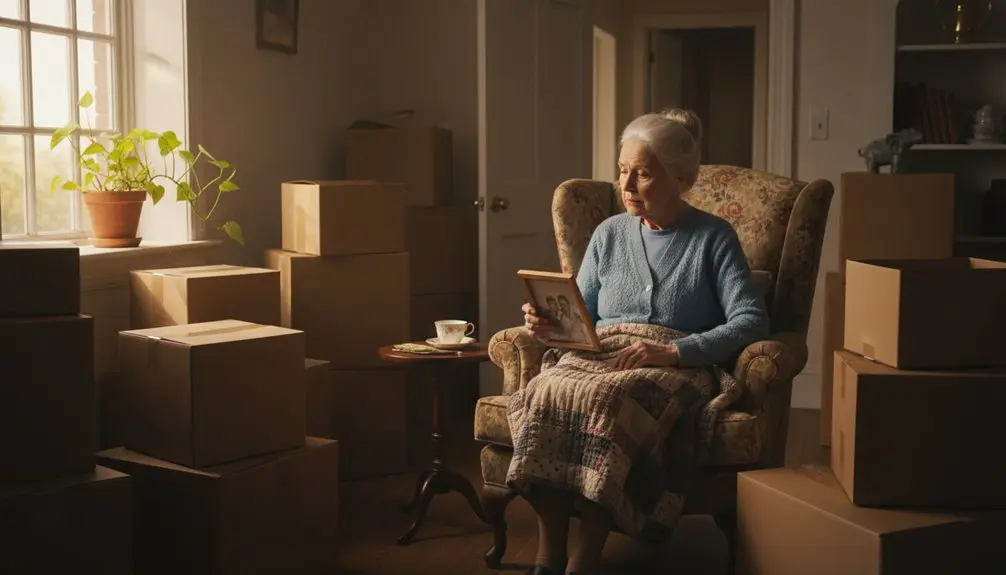
As you age, social connections become essential for your well-being. Engaging with friends and family helps lower stress and boosts your mood, while shared laughter can enhance your immune system. Loneliness, on the other hand, can lead to anxiety, depression, and physical health issues. By participating in community activities or reaching out to loved ones, you’ll not only combat loneliness but also foster lasting relationships. Discover more ways to strengthen these connections and improve your overall health.
Key Takeaways
- Social connections enhance mental health, reducing anxiety and depression prevalent among seniors facing isolation.
- Engaging with others lowers stress, boosts mood, and improves overall immune function.
- Loneliness increases the risk of chronic conditions, making social ties crucial for physical health.
- Community activities foster relationships, providing a sense of belonging and purpose.
- Regular family interactions create lasting memories and strengthen emotional bonds, enhancing well-being.
The Health Benefits of Social Connections for Seniors
When you nurture social connections, you’re not just enriching your life; you’re also boosting your health. Engaging with friends and family can lower stress levels, enhance mood, and even improve your immune system.
It’s amazing how a simple conversation or shared laughter can lift your spirits and make you feel more alive. By volunteering or joining community groups, you create bonds that not only support others but also foster your sense of belonging. These connections keep your mind active and engaged, helping you maintain cognitive function. You’re not only helping yourself; you’re positively impacting those around you. Regular interactions lead to improved mental well-being and reduced isolation.
How Loneliness Impacts Mental and Physical Well-Being
Loneliness affects millions of seniors, and its impact on mental and physical well-being can be profound. When you feel isolated, your mental health can suffer, leading to anxiety and depression. This emotional strain can cloud your judgment and diminish your ability to engage in everyday activities.
Physically, loneliness can weaken your immune system, making you more susceptible to illness. You might even experience increased blood pressure and a higher risk of chronic conditions. Engaging in community activities can significantly enhance social connections and mitigate feelings of loneliness among seniors.
Recognizing these effects is essential for creating supportive environments for seniors. By understanding how loneliness affects well-being, you can take meaningful steps to foster connections and enhance the lives of those in your community.
Practical Tips to Combat Loneliness and Build Connections
Addressing feelings of isolation can greatly improve seniors’ quality of life. Start by encouraging regular participation in local community events or classes.
Join a book club, fitness class, or art workshop to meet new people and share interests. Volunteering is another fantastic way to connect; helping others not only builds relationships but also fosters a sense of purpose. Additionally, engaging in group activities can deepen bonds and enhance community ties.
Joining a book club, fitness class, or art workshop can help you meet new friends and share your passions.
Consider initiating regular phone calls or video chats with friends and family. Create a routine that includes these interactions to maintain social ties.
Additionally, don’t hesitate to reach out to neighbors for a chat or coffee. Small gestures, like inviting someone for a meal, can make a huge difference.
Each connection you foster enriches your life and combats loneliness.
How Family Can Help You Stay Connected
Although you might feel isolated at times, your family can play an essential role in keeping you connected. Regular phone calls or video chats can brighten your day and strengthen bonds. Encourage your loved ones to share their lives, too; it creates a sense of togetherness. Invite family members to visit or join you for meals, even if it’s just once a week. These moments foster closeness and reduce feelings of loneliness. Don’t hesitate to ask for help with tasks or errands, as this can deepen relationships and provide a sense of purpose for everyone involved. Additionally, quality time spent together creates lasting memories that enhance emotional well-being.
Fun Activities to Foster Community Engagement for Seniors
Staying connected with family is just one piece of the puzzle when it comes to feeling engaged and fulfilled.
To foster community engagement, consider joining local clubs or volunteering for causes you care about. Participating in group activities, like arts and crafts or gardening, can spark new friendships and shared experiences.
You might also enjoy book clubs or discussion groups that challenge your mind and encourage socializing. Attend community events, like farmers’ markets or festivals, where you can meet neighbors and support local businesses.
Don’t underestimate the power of fitness classes or dance groups; they not only keep you active but also build camaraderie.
Frequently Asked Questions
How Can Technology Help Seniors Maintain Social Connections?
Technology helps seniors maintain social connections by providing easy access to video calls, social media, and messaging apps. These tools let you share moments, stay in touch, and build relationships, enriching their lives daily.
What Are Signs of Social Isolation in Seniors?
You might notice signs of social isolation in seniors through withdrawal from activities, decreased communication, lack of interest in social gatherings, or changes in mood. These indicators often signal a need for connection and support.
How Do Cultural Factors Influence Social Connections for Older Adults?
Cultural factors shape your understanding of community and relationships. They influence how you connect with others, affecting your social activities, communication styles, and support systems, ultimately impacting the quality of your connections as you age.
Can Pets Improve Social Interactions for Seniors?
Yes, pets can greatly improve social interactions for seniors. They not only provide companionship but also encourage conversations and connections with others, fostering a sense of community and belonging that enhances overall well-being.
What Role Do Community Centers Play in Senior Socialization?
Community centers foster socialization by offering activities, classes, and events where you can connect with others. They create a sense of belonging, encourage friendships, and help you engage actively in your community.