Game nights filled with board games and puzzles can greatly boost your wellness. They sharpen your cognitive skills, strengthen social bonds, and reduce stress through laughter and friendly competition. You’ve got opportunities to stay physically active and improve coordination while having fun. Plus, overcoming challenges provides a sense of accomplishment and purpose. By engaging in these enjoyable activities, you’ll discover even more ways to enrich your life and well-being.
Key Takeaways
- Game nights enhance cognitive function by sharpening memory and problem-solving skills through engaging board games and puzzles.
- Social interactions during game nights foster connections and a sense of belonging among seniors, enriching their lives.
- Playing games provides stress relief and promotes emotional well-being by creating a joyful atmosphere and encouraging laughter.
- Interactive games improve physical coordination and flexibility, contributing to overall health and fitness in seniors.
- Friendly competition and collaboration during game nights boost self-esteem and foster a sense of accomplishment and purpose.
Enhancing Cognitive Function Through Play
When you engage in game nights, you’re not just having fun; you’re also giving your brain a workout. Playing board games and solving puzzles can greatly enhance your cognitive function. Each move you make or strategy you devise stimulates your mind, sharpening your memory and problem-solving skills.
As you focus on the game, you’re improving your concentration and attention to detail, which are crucial for mental agility. Furthermore, these activities encourage you to think critically and make quick decisions, keeping your mind active and engaged. Regular engagement in cognitive activities significantly boosts cognitive reserve, helping to delay the onset of dementia.
Strengthening Social Connections Among Seniors
Game nights offer a fantastic opportunity to strengthen social connections among seniors, as they create a relaxed atmosphere for interaction and camaraderie.
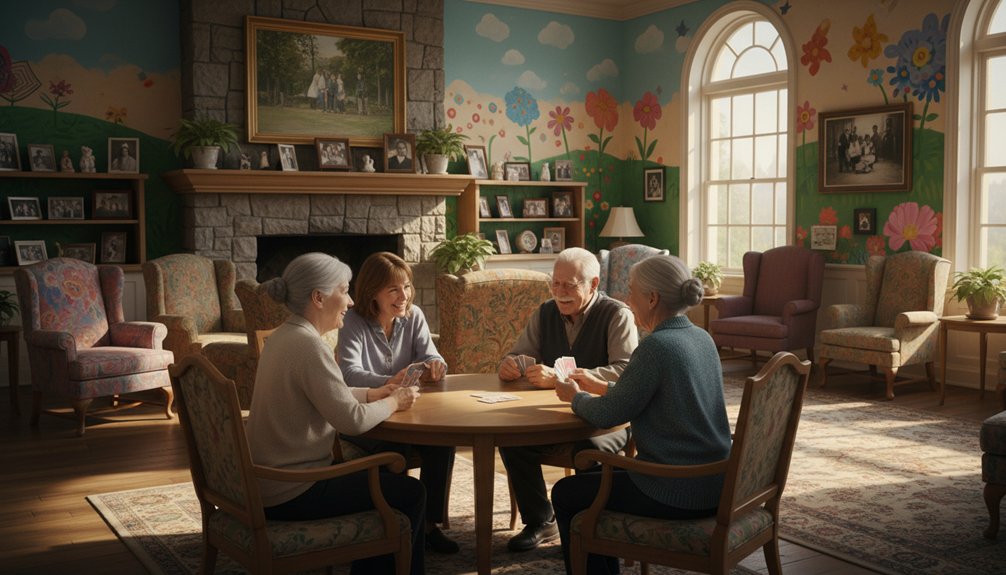
When you gather around a table with friends, you’re not just playing games; you’re building meaningful relationships. Sharing laughter and friendly competition fosters a sense of belonging, which is essential for emotional health.
Gathering with friends over games nurtures meaningful relationships and fosters a sense of belonging vital for emotional well-being.
You’ll find that these interactions can spark conversations and memories, further deepening bonds with those around you. Plus, inviting new participants encourages inclusivity, allowing everyone to feel valued and connected.
As you serve others by facilitating these gatherings, you’re not only enriching their lives but your own as well. Game nights truly become a celebration of friendship and community. Additionally, regular social engagement through activities like game nights helps reduce risks of depression and cognitive decline, promoting overall well-being among seniors.
Reducing Stress and Promoting Emotional Well-Being
Engaging in game nights not only strengthens social bonds but also plays a significant role in reducing stress and promoting emotional well-being.
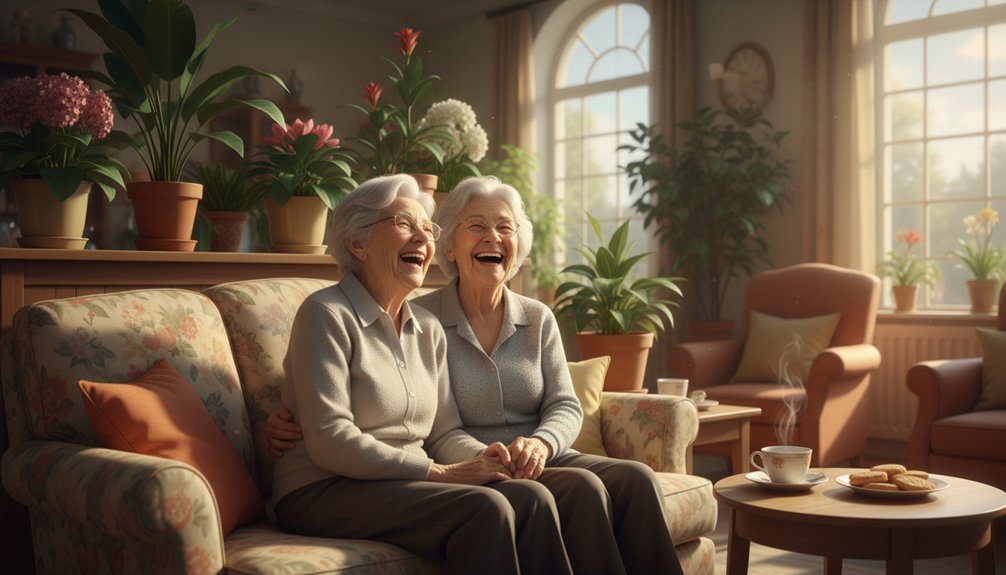
When you gather around a table, you create a space where laughter and friendly competition thrive. These moments allow you to escape daily worries, providing a mental break that’s essential for emotional health.
Sharing stories while playing can lighten moods and ignite joy, fostering a sense of belonging. Plus, the strategic thinking involved in games keeps your mind sharp, helping combat anxiety. Additionally, volunteering boosts physical health and enhances mental well-being, making it a complementary activity to game nights.
Encouraging Physical Activity and Coordination
While you might think of game nights as purely social events, they can also encourage physical activity and improve coordination. Engaging in games that involve movement, like charades or interactive board games, gets everyone up and moving, enhancing flexibility and balance. You can incorporate light stretching or simple exercises between rounds, making it fun and beneficial for everyone involved. Additionally, games that require dexterity, like assembling puzzles or stacking blocks, foster hand-eye coordination. These activities not only promote cardiovascular fitness but also contribute to overall physical wellness and quality of life.
Fostering a Sense of Accomplishment and Purpose
Participating in game nights not only enhances physical activity but also fosters a sense of accomplishment and purpose among seniors.
As you engage in friendly competition or collaborative puzzles, you’ll find that overcoming challenges boosts your self-esteem. Each win, no matter how small, reminds you of your capabilities and enriches your sense of belonging within the group.
By contributing your skills or strategies, you’re not only helping yourself but also uplifting others, creating a supportive environment. This shared experience encourages teamwork and builds lasting friendships, reinforcing the idea that everyone has something valuable to offer.
Ultimately, game nights become a wonderful opportunity for you to feel fulfilled, connected, and purposeful in your community, while also promoting emotional well-being through social interactions that reduce feelings of isolation.
Creating Opportunities for Lifelong Learning and Exploration
Game nights offer a fantastic opportunity for lifelong learning and exploration, as they introduce you to new games, strategies, and social dynamics. Each session encourages you to think critically and adapt to different challenges, honing your problem-solving skills.
Game nights inspire lifelong learning, challenge your thinking, and refine problem-solving skills through engaging new games and social interactions.
You’ll discover various cultures and histories through themed games, expanding your horizons while engaging with others. Sharing your knowledge and experiences enriches the group, fostering a supportive environment where everyone learns together.
As you teach others and share strategies, you reinforce your own understanding and create meaningful connections. Game nights aren’t just about playing; they’re a chance to grow, explore new ideas, and serve others by nurturing their curiosity and passion for learning. Additionally, participating in these activities promotes social engagement, enhancing emotional well-being and reducing feelings of isolation among seniors.
Embrace the joy of discovery!
Frequently Asked Questions
What Types of Board Games Are Best for Seniors?
When choosing board games for seniors, think simple and engaging. Games like Scrabble, Uno, and Rummikub are fantastic options, as they promote social interaction and mental stimulation.
You’ll want to contemplate cooperative games too, like Pandemic, which encourage teamwork. Avoid overly complex games that might frustrate them. Instead, pick games that are easy to learn and allow for conversation, making game nights enjoyable and inclusive for everyone involved.
How Often Should Seniors Participate in Game Nights?
You should aim for seniors to participate in game nights at least once a week. This regular engagement keeps their minds active and fosters social connections.
If possible, consider mixing it up with different games or puzzles to maintain interest and challenge. You’ll find that consistency not only enhances their enjoyment but also strengthens friendships, helping create a welcoming environment that everyone looks forward to.
It’s a simple way to make a big impact!
Can Online Games Provide Similar Benefits?
Sure, online games can offer similar benefits to traditional board games. They provide mental stimulation and social interaction, helping you stay connected with others.
You can engage in friendly competition and collaborate on challenges, which keeps your mind active. Plus, online platforms often allow you to play with friends or family, no matter where they are.
Embracing these games can enrich your social life and enhance cognitive skills, just like face-to-face gaming.
What Are Some Puzzle Options for Seniors?
When considering puzzle options for seniors, you’ve got some great choices.
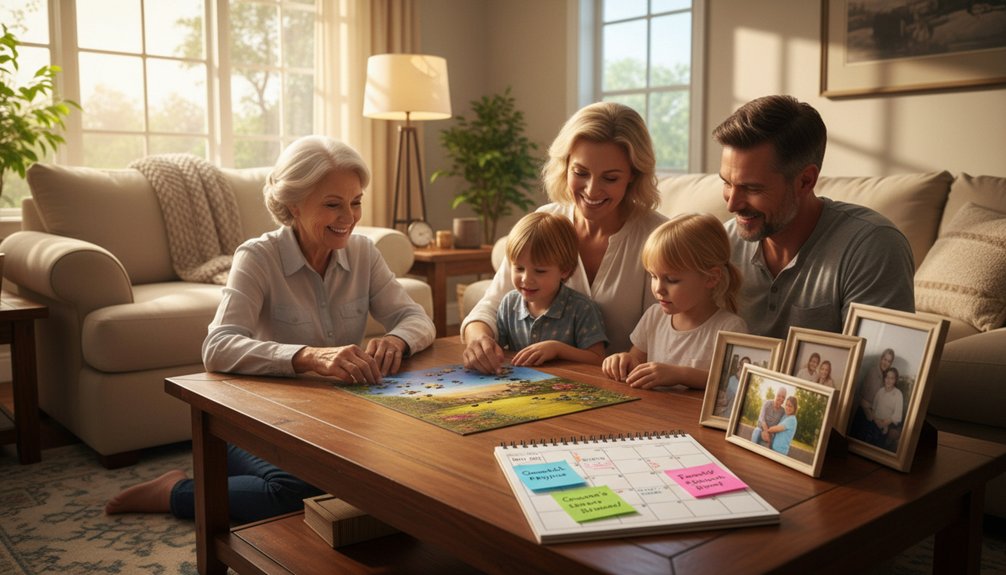
Jigsaw puzzles with larger pieces are easier to handle and can stimulate problem-solving skills. Crossword puzzles and word searches keep their minds sharp while being enjoyable.
Sudoku offers a fun challenge, too. You might also explore digital puzzles designed for tablets, as they can be engaging and user-friendly.
Encourage trying different types to see what your loved one enjoys the most!
How Can Caregivers Facilitate Game Nights for Seniors?
To facilitate game nights for seniors, you can start by selecting games that match their interests and cognitive levels.
Set a regular schedule to create anticipation, and keep the atmosphere relaxed and fun. Invite other seniors to join for social interaction, and offer snacks to enhance the experience.
You might also consider adapting rules or simplifying games to guarantee everyone can participate. Your enthusiasm and support will make the game nights enjoyable and engaging for everyone involved.