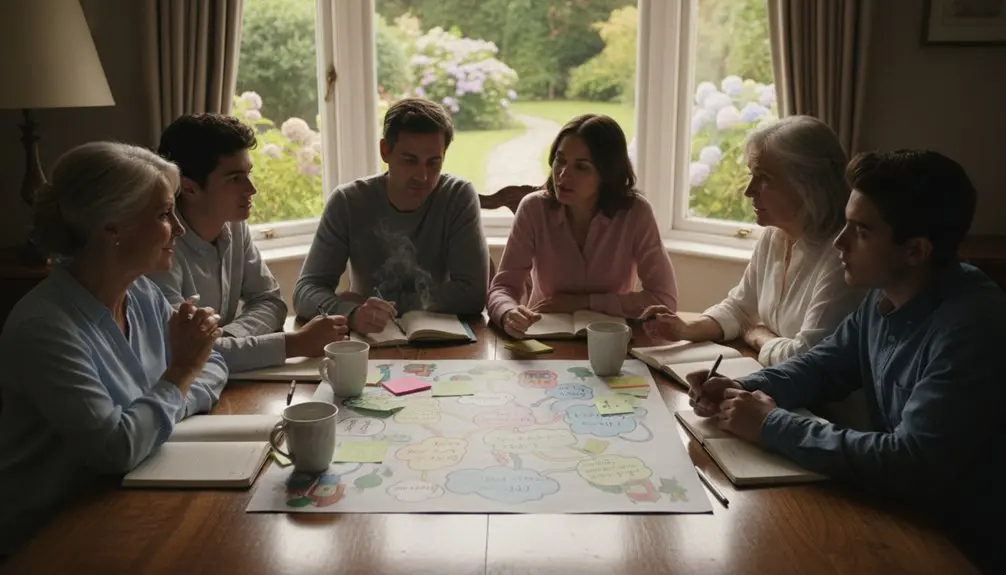
Welcome programs and orientation initiatives play a crucial role in helping new residents feel at home. They’ve engaged over 15,000 Americans across all states in refugee sponsorship, showcasing community support. These programs not only connect newcomers to local resources but also foster relationships through social events. Orientation programs, typically lasting around 22 days, guarantee new residents gain essential skills and knowledge. If you’re curious about the various aspects and benefits of these initiatives, there’s more to discover.
Key Takeaways
- Welcome programs support newcomers by connecting them with local sponsor groups, enhancing community ties and providing essential resources.
- Orientation programs for new residents typically last around 22 days, combining clinical training with social activities to foster group cohesion.
- Engaging orientations improve resident satisfaction and success in their new environment, offering essential knowledge and technical skills.
- Community initiatives recognize immigrant entrepreneurship as a valuable asset, promoting economic development and job creation through supportive resources.
- Certified Welcoming Designation enhances community recognition, attracting diverse talent and fostering an inclusive atmosphere for all residents.
National Reach of Welcome Programs

Welcome programs have made a significant impact nationwide, reaching residents in every U.S. state and D.C. With over 15,000 Americans stepping up to engage in refugee sponsorship, these initiatives foster community inclusivity and support for newcomers. Across the country, 100 sponsor groups have successfully matched refugees from 32 states, demonstrating the power of collective action. The expansion of these programs allows for the sponsorship of pre-identified refugees, ensuring that those most in need receive help. This initiative reflects a strong commitment to welcoming refugees in the U.S. Additionally, community-driven efforts, such as those seen in American Retirement Homes, provide essential support systems for newcomers to adapt and thrive in their new environments.
Community Engagement and Participation
While many residents express a desire to engage with their communities, significant barriers often prevent them from doing so. You might find that nearly 64% of your neighbors want to tackle local issues, but financial and logistical challenges can stand in the way. To foster community integration, consider participating in local groups, as around 57% of Americans do. These social networks can amplify your voice and enhance trust in community initiatives. By collaborating with local leaders and utilizing data to guide your efforts, you can help break down barriers to participation. Remember, accessible formats can significantly increase engagement opportunities for all residents. Additionally, residents at the Eugene H Bloom Retirement Center gain more freedom to participate in community activities. Community engagement isn’t just about involvement; it’s about creating a sense of belonging and empowerment for everyone in your neighborhood. Your contributions can truly make a difference.
Economic Development Initiatives for Immigrants
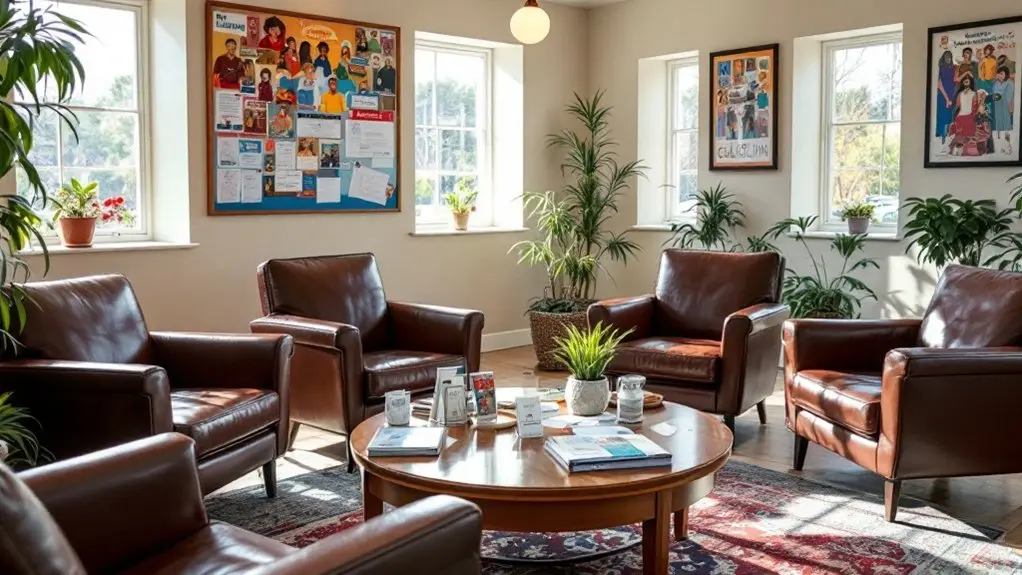
Economic development initiatives for immigrants play an essential role in fostering a thriving and inclusive local economy. By supporting immigrant entrepreneurship, these initiatives not only enhance job creation but also expand the labor force and consumer spending.
Many communities recognize immigrants as valuable business owners and contributors to economic inclusion. Programs like the Welcoming Economies initiative provide critical resources, mentorship, and networking opportunities for immigrant entrepreneurs, helping them succeed in their ventures. Engaging with local and regional economic development organizations guarantees these initiatives are sustainable and impactful. Additionally, initiatives that focus on assisted living communities can create more opportunities for immigrants looking to enter the healthcare sector. By focusing on immigrant integration and providing the right support, you can help create a more prosperous environment where everyone benefits from the diverse talents and perspectives immigrants bring to the community.
Orientation Programs for New Residents
Communities that support immigrant entrepreneurship also recognize the importance of orientation programs for new residents, especially in medical fields. These programs play a crucial role in enhancing clinical training and fostering resident satisfaction.
Through structured curricula, you’ll gain essential knowledge and refine your technical skills, ensuring you feel prepared for your role. Social events with faculty help build connections, promoting group cohesion. Notably, the average length of these orientations is typically lasting around 22 days, balancing clinical activities with non-clinical tasks, including administrative duties and classroom learning. Residents often report high satisfaction rates, feeling confident and ready to provide patient care after completing their programs. Additionally, engaging in more freedom through tailored activities can enhance your overall experience in the community.
Engaging and well-organized orientations can greatly impact your experience and success in the medical community.
Certifications and Awards for Welcoming Communities

Creating an inclusive environment for newcomers is essential for fostering a sense of belonging and community. One way to achieve this is through the Certified Welcoming Designation Framework, which offers significant certification benefits.
By participating in this evaluation process, your local government can collaborate with community partners to assess policies across seven categories, ensuring a thorough approach to inclusivity. Achieving certification not only enhances community recognition but also attracts talent and businesses that value diversity.
The certification lasts four years and requires ongoing commitment to improvement, making it a powerful tool for tracking progress and fostering unity among residents. Additionally, fostering more friendships among residents can significantly enhance the welcoming experience and create lasting connections.
Embrace this opportunity to elevate your community’s welcoming initiatives and create lasting impacts for all.
Public Perception and Support for Refugee Sponsorship Programs
Achieving a welcoming environment through initiatives like the Certified Welcoming Designation can lead to greater public support for programs that sponsor refugees.
When you engage with refugee narratives, you foster understanding and empathy, transforming negative perceptions into positive ones.
Community inclusivity is essential; sponsorship programs create social connections between refugees and local residents, enhancing social cohesion. Community sponsorship programs mobilize ordinary people to foster inclusivity and welcome refugees.
These interactions not only support the emotional well-being of refugees but also enrich your community.
By mitigating polarized narratives and involving diverse stakeholders, you can cultivate a culture of acceptance.
Remember, the success of these programs relies on your community’s active involvement, encouragement, and support, which ultimately benefits everyone.
Together, you can create an environment where all individuals thrive and belong.
Frequently Asked Questions
How Can I Get Involved in Local Welcome Programs?
You can get involved in local welcome programs by attending community networking events and participating in local meetups. Connect with others passionate about serving newcomers, and explore opportunities to volunteer and support immigrant integration initiatives.
What Resources Are Available for New Residents Seeking Jobs?
For your job search, explore local workforce centers for training and resume workshops. Attend networking opportunities to connect with potential employers and leverage community resources to enhance your skills and improve your chances of success.
Are There Any Fees Associated With Orientation Programs?
You might find orientation costs vary by facility. While some programs may have associated fees, they’re often included in overall costs. It’s best to check directly with the facility for specific program fees.
How Are Volunteers Trained to Support New Residents?
In volunteer training, you learn essential skills for effective resident support, including communication, empathy, and problem-solving. Engaging in hands-on experiences and receiving feedback helps you grow, ensuring you’re well-prepared to assist those in need.
What Types of Cultural Events Are Organized for Newcomers?
You’ll find various cultural festivals and community workshops designed to integrate newcomers, fostering connections through shared experiences. These events celebrate diversity, promote understanding, and create a welcoming atmosphere for everyone involved in the community.
Conclusion
To sum up, welcoming programs and orientation for new residents play an essential role in fostering inclusive communities. By engaging with newcomers and supporting their integration, you’re not just promoting economic development but also enriching your community’s cultural fabric. As you participate in these initiatives, you help create a positive perception of refugee sponsorship programs, making your town a more inviting place for everyone. Embrace these opportunities, and watch your community thrive together!